
Statement-Making Houseplants: Big Leaves, Big Impact
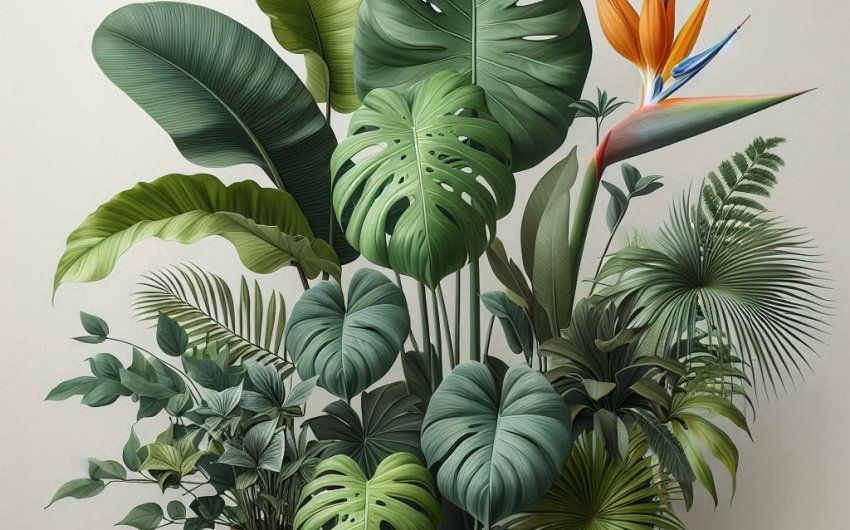
Bringing a touch of the outdoors inside can truly transform a living space, and when it comes to making a bold visual impact, nothing quite compares to statement-making houseplants with large, dramatic leaves. These botanical showstoppers serve as living sculptures, adding a sense of grandeur, lushness, and vibrant energy to any room. Discover how these magnificent green giants can become the focal point of your home decor, creating an instant feeling of sophisticated natural elegance.
Why Choose Large-Leaf Houseplants for a Statement?
Big leaves aren't just about size; they offer unique benefits that smaller plants simply can't provide, making them perfect for creating a memorable design moment.
How Do They Create Instant Visual Impact?
Large-leaf plants command attention. Their sheer size and bold foliage naturally draw the eye, turning them into immediate focal points in a room. They can fill empty corners, anchor furniture arrangements, or create a lush backdrop, instantly elevating the aesthetics of your space. Unlike small clusters of plants, one well-placed large plant can define an area and infuse it with natural beauty. The scale of these leaves provides a graphic quality, often with dramatic shadows and light play.
Do They Bring a Sense of the Outdoors In?
There's something incredibly refreshing about bringing the vibrancy of nature indoors. Large-leaf plants, reminiscent of tropical jungles or lush forests, evoke a feeling of natural abundance and tranquility. They blur the lines between indoor and outdoor spaces, creating a more cohesive and organic environment. This connection to nature, often called biophilic design, has been shown to improve mood and reduce stress.
Can They Define a Space?
Much like a large piece of furniture or art, a statement houseplant can help delineate different zones within an open-concept living area. A towering Fiddle Leaf Fig, for instance, can subtly separate a dining area from a living room, or a wide Monstera can create a cozy reading nook. They add a natural, living architectural element that is both functional and beautiful.
Do They Improve Air Quality Significantly?
While all plants contribute to cleaner air, plants with larger leaves often have more surface area for photosynthesis and transpiration (releasing water vapor), potentially leading to a more noticeable impact on indoor air quality. They can help filter common household toxins like formaldehyde, benzene, and trichloroethylene, and increase humidity, which can be beneficial in dry indoor environments. Cleaner, more humid air contributes to a healthier, more comfortable living space.
Do They Offer a Sense of Sophistication?
Large, healthy houseplants often exude an air of sophistication and curated design. They suggest a homeowner who appreciates natural beauty and invests in creating a vibrant, comfortable living environment. Their presence can make a room feel more established, luxurious, and thoughtfully designed. The bold forms of their leaves are often sculptural, lending themselves to modern and elegant interiors.
Which Are the Top Statement-Making Houseplants with Big Leaves?
Ready to bring some impressive greenery into your home? Here are some of the most popular and impactful large-leaf houseplants that are sure to turn heads.
1. Fiddle Leaf Fig (Ficus lyrata)
The Fiddle Leaf Fig is perhaps the most iconic statement houseplant, beloved for its large, violin-shaped, dark green leaves and upright growth habit.
- Impact: Commands attention with its impressive height and sculptural form. Perfect for filling empty corners or standing tall next to a sofa.
- Light Needs: Prefers bright, indirect light. Direct sun can burn its leaves, while too little light will cause leaf drop and slow growth. Rotate regularly for even growth.
- Water Needs: Water thoroughly when the top 2-3 inches of soil are dry. Allow excess water to drain. Susceptible to root rot if overwatered.
- Humidity: Prefers high humidity; consider misting or using a plant humidifier.
- Tips: Can be a bit finicky, sensitive to changes in environment. Keep away from drafts. Wipe leaves with a damp cloth to keep them dust-free and shiny.
2. Monstera Deliciosa (Swiss Cheese Plant)
The Monstera Deliciosa is famous for its massive, glossy, heart-shaped leaves that develop natural splits and holes (fenestrations) as they mature.
- Impact: Its unique, deeply lobed leaves create an exotic, tropical vibe and are highly architectural. Great for climbing with a moss pole or allowing to trail.
- Light Needs: Bright, indirect light. Can tolerate medium light, but may produce fewer fenestrations.
- Water Needs: Water when the top 2-3 inches of soil are dry. Likes to dry out slightly between waterings.
- Humidity: Prefers high humidity.
- Tips: Provide a moss pole or support for it to climb, mimicking its natural growth habit. New leaves emerge solid and develop fenestrations over time.
3. Bird of Paradise (Strelitzia nicolai)
The Bird of Paradise plant features large, paddle-shaped leaves reminiscent of banana leaves, creating a bold, upright tropical feel.
- Impact: Brings a majestic, jungle-like presence to any room. Its tall stature and broad leaves make it a stunning focal point.
- Light Needs: Loves bright, direct light. A sunny window is ideal. It can tolerate bright indirect light, but may not bloom.
- Water Needs: Keep soil consistently moist but not soggy during growing season. Reduce watering in winter.
- Humidity: Prefers high humidity; mist frequently.
- Tips: Its leaves naturally split along the veins, which is normal and helps it withstand strong winds in its natural habitat. Requires patience for blooming indoors, which produces exotic, bird-like flowers.
4. Elephant Ear (Alocasia, Colocasia, and Xanthosoma species)
While often grown outdoors, some Elephant Ear varieties, particularly Alocasia, make impressive indoor plants with their enormous, heart-shaped or arrow-shaped leaves.
- Impact: The sheer size and dramatic texture of these leaves make them truly showstopping. Some varieties have unique dark or metallic foliage.
- Light Needs: Bright, indirect light. Can scorch in direct sun.
- Water Needs: Keep soil consistently moist but not soggy. They are heavy drinkers during the growing season.
- Humidity: Absolutely loves high humidity. Mist often or use a humidifier.
- Tips: Many varieties go dormant in winter, dropping leaves. Reduce watering during this period. Can be prone to spider mites in dry conditions.
5. Philodendron Selloum / Split-Leaf Philodendron (Thaumatophyllum bipinnatifidum, formerly Philodendron selloum)
Often confused with Monstera, this Philodendron has deeply lobed, dramatic leaves that develop significant splits as they mature. It creates a lush, spreading display.
- Impact: Its wide, sprawling growth and intricately lobed leaves create an immediate tropical paradise feel. Great for large open spaces.
- Light Needs: Bright, indirect light. Can tolerate medium light but will grow more slowly.
- Water Needs: Water when the top 2-3 inches of soil are dry. Avoid overwatering.
- Humidity: Prefers high humidity but is tolerant of average home humidity.
- Tips: Can grow quite large, so give it ample space. The roots may start to grow outwards, which is normal; consider a moss pole for support.
6. Rubber Plant (Ficus elastica)
The Rubber Plant is a classic choice for a bold statement, with its large, glossy, oval-shaped leaves that come in various shades of green, burgundy, and variegated forms.
- Impact: Its upright, treelike growth and substantial leaves add a touch of timeless elegance and depth to a room.
- Light Needs: Bright, indirect light. Direct sun can scorch the leaves, while too little light causes slow growth and leaf drop.
- Water Needs: Water when the top 2-3 inches of soil are dry. Allow it to dry out slightly between waterings.
- Humidity: Tolerant of average home humidity but appreciates occasional misting.
- Tips: Wipe leaves regularly to remove dust and enhance their natural shine. Can be pruned to encourage bushier growth.
7. Alocasia Polly (Alocasia x amazonica 'Polly')
A striking hybrid Alocasia with arrow-shaped, dark green leaves and prominent, light green veins. The undersides are often purple.
- Impact: While not as large as some other plants on this list, its highly contrasting leaves make a dramatic visual statement, adding a touch of exotic flair.
- Light Needs: Bright, indirect light. Avoid direct sun.
- Water Needs: Keep soil consistently moist but not soggy. Do not let it dry out completely.
- Humidity: Requires high humidity. Very sensitive to dry air. A humidifier for plants is often a must.
- Tips: More sensitive than some others on this list, making it a bit more challenging for beginners. Watch for spider mites in dry conditions.
8. Swiss Cheese Vine (Monstera adansonii or Monstera obliqua)
While the full-sized Monstera Deliciosa is grand, the Swiss Cheese Vine offers a similar aesthetic with smaller, more numerous holes in its leaves, creating a unique texture.
- Impact: Perfect for hanging baskets or trailing down shelves, its highly fenestrated leaves create an airy, delicate yet striking impact.
- Light Needs: Bright, indirect light. Can tolerate medium light.
- Water Needs: Water when the top 1-2 inches of soil are dry. Likes to dry out a bit between waterings.
- Humidity: Appreciates higher humidity but is relatively tolerant.
- Tips: A faster grower than its larger cousin. Easy to propagate from cuttings.
9. Ravanala (Ravenala madagascariensis - Traveler's Palm)
While technically not a true palm, the Traveler's Palm (a relative of the Bird of Paradise) boasts enormous, fan-like leaves that create a truly architectural statement. Best for very large, high-ceiling spaces.
- Impact: Its symmetrical, fan-shaped form and immense size make it an unparalleled focal point, creating a dramatic tropical oasis.
- Light Needs: Very bright, direct light. As much sun as possible is ideal.
- Water Needs: Keep soil consistently moist during the growing season.
- Humidity: High humidity is essential.
- Tips: Grows very large, so ensure you have the space. Can be sensitive to cold.
10. Giant Strelitzia (Strelitzia reginae 'Mandela's Gold' or similar large-leaf varieties)
Similar to the white Bird of Paradise, but some cultivars are specifically bred for even larger, more robust leaves and stunning flowers.
- Impact: Provides an even more imposing and architectural presence than the standard Bird of Paradise, with its enormous, lush foliage.
- Light Needs: Very bright, direct sunlight for several hours a day is preferred for optimal growth and potential flowering.
- Water Needs: Keep soil moist but not waterlogged during warmer months, slightly drier in winter.
- Humidity: Benefits from high humidity.
- Tips: Requires a large space and consistent care to thrive.
11. Asparagus Fern (Asparagus setaceus)
While its "leaves" are actually modified stems, the dense, feathery foliage of the Asparagus Fern creates a lush, soft, and surprisingly voluminous statement.
- Impact: Its delicate yet abundant texture offers a contrasting statement, providing a cloud of green that adds softness and elegance, especially in hanging baskets or on a pedestal.
- Light Needs: Bright, indirect light. Can tolerate some lower light but will be less dense.
- Water Needs: Keep soil consistently moist, but avoid soggy conditions.
- Humidity: Loves high humidity.
- Tips: Can be prone to shedding if conditions are too dry. Not a true fern, despite its appearance.
12. African Mask Plant (Alocasia x amazonica)
A unique cultivar similar to Alocasia Polly, but often with even more pronounced dark leaves and contrasting veins.
- Impact: Its almost alien-like, arrow-shaped leaves with stark veins create a dramatic, modern, and sculptural statement.
- Light Needs: Bright, indirect light. Avoid direct sun.
- Water Needs: Keep soil consistently moist but not soggy.
- Humidity: Extremely high humidity is preferred. Can be challenging without a room humidifier.
- Tips: More sensitive to fluctuations and dry air. Check for spider mites frequently.
13. Fishtail Palm (Caryota mitis)
Named for its unique, jagged, fishtail-shaped leaflets that grow in clusters.
- Impact: Offers a distinct tropical feel with its unusual foliage texture, providing an upright, architectural presence that's different from other palms.
- Light Needs: Bright, indirect light. Can tolerate medium light.
- Water Needs: Keep soil consistently moist, especially during warmer months. Do not allow it to dry out completely.
- Humidity: Prefers high humidity.
- Tips: Can be messy as old leaves drop. Relatively fast-growing with proper care.
14. Giant Dumb Cane (Dieffenbachia amoena)
Known for its large, oval-shaped leaves, often variegated with striking patterns of green, cream, and yellow.
- Impact: Adds a bold splash of color and texture with its vibrant, patterned foliage. Can grow quite tall, creating a significant presence.
- Light Needs: Medium to bright indirect light. Direct sun can scorch the leaves, while too little light can reduce variegation.
- Water Needs: Water when the top 1-2 inches of soil are dry. Allow it to dry out slightly between waterings.
- Humidity: Tolerates average home humidity but appreciates more.
- Tips: All parts of the plant are toxic if ingested, so keep away from pets and children. Wear gloves when handling.
15. Banana Plant (Musa)
Certain dwarf banana plant varieties can be grown indoors, bringing huge, lush, tropical leaves that evoke a true jungle atmosphere.
- Impact: Their enormous, paddle-shaped leaves provide an undeniable exotic and luxurious statement. Rapid growth can quickly fill a space with greenery.
- Light Needs: Requires abundant bright, direct sunlight. As much sun as you can give it indoors.
- Water Needs: Extremely thirsty plants. Keep soil consistently moist but not soggy during the growing season.
- Humidity: Demands high humidity.
- Tips: Prone to dry edges if humidity is low. Best for sunny rooms and dedicated plant parents.
How Do You Care for Statement-Making Houseplants?
While they make a big impact, caring for these large-leaf beauties doesn't have to be intimidating. Understanding their general needs will help them thrive.
What Kind of Light Do They Need?
Most large-leaf houseplants are native to tropical understories, meaning they prefer bright, indirect light. Think of a spot near a sunny window, but not directly in the harsh afternoon sun that can scorch their leaves. A sheer curtain can diffuse intense light. Low light can lead to leggy growth, smaller leaves, and less vibrant color. Too much direct sun can cause yellowing or crispy spots. Observing your plant's reaction to its light source is crucial.
How Often Should You Water Them?
Watering is where most plant problems occur. For these plants, the general rule is to water thoroughly when the top few inches of soil are dry.
- The Finger Test: Stick your finger 2-3 inches into the soil. If it feels dry, it's likely time to water.
- Deep Watering: Water until you see water draining from the bottom of the pot. This ensures all roots get moisture.
- Allow Drainage: Never let your plant sit in standing water, as this leads to root rot. Use a pot with a drainage hole and a saucer. Empty the saucer after watering.
- Adjust Seasonally: Plants need less water in winter when growth slows down.
Why is Humidity So Important for Them?
Many large-leaf plants come from humid, tropical environments, so they appreciate higher humidity levels indoors. Dry air can lead to brown, crispy leaf edges or tips.
- Mist Regularly: Use a fine mist spray bottle to mist the leaves, especially in dry seasons or heated homes.
- Pebble Trays: Place the pot on a tray filled with pebbles and a little water (ensure the pot itself isn't sitting in water). As the water evaporates, it increases humidity around the plant.
- Group Plants: Grouping plants together creates a microclimate with higher localized humidity.
- Humidifier: For very dry homes or highly sensitive plants, a room humidifier can make a significant difference.
What Kind of Soil and Pot Do They Prefer?
- Well-Draining Potting Mix: Use a good quality, well-draining potting mix that allows for aeration while retaining some moisture. Many general indoor potting mixes work, but you can improve drainage by adding perlite or orchid bark.
- Pot Size: When repotting, only go up one pot size (e.g., from 8 inches to 10 inches). Too large a pot can hold too much moisture, leading to root rot.
- Pot Material: Terra cotta pots can help wick away excess moisture, while plastic pots retain it longer. Choose based on your watering habits and the plant's needs.
How Do You Fertilize Them?
Most statement plants are moderate to heavy feeders during their active growing season (spring and summer).
- Balanced Liquid Fertilizer: Use a balanced liquid houseplant fertilizer diluted to half strength.
- Frequency: Fertilize every 2-4 weeks during spring and summer. Reduce or stop entirely in fall and winter when growth slows.
- Don't Over-fertilize: More isn't always better. Excess fertilizer can burn roots. Always water the plant before fertilizing to prevent root burn.
How Do You Clean Their Large Leaves?
Dust accumulates quickly on large leaves, blocking sunlight and hindering photosynthesis.
- Wipe Regularly: Gently wipe down leaves with a damp, soft cloth to remove dust. This also allows you to inspect for pests.
- Shower Time: For very dusty or large plants, a gentle shower with lukewarm water can be effective.
- Leaf Shine Products: Use sparingly, if at all, as they can sometimes clog pores. A simple damp cloth is usually sufficient.
How Do You Monitor for Pests?
Even large, healthy plants can get pests.
- Inspect Regularly: Check the tops and undersides of leaves, especially new growth, for common pests like spider mites, mealybugs, or thrips.
- Early Detection: Catching infestations early makes them much easier to control.
- Treatment: Isolate affected plants. For minor issues, a strong spray of water can dislodge pests. For more persistent problems, use an organic insecticidal soap or neem oil spray (following directions).
When Is It Time to Repot?
Large plants grow, and eventually, they will become root-bound.
- Signs: Roots growing out of drainage holes, stunted growth, or the plant drying out very quickly after watering.
- Frequency: Most large-leaf plants need repotting every 1-3 years.
- Timing: Best done in spring or early summer when the plant is actively growing.
By choosing these magnificent statement-making houseplants and providing them with proper care, you can effortlessly create a dramatic and lush interior design that truly stands out. These plants are more than just decor; they are living pieces of art that bring life, freshness, and a touch of wild elegance into your home.