
Toxic Houseplants for Cats: Avoid These Plants at All Costs
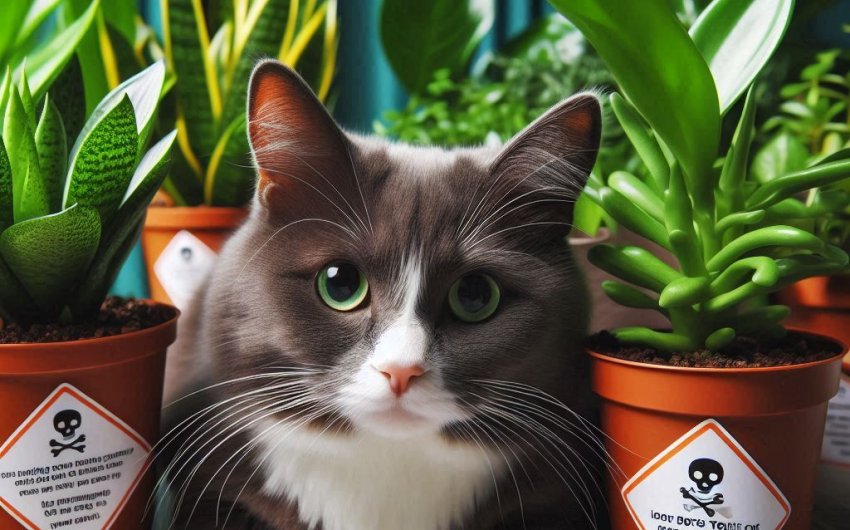
Ensuring a safe indoor environment for feline companions means meticulously avoiding toxic houseplants for cats, which can pose significant health risks ranging from mild irritation to life-threatening emergencies. Cats, with their innate curiosity and tendency to mouth or chew on new textures, are particularly vulnerable to harmful foliage. This comprehensive guide highlights common poisonous plants to steer clear of, empowering cat owners to cultivate a beautiful, yet entirely safe, green oasis within their homes.
Why are cats so attracted to plants, and why are some toxic?
Cats are enigmatic creatures, and their fascination with houseplants often leaves owners bewildered. Understanding the underlying reasons for this attraction, alongside the mechanisms of plant toxicity, is crucial for protecting your feline friends from toxic houseplants for cats.
Why Cats are Attracted to Plants:
Natural Instinct and Curiosity:
- Exploration: Cats are naturally curious and explore their environment with all their senses, including taste and touch. A new plant, with its novel texture, smell, and movement, is an enticing object to investigate.
- Play and Stimulation: Dangling leaves, swaying stems, and rustling foliage can mimic prey, triggering a cat's predatory instincts. A potted plant can become an impromptu toy for swatting, pouncing, and batting.
- Marking Territory: While less common than scratching furniture, some cats may chew on plants as a way to mark their territory or simply for oral stimulation.
Fiber and Digestion Aid:
- Cats are obligate carnivores, meaning their primary diet consists of meat. However, in the wild, they often ingest small amounts of plant matter from the stomach contents of their prey, or by eating grasses.
- Hairball Management: Chewing on plants can provide fiber that aids in digestion and helps them regurgitate indigestible material like hairballs. This is why many cat owners provide "cat grass."
- Nutritional Gaps (Rare): While commercially prepared cat foods are nutritionally complete, some cats might instinctively seek out certain vitamins or minerals believed to be in plants, though this is less scientifically proven for houseplants.
Stress, Boredom, or Anxiety:
- If a cat is bored, stressed, or anxious, chewing on plants can become a coping mechanism, much like a human might fidget or bite their nails.
- A lack of environmental enrichment (toys, scratching posts, playtime) can lead to destructive behaviors, including plant chewing.
Taste and Texture:
Advertisement- Some cats simply enjoy the taste or texture of certain leaves. Soft, fleshy leaves might be appealing to some, while others prefer something stringy to chew on.
Why Some Plants are Toxic to Cats:
Plant toxicity is a defense mechanism evolved over millions of years to protect plants from being eaten by herbivores. These defenses come in various forms:
Chemical Compounds: Plants produce a vast array of complex organic compounds called secondary metabolites. Many of these have biological activity and can be toxic when ingested by animals that haven't evolved to neutralize them.
- Calcium Oxalates (Insoluble): This is one of the most common toxins in popular houseplants (e.g., Peace Lily, Pothos, Dieffenbachia). These plants contain microscopic, needle-shaped crystals of calcium oxalate. When a cat chews on the plant, these crystals are released and embed themselves in the mucous membranes of the mouth and throat.
- Symptoms: Immediate, intense burning and irritation of the mouth, tongue, and lips; excessive drooling; pawing at the mouth; vomiting; difficulty swallowing. While painful, serious systemic effects are rare unless a very large quantity is ingested and swelling blocks the airway.
- Saponins: Glycosides that produce a soap-like foam. Found in plants like Aloe Vera and Snake Plant.
- Symptoms: Primarily gastrointestinal upset (vomiting, diarrhea), lethargy.
- Glycosides: A broad class of compounds, including cardiac glycosides (e.g., Kalanchoe, Oleander, Foxglove) that can affect heart function, and cyanogenic glycosides (e.g., Cherry Laurel, some Hydrangeas) that release cyanide when broken down. These are often highly dangerous.
- Alkaloids: Nitrogen-containing compounds with potent physiological effects, often on the nervous system. Found in plants like Daffodils (especially bulbs).
- Triterpenoids: Complex organic molecules found in Sago Palms (cycasin).
- Calcium Oxalates (Insoluble): This is one of the most common toxins in popular houseplants (e.g., Peace Lily, Pothos, Dieffenbachia). These plants contain microscopic, needle-shaped crystals of calcium oxalate. When a cat chews on the plant, these crystals are released and embed themselves in the mucous membranes of the mouth and throat.
Concentration of Toxins: The level of toxicity can vary within different parts of the plant (e.g., bulbs are often more toxic than leaves, seeds more than pulp) and depending on the plant's age or growing conditions. The amount ingested also plays a crucial role in the severity of symptoms.
Unique Cat Physiology: Cats have a different metabolism than humans or dogs. Their livers, in particular, lack certain enzymes needed to break down specific compounds. This makes them uniquely susceptible to certain toxins that might be harmless or less harmful to other species (e.g., the extreme toxicity of true lilies to cats).
Understanding these attractions and toxic mechanisms reinforces the paramount importance of identifying and avoiding toxic houseplants for cats to ensure their safety and well-being.
Which common houseplants are highly toxic and should be avoided at all costs?
When it comes to the safety of your feline friends, certain houseplants pose a significant threat and must be kept out of any cat-owning household. These plants contain potent toxins that can cause severe illness, organ damage, or even be fatal upon ingestion, even in small amounts. This list highlights some of the most dangerous toxic houseplants for cats that you should absolutely avoid.
Critical Dangers: Plants to Eliminate from Your Home
All Lilies (True Lilies and Daylilies - Lilium spp. & Hemerocallis spp.):
- The Absolute Worst: This is arguably the most dangerous plant for cats. Even a tiny ingestion (licking pollen from their fur, chewing on a single leaf or flower petal, or even drinking water from a vase containing lilies) can cause acute kidney failure that is often irreversible and fatal without immediate, aggressive veterinary intervention.
- Types: Easter Lily, Tiger Lily, Asiatic Lily, Japanese Show Lily, Stargazer Lily, Rubrum Lily, Wood Lily, and Daylilies. Peace Lilies and Calla Lilies (Araceae family) are different and cause oral irritation, not kidney failure, but are still best avoided.
- Symptoms: Vomiting, lethargy, anorexia, increased urination (early sign of kidney damage), followed by decreased urination or no urination as kidney failure progresses.
- Action: If you suspect any ingestion, seek emergency veterinary care immediately. Time is critical.
Sago Palm / Cycad Palms (Cycas revoluta and similar species):
- Highly Toxic: All parts of the plant are poisonous, but the seeds (nuts) are particularly deadly. Contains cycasin, a potent neurotoxin and hepatotoxin (liver toxin).
- Symptoms: Vomiting, bloody diarrhea, liver failure, lethargy, jaundice (yellow skin/eyes), increased thirst, bruising, seizures, and death.
- Action: Immediate and aggressive veterinary treatment is essential.
Oleander (Nerium oleander):
- Extremely Toxic: Contains cardiac glycosides that affect heart function.
- Symptoms: Severe gastrointestinal upset (vomiting, bloody diarrhea), lethargy, tremors, cardiac abnormalities (irregular heart rate, collapse), and death.
- Action: Extremely dangerous; seek immediate emergency veterinary care. Often grown outdoors but can be brought inside.
Kalanchoe (Kalanchoe blossfeldiana and other Kalanchoe species):
- Toxic: Contains cardiac glycosides.
- Symptoms: Vomiting, diarrhea. Large ingestions can cause abnormal heart rhythms, weakness, and collapse.
- Action: Seek veterinary attention if ingestion is suspected.
Autumn Crocus (Colchicum autumnale - not to be confused with Spring Crocus, which is less toxic):
- Highly Toxic: Contains colchicine, which is highly poisonous.
- Symptoms: Severe gastrointestinal upset (vomiting, bloody diarrhea), bone marrow suppression, respiratory distress, kidney and liver damage, seizures, and death.
- Action: Extremely dangerous; immediate emergency veterinary care is critical.
Castor Bean (Ricinus communis):
- Extremely Toxic: Contains ricin, one of the most potent plant toxins known, especially in the seeds.
- Symptoms: Severe gastrointestinal irritation (abdominal pain, vomiting, bloody diarrhea), excessive thirst, weakness, tremors, convulsions, kidney damage, liver damage, and death.
- Action: Very dangerous; immediate emergency veterinary care is crucial. (Often grown outdoors or in large containers as annuals.)
Plants with Severe Oral/GI Irritation (Still Avoid if Possible):
While generally not fatal, these plants cause very distressing symptoms due to insoluble calcium oxalate crystals. Their popularity makes them common risks.
Dieffenbachia (Dumb Cane) (Dieffenbachia spp.):
- Very Severe Irritation: Known for causing intense burning, pain, and swelling of the mouth, tongue, and throat. This swelling can, in rare severe cases, impede breathing. Excessive drooling and vomiting are common.
- Action: Rinse mouth immediately if possible; seek vet care, especially if swelling is present or persistent symptoms.
ZZ Plant (Zamioculcas zamiifolia):
- Irritation: Contains calcium oxalates. Causes oral irritation, drooling, vomiting.
- Action: Monitor for symptoms; vet consultation if symptoms are severe or persistent.
Important Note:
- Symptoms Vary: The severity of symptoms depends on the plant species, the amount ingested, the specific cat, and individual sensitivity.
- Always Call a Vet: If you suspect your cat has ingested any toxic plant, do not wait for symptoms. Call your veterinarian or a pet poison control center immediately. Having the plant identified is the best way to get targeted advice.
- Prevention is Best: The safest approach is to simply keep these toxic houseplants for cats out of your home entirely.
| Highly Toxic Plant | Key Danger & Symptoms (Cats) | Avoidance Status |
|---|---|---|
| All True Lilies (Lilium spp. & Hemerocallis spp.) | Kidney Failure (Fatal); Vomiting, lethargy, increased/decreased urination | ABSOLUTELY AVOID |
| Sago Palm (Cycas revoluta) | Liver Failure (Fatal); Vomiting, diarrhea, lethargy, seizures | ABSOLUTELY AVOID |
| Oleander (Nerium oleander) | Cardiac Irregularities (Fatal); Severe GI, tremors, collapse | ABSOLUTELY AVOID |
| Kalanchoe (Kalanchoe spp.) | GI upset, possible heart issues (larger doses) | High Risk |
| Autumn Crocus (Colchicum autumnale) | Severe GI, bone marrow suppression, organ damage, death | ABSOLUTELY AVOID |
| Castor Bean (Ricinus communis) | Severe GI, organ damage, death | ABSOLUTELY AVOID |
| Dieffenbachia (Dieffenbachia spp.) | Severe oral pain/swelling (possible breathing difficulty) | High Risk |
| ZZ Plant (Zamioculcas zamiifolia) | Oral irritation, drooling, vomiting | Avoid if possible |
Being aware of these potentially deadly plants is the most crucial step in ensuring your home remains a safe haven for your beloved feline companion.
What common houseplants cause moderate to mild toxicity in cats?
While not as immediately life-threatening as the "highly toxic" category, many common houseplants can still cause moderate to mild illness in cats if ingested. These plants might lead to unpleasant symptoms like gastrointestinal upset, skin irritation, or other discomforts. While it's best to avoid these if your cat is a known plant chewer, some owners choose to keep them by ensuring they are completely out of reach. This list details more toxic houseplants for cats that cause moderate to mild reactions.
Plants Causing Moderate to Mild Symptoms:
Pothos (Epipremnum aureum), Philodendron (Philodendron spp.), and most other Aroids (plants in the Araceae family):
- Mechanism: Contain insoluble calcium oxalates (needle-like crystals).
- Symptoms: Oral irritation, burning sensation, drooling, pawing at the mouth, vomiting. The irritation often causes pets to stop chewing before ingesting a large amount.
- Common Aroids: Many popular plants fall into this family, including Monstera, Syngonium (Arrowhead Vine), Peace Lily, Calla Lily, Chinese Evergreen (Aglaonema), Dumb Cane (Dieffenbachia – more severe due to higher concentration), Anthurium, ZZ Plant.
- Action: Typically causes discomfort rather than systemic poisoning. Offer water or milk to soothe the mouth. Monitor. If symptoms are severe or persistent, contact your vet.
Aloe Vera (Aloe barbadensis miller):
- Mechanism: Contains saponins and anthraquinone glycosides in the latex (the green skin/outer part of the leaf, not the clear gel).
- Symptoms: Vomiting, diarrhea, lethargy.
- Action: The risk is usually mild GI upset. Monitor.
Snake Plant (Mother-in-Law's Tongue) (Sansevieria trifasciata):
- Mechanism: Contains saponins.
- Symptoms: Mild to moderate gastrointestinal upset (nausea, vomiting, diarrhea).
- Action: Monitor. Usually not severe.
Jade Plant (Crassula ovata and other Crassula species):
- Mechanism: Unknown toxic principle.
- Symptoms: Vomiting, lethargy, depression, incoordination. Symptoms are generally mild to moderate.
- Action: Monitor.
Asparagus Fern (Asparagus setaceus - despite the name, it's not a true fern and is related to asparagus):
- Mechanism: Contains sapogenin.
- Symptoms: Vomiting, diarrhea, abdominal pain, skin irritation/dermatitis with repeated exposure to the berries.
- Action: Monitor for GI symptoms. For skin irritation, rinse well.
Dracaena species (Dracaena fragrans (Corn Plant), Dracaena marginata (Dragon Tree), Dracaena deremensis etc.):
- Mechanism: Contains saponins.
- Symptoms: Vomiting (sometimes with blood), anorexia, depression, hypersalivation (excessive drooling), dilated pupils (especially in cats).
- Action: Monitor. Symptoms usually resolve.
Ficus species (Ficus benjamina (Weeping Fig), Ficus elastica (Rubber Plant), Ficus lyrata (Fiddle-Leaf Fig), etc.):
- Mechanism: Contains an irritating sap (ficin) that can cause dermal and gastrointestinal irritation.
- Symptoms: Oral irritation, drooling, vomiting, diarrhea. Skin irritation (dermatitis) upon contact with sap.
- Action: Wash off sap. Monitor for GI symptoms.
Hoya (Wax Plant) (Hoya carnosa):
- Mechanism: Unknown, but often listed as causing mild GI upset.
- Symptoms: Vomiting, diarrhea.
- Action: Monitor.
Cyclamen (Cyclamen persicum):
- Mechanism: Contains saponins, highly concentrated in the tubers/roots.
- Symptoms: Vomiting, diarrhea. Ingesting large amounts of the tuber can cause heart rhythm abnormalities, seizures, and death.
- Action: Seek veterinary attention if tuber ingestion is suspected.
Geraniums (Pelargonium spp.):
- Mechanism: Unknown toxic compounds.
- Symptoms: Vomiting, anorexia, depression, skin irritation.
- Action: Monitor.
Table of Moderate to Mild Toxic Plants:
| Plant Name | Common Name | Key Toxin & Symptoms (Cats) | Avoidance Status |
|---|---|---|---|
| Epipremnum aureum | Pothos (Devil's Ivy) | Calcium Oxalates: Oral irritation, drooling, vomiting | Avoid/Out of Reach |
| Philodendron spp. | Philodendron | Calcium Oxalates: Oral irritation, drooling, vomiting | Avoid/Out of Reach |
| Aloe barbadensis miller | Aloe Vera | Saponins: Vomiting, diarrhea, lethargy | Moderate Risk |
| Sansevieria trifasciata | Snake Plant | Saponins: Vomiting, diarrhea | Moderate Risk |
| Crassula ovata | Jade Plant | Unknown: Vomiting, lethargy, incoordination | Moderate Risk |
| Asparagus setaceus | Asparagus Fern | Sapogenin: Vomiting, diarrhea, skin irritation | Moderate Risk |
| Dracaena spp. | Dracaena (Corn Plant, Dragon Tree) | Saponins: Vomiting (sometimes bloody), depression, dilated pupils | Moderate Risk |
| Ficus spp. | Ficus (Weeping Fig, Rubber Plant, Fiddle-Leaf Fig) | Irritating Sap: Oral irritation, drooling, vomiting, dermatitis | Moderate Risk |
| Hoya carnosa | Hoya (Wax Plant) | Unknown: Vomiting, diarrhea | Low Risk |
| Cyclamen persicum | Cyclamen | Saponins (especially in tuber): GI upset, serious cardiac effects with large dose | High Risk |
| Pelargonium spp. | Geranium | Unknown: Vomiting, anorexia, dermatitis | Moderate Risk |
For the absolute safest environment, it is best to completely avoid all toxic houseplants for cats from this list. If you choose to keep any, ensure they are placed where there is absolutely no possibility of your cat reaching them, chewing on them, or even knocking them over.
How can I create a safe and harmonious plant environment for my cats?
Integrating a love for plants with the responsibility of pet ownership requires thoughtful planning and proactive measures. Creating a safe and harmonious environment means not only choosing pet-friendly houseplants but also implementing strategies to deter your feline friends from even interacting with any plant (toxic or not) in undesirable ways.
1. Prioritize Safe Plant Selection
This is the cornerstone of a pet-safe home.
- Research Thoroughly: Before purchasing any new plant, verify its toxicity status. Consult reliable sources like the ASPCA Animal Poison Control Center or Pet Poison Helpline. Do not rely solely on store labels or general advice.
- Opt for Non-Toxic: Build your collection primarily with plants known to be entirely non-toxic to cats (refer to the list of safe plants).
- "When in Doubt, Leave it Out": If you cannot definitively confirm a plant's safety, it's best to err on the side of caution and avoid bringing it into your home.
2. Strategic Placement of Plants
Even non-toxic plants can be messy if chewed, or cats might knock them over. Placement is key for prevention.
- Out of Reach: Utilize high shelves, hanging baskets, and tall, sturdy plant stands that are genuinely inaccessible to your cat. Remember cats are excellent climbers and jumpers!
- Enclosed Spaces: Consider placing plants in rooms that are off-limits to your cat, or within glass display cabinets, terrariums, or secure plant enclosures.
- Avoid Ledges/Window Sills (if accessible): If your cat regularly uses window sills or shelves, avoid placing plants there unless they are heavily secured or very small and hardy.
3. Deterrents for Curious Cats
These strategies can make plants less appealing targets.
- Physical Barriers in Pots:
- Pebbles/Stones: Cover the topsoil with a layer of large, smooth river rocks or decorative stones. This makes digging uncomfortable. Ensure they are too big for your cat to swallow.
- Pine Cones/Prickly Mulch: A layer of pine cones or sharp, uncomfortable bark can deter paws from digging.
- Foil or Mesh: Place a layer of aluminum foil or cut a piece of wire mesh to fit over the topsoil. Cats generally dislike the texture or sound of foil.
- Unpleasant Scents (with caution):
- Citrus: Cats generally dislike citrus scents. Place orange, lemon, or grapefruit peels on the topsoil (replace frequently).
- Deterrent Sprays: Use a commercial cat deterrent spray designed for plants (e.g., bitter apple spray). Always test on a small leaf area first and ensure it's safe for plants and pets.
- Cinnamon/Coffee Grounds: Some cats dislike the smell of ground cinnamon or used coffee grounds sprinkled sparingly on the soil (replace after watering).
4. Provide Acceptable Alternatives
Redirecting a cat's natural instincts to appropriate outlets is crucial.
- Cat Grass: Offer a designated pot of cat grass (oats, wheatgrass, barley grass). This provides a safe and appealing plant for them to chew on, often satisfying their craving for greenery.
- Engaging Toys: Ensure your cat has plenty of interesting toys to play with, especially those that mimic prey. Rotate toys regularly to prevent boredom.
- Scratching Posts: Provide vertical and horizontal scratching posts or cardboard scratchers. This can redirect destructive behaviors away from plants.
- More Playtime: Regular, interactive play sessions with your cat can reduce boredom and anxiety, making them less likely to seek out plants for entertainment.
5. Training and Supervision
- "No" Command/Redirection: When you catch your cat interacting with a plant, firmly say "no" or clap your hands to startle them (without scaring them). Immediately redirect their attention to an appropriate toy or scratching post, and praise them when they use the alternative.
- Consistency: All household members must be consistent with training and rules.
- Supervision for New Plants/Pets: Closely supervise interactions when introducing new plants or if you have a new kitten until you understand their behavior around greenery.
By combining the deliberate choice of pet-friendly houseplants with these preventative and training strategies, you can cultivate a beautiful and worry-free home that happily accommodates both your passion for plants and the safety and well-being of your cherished feline companions.