
Comprehensive House Plant Guide: Care Tips and Inspiration
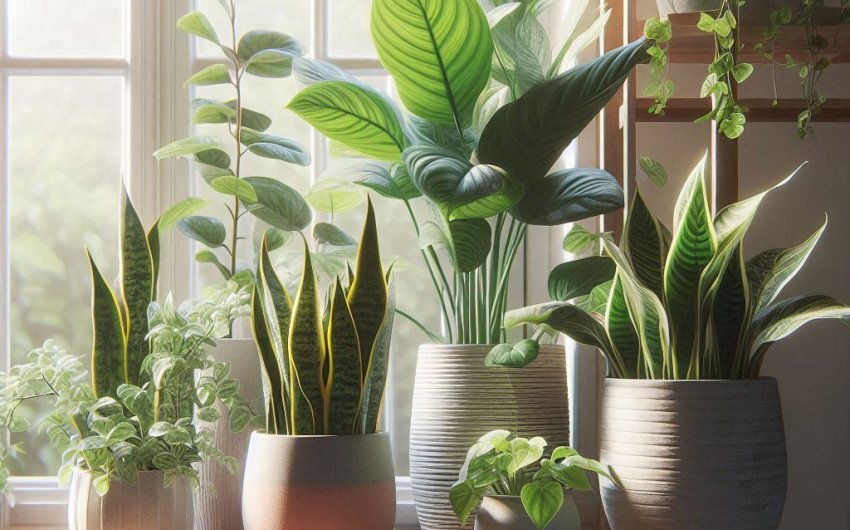
Bringing the beauty and serenity of nature indoors enriches any living space, and cultivating a thriving collection of potted greenery is a deeply rewarding endeavor. This comprehensive house plant guide provides essential care tips and inspiration to help both novices and seasoned enthusiasts nurture their indoor foliage, ensuring vibrant growth and enduring beauty in every corner of your home. From understanding basic needs to creative display ideas, discover how to make your indoor garden flourish.
Why Should You Cultivate House Plants?
More than just decorative elements, house plants offer a myriad of benefits that extend beyond aesthetics, contributing to a healthier environment and an improved sense of well-being. Their presence transforms living spaces into calming, natural havens, connecting us with the outdoors even when confined indoors. The act of caring for them can also be a deeply therapeutic and fulfilling experience.
What are the Benefits of Having House Plants?
The advantages of incorporating house plants into your home are extensive, impacting air quality, mental health, and even productivity.
- Improved Air Quality:
- Removes Toxins: Plants naturally filter common indoor air pollutants like formaldehyde, benzene, xylene, and trichloroethylene, which can off-gas from furniture, carpets, and cleaning products. The leaves absorb these toxins, and the root system converts them into nutrients.
- Increases Oxygen: Through photosynthesis, plants convert carbon dioxide into oxygen, subtly increasing oxygen levels in your home.
- Boosts Humidity: As plants release water vapor during transpiration, they can help increase indoor humidity, which is especially beneficial in dry climates or during winter months when heating systems dry out the air. This can alleviate dry skin, irritated throats, and respiratory issues.
- Enhanced Mental Well-being:
- Reduces Stress and Anxiety: Studies show that interacting with plants can lower cortisol levels (stress hormone), reduce blood pressure, and promote feelings of calmness.
- Boosts Mood: The presence of nature has a positive impact on mood, combating feelings of depression and loneliness.
- Increases Focus and Productivity: Being surrounded by plants can improve concentration, memory retention, and creativity. This makes them ideal for home offices or study areas.
- Therapeutic Hobby: The act of nurturing plants provides a sense of purpose, accomplishment, and a connection to nature, offering a mindful escape from daily stressors.
- Aesthetic Appeal:
- Adds Beauty and Life: Plants bring natural color, texture, and organic forms into interior design, making spaces feel more inviting and alive.
- Softens Edges: They can soften the harsh lines of furniture and architecture, creating a more harmonious environment.
- Creates Visual Interest: With a vast array of leaf shapes, colors, and growth habits, plants can be used to create stunning focal points or subtle backdrops.
- Noise Reduction: Leaves and branches can help absorb and deflect sound, subtly reducing ambient noise in a room.
- Connection to Nature: For those in urban environments or with limited outdoor access, house plants provide a vital link to the natural world.
What are the Challenges of House Plant Care?
While rewarding, caring for house plants isn't without its hurdles. Understanding common challenges helps prepare you for success.
- Overwatering/Underwatering: The most common causes of house plant demise. It's a delicate balance to provide enough moisture without suffocating roots or letting the plant dehydrate.
- Pests: Indoor environments can still attract common pests like spider mites, mealybugs, and fungus gnats, which can quickly spread if not addressed.
- Lighting Issues: Matching the plant's light needs to your home's available light can be tricky, leading to leggy growth (too little light) or scorched leaves (too much light).
- Humidity: Many tropical plants thrive in higher humidity than typical indoor environments provide, leading to brown leaf tips or crispy edges.
- Nutrient Deficiencies: Over time, potting soil loses its nutrients, requiring regular fertilization to sustain healthy growth.
- Repotting: Knowing when and how to repot, and selecting the right pot size and soil, can be daunting.
- Temperature Fluctuations: Drafts, proximity to heating/cooling vents, or extreme indoor temperatures can stress plants.
What are the Fundamental Needs of House Plants?
Every thriving house plant is a testament to understanding and meeting its basic needs. While specific requirements vary by species, mastering the universal principles of light, water, soil, and humidity forms the backbone of successful indoor gardening.
Light: The Energy Source
Light is arguably the most crucial factor for house plant health, as it's the energy source for photosynthesis.
- Understanding Light Levels:
- Direct Sun: Unfiltered sunlight directly hitting the plant for 6+ hours per day (e.g., south-facing window). Suitable for cacti, succulents, and some flowering plants.
- Bright, Indirect Light: Bright light but not direct sun hitting the leaves (e.g., near a south-facing window but set back a few feet, or an east/west-facing window). Ideal for most tropical foliage plants like Pothos, Philodendron, Fiddle Leaf Fig.
- Medium Light: Room is bright but plant is further from a window, or near a north-facing window. Tolerated by Snake Plant, ZZ Plant, some Dracaenas.
- Low Light: Limited natural light, often a corner far from a window. Very few plants truly thrive here; most simply survive or slowly decline. Consider ZZ Plant or Cast Iron Plant.
- Symptoms of Incorrect Light:
- Too Little Light: Leggy growth, small leaves, faded variegation, yellowing and dropping lower leaves, lack of flowering.
- Too Much Light/Sunburn: Brown, crispy spots on leaves, bleached or faded leaf color, scorched areas.
- Rotation: Rotate your plants every few weeks to ensure all sides receive adequate light, promoting even growth.
- Supplemental Lighting: If natural light is insufficient, consider a grow light to provide the necessary spectrum for healthy growth, especially in winter.
Water: The Lifeblood
Proper watering is critical, and overwatering is the most common killer of house plants.
- The "Soak and Dry" Method: The golden rule for most house plants.
- Soak: Water thoroughly until water drains from the bottom of the pot. This ensures the entire root ball is saturated.
- Dry: Allow the soil to completely dry out (or dry out to a specific depth, depending on the plant) before watering again.
- How to Check Moisture:
- Finger Test: Stick your finger 1-2 inches deep (or deeper for large pots) into the soil. If it feels dry, it's time to water.
- Moisture Meter: A soil moisture meter provides a more accurate reading.
- Weight Test: Lift the pot. When it feels significantly lighter than when freshly watered, it's dry.
- Water Type: Most tap water is fine, but if yours is heavily chlorinated, let it sit out for 24 hours to allow chlorine to dissipate. Some sensitive plants (e.g., Calatheas) prefer distilled or rainwater.
- Drainage: Always use pots with drainage holes. Never let your plant sit in standing water. A plant saucer collects excess water.
Soil: The Foundation
The right potting mix provides aeration, drainage, and nutrient retention.
- Potting Mix vs. Garden Soil: Never use garden soil in pots, as it compacts too easily and can introduce pests and diseases. Always use a high-quality indoor potting mix.
- Components of Good Potting Mix: Typically contains peat moss or coco coir (for moisture retention), perlite or vermiculite (for aeration and drainage), and sometimes a starter fertilizer.
- Specialized Mixes: Some plants have specific needs:
- Succulents/Cacti: Need a very fast-draining cactus and succulent potting mix.
- Orchids: Require a coarse, bark-based orchid potting mix.
- Aroids (Pothos, Philodendron, Monstera): Benefit from added chunky bark, perlite, or coco coir for aeration.
Humidity: The Moisture in the Air
Many popular house plants are tropical and thrive in higher humidity than typical homes provide.
- Symptoms of Low Humidity: Brown, crispy leaf edges or tips, wilting despite adequate watering.
- How to Increase Humidity:
- Pebble Trays: Place a pebble tray filled with water and pebbles under the plant (ensure the pot sits on the pebbles, not in the water). As the water evaporates, it increases humidity around the plant.
- Misting: Lightly misting the leaves with a plant mister can provide temporary humidity, though its effect is short-lived. Some plants don't like getting their leaves wet.
- Humidifier: For serious humidity lovers or multiple plants, a room humidifier is the most effective solution.
- Grouping Plants: Grouping plants together creates a microclimate of higher humidity as they transpire.
Temperature and Air Circulation
Consistency in temperature and good airflow are important.
- Ideal Temperature: Most house plants prefer temperatures between 65-80°F (18-27°C). Avoid sudden drops or drafts.
- Avoid Vents: Keep plants away from heating and cooling vents, as the direct airflow can dry out leaves quickly.
- Airflow: Good air circulation helps prevent fungal diseases. A gentle breeze from an open window or a small fan can be beneficial.
How Do You Care for Your House Plants Seasonally?
House plants respond to the changing seasons, just like outdoor plants. Adjusting your care routine throughout the year ensures they receive optimal conditions for growth and rest.
Spring: Growth and Repotting
Spring is typically the most active growth period for most house plants.
- Increase Watering: As light levels increase and plants begin active growth, they will require more frequent watering. Check soil moisture more often.
- Begin Fertilizing: Start a regular fertilization schedule. Use a balanced liquid houseplant fertilizer at half strength every 2-4 weeks, or incorporate a slow-release granular fertilizer.
- Repotting: This is the best time to repot any root-bound plants into a larger container (1-2 inches larger in diameter) with fresh potting mix. This gives roots room to grow.
- Pruning and Shaping: Trim back leggy growth, remove dead or yellowing leaves, and prune for shape. This encourages bushier growth. Use sharp pruning snips.
- Pest Check: Give all plants a thorough inspection for any lingering pests after winter.
Summer: Peak Growth and Potential Stress
Summer brings intense light and heat, requiring vigilant care.
- Frequent Watering: Your plants will need the most water during summer. Check soil daily for some plants.
- Consistent Fertilization: Continue regular feeding to support active growth.
- Humidity: Maintain humidity levels, especially if air conditioning is drying out the air.
- Outdoor Time (Optional): If moving plants outdoors, gradually acclimatize them to direct sun to prevent scorch. Remember they'll dry out even faster outdoors.
- Monitor for Pests: Increased temperatures can accelerate pest lifecycles, so monitor closely.
- Rotate Plants: Continue rotating plants to ensure even growth.
Fall: Slowing Down and Preparing for Winter
As days shorten and temperatures drop, house plants begin to slow their growth.
- Reduce Watering: Gradually decrease watering frequency as plants go into semi-dormancy. Allow the soil to dry out more completely between waterings.
- Reduce Fertilization: Scale back or stop fertilizing as growth slows.
- Bring Indoors: If your plants were outside, bring them indoors before nighttime temperatures consistently drop below 50°F (10°C). Inspect thoroughly for pests before bringing them in.
- Clean Leaves: Wipe down leaves to remove dust and prepare them for lower light conditions indoors. A microfiber plant cloth can be helpful.
Winter: Dormancy and Minimal Care
Winter is a period of rest for most house plants due to lower light and cooler temperatures.
- Minimal Watering: This is when overwatering is most common. Water very sparingly, allowing soil to dry out almost completely between waterings.
- No Fertilization: Do not fertilize during winter dormancy.
- Increase Light: Maximize available natural light by moving plants closer to windows (if not drafty). Consider supplemental grow lights if light is very low.
- Maintain Humidity: Winter heating can make indoor air very dry. Continue humidity-boosting efforts.
- Monitor for Pests: Dry winter air can make plants more susceptible to spider mites.
- Avoid Drafts: Keep plants away from cold windows, doors, and heating vents.
How Do You Address Common House Plant Problems?
Even with the best intentions, house plants can encounter issues. Knowing how to diagnose and address common problems will help you keep your plants healthy and thriving.
Yellowing Leaves
Yellowing leaves are a common symptom with multiple potential causes.
- Overwatering: If leaves are yellow and mushy, and the soil is wet, it's likely overwatering.
- Solution: Allow soil to dry out completely, check drainage, repot if root rot is suspected.
- Underwatering: If leaves are yellow, crispy, and the soil is bone dry, it's underwatering.
- Solution: Water thoroughly until it drains, and consider more frequent watering.
- Nutrient Deficiency: If yellowing is widespread (especially older leaves), it could be a lack of nutrients.
- Solution: Begin a balanced fertilization schedule during the growing season.
- Too Little Light: Yellowing, especially accompanied by leggy growth.
- Solution: Move plant to a brighter location.
- Natural Aging: Oldest leaves at the bottom will naturally yellow and drop. This is normal.
Brown Tips or Edges
Crispy brown edges or tips often indicate humidity or watering issues.
- Low Humidity: Most common cause for tropical plants.
- Solution: Increase humidity with pebble trays, grouping, or a humidifier.
- Underwatering: Plant isn't getting enough moisture.
- Solution: Water more consistently and deeply.
- Fluoride/Chlorine in Water: Some sensitive plants react to chemicals in tap water.
- Solution: Use filtered, distilled, or rainwater.
- Mineral Buildup: Salts from fertilizer or hard water accumulate.
- Solution: Flush soil periodically by slowly watering with plain water until a significant amount drains through.
Drooping or Wilting Leaves
A plant's way of telling you it's stressed.
- Underwatering: If soil is dry and leaves are limp, it's thirsty.
- Solution: Water immediately and thoroughly.
- Overwatering: If soil is soggy and leaves are limp/mushy (often accompanied by yellowing), roots are suffocating. Solution: Treat for root rot (see previous section).
- Temperature Stress: Sudden cold drafts or extreme heat.
- Solution: Move plant to a more stable temperature environment.
Pests (Common Indoor Pests)
Regular inspection is key to early detection and management.
- Fungus Gnats: Small black flies hovering around the soil, usually a sign of consistently wet soil.
- Solution: Let soil dry out more between waterings. Use yellow sticky traps for adults, and consider beneficial nematodes or a hydrogen peroxide drench for larvae.
- Spider Mites: Tiny, almost invisible pests that cause stippling (tiny dots) on leaves and sometimes fine webbing. Thrive in dry conditions.
- Solution: Increase humidity. Spray plants thoroughly with neem oil spray or insecticidal soap, especially the undersides of leaves.
- Mealybugs: Small, white, cottony masses, usually in leaf axils or undersides of leaves.
- Solution: Dab directly with a cotton swab dipped in rubbing alcohol. For severe infestations, use insecticidal soap or neem oil.
- Scale: Small, immobile, brown or black bumps on stems and leaves.
- Solution: Scrape off manually or dab with rubbing alcohol. Treat with neem oil or insecticidal soap.
Slow Growth or Stunted Growth
- Lack of Nutrients: Most common cause.
- Solution: Begin regular fertilization during the growing season.
- Insufficient Light: Plant isn't getting enough energy to grow.
- Solution: Move to a brighter spot or use a grow light.
- Root-bound: Roots have filled the pot and are circling, leaving no room for new growth.
- Solution: Repot into a slightly larger container.
How Can You Get Creative with House Plant Display and Styling?
Beyond basic care, the way you display your house plants can dramatically transform your living space, turning them from simple decorations into living art. Thoughtful placement and creative arrangements enhance both the plants' appeal and your home's aesthetic.
Grouping Plants for Impact
Creating clusters of plants adds lushness and visual interest.
- Varying Heights and Textures: Combine plants of different heights, leaf sizes, and textures to create dynamic arrangements. A tall Fiddle Leaf Fig as a "thriller," surrounded by a bushy Monstera deliciosa as a "filler," and a trailing Pothos as a "spiller" can create a mini indoor jungle.
- Themed Groupings: Create themes like "tropical oasis," "desert garden," or "meditative zen corner" using plants with similar needs or aesthetics.
- Humidity Boost: Grouping plants together naturally increases the local humidity around them, which is beneficial for many tropical varieties.
Creative Containers and Stands
The pot itself is part of the display. Don't be afraid to experiment beyond basic terracotta.
- Decorative Pots: Choose plant pots that complement your interior design style—ceramic, concrete, woven baskets, or unique vintage finds. Always ensure they have drainage holes or use a cachepot (decorative outer pot) with an inner nursery pot.
- Plant Stands: Elevate plants to different levels using plant stands of varying heights. This adds dimension and helps plants receive adequate light.
- Hanging Planters: Utilize vertical space with macrame plant hangers, wall-mounted planters, or suspended shelves. This is ideal for trailing plants like String of Pearls or Hoyas.
- Terrariums: Create enclosed mini-ecosystems in glass terrariums for small, humidity-loving plants like ferns or mosses.
Vertical Gardening and Living Walls
Maximize greenery in small spaces by going vertical.
- Wall Planters: Install modular wall planters or vertical garden systems that allow you to grow multiple plants on a wall, creating a stunning living art piece.
- Shelving Units: Dedicated plant shelving units provide ample space for a large collection, especially beneficial near windows.
Incorporating Accessories
Small details can make a big difference in a plant display.
- Top Dressing: Cover the soil surface with decorative pebbles, river stones, or moss for a clean, finished look.
- Stakes and Trellises: Provide support for climbing plants like Pothos, Philodendron, or Monstera using moss poles, bamboo stakes, or small trellises. This encourages upward growth and larger leaves.
- Lighting: Accent lighting (e.g., small LED spotlights) can highlight plants and create dramatic shadows in the evening.
Successfully nurturing a diverse collection of indoor greenery transforms your living environment into a vibrant, breathable sanctuary. With these comprehensive house plant guide care tips and inspiration, you're well-equipped to cultivate flourishing botanical companions that not only thrive but also elevate the beauty and tranquility of your home.