
Low-Maintenance Houseplants: Perfect for Busy Lifestyles
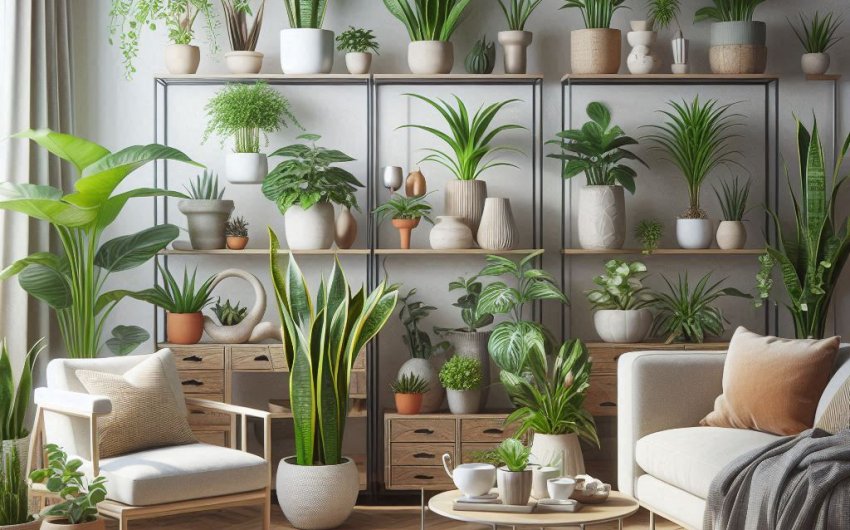
Dreaming of bringing the calming beauty of nature indoors but worried about your packed schedule? You're not alone. Many aspiring plant parents find themselves short on time, leading to neglected greenery and plant parent guilt. The good news is, you don't need a green thumb or hours of dedicated plant care to enjoy vibrant indoor plants. There's a fantastic world of low-maintenance houseplants perfect for busy lifestyles. These resilient beauties thrive on minimal attention, making them ideal companions for hectic schedules, frequent travelers, or anyone who simply wants the joy of plants without the fuss. Let's discover how easy it can be to cultivate your indoor jungle!
Why Choose Low-Maintenance Houseplants?
Opting for low-maintenance houseplants isn't just about saving time; it's about setting yourself up for success and enjoying the many benefits plants bring, without the stress.
What Makes a Houseplant "Low-Maintenance"?
A truly "low-maintenance" houseplant embodies several key characteristics:
- Forgiveness Factor: They can tolerate a missed watering, fluctuating temperatures, or less-than-ideal light conditions without throwing a dramatic fit.
- Infrequent Watering Needs: Often, these plants prefer their soil to dry out between waterings, reducing the frequency of attention. Some can even go weeks without water.
- Tolerance to Varied Light: While they have preferences, many thrive in a range of light conditions, from bright indirect to lower light, making placement easier.
- Pest Resistance: They're generally less susceptible to common houseplant pests, saving you from constant vigilance and pest control efforts.
- Slow to Moderate Growth: They don't outgrow their pots instantly, requiring less frequent repotting.
- Minimal Humidity Requirements: Many don't demand high humidity, making them ideal for average home environments.
- No Constant Pruning or Fertilizing: They rarely need aggressive pruning and can thrive with infrequent fertilization.
What are the Benefits of Having Houseplants for Busy People?
Even with a packed schedule, incorporating plants into your home offers significant advantages:
- Stress Reduction: Studies show that interacting with nature, even indoors, can lower stress levels, reduce anxiety, and improve mood. Just seeing greenery can be calming.
- Improved Air Quality: Many houseplants help filter indoor air by absorbing common toxins like formaldehyde and benzene, releasing fresh oxygen. While not a substitute for proper ventilation, every little bit helps.
- Enhanced Aesthetics: Plants instantly add life, color, and texture to any space, making your home feel more welcoming and aesthetically pleasing.
- Increased Productivity and Focus: Having plants in your workspace has been linked to increased concentration and reduced fatigue.
- Connection to Nature: For those who spend most of their time indoors, plants provide a vital connection to the natural world.
- A Sense of Accomplishment: Successfully growing a plant, even a low-maintenance one, brings a small but satisfying sense of achievement.
What Are the Best Low-Maintenance Houseplants for Beginners?
If you're new to the world of indoor gardening or need a truly "set it and forget it" plant, these are your best bets.
1. Snake Plant (Sansevieria trifasciata)
The Snake Plant, also known as Mother-in-Law's Tongue, is virtually indestructible and tops almost every list of easy-care plants.
- Why it's low-maintenance:
- Light: Tolerates a wide range, from low light to bright indirect light. Direct sun can scorch it.
- Watering: Prefers to dry out completely between waterings. Can go weeks without water. Overwatering is its only real enemy.
- Care: Rarely needs repotting or fertilizer. Extremely pest-resistant.
- Appearance: Striking, upright, sword-like leaves, often variegated with green and yellow bands. Comes in various sizes and leaf patterns.
- Air Purifier: Excellent at filtering toxins like formaldehyde, benzene, and trichloroethylene.
- Perfect for: Bedrooms (releases oxygen at night), offices, dimly lit corners, or anyone who forgets to water.
2. ZZ Plant (Zamioculcas zamiifolia)
The ZZ Plant (short for Zamioculcas zamiifolia) is a popular choice for its incredibly hardy nature and attractive, glossy foliage.
- Why it's low-maintenance:
- Light: Thrives in low light, making it ideal for darker rooms, but also tolerates medium and bright indirect light.
- Watering: Extremely drought-tolerant. Stores water in its thick rhizomes (underground stems). Water only when the soil is completely dry, which could be every 2-4 weeks or even longer.
- Care: Very resistant to pests and diseases. Requires minimal feeding and infrequent repotting.
- Appearance: Erect, arching stems with pairs of waxy, deep green, oval leaves. Some varieties have black foliage.
- Perfect for: Offices, commercial spaces, or anyone who frequently travels. Its resilience is unmatched.
3. Pothos (Epipremnum aureum)
The Pothos, also known as Devil's Ivy, is a classic for a reason. It's incredibly forgiving and versatile.
- Why it's low-maintenance:
- Light: Adapts well to various light conditions, from low to bright indirect. Variegated varieties might lose some color in very low light.
- Watering: Prefers soil to dry out between waterings. Leaves will start to droop slightly when thirsty, giving you a clear signal.
- Care: Easy to propagate, tolerates neglect, and recovers quickly from minor stress.
- Appearance: Trailing vines with heart-shaped leaves, often variegated with shades of yellow, white, or light green. Can be grown in hanging baskets or trained to climb.
- Perfect for: Beginners, hanging baskets, shelves, or as a desk plant. It's one of the easiest plants to get comfortable with.
4. Spider Plant (Chlorophytum comosum)
The Spider Plant is a charming and easily recognizable houseplant, known for its arching leaves and "spiderettes" (baby plants) that dangle from the mother plant.
- Why it's low-maintenance:
- Light: Prefers bright indirect light but can tolerate medium to low light.
- Watering: Likes to be consistently moist but not waterlogged. Tolerates some drying out between waterings.
- Care: Very adaptable and forgiving. The "spiderettes" are easy to propagate, making it a fun plant to share.
- Appearance: Long, narrow, arching green leaves, often with a white or yellow stripe down the center. Produces small white flowers and then the iconic baby plants.
- Air Purifier: Excellent at removing formaldehyde and xylene from the air.
- Perfect for: Hanging baskets, shelves, or as a cheerful addition to any room. Great for sharing with friends.
5. Cast Iron Plant (Aspidistra elatior)
True to its name, the Cast Iron Plant is incredibly tough and can withstand a surprising amount of neglect.
- Why it's low-maintenance:
- Light: Thrives in low light and can even tolerate very dim conditions. Avoid direct sunlight.
- Watering: Very drought-tolerant. Prefers soil to dry out completely between waterings.
- Care: Resilient to pests and diseases. Grows slowly, so repotting is rare.
- Appearance: Long, dark green, glossy leaves that grow directly from the soil. Has a somewhat upright, architectural form.
- Perfect for: North-facing rooms, dark hallways, or spaces with minimal natural light. A plant for truly forgetful waterers.
6. Peace Lily (Spathiphyllum)
The Peace Lily is a classic and elegant houseplant, admired for its beautiful white "flowers" (modified leaves called spathes) and dark green foliage.
- Why it's low-maintenance:
- Light: Prefers medium to low indirect light. Direct sun can burn its leaves.
- Watering: Known for its dramatic "droop" when thirsty, providing a clear visual cue for watering. It bounces back quickly after a good drink.
- Care: Generally resistant to pests. Occasional fertilizing is enough.
- Appearance: Glossy, dark green leaves and striking white spathes that resemble flowers, rising gracefully above the foliage.
- Air Purifier: Excellent at filtering various indoor air pollutants.
- Perfect for: Bedrooms, bathrooms (likes a bit of humidity), or as a thoughtful gift. It tells you exactly when it needs water!
How Do I Care for My Low-Maintenance Houseplants?
While these plants are forgiving, a few simple, consistent care practices will ensure they not only survive but truly thrive, adding vibrancy to your busy life.
What are the Basic Watering Rules for Easy-Care Plants?
Overwatering is the number one killer of most houseplants, especially low-maintenance varieties.
- The "Feel Test" is Key: Don't water on a fixed schedule. Instead, feel the soil. Stick your finger 1-2 inches deep (for smaller pots) or 2-3 inches deep (for larger pots). If it feels dry, it's time to water. If it's still damp, wait.
- When in Doubt, Wait: These plants prefer to be on the drier side. It's better to underwater slightly than to overwater.
- Water Thoroughly: When you do water, water deeply until water drains from the bottom of the pot. This encourages roots to grow downwards.
- Empty Saucers: Always empty any excess water from the saucer after about 15-30 minutes. Sitting in standing water leads to root rot.
- Reduce Watering in Winter: Most plants require less water during their dormant period in fall and winter. Adjust your watering frequency accordingly.
How Much Light Do These Plants Really Need?
Even low-maintenance houseplants have light preferences. Understanding them helps you place your plants correctly.
- Bright Indirect Light: This is the "sweet spot" for most houseplants. It means a bright room, but out of the direct path of harsh sun rays (e.g., near a window with a sheer curtain, or a few feet away from an unfiltered window).
- Medium Light: An area that receives ambient light but isn't as intensely bright as direct light.
- Low Light: A darker corner, or a room with only one small window. While some plants tolerate low light, they may not grow as vigorously or show their best colors.
- Rotate Your Plants: Occasionally rotate your plants a quarter turn. This ensures all sides get equal light exposure and promotes even growth.
- Observe Your Plant: Yellowing lower leaves can indicate too little light; scorched or bleached leaves can mean too much direct sun.
What About Humidity, Temperature, and Soil?
These factors also contribute to a healthy plant, even for those with minimal needs.
- Humidity: Most low-maintenance houseplants tolerate average indoor humidity levels (around 30-50%). While some, like Peace Lilies, appreciate a bit more humidity, it's generally not a make-or-break factor for these hardy selections.
- Temperature: Aim for average room temperatures between 65°F and 80°F (18°C and 27°C). Avoid extreme fluctuations, cold drafts, or placing plants directly near heating or cooling vents.
- Potting Mix: Use a good quality, well-draining potting mix specifically formulated for houseplants. Avoid using garden soil, which can be too dense and compact in a pot. A mix that includes perlite or vermiculite will enhance drainage. You can find excellent all-purpose potting mix options.
- Drainage Holes: Always ensure your pots have drainage holes at the bottom. This is non-negotiable for plant health. If you love a decorative pot without holes, use it as a cachepot (a decorative outer pot) and keep your plant in a nursery pot with drainage inside.
Do I Need to Fertilize and Repot Low-Maintenance Plants?
These plants generally don't require much, but a little attention can go a long way.
- Fertilizing: For most low-maintenance houseplants, fertilizing is only necessary during their active growing season (spring and summer) and very infrequently.
- Frequency: Once every 2-4 months is usually sufficient, or even less often.
- Type: Use a balanced, all-purpose liquid houseplant fertilizer diluted to half strength.
- Avoid: Do not fertilize in fall or winter when the plant is dormant.
- Repotting: These plants are often slow growers, so repotting is only needed every 2-3 years, or when you see roots growing out of the drainage holes or the plant becoming top-heavy.
- Size Up Gradually: When you do repot, only go up one pot size (e.g., from a 6-inch to an 8-inch pot).
- Fresh Soil: Always use fresh potting mix.
How Can I Prevent Common Issues with Easy-Care Houseplants?
Even the hardiest plants can face challenges. Knowing how to prevent common issues will save you time and stress in the long run.
How Do I Avoid Overwatering and Root Rot?
This is the number one cause of death for most houseplants.
- The Golden Rule: Always stick your finger into the soil to check moisture BEFORE watering.
- Empty Saucers: Never let your pot sit in standing water in its saucer.
- Proper Potting Mix: Use a well-draining potting mix.
- Drainage Holes: Ensure your pot has drainage holes.
- Signs of Overwatering: Yellowing leaves (often soft and mushy), wilting (even though soil is wet), brown tips with soft edges, musty smell from the soil, tiny fungus gnats flying around.
- Action: If you suspect overwatering, stop watering immediately. Allow the soil to dry out completely. If severe, gently unpot the plant, inspect roots for mushy, black areas (rot), prune them away, and repot in fresh, dry soil.
What About Underwatering and Wilt?
While less common for these tough plants, underwatering can still cause stress.
- Signs of Underwatering: Leaves will wilt, droop, or curl, feeling crispy or brittle. The soil will be bone dry.
- Action: Water thoroughly until water drains from the bottom. Most resilient plants will perk up within a few hours. For severely dry plants, you can try bottom watering: place the pot in a basin of water for 20-30 minutes to allow the soil to absorb water from the bottom up.
How Do I Deal with Pests on Low-Maintenance Plants?
Thankfully, low-maintenance houseplants are generally more pest-resistant than their fussy cousins. However, no plant is entirely immune.
- Regular Inspection: Briefly inspect your plants (especially the undersides of leaves) during watering. Early detection is key.
- Common Pests:
- Fungus Gnats: Small, black, fly-like insects that hover around the soil, usually a sign of overwatering. Let the soil dry out completely between waterings to break their life cycle.
- Mealybugs: Small, white, cottony masses found in leaf axils or on stems. Dab them with a cotton swab dipped in rubbing alcohol.
- Spider Mites: Tiny, almost invisible pests that create fine webs, usually on the undersides of leaves. Often a sign of dry conditions. Increase humidity and rinse plants thoroughly with water.
- Natural Remedies:
- Neem Oil: A natural insecticide that can deter various pests. Follow product instructions. A good quality neem oil concentrate can be mixed with water.
- Insecticidal Soap: Effective against soft-bodied pests.
- Quarantine New Plants: Always isolate new plants for a few weeks before introducing them to your existing collection to prevent pest spread.
Why Do Leaves Turn Yellow or Brown?
Leaf discoloration is a common symptom with various causes.
- Yellowing Leaves:
- Overwatering: Most common cause, especially soft, mushy yellow leaves on lower parts of the plant.
- Underwatering: Less common for yellowing, but leaves may turn yellow and crispy.
- Too Little Light: Yellowing of older leaves, or overall pale growth.
- Nutrient Deficiency: Less common if you use good potting mix and fertilize occasionally.
- Natural Aging: Oldest leaves at the bottom will naturally yellow and drop.
- Brown Tips/Edges:
- Underwatering: Crisp, dry brown tips/edges.
- Low Humidity: Especially for plants that prefer more humidity.
- Fluoride/Salt Buildup: Can occur from tap water. Consider using distilled or filtered water if it's a persistent problem.
- Over-fertilization: Fertilizer burn can cause crispy brown edges. Flush soil with plain water.
By opting for low-maintenance houseplants, you're setting yourself up for success and inviting the calming, air-purifying benefits of nature into your home without compromising your valuable time. These resilient green companions truly are perfect for busy lifestyles, proving that anyone can be a successful plant parent.