
Houseplants Made Easy: Beginner-Friendly Tips and Tricks
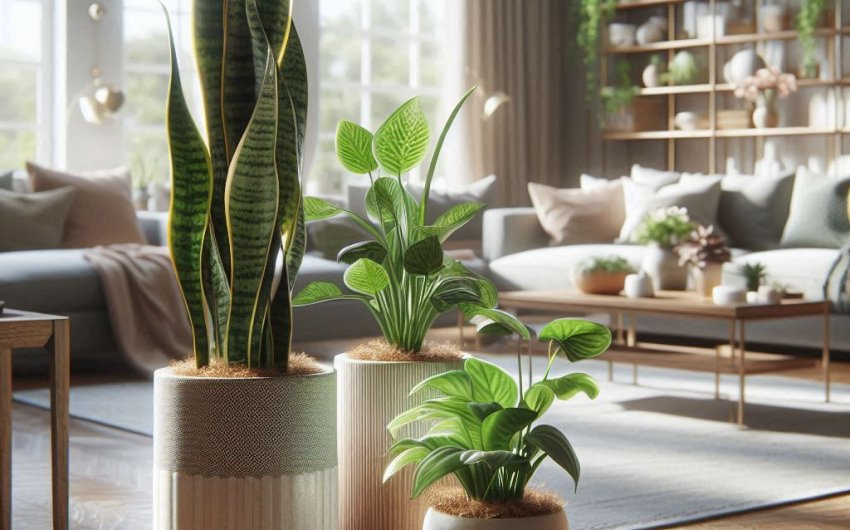
Dreaming of a lush indoor jungle but worried you lack a green thumb? This guide will show you how houseplants made easy can transform your space, providing beginner-friendly tips and tricks to help even the most hesitant plant parent succeed. Discover simple strategies to choose, care for, and enjoy your green companions without stress.
How Do I Pick the Right Houseplant for Me?
Choosing the right houseplant is the first and most crucial step to success. Don't just pick the prettiest one! Think about your living space and your lifestyle.
What Kind of Light Do I Have?
Light is perhaps the most important factor for houseplants. All plants need light to make their food, a process called photosynthesis. The amount of light in your home depends on your windows' direction and any obstacles outside.
- Bright, Direct Light: This is usually near a south-facing window or an unobstructed west-facing window. Plants here get several hours of direct sun.
- Good for: Succulents, cacti, Jade plants, African Milk Tree.
- Bright, Indirect Light: This is the most common type of light for houseplants. It's usually near an east-facing window, or a few feet away from a south or west window. The light is bright but not hitting the plant directly.
- Good for: Pothos, Philodendron, ZZ Plant, Snake Plant, Monstera, Prayer Plant.
- Low Light: This means a room with only a small window, or an area far from any window. These spots still get some light, but it's very dim.
- Good for: ZZ Plant, Snake Plant, Cast Iron Plant, Pothos 'Jade', Peace Lily (though it prefers brighter indirect).
Tip: Observe your space throughout the day. Where does the sun hit directly? Where is it just bright?
How Much Time Can I Spend on Plant Care?
Be honest with yourself about your schedule. Some plants need daily attention, while others can be happy with weekly or even monthly check-ins.
- Low-Maintenance (Good for beginners!): These plants are forgiving if you forget to water them or don't have perfect light.
- Examples: Snake Plant (Sansevieria), ZZ Plant (Zamioculcas zamiifolia), Pothos (Epipremnum aureum), Cast Iron Plant (Aspidistra elatior).
- Medium-Maintenance: These need more regular watering and a bit more attention to light and humidity.
- Examples: Philodendron, Peace Lily, Spider Plant, Monstera.
- High-Maintenance: These plants might need specific watering schedules, high humidity, or very particular light conditions. Best saved for when you have more experience.
- Examples: Ferns, Calathea, Orchids.
What About Pet Safety?
If you have pets, it's very important to check if a plant is toxic to animals. Many common houseplants can cause upset stomachs or worse if ingested.
- Pet-Friendly Choices:
- Pothos and Philodendron (Toxic to pets)
- Spider Plant (Safe for pets)
- Boston Fern (Safe for pets)
- Areca Palm (Safe for pets)
- ZZ Plant (Toxic to pets)
- Money Tree (Pachira aquatica) (Safe for pets)
Always double-check before bringing a new plant home. A quick online search for "[plant name] pet toxicity" will give you the answer.
What Are the Basic Care Needs for Houseplants?
Once you've chosen your plant, understanding its basic needs is key to keeping it alive and thriving.
How Do I Water My Plants Correctly?
More houseplants die from overwatering than from underwatering. The goal is to water when the plant needs it, not on a strict schedule.
- Check the Soil: Before watering, stick your finger about 1-2 inches deep into the soil.
- If it feels dry: It's time to water.
- If it feels moist: Wait a few more days and check again.
- A moisture meter can also give you a more accurate reading of the soil moisture.
- Water Thoroughly: When you do water, pour water slowly over the soil until it starts to drain out of the bottom of the pot. Ensure the pot has drainage holes!
- Empty Excess Water: Don't let your plant sit in standing water in its saucer. This can lead to root rot, which is deadly for plants. Dump out any excess water about 15-30 minutes after watering.
- Bottom Watering: For some plants, or if your soil gets very dry and hard, try bottom watering. Place the potted plant (with drainage holes) in a sink or basin filled with a few inches of water. Let it soak for 20-30 minutes, allowing the plant to drink from the bottom up.
- Watering Can: A good watering can with a long spout helps direct water precisely without splashing.
Rule of Thumb: Most common houseplants prefer their soil to dry out between waterings. Succulents and cacti need even longer periods of dry soil.
What Kind of Light Do My Plants Need?
As we discussed, light is crucial. Place your plant in a spot that matches its needs.
- Rotate Your Plants: Plants will naturally grow towards the light. Rotate your plants every week or two to encourage even growth and prevent them from becoming lopsided.
- Signs of Too Much Light: Leaves turning yellow, bleached, or crispy, especially on the edges.
- Signs of Too Little Light: Stretched, leggy growth with small leaves; plant leaning heavily towards a window; overall pale color.
- Supplement with Grow Lights: If you don't have enough natural light, especially in winter, consider an LED grow light. These provide the right kind of light spectrum for plant growth.
What About Humidity and Temperature?
Most houseplants prefer stable temperatures and a certain level of humidity.
- Temperature: Most indoor plants are happy in typical room temperatures, generally between 65-75°F (18-24°C). Avoid placing plants near drafty windows, heating vents, or air conditioning units, as sudden temperature changes or dry blasts of air can stress them.
- Humidity: Many popular houseplants (like Monstera, Pothos, Ferns) come from tropical places and love humidity. Your home's air can be quite dry, especially in winter.
- Increase Humidity:
- Use a room humidifier near your plants.
- Place plants on a pebble tray filled with water (make sure the pot sits on the pebbles, not in the water).
- Group plants together; they release moisture, creating a microclimate.
- Lightly misting leaves can provide a temporary humidity boost, but be careful not to encourage fungal growth.
- Increase Humidity:
How Do I Feed My Houseplants?
Plants use up the nutrients in their soil over time. Fertilizing helps replenish these nutrients, encouraging healthy growth.
- When to Fertilize: Most plants benefit from fertilizing during their active growing season (spring and summer). Reduce or stop fertilizing in fall and winter when growth slows.
- Type of Fertilizer: Use a balanced liquid plant fertilizer designed for houseplants. Look for one with a balanced N-P-K ratio (e.g., 5-5-5 or 10-10-10).
- Dilution is Key: Always dilute liquid fertilizer to half or even quarter strength, especially for beginners. It's better to under-fertilize than over-fertilize (which can burn the roots).
- How to Apply: Water your plant normally first, then apply the diluted fertilizer. Never apply fertilizer to dry soil.
- Frequency: Follow the instructions on your fertilizer bottle, but generally, fertilize every 2-4 weeks during the growing season.
When Should I Repot My Plant?
Repotting gives your plant fresh soil and more room to grow.
- Signs It's Time to Repot:
- Roots are growing out of the drainage holes.
- The plant is top-heavy and tips over easily.
- Growth has slowed or stopped.
- You see a dense mat of roots when you gently lift the plant out of its pot.
- How to Repot:
- Choose a new pot that is only 1-2 inches larger in diameter than the old one. Too big of a pot can hold too much moisture, leading to rot.
- Use fresh potting mix that drains well. A good mix contains perlite or pumice for aeration.
- Gently remove the plant from its old pot. Loosen any roots that are tightly coiled around the root ball.
- Add a layer of fresh potting mix to the new pot.
- Place the plant in the new pot, ensuring the top of the root ball is at the same level as it was in the old pot.
- Fill around the roots with more potting mix, gently patting it down to remove large air pockets. Leave about an inch of space from the rim for watering.
- Water thoroughly after repotting.
What Are Some Easy Houseplants for Beginners?
Starting with forgiving plants builds confidence. Here are some of the best choices for beginners:
Snake Plant (Sansevieria trifasciata)
- Why it's easy: Extremely tolerant of neglect, low light, and inconsistent watering.
- Light: Low to bright indirect. Tolerates direct sun but prefers indirect.
- Water: Let soil dry out completely between waterings. Can go weeks without water.
- Looks: Upright, sword-like leaves, various patterns.
- Pet Safety: Toxic if ingested.
ZZ Plant (Zamioculcas zamiifolia)
- Why it's easy: Drought-tolerant and thrives on neglect. Excellent for low-light situations.
- Light: Low to bright indirect. Tolerates very low light, but grows faster in brighter indirect light.
- Water: Water sparingly. Let soil dry out completely, then wait a few more days. Overwatering is its enemy.
- Looks: Shiny, dark green, waxy leaves on upright stems.
- Pet Safety: Toxic if ingested.
Pothos (Epipremnum aureum)
- Why it's easy: Very forgiving, adapts to various light conditions, and tells you when it needs water (leaves droop slightly).
- Light: Low to bright indirect. Variegated varieties need more light to keep their patterns.
- Water: Water when the top 1-2 inches of soil are dry.
- Looks: Trailing vines with heart-shaped leaves, available in various colors (green, variegated). Great for hanging baskets or shelves.
- Pet Safety: Mildly toxic if ingested.
Spider Plant (Chlorophytum comosum)
- Why it's easy: Easy to grow, produces "spiderettes" (baby plants) that are fun to propagate.
- Light: Bright indirect light is best. Can tolerate medium light.
- Water: Water when the top inch of soil is dry.
- Looks: Arching, variegated leaves, often with baby plantlets dangling. Great for hanging.
- Pet Safety: Non-toxic to pets!
Peace Lily (Spathiphyllum)
- Why it's easy: Very dramatic when thirsty (wilts dramatically), making it easy to know when to water. Bounces back quickly.
- Light: Medium to bright indirect. Can tolerate lower light but may not flower.
- Water: Water when leaves begin to droop slightly. Don't let it dry out completely for too long.
- Looks: Dark green leaves and elegant white "flowers" (modified leaves called spathes).
- Pet Safety: Mildly toxic if ingested.
Cast Iron Plant (Aspidistra elatior)
- Why it's easy: Lives up to its name! Extremely tough and tolerant of neglect, low light, temperature changes, and irregular watering.
- Light: Very low to medium indirect. Avoid direct sun.
- Water: Water when the top few inches of soil are dry. Can tolerate periods of drought.
- Looks: Dark green, tough, upright leaves.
- Pet Safety: Non-toxic to pets!
How Can I Keep My Plants Healthy and Pest-Free?
Even easy plants can run into problems. Knowing how to spot and fix issues early can save your plant.
How Do I Deal with Pests?
Pests can be annoying, but most are manageable, especially if you catch them early.
- Check Regularly: Inspect your plants weekly. Look under leaves, on stems, and at the soil surface for tiny bugs or sticky residue.
- Common Pests and Solutions:
- Fungus Gnats: Tiny, mosquito-like flies that buzz around the soil. They usually mean the soil is too wet.
- Solution: Let the soil dry out more between waterings. Use sticky traps to catch adults. A layer of horticultural sand or diatomaceous earth on top of the soil can deter them.
- Spider Mites: Tiny, almost invisible bugs that create fine webs, especially on the undersides of leaves. Leaves may look speckled or dusty.
- Solution: Increase humidity. Wipe leaves with a damp cloth. Use neem oil spray or an insecticidal soap.
- Mealybugs: Small, white, cottony masses usually found in leaf axils (where the leaf meets the stem) or along stems.
- Solution: Dab them directly with a cotton swab dipped in rubbing alcohol. For larger infestations, use insecticidal soap or neem oil.
- Aphids: Small, soft-bodied insects, often green, black, or brown, clustered on new growth or undersides of leaves.
- Solution: Blast them off with a strong stream of water. Use insecticidal soap or neem oil.
- Fungus Gnats: Tiny, mosquito-like flies that buzz around the soil. They usually mean the soil is too wet.
How Do I Prune My Houseplants?
Pruning isn't just for outdoor plants! It helps houseplants stay bushy, healthy, and encourages new growth.
- When to Prune: Best done during the active growing season (spring and summer).
- Why Prune:
- Remove Dead or Damaged Growth: Cut off any yellow, brown, or crispy leaves or stems. This helps the plant focus energy on healthy parts.
- Encourage Bushiness: For vining plants like Pothos or Philodendron, pinching off the growing tips encourages them to branch out, making them fuller.
- Control Size and Shape: Keep your plant from getting too big or leggy.
- Tools: Use clean, sharp pruning shears or scissors.
- How to Prune: Cut just above a leaf node (the bump on the stem where a leaf or branch grows).
What About Cleaning My Plant's Leaves?
Dust can build up on plant leaves, blocking light and making it harder for the plant to "breathe."
- Frequency: Wipe leaves every few weeks or whenever you notice dust.
- Method: Gently wipe the top and bottom of each leaf with a soft, damp cloth or a damp paper towel. For plants with many small leaves, a gentle shower under lukewarm water can work.
- Shiny Leaves: Some people use leaf shine products, but often just plain water is enough.
What Are Some Common Houseplant Problems and How Do I Fix Them?
Don't panic if your plant shows signs of distress. It's part of learning! Most problems have simple solutions.
Why Are My Plant's Leaves Turning Yellow?
Yellow leaves are a very common complaint and can have several causes.
- Overwatering: This is the most common reason. If the soil is constantly wet and the leaves are yellowing and possibly mushy, you're likely overwatering.
- Fix: Let the soil dry out more between waterings. Check for root rot and repot if necessary (see the section on reviving overwatered plants).
- Underwatering: If the soil is bone dry and the leaves are yellowing, turning crispy, and wilting, your plant is thirsty.
- Fix: Water thoroughly until water drains from the bottom.
- Nutrient Deficiency: If lower, older leaves are yellowing, it could be a lack of nutrients, especially nitrogen.
- Fix: Fertilize your plant during the growing season with a balanced plant fertilizer.
- Lack of Light: If yellowing is accompanied by leggy growth and pale leaves, the plant might not be getting enough light.
- Fix: Move the plant to a brighter spot or provide a grow light.
- Normal Aging: Sometimes, lower leaves naturally yellow and drop as the plant grows new ones. This is normal if it's only a few leaves.
Why Are My Plant's Leaves Turning Brown and Crispy?
Brown, crispy leaves usually point to dryness, either from underwatering or low humidity.
- Underwatering: If the soil is dry, water thoroughly.
- Low Humidity: Many tropical plants suffer in dry indoor air.
- Fix: Increase humidity with a humidifier, pebble tray, or by grouping plants.
- Too Much Direct Sun: Intense direct sunlight can scorch leaves, turning them brown and crispy, especially on the edges.
- Fix: Move the plant to a spot with bright, indirect light.
- Fertilizer Burn: Too much fertilizer can cause brown, crispy leaf tips.
- Fix: Flush the soil with plenty of plain water to wash out excess salts. Stop fertilizing for a while.
Why Is My Plant Wilting or Drooping?
Wilting usually means the plant isn't getting enough water to its leaves, but the cause can vary.
- Underwatering: The most common cause. If the soil is dry, water it! Many plants like Peace Lilies will dramatically droop when thirsty but perk up quickly after a good drink.
- Overwatering/Root Rot: Ironically, wilting can also be a sign of overwatering. If roots are rotting, they can't absorb water even if the soil is wet. The leaves may also look yellow and mushy.
- Fix: Check the soil. If it's soggy, stop watering immediately and consider repotting if root rot is suspected.
- Temperature Stress: Sudden blasts of hot or cold air can cause wilting.
- Fix: Move the plant away from drafts or vents.
- Transplant Shock: If you've just repotted your plant, it might droop for a few days as it adjusts.
- Fix: Keep it in a stable environment and don't overwater. It should recover.
Why Is My Plant Not Growing?
Stunted growth can be a sign that your plant isn't getting what it needs.
- Lack of Light: Insufficient light is a common reason for slow or no growth.
- Fix: Move to a brighter spot or use a grow light.
- Nutrient Deficiency: The plant might be hungry.
- Fix: Fertilize during the growing season.
- Root-Bound: If the roots have filled the pot, the plant can't grow bigger.
- Fix: Repot into a slightly larger pot with fresh soil.
- Dormancy: Some plants naturally slow or stop growth in fall and winter. This is normal.
What Are Some Fun Houseplant Projects for Beginners?
Once you get comfortable with basic care, you might want to try some fun projects!
How Do I Propagate My Houseplants?
Propagation means making new plants from existing ones. It's incredibly rewarding and often free!
- Stem Cuttings (Easiest for Pothos, Philodendron, ZZ Plant, Spider Plant):
- Cut: Using clean pruning shears, take a cutting from a healthy stem, ensuring it has at least one node (where a leaf grows from). For Pothos/Philodendron, make sure your cutting has 2-3 leaves and a few nodes below the leaves. For ZZ plants, a single leaf with a bit of stem is fine. For spider plants, snip off a "spiderette."
- Remove Lower Leaves: If your cutting has leaves below the node, remove them. These will be submerged in water or soil.
- Water Propagation: Place the cutting in a glass of water, making sure the nodes are submerged. Change the water every few days.
- Soil Propagation: Dip the cut end in rooting hormone (optional, but helps!) and plant it directly into a small pot with moist, well-draining potting mix.
- Wait: Roots will start to form in a few weeks to a few months. Once roots are about an inch long (for water), or you feel resistance when gently tugging (for soil), you can pot it up or confirm it's rooted.
- Division (Good for Snake Plants, Spider Plants, Peace Lilies):
- Remove: Take the plant out of its pot.
- Separate: Gently pull or cut the root ball apart into smaller sections, making sure each section has some roots and leaves.
- Repot: Plant each new section into its own small pot with fresh soil.
How Can I Create a Plant Display?
Beyond just having plants, creating attractive displays adds to your home's aesthetic.
- Groupings: Cluster plants with similar light and humidity needs together. This also helps create a mini-humid environment.
- Varying Heights: Use plant stands, shelves, or hanging planters to add visual interest and height differences.
- Decorative Pots: Choose decorative pots that complement your home decor. Remember, inner pots with drainage holes are crucial; decorative pots can serve as cachepots (sleeves for the inner pot).
- Plant Shelves: A simple plant shelf can instantly create a dedicated plant zone.
- Lighting: Consider strategically placed small lights or LED strips to highlight your plants, especially in the evenings.
Can I Make My Own Potting Mix?
While commercial potting mix is convenient, making your own allows you to customize it for specific plants.
- Basic Aroid Mix (Good for Pothos, Philodendron, Monstera):
- 50% High-quality potting mix
- 25% Perlite or Pumice (for drainage and aeration)
- 25% Orchid bark (for chunky texture and drainage)
- Basic Succulent/Cactus Mix:
- 50% High-quality cactus and succulent potting mix
- 50% Perlite or Pumice (essential for sharp drainage)
Mixing your own allows you to control drainage and aeration, which is especially helpful for plants prone to root rot.
Having houseplants made easy is truly achievable with a little knowledge and patience. These beginner-friendly tips and tricks will empower you to create a thriving indoor garden and enjoy the many benefits of living with nature.