
Breathe Life Into Your Home: Indoor Houseplant Ideas
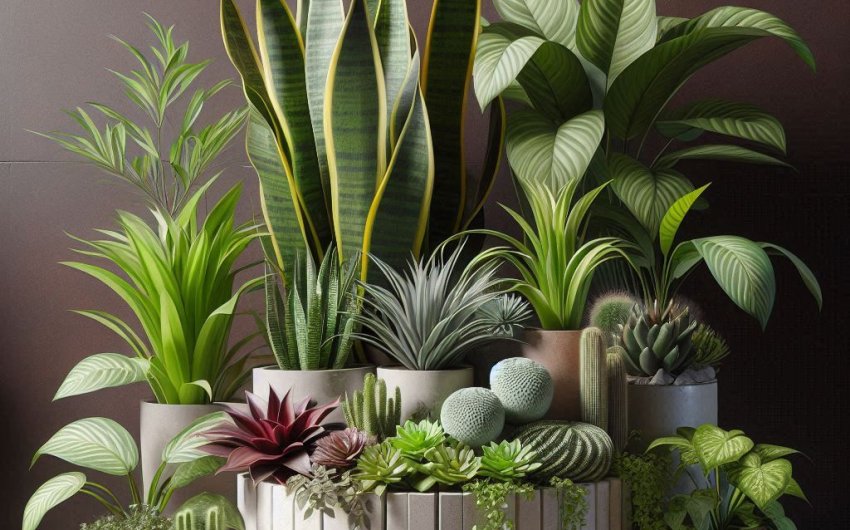
Adding greenery to your living space can instantly transform a room, bringing a sense of calm and natural beauty indoors. Indoor houseplants are more than just decorative accents; they purify the air, boost your mood, and connect you with nature, even if you live in the heart of a city. Whether you're a seasoned plant parent or just starting your green journey, there are endless houseplant ideas to explore for every type of home and lifestyle.
Why Should You Bring Houseplants Into Your Home?
The popularity of indoor plants isn't just a trend; there are numerous tangible benefits to filling your home with living greenery. Beyond aesthetics, houseplants positively impact your health and well-being.
Improving Air Quality
One of the most well-known benefits of indoor houseplants is their ability to help purify the air we breathe.
- Natural Air Filters: Plants naturally absorb carbon dioxide and release oxygen during photosynthesis. But they do much more than that. Many common houseplants are incredibly effective at removing harmful toxins from the air. Studies, most notably by NASA, have shown that plants can filter out volatile organic compounds (VOCs) like formaldehyde, benzene, and trichloroethylene, which are commonly found in household products, furniture, and building materials.
- Reduced Toxins: Formaldehyde can be found in things like furniture, carpets, and glues. Benzene is in plastics, fabrics, and pesticides. Trichloroethylene can be in cleaning products and paints. Having houseplants like a Snake Plant or a Peace Lily can help reduce the levels of these airborne toxins, leading to cleaner, fresher air in your home.
- Increased Humidity: Plants release moisture into the air through a process called transpiration. In dry indoor environments, especially during winter months when heating systems are on, this increased humidity can be beneficial. It can help alleviate dry skin, irritated throats, and respiratory issues, making your home a more comfortable place to be.
Boosting Mood and Reducing Stress
The presence of nature, even in a small potted plant, can have a profound positive impact on our mental and emotional well-being.
- Nature's Calming Effect: Just looking at plants has been shown to reduce stress levels. The color green is often associated with tranquility and health. Bringing the outdoors in creates a more calming and natural environment, helping to lower anxiety and promote relaxation.
- Reduced Stress Hormones: Studies suggest that interacting with houseplants, even simple tasks like watering, can lower blood pressure and reduce levels of the stress hormone cortisol. It provides a simple, mindful activity that can take your mind off daily pressures.
- Enhanced Well-being: Being surrounded by living things can foster a sense of responsibility and connection. Nurturing a plant and watching it grow can provide a sense of accomplishment and contribute to overall happiness. This connection to nature is often called "biophilia."
Increasing Productivity and Focus
Whether you work from home or just want to create a more engaging living space, houseplants can contribute to better focus and productivity.
- Improved Concentration: Research in office environments has indicated that the presence of plants can lead to improved concentration and memory. The natural elements provide a soothing backdrop that reduces mental fatigue.
- Enhanced Creativity: A green environment can stimulate creativity. When you feel less stressed and more focused, your mind is freer to think innovatively and come up with new ideas.
- Reduced Noise: While not a complete sound barrier, plants can help absorb and deflect background noise in a room, particularly if you have several larger plants. Their soft surfaces and foliage can slightly muffle echoes and provide a quieter atmosphere for work or relaxation.
In summary, indoor houseplants are far more than just pretty decorations. They are living companions that actively contribute to a healthier, happier, and more productive home environment, making them a worthwhile addition to any living space. A plant care book for beginners can help you unlock these benefits.
What Are the Easiest Houseplants for Beginners?
If you're new to the world of indoor plants, starting with resilient, low-maintenance varieties is the best way to build confidence and avoid common pitfalls. These "tough cookies" can forgive a missed watering or less-than-perfect light conditions.
Snake Plant (Sansevieria trifasciata)
The Snake Plant, also known as Mother-in-Law's Tongue, is practically indestructible.
- Light: Extremely tolerant of low light, making it perfect for dimly lit corners or bedrooms. It can also handle bright indirect light.
- Water: Prefers to dry out completely between waterings. Overwatering is its biggest enemy. If in doubt, wait.
- Air Purifier: Excellent at filtering toxins like formaldehyde and benzene from the air.
- Appearance: Striking, upright, sword-like leaves with various patterns and colors. It adds a modern, architectural element to any room.
- Care Tip: Allow the soil to dry out completely before watering again. Forgiving of neglect. A Snake Plant in a decorative pot can instantly elevate a space.
ZZ Plant (Zamioculcas zamiifolia)
The ZZ Plant is another almost unbelievably tolerant plant, perfect for forgetful waterers.
- Light: Thrives in low to bright indirect light. It's incredibly versatile.
- Water: Stores water in its thick rhizomes (underground stems), so it can go weeks without water. Water only when the soil is completely dry.
- Appearance: Waxy, deep green, shiny leaves that grow upwards in an attractive, almost feathery pattern.
- Care Tip: Seriously, do not overwater. It's better to underwater than overwater. If you're going on vacation, this plant will be fine.
Pothos (Epipremnum aureum)
Pothos is a vining plant that's incredibly easy to grow and propagate, making it a favorite for adding lush greenery.
- Light: Adaptable to low to bright indirect light, though brighter light will encourage more variegation (patterns on leaves).
- Water: Water when the top inch or two of soil feels dry. It will tell you when it's thirsty by drooping slightly.
- Appearance: Heart-shaped leaves, often variegated with yellow or white. It can trail from shelves or hanging baskets.
- Care Tip: Trim the vines to encourage bushier growth. It's very easy to propagate cuttings in water. A hanging Pothos plant instantly adds life to any corner.
Spider Plant (Chlorophytum comosum)
Spider Plants are classic houseplants known for their air-purifying qualities and ease of propagation.
- Light: Prefers bright, indirect light but can tolerate lower light levels.
- Water: Water when the top inch of soil is dry. They are somewhat tolerant of being dry but prefer consistent moisture.
- Appearance: Arching, grass-like leaves, often variegated with white or cream stripes. They produce "spiderettes" (baby plants) on long stems, which can be easily rooted.
- Care Tip: Provide good drainage. The baby spiderettes make great gifts for friends.
Peace Lily (Spathiphyllum)
The Peace Lily is a beautiful plant known for its elegant white "flowers" (which are actually modified leaves called spathes) and its ability to clearly signal when it needs water.
- Light: Thrives in low to medium indirect light. Direct sun can scorch its leaves.
- Water: Water when the leaves start to slightly droop. It will perk up dramatically after a good drink.
- Air Purifier: Excellent at filtering various toxins, including ammonia.
- Appearance: Lush, dark green foliage with distinctive white spathes that appear periodically.
- Care Tip: Avoid overwatering. If the leaf tips turn brown, it might be due to dry air; try misting it. A Peace Lily in a ceramic pot makes a sophisticated addition.
These beginner-friendly houseplants are perfect for getting your green thumb started, offering beauty and benefits without demanding constant attention.
Which Houseplants Are Best for Air Purification?
While all plants help purify the air to some extent by taking in carbon dioxide and releasing oxygen, certain indoor houseplants are exceptionally good at filtering out common indoor pollutants. These plants can significantly improve the air quality in your home.
Snake Plant (Sansevieria trifasciata)
As mentioned for beginners, the Snake Plant is a superstar in air purification.
- Pollutants Filtered: Highly effective at removing formaldehyde, benzene, trichloroethylene, and xylene from the air.
- Unique Feature: It's one of the few plants that convert carbon dioxide to oxygen at night, making it an excellent choice for bedrooms.
- Care: Very low maintenance, tolerant of varied light and infrequent watering. Its hardiness makes it a practical choice for any home.
Peace Lily (Spathiphyllum)
Another beginner-friendly plant that also boasts impressive air-cleaning capabilities.
- Pollutants Filtered: Known for tackling a wide range of VOCs, including formaldehyde, benzene, trichloroethylene, and ammonia (found in cleaning products).
- Humidity Boost: Its natural transpiration also helps increase indoor humidity, which can be beneficial, especially in dry climates or during winter.
- Care: Prefers low to medium indirect light and consistently moist soil (but not soggy). It's very vocal about needing water, as its leaves will droop dramatically.
Spider Plant (Chlorophytum comosum)
A popular and easy-to-grow choice, the Spider Plant is also a top-tier air purifier.
- Pollutants Filtered: Excellent at removing formaldehyde and xylene from the air. These are common in leather, rubber, and printing industries, but also found in everyday household items.
- Safe for Pets: Generally considered non-toxic to cats and dogs, making it a great choice for pet owners.
- Care: Adaptable to various light conditions and forgiving of occasional neglect. Thrives in hanging baskets where its "spiderettes" can dangle freely.
Boston Fern (Nephrolepis exaltata 'Bostoniensis')
While a bit more demanding in terms of humidity, the Boston Fern is a champion at air purification.
- Pollutants Filtered: Highly effective at removing formaldehyde and xylene. It also excels at releasing moisture into the air, naturally humidifying your space.
- Humidity Lover: Prefers consistently moist soil and high humidity. Regular misting or placing it near a humidifier is beneficial.
- Appearance: Lush, feathery fronds that add a classic, verdant touch to a room. A Boston Fern in a macrame hanger creates a beautiful display.
Dracaena Varieties (Dracaena fragrans, Dracaena marginata, etc.)
Many varieties of Dracaena are effective air purifiers, often distinguished by their striking, sword-like leaves.
- Pollutants Filtered: Different Dracaena varieties can help remove benzene, formaldehyde, trichloroethylene, and xylene. The Mass Cane (Dracaena fragrans 'Massangeana') and Red-Edged Dracaena (Dracaena marginata) are common choices.
- Appearance: Vary greatly in size and leaf pattern, offering options from tall, tree-like forms to smaller, bushy plants.
- Care: Prefer bright, indirect light and soil that dries out slightly between waterings. Be mindful of fluoride in tap water, as some varieties are sensitive.
Incorporating these air-purifying houseplants throughout your home, especially in areas where you spend a lot of time like bedrooms and living rooms, can significantly contribute to a healthier and more invigorating indoor environment.
What Are the Best Houseplants for Low Light Conditions?
Not every room in your home is bathed in sunlight, and that's perfectly fine! Many beautiful indoor houseplants thrive in low-light environments, making them ideal for hallways, bathrooms without windows, or corners far from a sunny window.
ZZ Plant (Zamioculcas zamiifolia)
The ZZ Plant is truly king of low light. It can survive in remarkably dim conditions.
- Light Tolerance: Will tolerate extremely low light levels, although it will grow faster and appear lusher in medium indirect light. Avoid direct sun.
- Water: Needs very infrequent watering in low light, as the soil will take longer to dry out. Overwatering is the main killer.
- Resilience: It's highly resistant to pests and diseases, adding to its low-maintenance appeal.
- Appearance: Deep green, glossy, almost plastic-like leaves, providing a modern and sleek look.
Snake Plant (Sansevieria trifasciata)
Another champion of neglect and low light, the Snake Plant is a natural fit for dim corners.
- Light Tolerance: Very happy in low light, making it perfect for bathrooms, bedrooms, or areas with minimal natural illumination.
- Water: Water sparingly, especially in low light conditions where evaporation is slower.
- Versatility: Its upright form makes it ideal for small spaces or as an architectural accent. A tall Snake Plant in a narrow planter fits well in tight spots.
Pothos (Epipremnum aureum)
While it prefers brighter indirect light for optimal growth and variegation, Pothos is incredibly adaptable to lower light levels.
- Light Tolerance: Will survive and even trail in low light, though new growth might be slower and less variegated.
- Water: Adjust watering frequency to light levels – less light means less water needed.
- Adaptability: Its vining nature makes it versatile for hanging baskets, shelves, or even trained up a moss pole.
Peace Lily (Spathiphyllum)
The Peace Lily prefers indirect light and can do quite well in lower light situations, though it may flower less frequently.
- Light Tolerance: Prefers medium to low indirect light. Direct sunlight will scorch its leaves.
- Water: Droopy leaves are a clear sign it needs water. It's best to water when the soil is dry to the touch.
- Air Purifier: An added bonus for a low-light plant.
Cast Iron Plant (Aspidistra elatior)
As its common name suggests, the Cast Iron Plant is incredibly tough and forgiving, particularly in low light.
- Light Tolerance: Can tolerate extremely low light conditions and even some neglect. It's one of the best choices for truly dark spots.
- Water: Prefers consistent moisture but can tolerate some dryness between waterings. Avoid overwatering.
- Appearance: Long, dark green, glossy leaves that grow upwards. It has a classic, elegant appearance.
- Care Tip: Very hardy and unfussy once established.
These low-light tolerant houseplants prove that you don't need a sun-drenched space to enjoy the beauty and benefits of indoor greenery. They bring life and vibrancy to even the dimmest corners of your home.
What Are the Best Houseplants for Bright, Indirect Light?
Bright, indirect light is often considered the "sweet spot" for many indoor houseplants. This means a spot that gets plenty of light, but the sun's rays don't directly hit the leaves. Think of a room with a large window, but the plant is placed a few feet away, or near a window that faces north or east.
Fiddle Leaf Fig (Ficus lyrata)
The Fiddle Leaf Fig has become incredibly popular for its dramatic, large, violin-shaped leaves and sculptural presence.
- Light: Prefers bright, indirect light. Direct sun can burn its leaves, while too little light can cause leaf drop. Rotate it occasionally for even growth.
- Water: Water thoroughly when the top 2-3 inches of soil are dry. Ensure good drainage.
- Appearance: Iconic large, dark green, glossy leaves. It makes a stunning statement piece. A tall Fiddle Leaf Fig tree can become the focal point of a living room.
- Care Tip: Can be a bit finicky; sensitive to drafts, sudden changes, and overwatering.
Monstera Deliciosa (Swiss Cheese Plant)
Known for its iconic split and holey leaves, the Monstera Deliciosa brings a lush, tropical vibe.
- Light: Thrives in bright, indirect light. Some morning sun is okay, but avoid harsh afternoon sun.
- Water: Water when the top few inches of soil are dry. It enjoys high humidity.
- Appearance: Large, glossy, heart-shaped leaves that develop characteristic splits (fenestrations) as they mature. It's a climbing plant.
- Care Tip: Provide a moss pole or trellis for it to climb, which encourages larger, more fenestrated leaves.
Bird of Paradise (Strelitzia nicolai)
For a truly bold and tropical statement, the Bird of Paradise with its large, banana-like leaves is a striking choice.
- Light: Loves bright light, ideally with some direct morning sun. Avoid prolonged direct afternoon sun. The more light, the better its growth.
- Water: Keep soil consistently moist but not soggy during growing season; reduce slightly in winter.
- Appearance: Large, upright, paddle-shaped leaves that can reach impressive heights indoors.
- Care Tip: Needs plenty of space to grow. Be patient for flowers; they often take years indoors. A large Bird of Paradise plant creates an instant tropical oasis.
Prayer Plant (Maranta leuconeura)
Known for its stunning patterned leaves that fold up at night, the Prayer Plant adds beautiful texture and movement.
- Light: Prefers bright, indirect light. Direct sun will scorch its delicate leaves and fade their vibrant colors.
- Water: Keep soil consistently moist but never soggy. They are sensitive to hard water, so distilled or rainwater is best if possible. Appreciates high humidity.
- Appearance: Oval leaves with intricate patterns of red veins and varying shades of green, with purple undersides.
- Care Tip: Needs high humidity to thrive. Group with other plants or use a pebble tray.
Philodendron (various species, e.g., Brasil, Pink Princess)
Many Philodendron varieties, from vining to upright, prefer bright, indirect light.
- Light: Most Philodendrons do best in bright, indirect light. Too little light can lead to leggy growth, while too much can scorch leaves.
- Water: Water when the top inch or two of soil is dry. They are somewhat forgiving of dry spells.
- Appearance: Highly diverse, with leaf shapes, sizes, and colors varying by species. The Philodendron Brasil is a popular trailing variety with variegated heart-shaped leaves.
- Care Tip: Many are vining and do well in hanging baskets or with support.
These houseplants thrive in bright, indirect light, offering a wide range of sizes, textures, and leaf patterns to enhance any sun-filled room in your home.
What Are the Best Houseplants for High Humidity Environments?
Some indoor houseplants hail from tropical rainforests and absolutely thrive in humid conditions. If you have a bathroom with good light, a kitchen, or live in a naturally humid climate, these plants will feel right at home. They often benefit from regular misting or placement near a humidifier.
Ferns (e.g., Boston Fern, Maidenhair Fern)
Many types of ferns love high humidity. They are known for their delicate, feathery fronds.
- Humidity Needs: Essential for their health. Without enough humidity, their fronds can crisp up and turn brown.
- Light: Most ferns prefer bright, indirect light. Some can tolerate lower light.
- Water: Keep soil consistently moist, but avoid waterlogging.
- Types: The Maidenhair Fern is particularly beautiful with its delicate leaves, but also very demanding of humidity. The Boston Fern is a more common choice and a great air purifier.
- Care Tip: Grouping ferns together or placing them on a pebble tray can help create a microclimate with higher humidity.
Calathea Varieties (e.g., Calathea Orbifolia, Calathea Medallion)
Calatheas are known for their incredibly striking, often variegated foliage, with patterns that look hand-painted. They are also known as "prayer plants" because their leaves fold up at night.
- Humidity Needs: Require consistently high humidity to prevent leaf edges from browning and crisping.
- Light: Prefer bright, indirect light. Direct sun will scorch their leaves and fade their patterns.
- Water: Keep soil consistently moist using distilled or filtered water, as they can be sensitive to chemicals in tap water.
- Appearance: Diverse range of leaf shapes, sizes, and patterns, with vibrant colors and often purple undersides. A Calathea Orbifolia is famous for its large, round, striped leaves.
- Care Tip: Definitely benefit from a humidifier or frequent misting.
Orchid (Phalaenopsis Orchid)
The popular "Moth Orchid" is a surprisingly easy-to-care-for plant that thrives in the humid conditions often found in bathrooms.
- Humidity Needs: Appreciates moderate to high humidity, especially during blooming.
- Light: Prefers bright, indirect light. An east-facing window is often ideal.
- Water: Water when the specialized orchid bark or moss medium is nearly dry. Avoid letting water sit in the crown of the plant.
- Appearance: Elegant long-lasting flowers in a wide array of colors and patterns.
- Care Tip: Orchids typically grow in bark or moss, not regular potting soil. A Phalaenopsis Orchid adds an exotic touch to any space.
Alocasia (e.g., Alocasia Polly, Alocasia Zebrina)
Alocasia species are prized for their dramatic, often arrow-shaped or heart-shaped leaves with prominent veins.
- Humidity Needs: Demand high humidity to prevent their leaves from becoming crispy or developing spider mites.
- Light: Prefer bright, indirect light.
- Water: Keep soil consistently moist but never waterlogged. They are prone to root rot if overwatered.
- Appearance: Bold, architectural leaves that can range from deep green with silver veins to dark purple.
- Care Tip: Can go dormant in winter, during which they need less water.
Fittonia (Nerve Plant)
The Nerve Plant is a small, colorful plant with intricately veined leaves, perfect for terrariums or small humid spots.
- Humidity Needs: Extremely high humidity is a must. It will dramatically droop if the air is too dry, though it usually perks up quickly after watering or misting.
- Light: Prefers bright, indirect light. Direct sun will scorch its delicate leaves.
- Water: Keep soil consistently moist.
- Appearance: Tiny leaves with striking veins in white, pink, or red.
- Care Tip: Ideal for enclosed environments like terrariums where humidity can be easily maintained.
For those looking to create a mini-jungle feel or to beautify a humid bathroom, these houseplants will bring vibrant life and tropical flair to your home.
How to Care for Your Houseplants: Essential Tips
Once you've chosen your indoor houseplants, understanding basic plant care is essential for their long-term health and your enjoyment. Even the easiest plants need a little love.
Understanding Light Requirements
Light is arguably the most crucial factor for houseplant health.
- Types of Light:
- Direct Sun: Unfiltered sunlight directly hitting the plant (e.g., south-facing window). Only desert plants like cacti or some succulents truly thrive in this.
- Bright Indirect Light: A few feet away from a sunny window, or near a north or east-facing window. Most houseplants prefer this.
- Medium Light: A room with good light but further from a window, or an unobstructed north-facing window.
- Low Light: A room with minimal natural light, a dark corner, or a window blocked by outside obstructions.
- Signs of Too Little Light: Leggy growth (long stems with sparse leaves), small new leaves, fading variegation, leaning towards the window, lack of flowering.
- Signs of Too Much Light: Scorched or bleached leaves, yellowing, crispy edges.
- Tip: Observe your plant. If it's struggling, try moving it to a spot with different light exposure. A grow light for indoor plants can supplement natural light in darker homes.
Watering Properly
Overwatering is the number one killer of houseplants. Underwatering is easier to fix.
- "Feel the Soil" Method: Stick your finger into the soil about 1-2 inches deep. If it feels dry, it's probably time to water. If it still feels moist, wait. This method works for most plants.
- Pot Weight: Another trick is to lift the pot. When dry, it will feel much lighter than when wet.
- Drainage is Key: Always use pots with drainage holes. If your decorative pot doesn't have one, place the plant in a nursery pot with drainage inside the decorative pot. Never let a plant sit in standing water.
- Thorough Watering: When you do water, water thoroughly until it drains out the bottom. This ensures the entire root ball gets moisture. Discard any excess water from the saucer.
- Adjust to Seasons: Plants need less water in winter when growth slows and light levels are lower. More water is needed in summer during active growth.
- Type of Water: Some plants (like Calatheas, Orchids, Ferns) are sensitive to chemicals in tap water (chlorine, fluoride). Using filtered, distilled, or rainwater can be beneficial for these.
Humidity and Temperature
These factors often go hand-in-hand with light.
- Humidity: Many tropical houseplants prefer higher humidity.
- Misting: A fine mist around the leaves can provide temporary humidity.
- Pebble Trays: Place pots on a tray filled with pebbles and water. As the water evaporates, it increases humidity around the plant.
- Humidifier: For large collections or very sensitive plants, a room humidifier is the most effective solution.
- Grouping Plants: Grouping plants together naturally increases humidity in their immediate vicinity.
- Temperature: Most houseplants prefer average room temperatures (65-75°F or 18-24°C). Avoid extreme fluctuations, cold drafts, or placing them directly near heating/cooling vents.
Fertilizing
Houseplants need nutrients, but not constantly.
- Growing Season: Fertilize only during the active growing season (spring and summer).
- Less is More: It's safer to under-fertilize than over-fertilize, which can lead to "fertilizer burn."
- Dilution: Always dilute liquid fertilizer to half strength or even quarter strength, especially for sensitive plants.
- Type: Use a balanced indoor plant fertilizer. A liquid houseplant fertilizer is generally easy to use.
- Signs of Deficiency: Yellowing leaves (often older leaves first), stunted growth.
Repotting
Plants eventually outgrow their pots.
- Signs of Needing Repotting: Roots growing out of drainage holes, plant becoming top-heavy, rapid drying out of soil, stunted growth despite proper care.
- When: Best done in spring or early summer when the plant is actively growing.
- Size: Go up only one pot size (e.g., from a 6-inch to an 8-inch pot). Too large a pot can lead to overwatering issues.
- Soil: Use fresh, good quality potting mix specific for indoor plants.
By paying attention to these basic care principles, you'll ensure your indoor houseplants thrive, bringing continuous joy and beauty to your home.
How to Style Your Home with Houseplants: Decor Ideas
Indoor houseplants are not just living decor; they are versatile elements that can enhance any interior design style. Integrating them thoughtfully can transform a room, add texture, color, and a natural, calming ambiance.
Creating Focal Points
A single, well-placed plant can draw the eye and become the star of a room.
- Large Statement Plants: Choose a majestic plant like a Fiddle Leaf Fig, Bird of Paradise, or a large Monstera Deliciosa and place it in a prominent corner or next to a sofa. Pair it with a stylish pot that complements your decor (e.g., a modern ceramic pot for a minimalist look, or a woven basket for a bohemian feel).
- Architectural Plants: Upright plants like the Snake Plant or a ZZ Plant in a sleek, tall planter can add height and a modern, sculptural element.
- Dramatic Foliage: Plants with unique leaf shapes or striking variegation, such as a Calathea or a large Alocasia, can be placed on a side table or pedestal to showcase their beauty. A large floor planter can emphasize the plant's height.
Adding Greenery to Shelves and Tabletops
Smaller plants are perfect for adding layers of interest to surfaces.
- Trailing Plants: Pothos, Philodendrons, and String of Pearls are ideal for shelves, bookshelves, or mantels. Let their vines cascade downwards, creating a soft, lush effect. A hanging planter for shelves can also be used.
- Groupings (Plant Vignettes): Create visual interest by grouping plants with different heights, textures, and leaf shapes together. Use varying pot sizes and materials for added appeal. Place them on a tray or placemat for a cohesive look.
- Bathroom Bliss: Low-light, high-humidity plants like Ferns or Peace Lilies are perfect for bathrooms, especially on countertops or shelves, adding a spa-like feel.
Incorporating Hanging Plants
Hanging plants utilize vertical space, adding dimension and freeing up surface areas.
- Macrame Hangers: Classic macrame plant hangers bring a bohemian, cozy vibe and are perfect for trailing plants like Pothos, Spider Plants, or String of Hearts.
- Ceiling Hooks: Install secure hooks in the ceiling for larger, heavier hanging plants.
- Wall Planters: Mount smaller plants directly to the wall using wall-mounted planters, creating a living art display. This is great for smaller trailing plants or even succulents. A wall-mounted plant holder can turn a blank wall into a green accent.
- Corners: Hanging plants can soften sharp corners and fill otherwise empty vertical spaces.
Using Plants in Different Rooms
Consider the specific conditions and function of each room.
- Living Room: Large statement plants, clusters of smaller plants, or a mix of hanging and floor plants to create a welcoming and vibrant space.
- Bedroom: Air-purifying plants like the Snake Plant (which produces oxygen at night) or Peace Lily contribute to a restful atmosphere.
- Kitchen: Herbs on a sunny windowsill, or smaller plants that don't mind a bit of fluctuating temperature and humidity.
- Bathroom: Humidity-loving plants like Ferns, Orchids, or Calatheas thrive in the steamy environment.
Choosing the Right Pots and Accessories
The pot is just as important as the plant in terms of decor.
- Match Your Style: Select pots that complement your existing decor – minimalist ceramic for modern, terracotta for rustic, woven baskets for bohemian, or glazed pots for traditional.
- Vary Textures and Materials: Mix and match ceramic, terracotta, concrete, and woven materials for visual interest.
- Stands and Pedestals: Elevate smaller plants on plant stands or pedestals to give them more presence and bring them closer to eye level. A mid-century modern plant stand can add a stylish touch.
- Plant-Themed Decor: Integrate plant-themed artwork, textiles, or decorative objects to tie the greenery into the rest of your room's aesthetic.
By thoughtfully selecting and arranging your indoor houseplants, you can transform your home into a lush, inviting, and personalized sanctuary that truly breathes life into every corner.