
Purify Your Air Naturally: Houseplants That Improve Indoor Quality
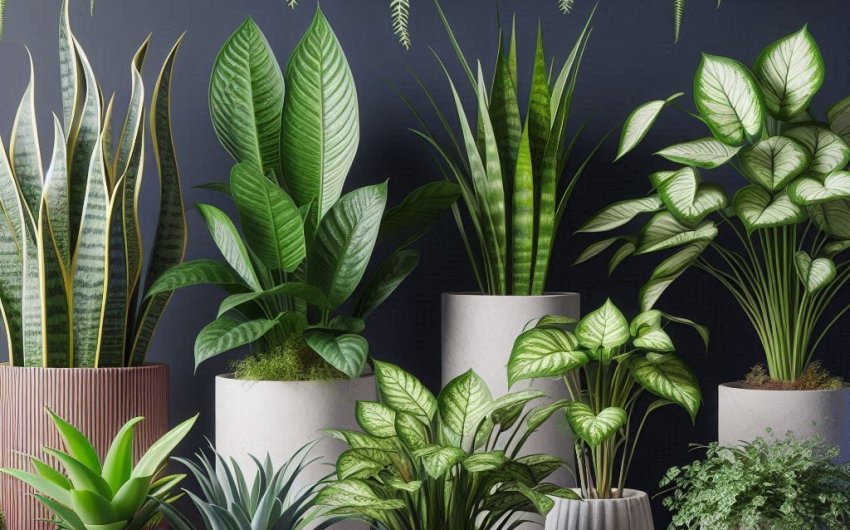
Enhancing indoor air quality is a significant concern for many households, and the good news is you can purify your air naturally using common houseplants. Beyond their aesthetic appeal, certain green companions possess remarkable abilities to filter out common airborne toxins and release fresh oxygen, transforming your living spaces into healthier, more vibrant environments. This guide will delve into how these botanical wonders work and highlight the best choices for a breath of fresh air in your home.
How Do Houseplants Clean the Air?
Houseplants perform a remarkable feat: they actively remove harmful pollutants from the air around us. This process goes beyond simple photosynthesis, where plants convert carbon dioxide into oxygen. Their ability to detoxify indoor air involves a more complex interaction between the leaves, roots, and microorganisms in the soil.
The primary way houseplants purify air is through a process called phytoremediation. This is a fancy word meaning plants use their natural functions to clean up pollution. Their leaves absorb various airborne chemicals, much like they absorb carbon dioxide. Once inside the plant, these pollutants can be converted into harmless substances or stored within the plant's tissues. Moreover, the microorganisms living in the plant's soil also play a crucial role. They break down organic chemicals that the roots absorb, further contributing to the air-cleaning process. This dual action makes houseplants surprisingly effective natural air filters, especially against common household volatile organic compounds, or VOCs.
What Are Common Indoor Air Pollutants?
Our homes, while appearing clean, can harbor a surprising number of indoor air pollutants. These unseen contaminants can originate from everyday items and activities, potentially affecting our health over time. Understanding what these pollutants are is the first step toward effectively cleaning your air.
Many common household items release invisible gases known as Volatile Organic Compounds (VOCs). These are chemicals that easily evaporate at room temperature. For instance, formaldehyde is often found in pressed-wood products like plywood and particleboard, insulation, and even some fabrics and paper products. It can also be released by paints and lacquers. Breathing in formaldehyde can cause irritation of the eyes, nose, and throat, and in some cases, more serious health issues.
Another prevalent VOC is benzene, which can be found in plastics, resins, dyes, detergents, and even tobacco smoke. It's also present in glues, paints, and furniture wax. Long-term exposure to benzene has been linked to various health concerns, including effects on blood production. Trichloroethylene is another powerful solvent used in dry cleaning, printing inks, paints, lacquers, and varnishes. It's often found in cleaning products and adhesives. Exposure can cause dizziness, headaches, and irritation.
Xylene is a common solvent used in the rubber, printing, and leather industries. It's also found in paint, rust removers, and tobacco smoke. Exposure can lead to irritation of the skin, eyes, nose, and throat, as well as headaches. Finally, ammonia is a strong-smelling gas often found in household cleaning products, especially window and floor cleaners. It can irritate the respiratory system and eyes. Knowing these common culprits helps us appreciate how much houseplants can contribute to a healthier indoor environment by targeting these specific chemicals.
Which Houseplants Are Best for Air Purification?
While nearly all plants offer some air-cleaning benefits, certain houseplants stand out for their exceptional ability to filter common indoor pollutants. These champions of clean air were famously studied by NASA, highlighting their effectiveness in removing harmful toxins. Choosing the right ones can significantly boost your home's air quality.
Peace Lily (Spathiphyllum)
The Peace Lily is a powerhouse when it comes to air purification. It's known for its elegant white spathes (which are often mistaken for flowers) and glossy green leaves. This plant excels at removing a wide range of VOCs, making it a top choice for improving indoor air.
- Removes: Formaldehyde, benzene, trichloroethylene, xylene, toluene, and ammonia. It's one of the few plants that can filter out all five major toxins.
- Care Level: Easy to moderate.
- Light: Prefers low to medium indirect light. Direct sunlight can scorch its leaves. It will tolerate low light but may not flower as much.
- Watering: Keep the soil consistently moist but not soggy. Peace lilies will dramatically droop when thirsty, signaling it's time for a drink. They are quite forgiving if you miss a watering here and there.
- Humidity: Thrives in high humidity, making it ideal for bathrooms or kitchens. Mist its leaves occasionally, especially in dry environments.
- Toxicity: Mildly toxic to pets and humans if ingested, causing irritation. Keep out of reach of curious pets and children. You can find beautiful Peace Lily plants for sale.
Snake Plant (Sansevieria trifasciata)
Also known as Mother-in-Law's Tongue, the Snake Plant is incredibly hardy and requires minimal care, making it perfect for beginners. Its upright, sword-like leaves are not just striking; they are highly efficient at filtering air. What makes it particularly unique is its ability to convert CO2 into oxygen at night, making it an excellent bedroom companion.
- Removes: Formaldehyde, benzene, trichloroethylene, xylene, and toluene.
- Care Level: Very easy. One of the most forgiving houseplants.
- Light: Adaptable to a wide range of light conditions, from low light to bright indirect light. It tolerates low light extremely well, though it grows faster in brighter conditions.
- Watering: Infrequent. Allow the soil to dry out completely between waterings, especially in winter. Overwatering is the most common cause of its demise.
- Humidity: Tolerates average household humidity levels.
- Toxicity: Mildly toxic to pets and humans if ingested, causing stomach upset. Keep away from pets and small children. Consider a durable Snake Plant for your home.
Spider Plant (Chlorophytum comosum)
The Spider Plant is a classic choice for its easy care and prolific "spiderettes" that dangle from the parent plant. It's not only visually appealing but also highly effective at cleaning the air. Its ability to thrive in various conditions makes it a versatile addition to any room.
- Removes: Formaldehyde, xylene, and carbon monoxide.
- Care Level: Easy.
- Light: Prefers bright, indirect light but can tolerate lower light levels. Direct sun can scorch its leaves.
- Watering: Keep soil consistently moist but avoid overwatering. Allow the top inch of soil to dry out between waterings.
- Humidity: Tolerates average household humidity.
- Toxicity: Non-toxic to pets and humans, making it a safe choice for homes with animals and children. Find lovely Spider Plant babies to grow.
Boston Fern (Nephrolepis exaltata)
The Boston Fern is a lush, vibrant plant known for its feathery fronds. It's a fantastic natural humidifier and an excellent choice for purifying the air, though it requires a bit more attention to humidity than some other options.
- Removes: Formaldehyde and xylene. It's particularly effective at humidifying the air.
- Care Level: Moderate.
- Light: Prefers bright, indirect light. Avoid direct sunlight which can scorch its fronds.
- Watering: Requires consistently moist soil. Never let the soil dry out completely.
- Humidity: High humidity is crucial for this plant. Mist regularly, use a humidifier, or place on a pebble tray.
- Toxicity: Non-toxic to pets and humans. A beautiful Boston Fern plant can enhance your home.
Pothos (Epipremnum aureum)
Also known as Devil's Ivy, Pothos is a vining plant with heart-shaped leaves that can trail beautifully from hanging baskets or climb shelves. It's incredibly resilient and forgiving, making it another excellent choice for beginners who want to improve their indoor air.
- Removes: Formaldehyde, benzene, carbon monoxide, and xylene.
- Care Level: Very easy.
- Light: Adaptable to a wide range of light conditions, from low to bright indirect light. Lower light may cause less variegation in the leaves.
- Watering: Allow the topsoil to dry out between waterings. Pothos tolerates some neglect.
- Humidity: Tolerates average household humidity.
- Toxicity: Mildly toxic to pets and humans if ingested, causing oral irritation. Keep out of reach. Add a trailing Pothos plant to your decor.
Areca Palm (Dypsis lutescens)
The Areca Palm, also known as the butterfly palm, is a majestic plant that can grow quite large, making a statement in any room. Beyond its tropical aesthetic, it's a superb air purifier and also acts as a natural humidifier, releasing significant amounts of moisture into the air.
- Removes: Formaldehyde, benzene, and carbon monoxide. It's also excellent at releasing moisture, which is beneficial in dry indoor environments.
- Care Level: Moderate.
- Light: Prefers bright, indirect light. Direct sunlight can scorch its fronds.
- Watering: Keep the soil consistently moist but not soggy. Allow the top inch to dry out before watering again.
- Humidity: Thrives in high humidity. Mist regularly, especially in dry climates, or place near a humidifier.
- Toxicity: Non-toxic to pets and humans. Bring home an elegant Areca Palm today.
Chinese Evergreen (Aglaonema)
The Chinese Evergreen is a beautiful and versatile plant, prized for its striking foliage patterns that often combine shades of green, silver, and red. It's very tolerant of low light conditions and is an excellent choice for beginners, while also being an effective air purifier.
- Removes: Formaldehyde and benzene.
- Care Level: Easy.
- Light: Tolerates low to medium indirect light very well, making it suitable for less bright rooms. Avoid direct sunlight.
- Watering: Allow the top few inches of soil to dry out between waterings. Avoid overwatering.
- Humidity: Tolerates average household humidity but appreciates higher levels.
- Toxicity: Mildly toxic to pets and humans if ingested, causing irritation. Keep out of reach. Discover the beauty of a Chinese Evergreen.
Dracaena (Dracaena species)
The Dracaena family includes a wide variety of plants, such as the Dragon Tree (Dracaena marginata), Corn Plant (Dracaena fragrans), and Lemon Lime Dracaena. Most varieties are excellent air purifiers and come in various sizes and leaf patterns, offering diverse options for home decor.
- Removes: Formaldehyde, benzene, trichloroethylene, and xylene.
- Care Level: Easy to moderate, depending on the variety.
- Light: Prefers medium to bright indirect light. Avoid direct sun. Some varieties tolerate low light better than others.
- Watering: Water when the top inch or two of soil is dry. They are sensitive to fluoride in tap water, which can cause leaf tip browning; consider using filtered water.
- Humidity: Tolerates average household humidity.
- Toxicity: Mildly toxic to pets, causing vomiting and drooling. Keep away from animals. Explore various Dracaena plants.
Money Plant (Epipremnum aureum / Scindapsus aureus)
Often confused with Pothos (and sometimes even referred to by the same scientific name), the Money Plant is another robust vining plant celebrated for its air-purifying capabilities and ease of care. It's believed to bring good luck and prosperity in some cultures.
- Removes: Formaldehyde, benzene, carbon monoxide, and xylene. Similar purification properties to Pothos.
- Care Level: Very easy.
- Light: Adapts to low to bright indirect light. Too much direct sun can scorch leaves; too little light might reduce variegation.
- Watering: Allow the soil to dry out between waterings. It's quite drought-tolerant.
- Humidity: Tolerates average indoor humidity.
- Toxicity: Mildly toxic to pets and humans if ingested. Exercise caution around pets and children. Get a resilient Money Plant for your home.
Weeping Fig (Ficus benjamina)
The Weeping Fig is a popular tree-like houseplant with graceful, arching branches and glossy green leaves. While it can be a bit finicky about changes in environment (leading to leaf drop), once settled, it's an effective air purifier, especially for larger spaces.
- Removes: Formaldehyde, benzene, and trichloroethylene.
- Care Level: Moderate to challenging, due to sensitivity to changes in location, light, and temperature.
- Light: Prefers bright, indirect light. A consistent light source is best.
- Watering: Water thoroughly when the top inch of soil feels dry. Avoid overwatering.
- Humidity: Appreciates high humidity. Mist occasionally.
- Toxicity: Mildly toxic to pets and humans, causing skin irritation or stomach upset. Find a elegant Weeping Fig plant for your living room.
How Many Houseplants Do I Need for Effective Air Purification?
While a single houseplant provides some benefit, maximizing the air-purifying effect often requires more than just one. The effectiveness of houseplants in cleaning your air is directly related to the number of plants and their size relative to the space.
NASA's original clean air study suggested that for a 1,800 square foot home, you would need about 15-18 medium to large plants. However, this was a highly controlled experiment with sealed chambers and may not perfectly translate to typical home environments with natural ventilation. A more practical approach is to aim for at least one plant per 100 square feet of living space, focusing on rooms where you spend the most time, such as bedrooms and living rooms.
Larger plants with more foliage have a greater surface area to absorb pollutants and release oxygen, so they are generally more effective than several small plants. For example, one large Areca Palm might filter as much air as several smaller Pothos plants. Placing plants strategically around your home, especially near sources of pollution (like furniture that might off-gas VOCs), can also enhance their impact. Don't forget that consistent care is also key; a healthy, thriving plant will always be a better air purifier than a struggling one.
What Are Other Benefits of Having Houseplants?
Beyond their remarkable ability to purify your air naturally, houseplants offer a myriad of other advantages that contribute to a healthier and happier living environment. Their presence extends far beyond simple decor, impacting our well-being in subtle yet significant ways.
One of the most immediate benefits is their positive effect on our mood and mental well-being. Studies suggest that being around plants can reduce stress, lower anxiety levels, and even improve focus and productivity. The act of caring for plants itself can be therapeutic, providing a sense of purpose and connection to nature, which is especially valuable for those living in urban environments. They can create a calming atmosphere, helping to alleviate the pressures of daily life. Many people find that a room with plants feels more welcoming, comfortable, and tranquil.
Houseplants can also contribute to improved humidity levels, particularly beneficial in dry indoor environments during winter when heating systems can strip moisture from the air. Plants release moisture through a process called transpiration, acting as natural humidifiers. This can help alleviate dry skin, irritated throats, and even reduce the likelihood of catching colds or flu viruses, which thrive in dry air. Plants like the Boston Fern and Areca Palm are particularly good at this.
Furthermore, plants can help to reduce noise levels. Their leaves and stems absorb and reflect sound waves, creating a quieter, more peaceful indoor environment. This can be especially noticeable in rooms with hard surfaces that tend to amplify echoes. While not as effective as dedicated soundproofing, a collection of plants can subtly dampen ambient noise.
Finally, having plants in your home can simply make your living space more aesthetically pleasing. They add life, color, and texture, transforming bland interiors into vibrant, inviting havens. The natural beauty of foliage and occasional blooms can boost overall happiness and create a sense of freshness and vitality in any room. These combined benefits underscore that houseplants are not just decorative items but essential components of a healthy and nurturing home.
How Do I Care for My Air-Purifying Houseplants?
Ensuring your air-purifying houseplants remain healthy and effective in cleaning your air requires consistent and proper care. While each plant has specific needs, general principles of watering, light, feeding, and cleanliness apply across the board. A well-cared-for plant is a happy and hard-working air purifier.
Watering Properly
Overwatering is the number one killer of houseplants. It leads to root rot, where roots suffocate and decay due to lack of oxygen in waterlogged soil. Conversely, underwatering can cause wilting and stunted growth. The key is to water when the plant needs it, not on a strict schedule.
- Check the Soil: Before watering, stick your finger about an inch or two into the soil. If it feels dry, it's time to water. If it's still damp, wait.
- Drainage is Key: Always use pots with drainage holes. Excess water needs to escape. A potting mix for houseplants should also be well-draining.
- Water Thoroughly: Water until you see water draining from the bottom of the pot. Discard any standing water in the saucer to prevent root rot.
- Adjust Seasonally: Plants need less water in winter when growth slows down and light levels are lower.
Providing the Right Light
Light is essential for photosynthesis, the process by which plants convert light energy into chemical energy. Different plants have different light requirements, from low-light tolerant to bright-light lovers.
- Observe Your Plant: Yellowing or browning leaves can indicate too much direct light. Leggy, sparse growth and small leaves suggest not enough light.
- Indirect vs. Direct: Most houseplants, especially those from tropical understories, prefer bright, indirect light. This means a well-lit spot where direct sun rays don't hit the leaves for extended periods. A sheer curtain can diffuse direct sun.
- Rotate Plants: Rotate your plants periodically to ensure all sides receive adequate light and to promote even growth.
Fertilizing and Feeding
While plants absorb some nutrients from the air as part of their purification process, they also need nutrients from the soil to grow strong and healthy.
- During Growing Season: Fertilize actively growing plants (typically spring and summer) every 2-4 weeks using a balanced liquid houseplant fertilizer. Follow the product instructions, and sometimes it's best to dilute it more than recommended.
- Dormancy: Do not fertilize in winter when plants are dormant, as this can lead to nutrient burn.
- Fresh Soil: Repotting with fresh soil every 1-2 years provides a fresh supply of nutrients.
Keeping Leaves Clean
Dust accumulation on leaves can hinder a plant's ability to absorb light and pollutants. Regularly cleaning the leaves is an often-overlooked but vital aspect of care.
- Wipe Leaves: Gently wipe down leaves with a soft, damp cloth or sponge every few weeks to remove dust.
- Shower Time: For larger plants, a gentle rinse in the shower can effectively clean dust off foliage and also boost humidity.
- No Leaf Shine: Avoid commercial leaf shine products, which can clog pores and interfere with photosynthesis.
By following these care tips, your houseplants will not only thrive but also continue their excellent work to purify your air naturally, making your home a healthier and more enjoyable place to live.