
How to Grow Lavender Indoors: Simple Tips for Success
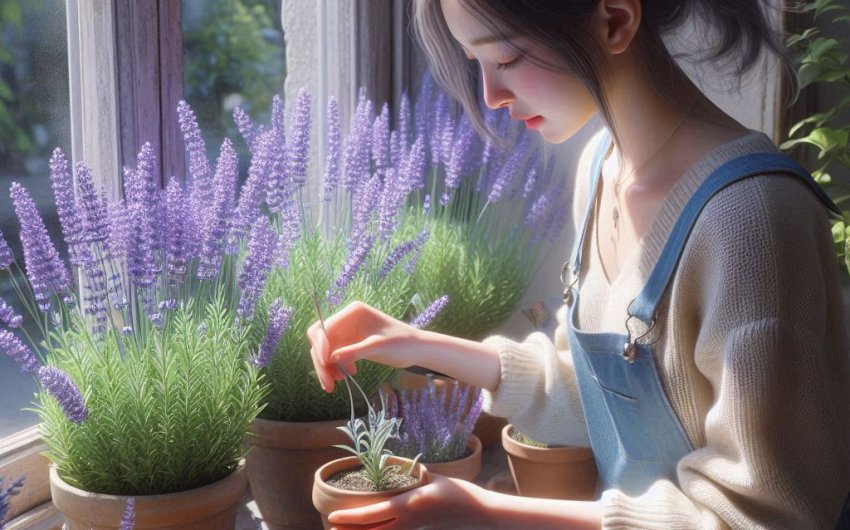
Growing lavender indoors is a fantastic way to bring the calming aroma and beauty of this beloved herb into your home. Whether you're looking to enjoy its scent, use its essential oils, or simply add a touch of greenery to your space, lavender is a great choice. Although lavender is typically grown outdoors in gardens, with the right care and conditions, you can successfully cultivate it indoors as well.
Here’s how you can grow lavender indoors and ensure your plant thrives.
Why Grow Lavender Indoors?
Growing lavender indoors comes with many benefits beyond its lovely appearance. Here are a few reasons to consider growing this fragrant herb inside your home:
- Aromatherapy: Lavender’s natural fragrance is known for its calming and stress-relieving properties, making it ideal for homes and workspaces.
- Air purification: Like many indoor plants, lavender can help purify the air by absorbing toxins and releasing oxygen.
- Versatility: You can use lavender for a variety of purposes, including making teas, sachets, essential oils, or adding a decorative touch to your home.
Even if you don’t have outdoor space, growing lavender indoors allows you to enjoy all these benefits year-round.
Get a lavender starter plant (available for $10–$25) to begin growing indoors.
Choosing the Right Lavender Variety
Not all lavender varieties are equally suited for indoor growing. Some types of lavender require more sunlight and space than others. When choosing a variety to grow indoors, it’s best to select compact varieties that thrive in containers. Here are some of the best types of lavender for indoor growing:
1. English Lavender (Lavandula angustifolia)
English lavender is one of the most popular and versatile varieties. It has a sweet fragrance and is known for its calming properties. English lavender is relatively compact, making it well-suited for indoor environments. Some common cultivars include 'Hidcote' and 'Munstead,' which are both great options for container growing.
Order English lavender seeds or plants (available for $8–$30) to grow this fragrant variety indoors.
2. French Lavender (Lavandula dentata)
French lavender is another excellent choice for growing indoors. It’s more tolerant of lower light conditions compared to other lavender types. French lavender is known for its serrated leaves and light purple flowers, which add a decorative element to any indoor space.
Find French lavender plants (available for $10–$25) to brighten up your home with their beautiful blooms.
3. Spanish Lavender (Lavandula stoechas)
Spanish lavender has unique, tufted flower spikes and is an eye-catching option for indoor growing. This variety thrives in bright, indirect light and is slightly more compact than English lavender, making it a great choice for indoor containers.
Shop for Spanish lavender seeds or plants (available for $10–$30) to enjoy its striking appearance in your indoor garden.
Choosing the Right Container
Lavender prefers well-draining soil, so selecting the right container is crucial. You’ll need a container that allows for good drainage, as lavender does not like to sit in waterlogged soil. Here are some important things to consider when choosing a pot:
- Size: Make sure your container is large enough to accommodate the lavender’s roots. A pot that is 12-16 inches in diameter is usually sufficient for most indoor lavender plants.
- Material: Terracotta pots are ideal because they allow the soil to dry out more effectively between waterings. Plastic pots can hold too much moisture, so if you choose a plastic pot, make sure it has plenty of drainage holes.
- Drainage: Ensure that your container has drainage holes at the bottom to prevent water from sitting in the soil and causing root rot.
Order a terracotta pot (available for $10–$35) to give your lavender the perfect home indoors.
The Best Soil for Indoor Lavender
Lavender needs light, well-draining soil to thrive. Unlike many other houseplants, lavender prefers soil that is slightly alkaline and not overly rich in organic matter. Here’s what to look for in soil:
- Well-draining: Choose a potting mix designed for cacti or succulents, as these are generally lighter and drain well. You can also mix regular potting soil with sand or perlite to improve drainage.
- pH level: Lavender prefers a slightly alkaline pH (around 6.5 to 7.5). You can use a soil pH tester to check the pH and add a bit of lime to raise the alkalinity if needed.
- Low-nutrient: Avoid over-fertilizing lavender. Too much nitrogen can result in leggy growth and fewer flowers. Lavender does best in soil with minimal fertilization.
Find potting mix for lavender (available for $10–$25) to ensure your lavender gets the perfect balance of nutrients and drainage.
Lighting Requirements for Indoor Lavender
Lavender is a sun-loving plant and needs plenty of light to grow well indoors. Here’s how to provide the right light conditions:
- Bright light: Lavender needs at least 6-8 hours of direct sunlight each day. Place your lavender near a south-facing window where it can get the most sunlight.
- Supplemental lighting: If your home doesn’t get enough natural light, consider using grow lights to supplement. Grow lights can help ensure your lavender gets the necessary light even in low-light conditions or during winter months.
- Rotate the pot: To encourage even growth, rotate your lavender plant every few days so all sides get an equal amount of sunlight.
Shop for grow lights (available for $20–$50) to give your lavender extra light in low-light conditions.
Watering Your Indoor Lavender
Watering is one of the most important aspects of growing lavender indoors. Lavender is drought-tolerant and prefers its soil to dry out between waterings. Here’s how to water your lavender properly:
- Let the soil dry out: Wait until the top inch of soil is completely dry before watering again. Overwatering can lead to root rot, which is one of the most common problems with indoor lavender.
- Water deeply: When you water, make sure to water deeply until it starts to drain out of the bottom of the pot. This encourages the roots to grow deep into the soil.
- Reduce watering in winter: Lavender enters a dormant phase in the winter and requires less water. During this time, reduce your watering frequency, but don’t let the plant dry out completely.
Find a moisture meter (available for $10–$20) to ensure you’re watering your lavender at the right time.
Humidity and Temperature Needs
Lavender thrives in dry, warm conditions, so it’s important to avoid over-humidifying your indoor space. Here’s how to maintain the ideal environment:
- Low humidity: Lavender prefers low humidity, so avoid placing it in bathrooms or kitchens where the air tends to be more humid. If necessary, you can use a dehumidifier to keep the air dry around your plant.
- Temperature: Lavender prefers temperatures between 60-70°F during the day and slightly cooler temperatures at night. Avoid placing your plant near drafts or heating vents, as sudden temperature changes can stress the plant.
Choose a thermometer and humidity monitor (available for $15–$30) to keep track of your indoor environment.
Pruning Lavender
Pruning is essential for keeping your lavender healthy and encouraging bushy growth. Here’s how and when to prune your lavender:
- Regular pruning: Trim your lavender lightly after it finishes flowering to encourage new growth and prevent the plant from becoming leggy. Use pruning shears to remove spent flowers and stems.
- Annual pruning: Each year, in late summer or early fall, prune your lavender back by about one-third. This helps the plant stay compact and encourages healthy growth in the next season.
Pruning not only keeps your lavender looking neat but also helps it focus its energy on producing more flowers.
Get a pair of pruning shears (available for $10–$25) to keep your lavender well-maintained.
Fertilizing Lavender
Lavender doesn’t require heavy feeding, but occasional fertilization can help promote healthy growth, especially in containers. Here’s how to fertilize indoor lavender:
- Minimal fertilizer: Use a balanced, slow-release fertilizer sparingly—once in early spring and once in mid-summer. Avoid over-fertilizing, as this can cause the plant to grow too quickly and become leggy.
- Organic options: You can also opt for organic fertilizers like compost tea or fish emulsion, which provide gentle nutrients without overloading the soil.
Find an organic fertilizer (available for $10–$25) to keep your lavender nourished.
Repotting Lavender
As your lavender plant grows, it may need to be repotted to give its roots more space. Repotting also helps refresh the soil and improve drainage. Here’s how to repot your lavender:
- When to repot: Repot your lavender every 1-2 years, or whenever the plant outgrows its container. Signs that it’s time to repot include roots growing out of the drainage holes or slow growth.
- How to repot: Choose a slightly larger container with good drainage. Gently remove the lavender from its current pot, being careful not to damage the roots. Place it in the new pot, fill in with fresh potting mix, and water thoroughly.
Order a new plant pot (available for $15–$40) when it’s time to repot your lavender.
Common Pests and Problems
While lavender is generally pest-resistant, indoor lavender can occasionally face problems. Here are a few common pests and how to deal with them:
- Aphids: These small, green insects can gather on new growth. Use a natural insecticidal soap or a mixture of water and dish soap to remove them.
- Spider mites: Spider mites thrive in dry indoor environments. If you notice webbing on your lavender, wipe the plant down with a damp cloth or use a mild pesticide.
- Root rot: Root rot is caused by overwatering or poor drainage. To prevent this, ensure that your lavender’s soil is well-draining and allow it to dry out between waterings.
Choose an organic pest control spray (available for $10–$25) to keep pests away from your indoor lavender.
Using Your Indoor Lavender
Once your lavender is thriving, you can start enjoying the benefits of this versatile herb. Here are some ways to use your indoor lavender:
- Harvesting flowers: Cut the flowers once they are fully open and use them in sachets, potpourri, or to make lavender tea.
- Essential oils: You can extract lavender oil by drying the flowers and using them in oil infusions. Lavender oil is great for promoting relaxation and easing tension.
- Cooking: Lavender can be used in cooking, especially in desserts like lavender shortbread or lemonade.
Find lavender oil extraction kits (available for $20–$50) to start making your own lavender oils at home.