
Grow Light for Indoor Plants: The Ultimate Guide to Plant Power
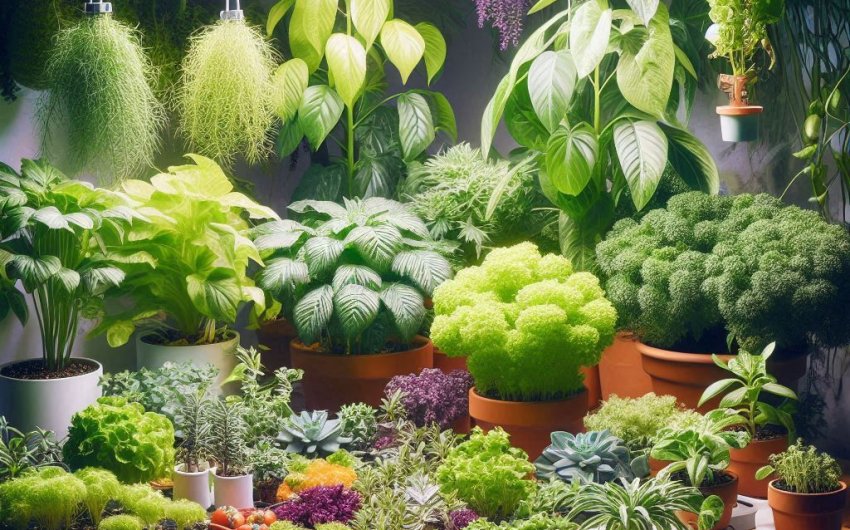
A grow light for indoor plants provides artificial light specifically tailored to support photosynthesis and healthy growth, especially in environments where natural light is insufficient. It delivers the necessary spectrum and intensity of light that plants need to thrive indoors, regardless of the season or window availability.
Why Do My Indoor Plants Need a Grow Light?
Even the brightest window may not provide enough natural light for your indoor plants, especially during shorter winter days or in homes with limited sun exposure. A grow light for indoor plants supplements or replaces natural light, ensuring your plants receive the energy they need to perform photosynthesis, grow robustly, and stay healthy.
Here are key reasons why your indoor plants might need a grow light:
- Insufficient Natural Light:
- North-facing windows: Offer consistently low light.
- Short winter days: Drastically reduce light intensity and duration.
- Obstructions: Trees, buildings, or curtains can block natural light.
- Indoor placement: Plants placed far from windows often don't get enough light.
- Leggy Growth (Etiolation): Plants stretch and become spindly, with long stems and sparse leaves, trying to reach a light source. This is a clear sign of insufficient light.
- Stunted Growth: Your plants aren't growing much, new leaves are small, or overall development is slow.
- Lack of Variegation: Variegated plants (with multiple colors in their leaves) may lose their vibrant patterns and revert to solid green.
- No Flowering/Fruiting: Plants that should flower or produce fruit fail to do so because they lack the energy.
- Leaf Drop or Yellowing: While also signs of watering issues, consistent leaf drop, especially of lower leaves, can indicate insufficient light.
- Seed Starting and Propagation: Grow lights are essential for providing consistent, strong light to young seedlings and cuttings, ensuring they develop into strong plants.
What is the Science Behind Grow Lights for Plants?
Plants use specific wavelengths of light for photosynthesis, the process by which they convert light energy into chemical energy for growth. A grow light for indoor plants is designed to mimic or optimize these essential wavelengths.
The Light Spectrum
The full spectrum of light is visible to the human eye as a rainbow. Plants, however, utilize different parts of this spectrum for various physiological processes:
- Blue Light (400-500 nm): Essential for vegetative growth, strong stems, and healthy leaf development. It helps regulate stomatal opening (pores for gas exchange) and overall plant structure.
- Red Light (600-700 nm): Crucial for flowering, fruiting, and overall plant height. It promotes stem elongation and flowering hormone production. Plants use it heavily during the reproductive stage.
- Green Light (500-600 nm): While historically thought to be reflected, recent research shows plants use some green light for photosynthesis, especially in dense canopies. It can penetrate deeper into foliage.
- Far-Red Light (700-800 nm): Influences stem elongation, flowering, and can promote larger leaves. It's often used in conjunction with red light.
- UV Light (Ultraviolet, <400 nm): While too much is harmful, small amounts can improve plant defenses, color, and essential oil production in some plants.
- Infrared Light (>700 nm): Contributes to plant health and can affect growth patterns and flowering.
PAR, PPF, and PPFD (Important Metrics)
When shopping for a grow light for indoor plants, you might encounter these terms:
- PAR (Photosynthetically Active Radiation): This refers to the range of light wavelengths (400 to 700 nanometers) that plants use for photosynthesis.
- PPF (Photosynthetic Photon Flux): Measures the total amount of PAR light emitted by a grow light per second, measured in micromoles per second (µmol/s). It tells you how much usable light the fixture puts out.
- PPFD (Photosynthetic Photon Flux Density): Measures the amount of PAR light that actually reaches a specific area of your plants per second, measured in micromoles per square meter per second (µmol/m²/s). This is the most crucial metric for plant growth, as it tells you the intensity of light hitting your plants. A higher PPFD generally means faster growth, but too high can cause stress.
What Are the Different Types of Grow Lights for Indoor Plants?
The market offers various types of grow light for indoor plants, each with its pros and cons regarding efficiency, cost, heat output, and light spectrum.
1. LED Grow Lights (Light Emitting Diodes)
LED grow lights are the most popular and rapidly evolving choice. They are highly efficient and customizable.
- Pros:
- Energy Efficient: Use less electricity than traditional lights.
- Low Heat Output: Reduces the risk of burning plants and lowers cooling costs.
- Long Lifespan: Can last tens of thousands of hours.
- Full Spectrum & Customizable: Available in full-spectrum white, specialized red/blue (purple light), or tunable spectrums.
- Compact Sizes: Available in small strips, bulbs, or powerful panels.
- Cons:
- Higher Upfront Cost: Can be more expensive to purchase initially.
- Best For: All types of indoor growing, from seedlings to flowering plants, and for supplemental lighting.
- Consider: A FULL SPECTRUM LED GROW LIGHT. Small USB GROW LIGHTS are great for small setups.
2. Fluorescent Grow Lights (T5, T8)
Fluorescent lights, particularly T5 and T8 tubes, are common for propagation, seedlings, and low-light plants.
- Pros:
- Lower Heat Output: Safe to place closer to plants.
- Affordable: Good initial cost.
- Good for Seedlings/Clones: Provide gentle, even light.
- Diffuse Light: Spreads light well over a wider area.
- Cons:
- Less Intense: Not powerful enough for heavy flowering or fruiting.
- Shorter Lifespan: Need bulb replacement more often than LEDs.
- Contain Mercury: Require proper disposal.
- Best For: Starting seeds, propagating cuttings, and growing low-to-medium light houseplants.
- Consider: A T5 GROW LIGHT FIXTURE.
3. High-Intensity Discharge (HID) Lights (MH, HPS)
HID lights (Metal Halide - MH, and High-Pressure Sodium - HPS) are powerful lights typically used for commercial growing or very large setups.
- Pros:
- Very High Intensity: Excellent for vigorous growth and heavy flowering/fruiting.
- MH (Blue Spectrum): Good for vegetative growth.
- HPS (Red/Orange Spectrum): Excellent for flowering.
- Cons:
- High Heat Output: Requires good ventilation and cooling.
- High Energy Consumption: More expensive to run.
- Large and Bulky: Requires specific fixtures and ballasts.
- Shorter Lifespan: Bulbs need frequent replacement.
- Best For: Large-scale growing, high-light plants, and maximizing yields. Not typically recommended for casual indoor plant enthusiasts due to heat and energy.
How Do I Choose the Right Grow Light for My Indoor Plants?
Choosing the right grow light for indoor plants depends on several factors, including your plant type, available space, budget, and specific growth goals.
1. Plant Needs
- Low Light Plants: (e.g., ZZ Plant, Snake Plant, Pothos, Peace Lily). Can thrive under lower intensity LEDs or even standard LED bulbs, or single fluorescent tubes.
- Medium Light Plants: (e.g., Monstera, Philodendron, Fiddle Leaf Fig). Benefit from more powerful full-spectrum LEDs or multiple fluorescent tubes.
- High Light Plants: (e.g., Succulents, Cacti, Herbs, Fruiting plants). Require strong full-spectrum LEDs or potentially HID lights (for very serious growers). These are the plants that truly benefit most from dedicated grow lights.
2. Light Spectrum
- Full Spectrum (White Light): Most common and recommended for houseplants. These LEDs emit a balanced spectrum that appears white to the human eye, mimicking natural sunlight. This is ideal for all stages of growth and is aesthetically pleasing in a home environment.
- Red/Blue (Blurple): Emit primarily red and blue light, appearing purple or pink. While highly effective for photosynthesis, they can be visually jarring in a living space. Often chosen for dedicated grow spaces.
3. Intensity and Coverage (PPFD)
- Seedlings/Cuttings: Require lower intensity (e.g., 100-200 PPFD).
- Vegetative Growth: Need moderate intensity (e.g., 200-400 PPFD).
- Flowering/Fruiting: Demand high intensity (e.g., 400-800+ PPFD).
- Coverage Area: Consider the footprint of the light and how many plants it can adequately illuminate. Manufacturers usually specify recommended coverage areas.
4. Form Factor
- Bulbs: Standard screw-in bulbs (E26/E27) that fit into regular lamps. Easy to use for a single plant or small area.
- Strips/Bars: Long, thin lights great for shelves, under cabinets, or providing supplemental light to rows of plants.
- Panels: More powerful, larger fixtures suitable for illuminating multiple plants or a dedicated grow space.
- Clip-On Lights: Convenient for individual plants or small collections, easily adjustable.
5. Budget and Energy Efficiency
- Upfront Cost vs. Running Cost: LEDs generally have a higher initial cost but lower running costs due to their efficiency and lifespan.
- Energy Star Rated: Look for energy-efficient options to save on electricity bills.
How Far Away Should My Grow Light Be From My Plants?
The distance between your grow light for indoor plants and your plants is crucial for delivering the right intensity. Too close, and you risk scorching; too far, and plants won't get enough light.
- LEDs: Generally can be closer due to lower heat output.
- Seedlings/Cuttings: 12-24 inches (30-60 cm) above the plants.
- Mature Plants (Low-Med Light): 18-36 inches (45-90 cm) depending on light strength.
- High Light Plants (e.g., succulents): Can be as close as 6-12 inches (15-30 cm) for powerful lights, but always monitor for heat stress.
- Fluorescents (T5/T8): Produce more heat than LEDs, so generally placed a bit further.
- Seedlings/Cuttings: 6-12 inches (15-30 cm) from the light.
- Mature Plants: 12-24 inches (30-60 cm).
- HID Lights: Generate significant heat and need to be much further away.
- General Rule: At least 2-3 feet (60-90 cm) or more, depending on wattage.
- Monitor Your Plants!
- Signs of Too Much Light/Heat: Leaves bleaching, turning yellow or brown, crispy edges, curling up, or scorched spots. Move the light further away.
- Signs of Too Little Light: Leggy growth, stretching, pale leaves, slow growth. Move the light closer.
- The Hand Test: For traditional lights (not cold LEDs), place your hand at plant height under the light for 30 seconds. If it feels uncomfortably hot for your hand, it's too hot for your plants.
How Long Should I Keep My Grow Light On Each Day?
The duration for which you run your grow light for indoor plants (photoperiod) depends on your plant type and its natural needs. Most plants need a period of darkness to complete their metabolic processes.
- Most Houseplants (Non-Flowering/Fruiting): 12-16 hours per day. This mimics long summer days and promotes vegetative growth.
- Succulents & Cacti: 12-16 hours of strong light per day. Some may even prefer up to 18 hours.
- Flowering Plants (to encourage bloom): Often benefit from 12-14 hours of light, followed by a consistent period of darkness (e.g., 10-12 hours of uninterrupted darkness) to initiate flowering (especially for short-day plants like Christmas Cactus).
- Seedlings & Cuttings: 14-16 hours per day for strong, vigorous starts.
- Avoid 24/7 Light: While some plants can tolerate it briefly, most plants need a dark period to carry out essential metabolic functions like respiration and root growth. Constant light can stress plants and hinder their development.
- Use a Timer: An automatic PLANT LIGHT TIMER is highly recommended. It ensures consistency and takes the guesswork out of daily light cycles.
Can I Use Regular LED Bulbs as a Grow Light?
While a regular LED bulb provides light, it's generally not optimized to be a dedicated grow light for indoor plants. However, it can work for certain situations.
- Standard LED Bulb:
- Pros: Cheap, readily available, low heat.
- Cons: Not full spectrum (often heavy on green/yellow, lacking sufficient red/blue for optimal plant growth). Lower intensity (PPFD) compared to true grow lights.
- When it's "Okay":
- Very Low Light Plants: For plants like ZZ plants or Snake Plants that merely need to survive in a dark corner, a bright standard LED bulb can offer some supplemental light.
- Temporary Solution: As a very short-term solution for plants needing a small boost.
- Why a True Grow Light is Better: A proper grow light for indoor plants is designed to provide the specific PAR wavelengths and intensity plants need for vigorous photosynthesis and healthy development, something a standard bulb simply isn't engineered for. The term "full spectrum" on a regular bulb usually means full spectrum for human vision, not plant growth.
How Do I Set Up My Grow Light System?
Setting up a grow light for indoor plants can be straightforward or more involved depending on your needs.
Basic Setup (for a few plants)
- Choose Your Light: A clip-on LED grow light bulb or a small LED bar light.
- Find a Location: Near existing plants or in a spot with some ambient light.
- Mount/Position: Clip the light onto a shelf or stand, or use a lamp with a full-spectrum grow light bulb.
- Height Adjustment: Position the light at the recommended distance from your plant.
- Add a Timer: Plug the light into a mechanical or digital timer.
Shelf or Rack Setup (for multiple plants)
- Get a Shelving Unit: A simple wire rack or bookshelf works well.
- Select Bar/Strip Lights: These are ideal for illuminating multiple shelves.
- Attach Lights: Use zip ties, adhesive strips, or clips to secure the lights to the underside of each shelf.
- Plant Placement: Arrange plants based on their light needs, placing high-light plants directly under the strongest light.
- Ventilation: Ensure good airflow, especially if using multiple lights, to prevent heat buildup. A small fan can help.
Dedicated Grow Tent Setup (for advanced growers)
- This involves a reflective grow tent, powerful LED panels, ventilation fans, and environmental controllers. This is for maximizing growth, humidity control, and odor filtration.
Common Problems and Troubleshooting with Grow Lights
While a grow light for indoor plants can solve many issues, improper use can lead to new problems.
Problem: Scorched or Bleached Leaves
- Cause: Light is too intense or too close to the plant, causing light burn or heat stress.
- Solution: Raise the light further from the plant. Reduce the duration if possible. Monitor for heat radiating from the light.
Problem: Leggy or Stretched Growth Continues
- Cause: Light is not intense enough, or it's too far away from the plant.
- Solution: Move the light closer to the plant. Consider a more powerful grow light if existing one is too weak for your plant's needs. Increase the duration of light.
Problem: Algae Growth on Soil Surface
- Cause: Too much light combined with consistently wet soil.
- Solution: Reduce light intensity or duration. Allow the topsoil to dry out more between waterings. Algae is usually harmless but indicates very moist conditions.
Problem: Yellowing Lower Leaves
- Cause: While often due to overwatering, it can also indicate insufficient light (plant sheds less efficient leaves).
- Solution: Evaluate watering habits first. If soil is drying out correctly, then assess if the light is bright enough.
Problem: No New Growth / Stunted Growth
- Cause: Can be due to too little light, but also related to nutrient deficiencies, improper watering, or being root-bound.
- Solution: Ensure proper light intensity and duration. Check watering habits. Consider fertilizing during the growing season. Check if the plant needs repotting.
Problem: Excessive Heat in Grow Area
- Cause: Grow lights, especially older HIDs, generate heat. Lack of ventilation.
- Solution: Ensure good airflow around plants and lights. Use a small fan. Consider switching to lower heat LED grow lights.
By understanding how a grow light for indoor plants works, choosing the right type for your needs, and knowing how to position and operate it, you can provide your plants with the essential light they need to flourish. This not only solves common plant problems but unlocks their full potential, allowing you to grow a wider variety of plants and enjoy vibrant, healthy greenery all year round.