
How to Grow Succulents from Cuttings: A Beginner’s Guide
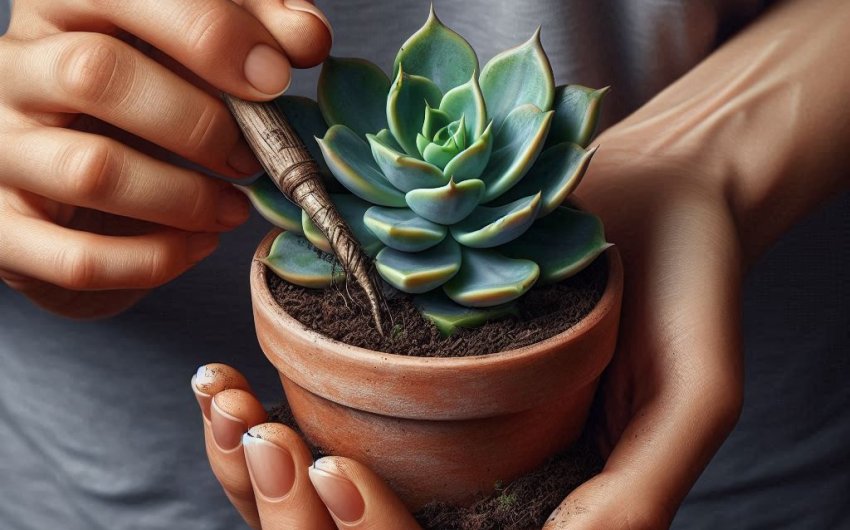
Growing succulents from cuttings is an incredibly easy and rewarding way to propagate new plants, essentially by taking a piece of an existing succulent, allowing it to dry and callus, and then rooting it in well-draining soil. This beginner-friendly method allows you to multiply your succulent collection or share them with friends.
Why Grow Succulents from Cuttings?
Growing succulents from cuttings is one of the most popular and successful methods of succulent propagation. It offers numerous benefits for both new and experienced plant enthusiasts.
Easy and High Success Rate
- Beginner-Friendly: Unlike growing from seeds, which can be challenging and slow, taking cuttings is straightforward and generally has a very high success rate. Succulents are naturally resilient and eager to root.
- Quick Results: While not instant, you'll typically see roots forming within a few weeks, and new plant growth can begin soon after. This is much faster than waiting for seeds to germinate and mature.
- Minimal Equipment: You don't need fancy tools or extensive setups. Just a sharp blade, some well-draining soil, and a sunny spot.
Cost-Effective Plant Multiplication
- Free Plants: Instead of buying new succulents, you can create more plants from your existing collection or from pieces given by friends. This is a fantastic way to expand your plant collection without spending a dime.
- Sharing and Gifting: Cuttings are perfect for sharing your favorite succulents with other plant lovers. They make great gifts.
Rejuvenating Existing Plants
- "Beheading" Leggy Succulents: As succulents grow, especially if they don't get enough light, they can become "leggy" or stretched out with large gaps between leaves. Taking a cutting from the top (beheading) allows you to restart the plant, creating a more compact and attractive specimen. The remaining stem often sprouts new babies too!
- Saving Damaged Plants: If a succulent has stem rot or significant damage to its lower portion, you can often save the healthy top section by taking a cutting and re-rooting it.
Experimentation and Creativity
- Creating Arrangements: With an abundance of free cuttings, you can experiment with different succulent arrangements, dish gardens, or even vertical planters.
- Learning Opportunity: It's a great way to learn about plant propagation and observe the fascinating rooting process firsthand.
Growing succulents from cuttings is a truly gratifying experience, empowering you to create a thriving succulent oasis from just a few small pieces.
What Types of Succulent Cuttings Can I Take?
Succulents are incredibly versatile when it comes to propagation. You can grow succulents from cuttings taken from different parts of the plant, including stems, leaves, and even offsets. The type of cutting largely depends on the specific succulent species.
1. Stem Cuttings
This is the most common and often the fastest method for propagating many types of succulents, especially those with an upright or trailing growth habit.
- What it is: A section of stem with a few leaves attached. This is ideal for succulents that have become leggy or those you want to prune for shape.
- Best for: Most Echeveria, Sedum, Kalanchoe, Crassula (e.g., Jade Plants), Senecio (e.g., String of Pearls), Euphorbia (use caution with milky sap).
- How to take: Cut a 2-4 inch section of healthy stem using a clean, sharp knife or pruning shears. Remove the bottom few leaves from the cutting to expose about an inch or two of bare stem.
2. Leaf Cuttings
This method allows you to propagate many succulents from a single leaf, yielding multiple new plants from just one mother plant. It's slower than stem cuttings, but highly rewarding.
- What it is: A single, healthy leaf removed cleanly from the stem.
- Best for: Many Echeveria, Sedum (especially 'Burro's Tail' or 'Donkey's Tail'), Crassula, Graptopetalum, Pachyphytum.
- How to take: Gently twist or snap a full, healthy leaf from the stem. It's crucial that the leaf comes off cleanly, without any part of it tearing or remaining on the main stem. The "callus" or base of the leaf needs to be intact for roots and a new plant to form.
3. Offsets/Pups
Many succulents naturally produce "offsets" or "pups" – small, miniature versions of the parent plant that grow at the base or along the stem. These are essentially pre-rooted cuttings.
- What it is: A baby succulent growing off the main plant.
- Best for: Many Echeveria, Sempervivum (Hens and Chicks), Agave, Aloe, Haworthia, Gasteria.
- How to take: If the offset has developed its own root system, you can gently twist or cut it away from the mother plant and plant it directly. If it's very small and without roots, treat it like a stem cutting (allow to callus) or a leaf cutting, depending on its structure.
Always choose healthy, disease-free cuttings from a well-hydrated parent plant for the best chance of success.
What Tools and Materials Do I Need to Grow Succulents from Cuttings?
Gathering your tools and materials before you start will make the process of growing succulents from cuttings smooth and enjoyable. You won't need much, but having the right supplies ensures success.
Essential Tools
- Sharp Pruning Shears or Knife:
- Why: A clean cut minimizes damage to both the parent plant and the cutting, reducing the risk of disease. Dull tools can crush stems, making it harder for the cutting to callus and root.
- Recommendation: A small pair of Bypass Pruning Shears or a sharp utility knife works well.
- Rubbing Alcohol (Isopropyl Alcohol) or Bleach Solution:
- Why: To sterilize your cutting tools before and after use. This prevents the spread of diseases from one plant to another.
- How to use: Wipe blades with alcohol or dip in a 10% bleach solution (1 part bleach to 9 parts water) and let air dry.
- Gloves (Optional, but Recommended for Spiny Varieties):
- Why: To protect your hands from spines or irritating sap (some succulents, like Euphorbias, have a milky sap that can cause skin irritation).
- Recommendation: Regular gardening gloves or disposable gloves.
Essential Materials
- Healthy Succulent Plant (to take cuttings from):
- Why: The source of your new plants! Ensure the mother plant is healthy, pest-free, and well-hydrated.
- Well-Draining Potting Mix (Succulent/Cactus Mix):
- Why: This is paramount. Succulents need soil that drains quickly to prevent root rot. Regular potting soil retains too much moisture.
- Recommendation: Look for a specialized Succulent and Cactus Potting Mix. You can also make your own by mixing regular potting soil with perlite, pumice, or coarse sand (at least 50% gritty material).
- Pots or Trays with Drainage Holes:
- Why: Proper drainage is critical. Roots will rot in containers without drainage.
- Recommendation: Small plastic pots, terracotta pots, or shallow propagation trays. Terracotta is often preferred as its porous nature helps the soil dry out faster. Small Terracotta Pots
- Optional: Rooting Hormone Powder:
- Why: While not strictly necessary for many succulents (they root easily on their own), rooting hormone can speed up the rooting process and increase the success rate, especially for slower-to-root varieties or in less ideal conditions.
- Recommendation: Look for a rooting hormone specifically for cuttings. Rooting Hormone Powder
By having these basic supplies on hand, you'll be well-equipped to start your succulent propagation journey with confidence.
What Are the Steps to Grow Succulents from Cuttings?
Growing succulents from cuttings involves a few straightforward steps, but patience and understanding the unique needs of succulents are key. The most crucial part is allowing the cutting to "callus" before planting.
Step-by-Step Guide
Take the Cutting:
- Stem Cuttings: Using your clean, sharp shears or knife, cut a healthy stem section, typically 2-4 inches long. Ensure the cutting has several leaves. Remove the bottom 1-2 inches of leaves to expose bare stem.
- Leaf Cuttings: Gently twist or snap a plump, healthy leaf off the main stem. Make sure the entire base of the leaf (the part that connects to the stem) remains intact. A clean break is essential for success.
- Offsets/Pups: If they have roots, carefully twist or cut them away. If rootless, treat like a stem cutting.
Allow to Callus:
- Why: This is the most critical step and often where beginners make mistakes. Succulent cuttings need to dry out and form a protective scab (a "callus") over the cut end. This prevents rot when the cutting is introduced to moisture.
- How: Place the cuttings in a dry, warm location with good air circulation, out of direct sunlight. A windowsill, a clean tray, or even just sitting on a counter works.
- Duration: Callusing time varies by succulent type and environmental conditions. It can take anywhere from 2-3 days for thin stems or small leaves to 1-2 weeks or even longer for thicker stems. The cut end should feel dry and firm to the touch.
Optional: Apply Rooting Hormone:
- Once the callus has formed, if you're using rooting hormone, lightly dip the callused end of the cutting (stem or leaf base) into the powder. Tap off any excess.
Plant the Cutting:
- Stem Cuttings: Gently insert the callused stem end into your well-draining succulent potting mix. Plant deep enough so the cutting stands upright on its own, usually about 1-2 inches deep.
- Leaf Cuttings: Lay the callused leaf flat on top of the soil, or lightly insert the callused end just barely into the soil. Some prefer to just lay them on the surface.
- Pot Size: Use small pots or a shallow tray. Don't over-pot, as too much soil can retain excess moisture.
- Succulent Propagation Tray
Initial Watering (or lack thereof):
- Do NOT water immediately after planting. Wait several days to a week after planting to give the cutting more time to settle and further reduce any risk of rot.
- After the initial waiting period, give a very light watering.
Provide Ideal Conditions for Rooting:
- Light: Place your planted cuttings in a location that receives bright, indirect light. Avoid intense direct sunlight, which can scorch the tender cuttings.
- Temperature: Maintain a warm temperature, ideally 70-80°F (21-27°C).
- Watering: This is the most crucial part after planting. Water sparingly!
- For stem cuttings, water only when the soil has completely dried out.
- For leaf cuttings, a light misting of the soil surface every few days might be enough until roots form.
- The goal is to provide just enough moisture to encourage roots without rotting the cutting. Err on the side of underwatering.
- Patience: Rooting can take anywhere from 2 weeks to 2 months or more, depending on the succulent type and conditions.
Checking for Roots and New Growth:
- Stem Cuttings: After a few weeks, gently tug on the cutting. If you feel resistance, roots have formed. You might also see tiny new leaves emerging from the top or along the stem.
- Leaf Cuttings: You'll typically see tiny roots emerging from the callused end first, followed by a tiny "pup" (miniature succulent) forming at the base of the leaf. The original leaf will eventually shrivel and fall off.
Transition to Regular Care:
- Once the cutting has developed a good root system and shows significant new growth, you can gradually transition it to the regular succulent care routine (more light, deep but infrequent watering).
Growing succulents from cuttings is a rewarding process that truly showcases the resilience of these amazing plants.
How Do I Care for Newly Rooted Succulent Cuttings?
Once your succulent cuttings have successfully rooted and started producing new growth, their care transitions slightly from the initial rooting phase to a more standard succulent care routine. The key is to gradually acclimate them to more light and a consistent watering schedule.
1. Light and Location
- Gradual Acclimation: For the first few weeks after roots have established, keep your new succulents in bright, indirect light. Avoid immediately moving them into intense direct sun, which can shock them.
- Increase Light Slowly: Over a period of a week or two, gradually introduce them to stronger light conditions, moving them closer to a sunny window or into their final bright spot. Watch for signs of stress, like leaves turning pale or red too quickly (which can indicate too much sun, too soon).
- Ideal Light: Established succulents generally prefer at least 6 hours of bright, direct sunlight per day to maintain compact growth and vibrant colors.
2. Watering
- Deep and Infrequent: This is the golden rule for all succulents. Once roots are established, you can water more thoroughly, but allow the soil to dry out completely between waterings.
- How to Check: Stick your finger 1-2 inches into the soil. If it feels dry, it's time to water. If it still feels moist, wait.
- Thorough Soaking: When you do water, water until it drains out of the bottom of the pot. Ensure the entire root ball gets hydrated.
- Seasonality: Adjust watering frequency based on the season. Succulents generally need less water in their dormant period (often winter) and more during their active growing season (spring/summer).
- Drainage is Key: Always ensure your pots have drainage holes and your soil is fast-draining to prevent root rot.
3. Fertilizing (Minimal)
- Established Roots: You can begin to fertilize very lightly once the plant is well-rooted and showing consistent new growth.
- Diluted Fertilizer: Use a balanced liquid fertilizer specifically formulated for succulents or cacti, and dilute it to half or even quarter strength.
- Frequency: Fertilize only during the active growing season (spring and summer), typically once a month or even less frequently (e.g., once every 2-3 months). Succulents generally don't require heavy feeding. Succulent & Cactus Liquid Plant Food
4. Potting Up (When Necessary)
- Don't Rush: Newly rooted cuttings can stay in their small propagation pots or trays until they have developed a robust root system and are starting to outgrow their current space.
- Slightly Larger Pot: When potting up, choose a pot that is only slightly larger than the current one (e.g., 1-2 inches wider in diameter). Over-potting can lead to too much soil, which retains excess moisture and increases the risk of root rot.
- Fresh Soil: Always use fresh, well-draining succulent potting mix when repotting.
5. Pest and Disease Monitoring
- Inspect Regularly: Keep an eye on your new succulents for any signs of pests (e.g., mealybugs, spider mites) or diseases (e.g., rot). Healthy, thriving succulents are more resistant, but new plants can be vulnerable.
- Prompt Treatment: Address any issues promptly with appropriate organic pest control methods if necessary.
By providing consistent and appropriate care, your newly rooted succulent cuttings will quickly grow into beautiful, mature plants, adding to your thriving collection.
What Common Problems Occur When Growing Succulents from Cuttings?
While growing succulents from cuttings is generally easy, beginners can sometimes encounter common problems. Understanding these issues can help you troubleshoot and increase your success rate.
1. Cuttings Rotting Before Rooting
This is the most frequent and disheartening problem.
- Cause: Almost always due to excess moisture before the cutting has developed roots and a protective callus. Planting a cutting that isn't fully callused into damp soil, or overwatering too soon, allows bacteria and fungi to attack the vulnerable tissue.
- Signs: The stem or leaf base turns black, mushy, and often smells foul.
- Solution:
- Ensure Proper Callusing: Always allow cuttings to form a completely dry, firm callus for sufficient time (days to weeks) before planting.
- Use Well-Draining Soil: Plant in a succulent-specific soil mix with plenty of grit.
- Water Sparingly: Do not water immediately after planting. Wait at least a few days to a week. Then, water only very lightly when the soil is completely dry. Err on the side of underwatering.
- Good Air Circulation: Ensure the curing and rooting area has good airflow.
2. Cuttings Not Rooting (or Taking a Very Long Time)
Sometimes cuttings just seem to sit there, doing nothing.
- Causes:
- Not Enough Callusing: If the cut isn't properly callused, the plant might put energy into forming a callus instead of roots.
- Too Much Water: While rotting is the extreme, too much moisture without rotting can still inhibit rooting. Cuttings need a slight "stress" to encourage root growth.
- Too Little Light/Warmth: Cuttings need bright, indirect light and warmth (ideally 70-80°F / 21-27°C) to stimulate metabolic processes needed for rooting.
- Unhealthy Cutting: A weak, diseased, or over-stressed cutting from the start may struggle.
- Incorrect Orientation (for leaf cuttings): If a leaf is not laid with its base in contact with the soil, it may not root.
- Solutions:
- Check Callus: Re-evaluate if the callus was sufficient.
- Adjust Watering: Ensure you are not overwatering. Allow the soil to dry out between very light waterings.
- Increase Light/Warmth: Move to a brighter, warmer location.
- Patience: Some varieties just take longer. Give them time.
3. New Growth is Leggy or Stretched Out (Etiolated)
The new growth looks weak, pale, and stretched with wide gaps between leaves.
- Cause: Insufficient light. This is a common problem when cuttings are kept in too much shade or low light during the rooting phase or after.
- Signs: Stem elongates quickly, leaves are far apart, and overall plant looks weak and pale.
- Solution: Gradually move the cutting to a location with more bright, indirect light. Once established, it will need ample direct sun. Unfortunately, stretched growth cannot revert, but new, compact growth will emerge once light conditions are corrected. You might need to take new cuttings from the healthy compact growth if it gets very etiolated.
4. Leaves Shriveling and Dying (on the Cutting Itself)
- Causes:
- Underwatering (after rooting): Once roots have formed, the cutting needs regular, deep watering (with dry periods in between) to sustain its growth.
- Not Enough Roots: If the cutting appears rooted but still shrivels, it might not have developed a sufficient root system to absorb enough water.
- Natural Process (Leaf Cuttings): For leaf cuttings, the original "mother" leaf will eventually shrivel and die as the new plant forms and uses its energy. This is normal.
- Solutions:
- Check Roots: Gently tug on stem cuttings to confirm root presence. For leaf cuttings, wait until the new plant is well-formed.
- Increase Water (if truly dry): If roots are present and the soil is bone dry, water thoroughly.
- Patience: Sometimes a strong root system just takes time.
By understanding these common pitfalls, you can often correct issues early and ensure a higher success rate when growing succulents from cuttings, truly becoming a succulent propagation pro.