
How Frequently Do Phalaenopsis Orchids Need Watering?
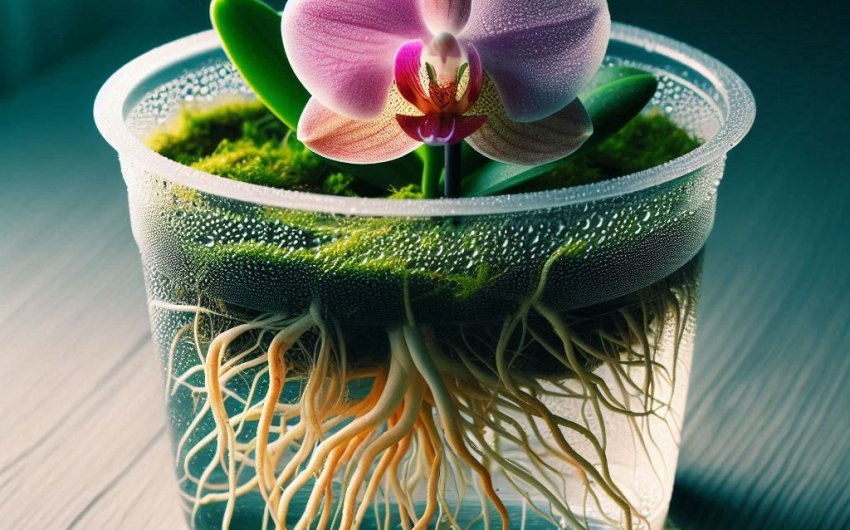
Phalaenopsis orchids typically need watering every 7-10 days, but the exact frequency depends heavily on environmental factors like light, temperature, humidity, and the type of potting media. It's crucial to water when the roots appear silvery-green and the potting mix is nearly dry, rather than sticking to a strict schedule.
Why Is Watering So Important for Phalaenopsis Orchids?
Proper watering is the single most critical factor for the health and longevity of Phalaenopsis orchids. These plants are epiphytes in their natural habitat, meaning they grow on trees, not in soil. Their roots are adapted to absorb moisture quickly and then dry out completely.
- Mimics Natural Habitat: Correct watering mimics the wet-dry cycles of their native rainforest environment.
- Prevents Root Rot: Overwatering is the most common killer of orchids. It deprives roots of oxygen, leading to rot.
- Supports Photosynthesis: Adequate water allows the plant to perform photosynthesis and grow new leaves and flowers.
- Nutrient Uptake: Water carries nutrients to the plant.
How Do You Know When a Phalaenopsis Orchid Needs Watering?
Relying solely on a calendar schedule can lead to problems. Instead, observe these key indicators to determine when to water Phalaenopsis orchids:
Root Color
- Silvery-Green or Grey: This is the primary visual cue. Healthy, dry roots appear silvery or grey. This means they are ready for water.
- Bright Green: After watering, healthy roots will turn a vibrant, bright green. This indicates they are fully hydrated.
- Brown or Mushy: A sign of root rot, often caused by overwatering. These roots are no longer healthy.
Potting Media Dryness
- Lightweight Pot: Lift the pot. If it feels noticeably lighter than after watering, it's likely dry.
- Visual Inspection: Look at the bark or moss. If bark pieces look shriveled or the moss feels crunchy, it's dry.
- Finger Test: Insert a finger an inch or two into the media. If it feels dry, it's time to water.
Condensation in the Pot
- None or Minimal: If you see little to no condensation on the inside of a clear plastic pot, the media is drying out.
- Visible Condensation: Indicates moisture is still present, so wait longer.
What Factors Affect How Frequently Phalaenopsis Orchids Need Watering?
Several environmental and cultural factors directly influence how frequently Phalaenopsis orchids need watering. Understanding these helps you adjust your routine.
Temperature
- Warm Temperatures: Orchids dry out faster in warmer environments. You may need to water every 5-7 days.
- Cooler Temperatures: In cooler conditions, evaporation is slower, so watering every 10-14 days might be sufficient.
Humidity
- Low Humidity: In dry air, plants lose moisture more quickly. You'll need to water more often, and consider increasing humidity around your orchid.
- High Humidity: Reduces water loss through leaves and media. Watering can be less frequent.
Light Levels
- Brighter Light: Increases growth and metabolism, leading to faster water uptake and evaporation. Orchids in brighter light need more frequent watering.
- Lower Light: Slows growth and water usage. Orchids in lower light will need less frequent watering.
Potting Media Type
The medium your Phalaenopsis orchid is potted in is one of the most significant factors influencing watering frequency.
- Orchid Bark: Dries out quickly, typically requiring watering every 5-7 days. It provides excellent aeration. Many Orchid Potting Mix products are bark-based.
- Sphagnum Moss: Retains water for a longer period, sometimes requiring watering only every 10-14 days, or even less frequently. It's crucial not to overwater in moss. Sphagnum Moss for Orchids is often used.
- Mixes (Bark, Perlite, Charcoal): These vary in drainage. Pay close attention to root color and pot weight.
Pot Size and Material
- Smaller Pots: Dry out faster than larger pots.
- Terracotta Pots: Porous material, allowing water to evaporate through the sides, leading to faster drying.
- Plastic Pots: Retain moisture longer as they are non-porous. Most Phalaenopsis orchids are sold in clear plastic pots, which are ideal for observing root health.
Growth Stage
- Active Growth (New leaves, roots, or flower spike): The plant is using more water and nutrients, so watering may need to be more frequent.
- Dormancy or Resting Period (after flowering): Water needs decrease significantly.
What is the Best Way to Water Phalaenopsis Orchids?
There are several effective methods for watering Phalaenopsis orchids, each with its benefits. The goal is to thoroughly soak the roots without letting the plant sit in standing water.
Method 1: Soaking (Recommended)
This method ensures thorough hydration and helps flush out mineral salts.
- Place in Water: Remove the orchid from its decorative pot (if applicable) and place the clear plastic pot into a larger container, such as a bowl or a bucket.
- Add Water: Fill the container with lukewarm water up to the rim of the orchid's pot, ensuring the potting media is submerged. Do not submerge the crown (where leaves meet the stem) to prevent crown rot. Use filtered, distilled, or rainwater if possible. Tap water is usually fine if not too hard.
- Soak: Let the orchid soak for 15-30 minutes. This allows the bark or moss to fully rehydrate.
- Drain Thoroughly: Remove the orchid from the water and let it drain completely. Lift the pot and tilt it to ensure all excess water escapes from the drainage holes. Crucially, do not return the orchid to its decorative pot until all water has stopped dripping. Standing water in the decorative pot will lead to root rot.
Method 2: Under the Faucet
A quick and effective method for busy orchid owners.
- Rinse: Take your orchid to a sink and run lukewarm water over the potting media for about 30 seconds to a minute.
- Drain: Allow all excess water to drain out of the pot's drainage holes. Again, ensure no standing water remains.
Method 3: Ice Cubes (Use with Caution)
While popular, this method has mixed reviews among orchid enthusiasts. The idea is slow, consistent water release.
- Place Ice Cubes: Place 2-3 standard-sized ice cubes on top of the potting media, avoiding direct contact with leaves or the crown.
- Melt Slowly: The ice will melt slowly, providing a gradual watering.
- Considerations: Some argue the cold can shock the roots. Also, this method might not provide enough water for larger plants or those in very dry environments. Use filtered water if your tap water contains high levels of dissolved salts, as these can build up over time. An Orchid Watering Can with a narrow spout can be useful for precise watering if not using the soaking method.
What Kind of Water Should You Use for Phalaenopsis Orchids?
The quality of water can impact your orchid's health over time.
- Rainwater: Ideal, as it's naturally soft and free of chlorine and minerals.
- Distilled Water or Reverse Osmosis (RO) Water: Excellent choices, free from impurities.
- Filtered Water: If your tap water is very hard or heavily chlorinated, a water filter can improve its quality. A Brita Filter Pitcher works well for small amounts.
- Tap Water: Generally acceptable if it's not excessively hard or high in dissolved salts. Let tap water sit out for 24 hours to allow chlorine to dissipate.
What Are the Signs of Underwatering a Phalaenopsis Orchid?
It's better to underwater slightly than to overwater. Signs of underwatering are often easier to recover from.
- Shriveled or Wrinkled Leaves: The most common sign. Leaves may also feel soft and leathery instead of firm.
- Silver/Grey Roots: Roots remain silver/grey even after a short period.
- Dry, Brittle Potting Media: Media feels excessively dry and light.
- Lack of New Growth: Stunted or absent new root, leaf, or flower spike growth.
- Brown Root Tips: Can indicate prolonged dryness.
What Are the Signs of Overwatering a Phalaenopsis Orchid?
Overwatering is the number one cause of orchid death. It's crucial to recognize these signs early.
- Yellowing Leaves: Often starting from the bottom, leaves turn yellow and may drop off.
- Mushy, Brown, or Black Roots: Healthy roots turn soft, slimy, and dark brown or black. This is root rot.
- Foul Odor: A decaying smell coming from the pot, indicating rot.
- Mold or Fungus: Growth of mold or algae on the potting media or pot.
- Wilting Leaves Despite Wet Media: The roots are rotted and cannot absorb water, even if the media is wet.
How Do You Treat an Overwatered Phalaenopsis Orchid?
If you suspect overwatering, immediate action can save your plant.
- Unpot the Orchid: Carefully remove the orchid from its pot.
- Inspect Roots: Gently remove all old potting media. Examine the roots.
- Trim Rotted Roots: Using sterile scissors or a razor blade, cut away all brown, black, mushy, or stringy roots. Healthy roots are firm and white or green.
- Repot with Fresh Media: Repot the orchid in fresh, dry, well-draining orchid potting mix. Do not reuse old, degraded media. Use a Repotting Kit for Orchids if available.
- Withhold Water: Do not water the repotted orchid for several days to allow any cuts to heal and for the roots to adjust.
- Adjust Watering Routine: Re-evaluate your watering frequency based on the factors discussed earlier. Water only when signs indicate it's truly needed.
When Should You Repot Phalaenopsis Orchids?
Repotting is essential for long-term health, as potting media breaks down over time.
- Every 1-2 Years: Even if the plant seems happy, the media will degrade.
- After Flowering: The best time to repot is immediately after the flowers drop.
- Signs of Needing Repotting:
- Potting media is breaking down, looks mushy or compacted.
- Roots are growing out of the pot.
- Signs of root rot despite proper watering.
- Algae or mold growth in the pot.
Other Essential Care Tips for Phalaenopsis Orchids
Beyond watering, these factors are crucial for a thriving Phalaenopsis orchid.
Light
- Bright, Indirect Light: Phalaenopsis prefer bright light, but not direct sun, which can scorch their leaves. An east-facing window is often ideal. North-facing is usually too dark; south or west-facing might be too intense without sheer curtains.
- Signs of Too Much Light: Reddish tint on leaves, scorched spots.
- Signs of Too Little Light: Dark green leaves, lack of blooming.
Humidity
- Ideal Humidity: 50-70% humidity is preferred.
- Increase Humidity:
- Use a pebble tray: Place pebbles in a tray and fill with water, ensuring the pot sits on the pebbles, not in the water. A Pebble Tray for Plants can help.
- Use a room humidifier: Especially beneficial in dry climates or during winter. A Plant Humidifier can work wonders.
- Group plants: Plants release moisture, creating a localized humid environment.
- Avoid Misting Leaves: While some believe misting helps, it often only wets the leaf surface and can lead to bacterial or fungal spots, especially if water sits in the crown.
Air Circulation
- Good Air Flow: Important to prevent fungal issues, especially if humidity is high.
- Avoid Stagnant Air: Place orchids where there's gentle air movement, but away from direct drafts.
Fertilizing
- "Weakly, Weekly": A common recommendation. Use a balanced orchid-specific fertilizer diluted to 1/4 to 1/2 strength with almost every watering.
- Fertilizer Type: Look for a balanced fertilizer (e.g., 20-20-20 or 10-10-10) specifically formulated for orchids. Orchid Fertilizer is readily available.
- Flush Regularly: Every 3-4 weeks, flush the pot with plain water to remove accumulated fertilizer salts, which can burn roots.
- Reduce in Winter: Fertilize less frequently during the cooler, darker months when growth slows.
Temperature Range
- Daytime: 65-80°F (18-27°C)
- Nighttime: 60-70°F (15-21°C)
- Temperature Drop for Blooming: A consistent 10-15°F (6-8°C) drop between day and night temperatures for several weeks in fall can encourage flower spike development.
Troubleshooting Common Phalaenopsis Orchid Issues
No Blooms
- Cause: Insufficient light, too high night temperatures (no temperature drop), inconsistent watering, nutrient imbalance (too much nitrogen), plant is too young or stressed.
- Solution: Ensure bright, indirect light. Provide a night temperature drop. Use a balanced fertilizer with higher phosphorus for blooming. Ensure consistent care.
Shriveling Pseudobulbs (if present, though rare in Phalaenopsis)
- Cause: Severe underwatering or severe root rot preventing water absorption.
- Solution: Check roots first. If dry, water thoroughly. If rotted, repot and prune.
Spots on Leaves
- Brown/Black Sunburn Spots: Too much direct light. Move to a shadier spot.
- Yellow/Brown Soft Spots: Bacterial or fungal infection, often from water sitting on leaves/crown. Improve air circulation, avoid crown wetting.
- Sticky Residue (Honeydew): Sign of sap-sucking pests like scale or mealybugs. Inspect and treat with insecticidal soap or neem oil.
Understanding Your Orchid's Needs
Mastering how frequently Phalaenopsis orchids need watering is about understanding its specific environmental conditions and learning to read its cues. By paying attention to root color, pot weight, and media dryness, rather than a rigid schedule, you'll develop an intuitive sense for your orchid's hydration needs. This attentive approach to watering, combined with proper light, humidity, and airflow, will ensure your beautiful Phalaenopsis orchid thrives and rewards you with stunning blooms year after year.