
How to Build a Living Wall for Garden Decor?
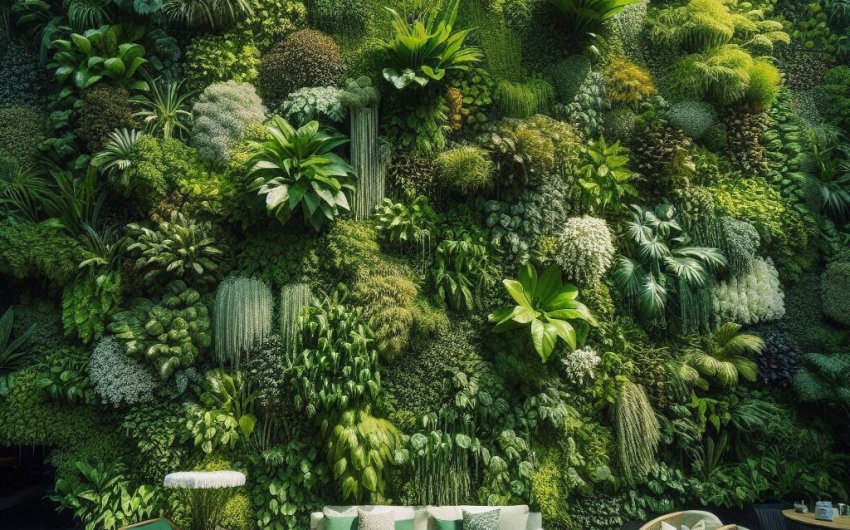
You can build a living wall for garden decor by choosing a suitable system (pocket planters, modular panels, or DIY pallets), selecting the right plants for your light and climate, and setting up an efficient watering system. This creates a beautiful vertical garden, ideal for small spaces or adding a stunning green feature.
What is a Living Wall and Why Build One?
A living wall, also known as a vertical garden or green wall, is a structure that allows plants to grow vertically on a freestanding or attached panel. Instead of spreading out across the ground, plants grow upwards, creating a lush, green tapestry. This innovative approach to gardening offers numerous benefits beyond just aesthetic appeal.
Maximizing Small Spaces
One of the primary reasons to build a living wall is to maximize planting space, especially in urban environments or properties with limited horizontal garden area. If you have a small patio, a tiny backyard, or even just a balcony, a living wall transforms an otherwise unused vertical surface into a vibrant garden. You can grow herbs, flowers, or even vegetables without taking up precious ground space.
Enhancing Garden Decor and Aesthetics
A living wall is an instant garden decor statement piece. It adds a unique, artistic element to any outdoor space, turning a plain fence, wall, or shed into a beautiful focal point. The lush greenery creates a calming and natural atmosphere, enhancing the overall beauty and appeal of your garden or outdoor living area.
Improving Air Quality and Cooling
Plants naturally improve air quality by absorbing carbon dioxide and releasing oxygen. While a small living wall won't purify an entire city, it contributes positively to the immediate environment. Additionally, living walls can have a cooling effect on nearby structures by providing insulation and reducing heat absorption, especially beneficial on sunny walls.
Reducing Noise Pollution
The dense foliage of a living wall can act as a natural sound barrier, absorbing and deflecting sound waves. This can be particularly useful in noisy urban areas, helping to reduce ambient noise from traffic or neighbors, creating a more tranquil outdoor space.
Supporting Biodiversity
A living wall provides a habitat for various small insects, beneficial pollinators like bees, and even birds, contributing to local biodiversity. By adding more plant life, you create mini-ecosystems that support a healthier garden environment.
Accessibility and Ergonomics
For individuals with mobility issues or those who find bending and kneeling difficult, a living wall offers a more accessible gardening experience. Plants are at eye level or waist height, making planting, watering, and harvesting much easier and more comfortable.
What Types of Living Wall Systems Are There?
Before you start building, it's essential to understand the different types of living wall systems available. Each has its own benefits, complexity, and suitability for various applications.
1. Pocket Planter Systems
Pocket planter systems are among the simplest and most common choices for DIY living walls. They consist of a series of fabric or plastic pockets arranged in rows, designed to hold individual plants and their growing medium.
- Materials: Often made from recycled felt, heavy-duty fabric, or durable plastic.
- Installation: Easy to hang on hooks or screw directly into a wall or fence.
- Watering: Typically hand-watered, or a simple drip irrigation system can be threaded through.
- Pros:
- Cost-effective: Generally the most budget-friendly option.
- Easy to install: Great for beginners and smaller projects.
- Flexible: Can be easily moved or rearranged.
- Self-watering pocket planters are available.
- Cons:
- Less structural: May not be suitable for very large, permanent installations.
- Water drainage: Can be inconsistent, sometimes leading to overwatering or dry spots.
- Fabric degradation: Fabric pockets may degrade over time due to UV exposure and moisture.
2. Modular Panel Systems
Modular panel systems are more robust and offer a professional finish. These systems consist of individual panels, often made of plastic or metal, that interlock or attach to a frame. Each panel contains multiple cells or cups for plants.
- Materials: Durable plastic, often recycled content, or metal frames.
- Installation: Panels attach to a waterproof backing or frame mounted on the wall. Can be more complex to install than pocket systems.
- Watering: Ideal for integrated drip irrigation systems, providing precise and efficient watering to each plant cell.
- Pros:
- Durable and long-lasting: Built for permanence.
- Professional appearance: Creates a clean, structured look.
- Excellent drainage and aeration: Designed for optimal plant health.
- Scalable: Easy to expand by adding more modules.
- Cons:
- Higher upfront cost: More expensive than pocket systems.
- More complex installation: May require some DIY skills or professional help.
- Less flexible once installed.
- Consider systems like Florafelt Living Wall Panels for quality.
3. Stackable Planters or Tiers
These systems involve individual pots or planters designed to stack on top of each other, creating a vertical column.
- Materials: Plastic, terracotta, or ceramic.
- Installation: Simply stack the planters.
- Watering: Often designed for top-down watering, where water flows from the top planter to the ones below.
- Pros:
- Very easy to set up: No mounting required.
- Freestanding: Can be placed anywhere.
- Good for herbs or strawberries.
- Cons:
- Limited size: Can't create a truly large "wall" effect.
- Lower tiers may get less light.
- Can be less stable than wall-mounted options.
4. DIY Pallet or Crate Walls
For a rustic or budget-friendly approach, repurposed wooden pallets or crates can be transformed into simple living walls.
- Materials: Wooden pallets, crates, geotextile fabric or plastic sheeting.
- Installation: Pallets can be leaned against a wall or secured. Crate walls can be stacked and secured. Line openings with fabric.
- Watering: Hand-watered.
- Pros:
- Extremely budget-friendly: Uses recycled materials.
- Rustic charm: Adds a unique aesthetic.
- DIY pallet garden kits are popular.
- Cons:
- Durability: Wood can rot over time if not treated.
- Water drainage: Can be tricky to manage.
- Limited plant choices: Best for plants with shallow root systems.
How to Plan Your Living Wall Project?
Careful planning is the foundation of a successful and thriving living wall. Don't skip these crucial steps!
1. Choose the Right Location
The location of your living wall dictates many subsequent choices, especially plant selection.
- Sunlight Exposure: Observe how much sun the intended wall receives throughout the day.
- Full Sun (6+ hours direct sun): Best for most flowering plants, many herbs, and vegetables.
- Partial Sun/Shade (3-6 hours direct sun): Good for many perennials, ferns, and some herbs.
- Full Shade (<3 hours direct sun): Limits choices to shade-loving plants like ferns, mosses, and some hostas.
- Accessibility: Can you easily reach the wall for watering, pruning, and harvesting?
- Water Source: Is there a water spigot nearby for irrigation?
- Wall Material/Structure: Is the wall strong enough to support the weight of the living wall system, plants, soil, and water? Consider if you'll need to reinforce the wall.
- Drainage: Where will excess water drain? Ensure it won't damage your house foundation or create slippery puddles.
2. Select Your Living Wall System
Based on your budget, DIY skill level, desired aesthetic, and location, choose the most suitable system (pocket planters, modular panels, DIY pallet, etc.).
3. Consider Size and Scale
- Desired Footprint: How large do you want your living wall to be? A small decorative piece or an entire green facade?
- Weight Load: Calculate the approximate weight of the fully planted and watered system. This is crucial for structural integrity and safety. Water adds significant weight.
4. Plan Your Plant Palette
This is where your living wall truly comes alive! Your plant choices must match your location's sunlight, climate, and your chosen watering system.
- Light Requirements: Match plants to the light conditions.
- Climate Zone: Ensure plants are suitable for your hardiness zone. For year-round living walls in colder climates, choose cold-hardy perennials or succulents, or plan to replant seasonally.
- Water Needs: Group plants with similar water requirements together. Some plants like succulents thrive in drier conditions, while ferns need constant moisture.
- Growth Habit: Consider how plants will grow.
- Spillers: Plants that trail downwards (e.g., sedum, trailing petunias).
- Fillers: Bushy plants that fill out space (e.g., coleus, impatiens).
- Thrillers: Upright plants that provide a focal point (e.g., ornamental grasses, certain herbs).
- Root Depth: Shallow-rooted plants are generally best for most systems.
- Overall Design: Think about color schemes, textures, and patterns. Draw a simple sketch!
5. Plan Your Watering Strategy
This is often the most critical aspect of a successful living wall.
- Manual Watering: Fine for small walls. You'll need to be consistent. A watering can or hose with a gentle nozzle works.
- Drip Irrigation System: Highly recommended for larger living walls. This delivers water slowly and directly to the plant roots, minimizing waste and ensuring even moisture. It can be set on a timer. You'll need a drip irrigation kit for vertical gardens and a hose timer.
- Recirculating System: More complex, often used in professional installations. Water drains into a reservoir at the bottom and is pumped back up to the top. This conserves water.
Step-by-Step Guide to Building a Living Wall (Modular/Pocket System)
This guide focuses on popular modular or pocket planter systems, as they offer a good balance of durability and DIY feasibility.
Materials and Tools You'll Need:
- Living Wall System: Your chosen pocket planters, modular panels, or DIY pallet.
- Waterproof Backing (Optional but Recommended): Heavy-duty plastic sheeting or a specialized PVC board if your wall is not inherently waterproof (e.g., wooden fence, drywall).
- Mounting Hardware: Screws, anchors (for masonry), washers appropriate for your wall and system.
- Drill and Drill Bits: To create pilot holes and attach hardware.
- Level: To ensure your system is mounted straight.
- Measuring Tape: For accurate placement.
- Gloves: For protection.
- Potting Mix: High-quality, lightweight potting mix formulated for containers.
- Plants: Your chosen plant palette.
- Watering Can or Drip Irrigation Kit:
- Small Trowel: For planting.
Step 1: Prepare Your Wall and Mounting Surface
- Clean the Wall: Ensure the wall or fence surface is clean and free of loose debris.
- Install Waterproof Backing (if needed): If your wall is susceptible to moisture damage (e.g., untreated wood, drywall), attach a waterproof barrier. Overlap seams and secure it firmly. Leave a small gap at the bottom for drainage.
- Mark Mounting Points: Use your measuring tape and level to accurately mark where your living wall system will be attached. Ensure marks are level and evenly spaced. If using multiple panels, plan their layout.
Step 2: Mount the Living Wall System
- Attach the Frame/Modules: If using a modular system, attach the main frame or initial modules according to the manufacturer's instructions. Start from the bottom and work your way up if stacking.
- Attach Pocket Planters: For pocket systems, screw the strips of pockets directly into your marked points, ensuring they are level and secure.
Step 3: Prepare and Plant Your Plants
- Choose the Right Potting Mix: Use a lightweight, well-draining potting mix. A good quality potting mix for containers will provide the necessary nutrients and drainage. Avoid heavy garden soil.
- Pre-Water Plants: Lightly water your plants in their original nursery pots before planting. This helps reduce transplant shock.
- Planting in Pockets/Cells:
- Carefully remove each plant from its nursery pot. Gently loosen any circling roots.
- Place a small amount of potting mix in the bottom of the pocket/cell.
- Position the plant, ensuring the root ball is at the correct level (usually just below the rim).
- Fill around the root ball with more potting mix, gently firming it down. Leave a small space at the top for watering.
- For fabric pockets, try to create a good "cup" shape for the plant.
- Consider planting plants slightly angled outwards to give them room to grow forward.
Step 4: Install the Watering System (Recommended for Larger Walls)
- Connect to Water Source: Attach your drip irrigation system to a nearby spigot or outdoor faucet.
- Run Main Line: Run the main drip line along the top of your living wall.
- Install Emitters/Drip Lines: Connect smaller drip lines or individual emitters from the main line to each plant pocket or cell. Ensure each plant receives adequate water.
- Test the System: Turn on the water to check for leaks and ensure all plants are receiving water evenly. Adjust emitters as needed.
- Set a Timer: Connect a hose timer to automate watering, especially for plants that need consistent moisture. This is crucial for busy gardeners!
Step 5: Initial Watering
- Thorough Watering: Immediately after planting, give your entire living wall a thorough watering. Ensure water drips out the bottom of the system, indicating the soil is saturated.
- Monitor: Keep a close eye on the plants for the first few days to a week, adjusting watering as needed until plants are established.
Which Plants are Best for Outdoor Living Walls?
Selecting the right plants is critical for a thriving living wall. Consider light, water, and climate.
For Full Sun (6+ hours direct sun)
These plants love sunlight and can handle warmer, drier conditions in a living wall.
- Herbs:
- Rosemary: Drought-tolerant, fragrant, beautiful.
- Thyme: Trails nicely, various types.
- Oregano: Spreads well, aromatic.
- Mint (contain in separate pocket): Can be invasive.
- Lavender: Drought-tolerant, beautiful flowers, attracts pollinators.
- Flowering Plants:
- Petunias: Trailing, prolific bloomers, various colors.
- Portulaca (Moss Rose): Drought-tolerant, vibrant flowers, good for hot spots.
- Verbena: Trailing habit, long blooming.
- Geraniums: Classic, colorful, tolerant.
- Coleus: Vibrant foliage, though some varieties prefer partial shade.
- Succulents:
- Sedum (Stonecrop): Extremely drought-tolerant, various forms and colors, very low maintenance.
- Sempervivum (Hens and Chicks): Hardy, attractive rosettes.
- Echeveria: Beautiful, sculptural rosettes (may need some protection in extreme heat/cold).
- Edibles:
- Strawberries: Trailing, produce fruit.
- Lettuce/Greens: Quick growing, shallow roots.
- Swiss Chard: Colorful and edible.
- Cherry Tomatoes (compact varieties): Can be trained to grow out.
For Partial Sun/Shade (3-6 hours direct sun)
These plants prefer some sun but appreciate protection from intense afternoon heat.
- Foliage Plants:
- Heuchera (Coral Bells): Stunning foliage colors, varying textures.
- Ferns (some varieties): Adds lush, soft texture.
- Hostas (dwarf varieties): Bold leaves, varied colors, for shadier spots.
- Sweet Potato Vine: Fast-growing, trailing foliage (lime green, black, purple).
- Ivy (English Ivy, Grape Ivy): Trailing, provides good coverage.
- Flowering Plants:
- Impatiens: Prolific blooms in shade/partial shade.
- Fuchsias: Beautiful dangling flowers, thrives in cooler partial shade.
- Begonias: Tuberous or fibrous, vibrant colors, good for shade.
- Lobelia: Delicate flowers, spills beautifully.
- Herbs:
- Cilantro: Prefers cooler, shadier spots to prevent bolting.
- Parsley: Tolerant of partial shade.
For Full Shade (<3 hours direct sun)
Limited direct sun, focuses on texture and varying shades of green.
- Ferns: Maidenhair fern, Asparagus fern (some are invasive).
- Mosses: Can be established for a very natural, low-maintenance look.
- Pothos (indoor plant, but can thrive outdoors in warm, shady spots): Trailing, easy care.
- Peace Lily (tropical, only for warm, very shady areas): Broad leaves.
- Some types of Coleus: Certain varieties maintain color well in shade.
Important Considerations for Plant Selection:
- Drought Tolerance: In general, pick plants that are somewhat drought-tolerant, especially if hand-watering, as vertical gardens can dry out faster. Succulents are excellent for this.
- Root Structure: Choose plants with relatively shallow root systems that won't quickly outgrow their pockets or cells.
- Disease/Pest Resistance: Healthy plants are easier to maintain.
- Overall Vibe: Mix trailing plants, upright plants, and bushy fillers to create visual interest and cover the entire wall.
How to Maintain Your Outdoor Living Wall?
A living wall is a living ecosystem that requires ongoing care to thrive and remain a beautiful garden decor feature.
Watering
- Frequency: This is the most crucial aspect. Vertical gardens dry out much faster than ground-level gardens. You might need to water daily or even twice daily during hot, dry periods, especially for sun-exposed walls. In cooler weather, less frequent watering is needed.
- Check Moisture Levels: Stick your finger into the potting mix to check moisture. If the top inch or two feels dry, it's time to water.
- Consistent Hydration: Ensure all pockets or cells receive water. A drip irrigation system with a timer is highly recommended for consistent and efficient watering.
- Drainage: Ensure excess water can drain away freely from the bottom of the system without causing rot or mold.
Fertilizing
- Nutrient Depletion: Because of constant watering and limited soil volume, nutrients in the potting mix will deplete quickly.
- Liquid Fertilizer: Use a diluted liquid fertilizer specifically formulated for container plants or hydroponics. Apply every 2-4 weeks during the growing season. A liquid plant food for vertical gardens can be added directly to your irrigation system if it's compatible.
- Slow-Release Pellets: Alternatively, you can mix slow-release fertilizer pellets into the potting mix during planting or top-dress.
Pruning and Trimming
- Deadheading: Remove spent flowers to encourage more blooms.
- Pruning: Trim back leggy growth, yellowing leaves, or any unhealthy sections. This keeps the wall looking tidy and promotes bushier growth.
- Thinning: If plants become too dense, thin them out to improve air circulation and prevent disease.
Pest and Disease Management
- Regular Inspection: Inspect your plants regularly for signs of pests (e.g., aphids, spider mites) or diseases (e.g., powdery mildew).
- Early Intervention: Address problems quickly. Often, a strong spray of water can dislodge pests. For persistent issues, use insecticidal soap or organic pesticides suitable for edible plants if applicable.
- Good Air Circulation: Ensure plants aren't too crowded to allow for good airflow, which helps prevent fungal diseases.
Seasonal Care
- Warm Climates: Year-round growth is often possible. Continue regular watering and fertilizing.
- Cool Climates:
- Perennials/Hardy Plants: For perennial living walls, ensure plants are rated for your hardiness zone. In winter, reduce watering significantly.
- Annuals/Tender Perennials: If using annuals or tender perennials, you'll need to replant seasonally. Consider removing the plants before the first hard frost and preparing the wall for new plantings in spring.
- Bring Indoors: For small, portable living walls, you might be able to bring them indoors for the winter.
Replacing Plants
As plants grow, some may outgrow their space or simply decline. Be prepared to replace individual plants as needed to keep the wall looking vibrant and full.
Troubleshooting Common Living Wall Problems
Even with careful planning, living walls can encounter issues. Here's how to diagnose and fix common problems.
Plants Are Wilting or Turning Brown
- Problem: The most common sign of stress.
- Possible Causes:
- Underwatering: Vertical gardens dry out quickly.
- Root Rot (overwatering): Less common in well-draining systems, but possible if continually waterlogged.
- Nutrient Deficiency: Plants aren't getting enough food.
- Transplant Shock: Especially after initial planting.
- Pests or Diseases: Check for visible signs.
- Solutions:
- Increase watering frequency/duration: Especially in hot, sunny conditions. Ensure your drip system is working effectively.
- Check drainage: Ensure water isn't pooling. If it is, improve drainage in the pockets/cells.
- Fertilize: Apply a diluted liquid fertilizer.
- Monitor: For transplant shock, ensure consistent moisture and avoid further stress.
- Treat pests/diseases: As described in the maintenance section.
Plants Are Leggy or Sparse
- Problem: Long, stretched-out stems with few leaves.
- Possible Causes:
- Insufficient Light: Plants stretching to find more sun.
- Lack of Pruning: Not being trimmed back to encourage bushiness.
- Nutrient Imbalance: Too much nitrogen without enough phosphorus or potassium.
- Solutions:
- Assess light: If possible, relocate or consider plants more suited to shade.
- Prune regularly: Pinch back leggy stems to encourage branching and bushier growth.
- Adjust fertilizer: Use a balanced fertilizer.
Algae or Moss Growth on System
- Problem: Greenish film on the growing medium or system components.
- Possible Causes:
- Excessive Moisture: Consistently wet conditions.
- Poor Air Circulation: Especially in shady, humid spots.
- Direct Overhead Watering: Splashing water can spread spores.
- Solutions:
- Adjust watering: Reduce frequency or volume if the system is constantly damp.
- Improve airflow: Prune back dense foliage.
- Clean: Gently scrub off algae with a soft brush or cloth.
Pests Are a Problem
- Problem: Visible insects on plants.
- Possible Causes:
- Environmental Stress: Weak plants are more susceptible.
- Specific Pests: Aphids, spider mites, mealybugs are common.
- Solutions:
- Strong water spray: Often dislodges many soft-bodied pests.
- Insecticidal Soap: Effective for many common pests. Apply in the evening.
- Neem Oil: An organic option that disrupts pest feeding and reproduction.
- Introduce Beneficial Insects: For severe infestations, consider releasing ladybugs or lacewings.
- Remove affected plants: For severe, localized infestations, remove and discard heavily infested plants to prevent spread.
Drainage Issues
- Problem: Water pooling, mold growth, soggy soil.
- Possible Causes:
- Clogged drainage holes: In pockets or modules.
- Too heavy potting mix: Not well-draining.
- Overwatering.
- Solutions:
- Check and clear drainage holes: Ensure they are open.
- Use lighter potting mix: Repot if necessary with a fast-draining mix.
- Reduce watering: Adjust frequency and duration.
Living Wall Inspiration and Design Ideas
Beyond just growing plants, a living wall can be a work of art.
Artistic Plant Groupings
- Color Blocks: Create blocks or stripes of different colored foliage or flowers for a bold, modern look.
- Textural Contrast: Combine plants with fine, delicate leaves next to those with broad, bold leaves for visual interest.
- Flowing Patterns: Arrange plants to create undulating lines or organic shapes across the wall.
Themed Living Walls
- Edible Wall: Grow a variety of herbs, lettuces, spinach, strawberries, and even compact cherry tomatoes for a delicious and accessible kitchen garden.
- Pollinator Paradise: Fill your wall with flowering plants that attract bees, butterflies, and hummingbirds. Examples include Lobelia, Petunias, Salvias, and Verbena.
- Succulent Art: Create a drought-tolerant living tapestry using various sedums, sempervivums, and echeverias. Their diverse shapes and colors make for stunning patterns.
- Shade Retreat: If your wall is in deep shade, embrace the lushness of ferns, mosses, hostas, and ivy for a cool, serene green backdrop.
Integrated Features
- Lighting: Install subtle LED strip lights or small spotlights at the top or bottom of the living wall to illuminate it at night, creating a dramatic effect.
- Water Feature: Combine a living wall with a small wall-mounted water feature below it. The sound of trickling water combined with the lush greenery creates an incredibly soothing atmosphere.
- Seating Area Backdrop: Position your living wall behind an outdoor seating area or dining table to create a beautiful, natural backdrop that enhances the ambiance of your outdoor living space.
- Outdoor Art Integration: Frame parts of your living wall with decorative elements, or place a piece of outdoor sculpture within a section of the wall for an unexpected touch.
Vertical Vegetable Garden
Living walls aren't just for ornamentals. They are fantastic for growing food in limited spaces.
- Leafy Greens: Lettuce, spinach, kale, Swiss chard grow exceptionally well.
- Herbs: All types of herbs thrive.
- Strawberries: Their trailing habit makes them perfect for living wall pockets.
- Bush Beans/Peas: Dwarf varieties can work with support.
- Compact Root Vegetables: Radishes and carrots (short varieties) can grow in deeper pockets.
Building a living wall is an exciting way to transform any outdoor space, big or small, into a vertical oasis. By carefully selecting your system and plants, ensuring proper installation, and committing to consistent maintenance, you can create a vibrant, beautiful, and functional garden decor feature that enhances your home and delights your senses for years to come.