
How to Decorate Your Balcony Garden Creatively?
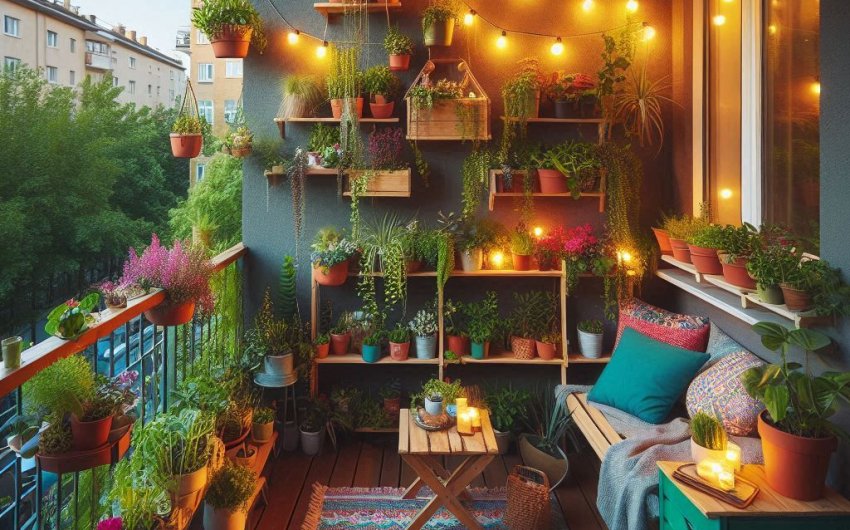
To decorate your balcony garden creatively, focus on maximizing vertical space with innovative planters, selecting plants for multi-seasonal interest and fragrance, and incorporating personalized decor elements like lighting, textiles, and unique seating that reflect your style and enhance functionality. Careful planning ensures every inch contributes to a cohesive and inviting outdoor oasis.
Why Decorate Your Balcony Garden Creatively?
Your balcony, no matter its size, is an extension of your living space and a canvas awaiting your personal touch. Learning how to decorate your balcony garden creatively transforms it from a forgotten concrete slab into a vibrant, functional, and inviting outdoor sanctuary. It's about blending personal style with practical gardening.
More Than Just Potted Plants
While potted plants are essential, a truly creative balcony garden goes beyond simple pots. It integrates design principles, personal aesthetics, and clever solutions to maximize enjoyment and utility.
Benefits of a Creatively Decorated Balcony Garden
- Extended Living Space: A well-decorated balcony effectively adds an extra "room" to your home. It becomes a place for morning coffee, evening relaxation, dining al fresco, or a quiet reading nook.
- Aesthetic Appeal: A beautifully decorated balcony is visually pleasing, both from inside your home and from the outside. It adds curb appeal and reflects your personality.
- Stress Reduction and Well-being: Spending time in a green, aesthetically pleasing environment is proven to reduce stress, improve mood, and boost overall well-being. Your balcony can become your personal oasis.
- Privacy and Enclosure: Strategic decor and planting can create a sense of privacy and seclusion, shielding you from nosy neighbors or unappealing views.
- Urban Connection to Nature: For city dwellers, a balcony garden is often their only direct connection to nature. Creative decor helps enhance this connection, bringing greenery and natural elements into your daily life.
- Personal Expression: Your balcony garden is a reflection of your taste and creativity. It's a space where you can experiment with colors, textures, and themes that might not fit indoors.
- Maximized Space Utility: Creative solutions, especially vertical gardening techniques, allow you to grow more plants, add more seating, or incorporate more features than you might initially think possible in a small footprint.
- Increased Property Value: A well-designed and maintained balcony garden can add perceived value to your home or apartment, making it more attractive to potential buyers or renters.
By embracing creativity, you don't just put plants on a balcony; you craft an experience. Learning how to decorate your balcony garden creatively is about transforming a limited space into a boundless source of joy, beauty, and tranquility.
How Do I Maximize Vertical Space in a Balcony Garden?
Maximizing vertical space is perhaps the most fundamental principle when learning how to decorate your balcony garden creatively. Balconies are often narrow, but they usually offer ample vertical real estate on walls, railings, and overhead. Utilizing this vertical dimension allows you to grow significantly more plants and incorporate more decor without sacrificing precious floor space.
1. Wall-Mounted Planters
- Pocket Planters: Fabric or felt pocket systems are lightweight and easily hung from hooks. They're great for herbs, leafy greens, or shallow-rooted flowers.
- Modular Systems: Interlocking plastic or metal panels with built-in planting cells. These create a more structured "living wall" effect.
- Individual Pot Hangers: Simple metal rings or brackets that attach to a wall and hold standard pots. Allows for flexible arrangement.
- DIY Vertical Gardens: Repurpose pallets, old shoe organizers, or plastic bottles into unique wall-mounted planters.
- Consider a Vertical Garden Wall Planter for a ready-made option.
2. Railing Planters
- Attachable Baskets/Pots: Specifically designed planters that hook over or bolt onto balcony railings. These are perfect for cascading flowers (like petunias, fuchsias) or trailing herbs.
- Herb/Flower Boxes: Narrow boxes that sit on or hang from the railing, ideal for a linear display of small plants.
- Caution: Ensure they are securely fastened and comply with any building rules, especially regarding items overhanging the balcony.
3. Freestanding Vertical Planters and Towers
- Stacking Planters: Tiers of pots that stack on top of each other, creating a vertical column of plants.
- Vertical Grow Towers/Columns: Tall, narrow structures with planting holes around their perimeter. Often designed with internal watering systems.
- Pyramid Planters: Tiered planters that widen at the base, offering a visually appealing multi-level display.
- Pros: Don't require wall mounting.
- Cons: Occupy a small floor footprint. Ensure stability, especially in windy conditions.
- Consider a Garden Tower Project Vertical Planter.
4. Trellises, Arbors, and Cages for Climbing Plants
- Trellises: Attach a trellis directly to a wall or railing, or use a freestanding one. Train vining plants (cucumbers, tomatoes, peas, morning glories, ivy) to grow upwards, creating a green privacy screen or a dramatic backdrop.
- Arbors/Pergolas: If space allows, a small arbor or pergola can add architectural interest and support climbing plants overhead.
- Plant Cages/Obelisks: For determinate tomatoes or peppers, use sturdy cages or obelisks that provide vertical support and can be decorative elements themselves.
5. Hanging Baskets
- Overhead Space: Utilize any overhead space by hanging baskets from the ceiling, a pergola, or a sturdy wall bracket.
- Plant Choices: Ideal for trailing plants like petunias, fuchsias, nasturtiums, sweet potato vine, or trailing herbs.
- Caution: Ensure hooks and supports are strong enough for the combined weight of the wet soil and mature plants.
- Consider decorative Macrame Plant Hangers.
By strategically incorporating these vertical solutions, you can dramatically increase your planting capacity and enhance the visual appeal of your balcony, proving that even a small space can become a lush, multi-dimensional garden when you decorate your balcony garden creatively.
How Do I Choose Pots and Planters Creatively for a Balcony?
The pots and planters themselves are crucial decor elements when learning how to decorate your balcony garden creatively. Beyond just holding soil, they contribute to the overall style, color scheme, and texture of your outdoor space.
1. Consider Material and Texture
- Terracotta/Unglazed Ceramic:
- Pros: Classic, earthy feel. Porous material helps soil dry out faster (good for plants that hate wet feet), reduces root rot risk.
- Cons: Can be heavy. Dries out quickly in hot climates, requiring more frequent watering. Can crack in freezing temperatures.
- Style: Rustic, Mediterranean, traditional.
- Consider a Terra Cotta Pot with Drainage Hole.
- Glazed Ceramic:
- Pros: Wide range of colors, finishes (glossy, matte), and intricate designs. Non-porous, so soil stays moist longer.
- Cons: Can be very heavy. No moisture evaporation through sides.
- Style: Modern, elegant, bold, artistic.
- Plastic/Resin:
- Pros: Lightweight, durable, inexpensive, available in many colors and shapes. Easy to move. Some mimic stone or terracotta.
- Cons: Can look less premium. Can degrade in strong UV light over time.
- Style: Modern, minimalist, casual.
- Metal (Galvanized Steel, Copper, Wrought Iron):
- Pros: Modern, industrial, rustic, or elegant look depending on finish. Very durable.
- Cons: Can heat up quickly in direct sun, potentially burning roots. May rust over time (unless galvanized/stainless).
- Style: Industrial, farmhouse, contemporary.
- Wood (Cedar, Redwood):
- Pros: Natural, warm aesthetic. Good insulator for roots.
- Cons: Can rot over time if not treated or naturally rot-resistant. Can be heavy.
- Style: Rustic, cottage, farmhouse.
2. Play with Size and Shape Variation
- Varying Heights and Widths: Use a mix of tall, slender pots; wide, shallow bowls; and classic round or square planters. This adds visual interest and dynamic flow.
- Tiered Planters: Create vertical layers with stacking pots or tiered plant stands.
- Large Statement Pots: Use one or two larger, impressive pots to anchor a corner or serve as a focal point.
- Containers as Privacy: Use tall, narrow planters with bushy plants to create living screens.
3. Color and Pattern Harmony
- Complementary Colors: Choose pots that pick up colors from your plants' foliage or flowers, or that complement your balcony's existing decor (e.g., wall color, furniture).
- Monochromatic Schemes: Use pots of varying shades of the same color for a sophisticated, calming effect.
- Pops of Color: Use brightly colored pots to add vibrancy to a neutral balcony.
- Pattern and Texture: Mix smooth, glossy pots with rough, textured ones. Incorporate patterns (geometric, floral) to add detail.
- Theme: If you have a specific theme (e.g., Mediterranean, bohemian, minimalist), choose pots that fit that style.
4. Ensure Functionality
- Drainage Holes are Essential: Every pot MUST have drainage holes to prevent root rot. Never use a pot without them.
- Drainage Saucers: Crucial to catch excess water and prevent drips onto the balcony floor below. Choose decorative saucers that match your pots.
- Weight Limits: Always be mindful of your balcony's weight limit. Choose lighter materials if your limit is low.
- Mobility: Consider adding casters or wheeled plant caddies to heavy pots for easier rearrangement and cleaning.
By carefully selecting and combining different materials, sizes, shapes, and colors of pots and planters, you can effectively decorate your balcony garden creatively, transforming it into a cohesive and visually captivating outdoor space.
How Do I Incorporate Lighting Creatively into a Balcony Garden?
Incorporating lighting is one of the most transformative ways to decorate your balcony garden creatively. It extends the usability of your space into the evening, highlights your plants and decor, and sets a magical, inviting ambiance.
1. Ambient Lighting (Overall Glow)
- Fairy Lights/String Lights:
- Versatile: Drape them along railings, weave them through trellises with climbing vines, or hang them along the perimeter of the balcony ceiling.
- Warm White vs. Color: Warm white creates a cozy, romantic atmosphere. Colored lights can add a festive or whimsical touch.
- Power: Choose solar-powered for easy installation (no outlets needed) or battery-operated for flexibility. Plug-in options offer more consistent brightness.
- Consider Outdoor Solar String Lights.
- Lanterns:
- Decorative and Functional: Place decorative lanterns (LED or battery-operated, or even real candles in safe enclosures) on tables, shelves, or hang them from hooks.
- Styles: Moroccan, modern, rustic, or nautical lanterns can match your decor theme.
- LED Strip Lights:
- Hidden Glow: Adhere waterproof LED strips to the underside of railings, along the base of planters, or behind furniture for a subtle, indirect glow.
- Color-Changing: Some offer RGB options for dynamic color changes.
2. Task and Accent Lighting (Highlighting Features)
- Solar Spotlights/Uplights:
- Highlight Plants: Strategically place small solar spotlights to illuminate a prize plant, a vertical garden wall, or a striking piece of decor. Point them upwards from the ground or downwards from an elevated position.
- Path Lighting: If your balcony is long, small solar path lights can define pathways and provide safety.
- Clip-On Lights:
- Flexible: Battery-operated clip-on lights can be attached to plant pots, shelving units, or railings to provide focused light where needed.
- Candles and Flameless Candles:
- Cozy Ambiance: Real candles in hurricane lanterns or flameless LED candles create a warm, flickering glow. Always ensure fire safety for real candles.
- Safe Option: Flameless candles are perfect for balconies where open flames might be prohibited or unsafe.
3. Consider Power Sources
- Solar Powered:
- Pros: Eco-friendly, no wiring or outlets needed. Ideal for renters.
- Cons: Performance depends on sunlight exposure during the day. May not be as bright or last as long as electric options.
- Battery Operated:
- Pros: Extremely flexible placement, no wires.
- Cons: Batteries need regular replacement.
- Plug-in Electric:
- Pros: Consistent brightness, no battery changes.
- Cons: Requires accessible outdoor outlets and careful management of cords to prevent tripping hazards. Use outdoor-rated extension cords and products.
4. Safety First
- Outdoor Rated: Always use lighting products specifically rated for outdoor use to ensure they can withstand moisture and temperature fluctuations.
- Secure Installation: Ensure all lights, strings, and fixtures are securely attached to prevent them from falling in wind or accidents.
- Avoid Overheating: Be mindful of placing lights too close to plant foliage where they might cause heat damage, especially traditional incandescent bulbs (LEDs are much cooler).
- Check Building Regulations: Some buildings may have rules about exterior lighting.
By layering different types of lighting – ambient, accent, and task – you can dramatically enhance the atmosphere and usability of your balcony, truly knowing how to decorate your balcony garden creatively for both day and night enjoyment.
How Can Seating and Textiles Enhance Balcony Decor?
Beyond plants and static decor, incorporating comfortable seating and vibrant textiles is crucial to truly decorate your balcony garden creatively. These elements transform your outdoor space into a functional, inviting extension of your home, making it a place where you want to spend time.
1. Strategic Seating Solutions
The type and arrangement of seating will define the primary function of your balcony.
- Bistro Sets:
- Space-Efficient: A small table and two chairs are perfect for narrow balconies, ideal for morning coffee or a casual meal.
- Styles: Available in various materials (metal, wood, wicker) and colors to match your theme.
- Folding Furniture:
- Flexibility: Folding chairs and tables are excellent for maximizing space. They can be tucked away when not in use, freeing up room for other activities or plant care.
- Built-in Seating:
- Maximize Space: If you have construction skills or a handy friend, built-in benches can be highly space-efficient, often incorporating storage underneath.
- Custom Fit: Can be designed to fit perfectly into awkward corners or along railings.
- Outdoor Ottomans/Poufs:
- Versatile: Can serve as extra seating, footrests, or even small side tables. Easy to move and store.
- Outdoor Cushions and Pillows:
- Comfort and Color: Even a simple hard bench becomes inviting with plump, weather-resistant cushions and decorative throw pillows.
- Express Style: Choose fabrics with colors, patterns, and textures that tie into your overall decor theme.
- Consider Outdoor Waterproof Throw Pillows.
2. Transformative Textiles
Textiles instantly add softness, color, pattern, and a sense of "indoor comfort" to an outdoor space.
- Outdoor Rugs:
- Define the Space: An outdoor rug anchors your seating area and instantly makes the balcony feel more like a room.
- Add Color/Pattern: Choose rugs that complement your color scheme and add visual interest underfoot.
- Protection: Can also protect your balcony floor from scratches or drips.
- Material: Look for weather-resistant, UV-stabilized materials like polypropylene.
- Throw Blankets:
- Cozy Factor: Keep a few weather-resistant outdoor throw blankets on hand for cooler evenings. They add a layer of warmth and inviting texture.
- Color/Texture: Choose colors and textures that enhance your decor.
- Outdoor Curtains or Drapes:
- Privacy and Ambiance: Sheer outdoor curtains can add a romantic, ethereal feel while providing a degree of privacy. Heavier drapes offer more complete screening.
- Sun Protection: Can also offer shade from direct sun.
- Installation: Requires sturdy curtain rods or wires mounted securely.
- Tablecloths/Placemats:
- Dining Accent: For dining tables, use outdoor-friendly tablecloths or placemats to elevate the dining experience.
3. Cohesion and Harmony
- Color Palette: Stick to a consistent color palette (2-3 main colors plus neutrals) across your seating, cushions, and textiles to create a cohesive and professional look.
- Material Mix: Mix and match materials for texture and interest (e.g., a metal bistro set with woven cushions, or a wooden bench with soft fabric poufs).
- Durability: Always choose outdoor-rated furniture and textiles that can withstand sun, rain, and temperature changes. Look for UV-resistant, mildew-resistant, and quick-drying fabrics.
- Storage: Plan for easy storage of cushions and textiles during inclement weather or off-season to prolong their life. A small waterproof storage box can be invaluable.
By carefully integrating comfortable and stylish seating along with soft, inviting textiles, you don't just put objects on a balcony; you create an intentional, harmonious, and highly appealing outdoor living area, showcasing your ability to decorate your balcony garden creatively.
How Can Personal Touches and Accessories Elevate a Balcony Garden?
Once the foundation of plants, vertical structures, seating, and lighting is in place, it's the personal touches and accessories that truly allow you to decorate your balcony garden creatively. These small details infuse your space with personality, charm, and a sense of uniqueness, making it truly yours.
1. Garden Art and Sculpture
- Focal Points: A small statue, a whimsical sculpture, or a piece of wall art can become a captivating focal point in your balcony garden.
- Material and Style: Choose pieces that reflect your taste and complement your garden's theme (e.g., a rustic metal bird sculpture, a modern ceramic sphere, a classic stone bust).
- Scale: Ensure the art is appropriately sized for your balcony; too large can overwhelm, too small can get lost.
- Consider a Garden Gnome Statue for a touch of whimsy.
2. Decorative Planter Accents
- Plant Markers: Instead of plain plastic labels, use decorative plant markers made from slate, ceramic, wood, or engraved metal.
- Pot Feet: Elevate pots with decorative pot feet to improve drainage and air circulation, while also adding a subtle visual detail.
- Stones and Pebbles: Use decorative pebbles, river rocks, or glass beads as a top dressing in pots for a clean, finished look and to suppress weeds.
- Terrariums/Cloches: Small, decorative terrariums with miniature plants or a glass cloche over a special plant can create a charming vignette.
3. Mirrors for Space and Light
- Illusion of Space: An outdoor mirror strategically placed on a wall can create the illusion of a larger, deeper space, reflecting plants and light.
- Reflect Light: Mirrors can also help bounce light into shadier corners of your balcony.
- Caution: Ensure the mirror is outdoor-rated, securely mounted, and not positioned to create glare for neighbors or to disorient birds (if you have a bird feeder nearby).
4. Wind Chimes and Water Features
- Auditory Elements: The gentle sounds of wind chimes can add a serene or playful auditory layer to your garden. Choose chimes with tones you find pleasant.
- Small Water Features: A miniature tabletop fountain or a small self-contained water feature can add the calming sound of trickling water, enhancing relaxation and attracting birds.
- Consider a Small Solar Powered Bird Bath Fountain Pump for a subtle water sound.
5. Repurposed and Upcycled Items
- Creativity: This is where you can truly show off your unique style.
- Ideas:
- Old colanders or teacups used as small planters.
- Vintage watering cans or metal buckets as decorative elements.
- Old wooden crates or ladders used as display shelves for pots.
- Mason jars with fairy lights as hanging lanterns.
- Safety Check: Always ensure repurposed items are clean, non-toxic, and have proper drainage if used as planters.
6. Small Furniture Pieces and Side Tables
- Functionality: Even a tiny side table for a drink or a book, or a small garden stool, can make the space more inviting and functional.
- Material: Choose weather-resistant materials like metal, mosaic, or treated wood.
7. Fragrance
- Sensory Experience: Beyond visual appeal, incorporate fragrant plants (e.g., jasmine, honeysuckle, scented geraniums, herbs like lavender and rosemary) to delight the sense of smell.
By thoughtfully curating these personal touches and accessories, you don't just fill space; you craft a narrative, reflect your personality, and elevate the overall experience of your outdoor oasis, truly mastering how to decorate your balcony garden creatively.