
How to Build a Small Pond for Garden Decoration?
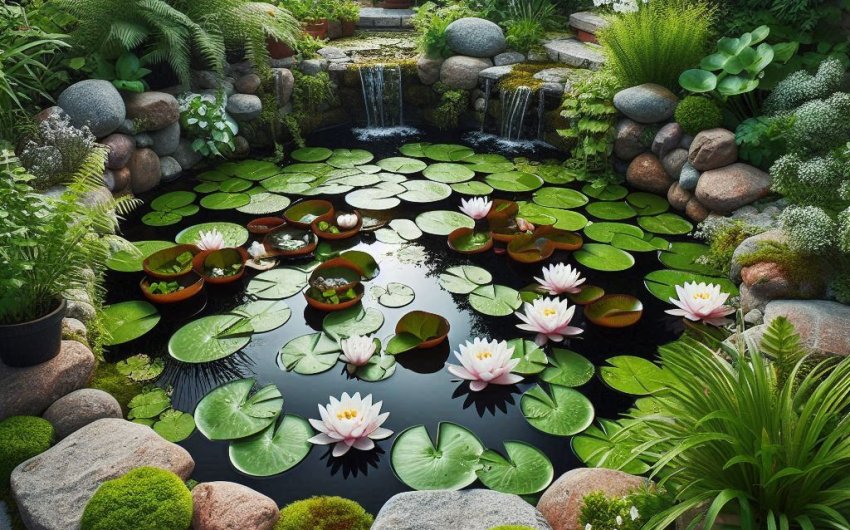
You can build a small pond for garden decoration by first selecting an ideal location with adequate sunlight, choosing between a preformed liner or a flexible liner based on your design, and then carefully digging, lining, and filling the pond while adding appropriate plants and a small pump for circulation. This creates a tranquil and visually appealing water feature that enhances your garden's ambiance and attracts wildlife.
What is a Small Pond and Why Build One for Garden Decor?
A small pond in a garden is a self-contained body of water, typically under 1,000 gallons, designed to enhance the aesthetic appeal and ecological diversity of an outdoor space. It's more than just a hole filled with water; it's a living ecosystem that brings movement, sound, and a unique visual element to your backyard.
The Allure of Water in Garden Design
Adding a water feature, even a small pond, brings a remarkable transformation to any garden.
- Aesthetic Beauty: Ponds offer a constantly changing tableau of reflections, textures, and colors. The shimmering surface, the movement of aquatic plants, and the interplay of light create a dynamic focal point. It truly elevates your garden decoration game.
- Tranquility and Relaxation: The gentle sound of trickling water from a small fountain or waterfall, or simply the serene stillness of the pond's surface, creates a calming and meditative atmosphere. This natural white noise can mask unwanted sounds, turning your garden into a peaceful oasis.
- Attracting Wildlife: A pond acts as a magnet for local wildlife. Birds will visit to drink and bathe, dragonflies will dance above the surface, and frogs may take up residence. This adds a vibrant, living dimension to your garden, enhancing its ecological value.
- Growing Unique Plants: Ponds allow you to cultivate a wide array of fascinating aquatic plants, from the stately water lily to submerged oxygenators. These plants add visual interest and play a crucial role in maintaining the pond's ecosystem.
- Increased Property Value: A well-designed and maintained water feature can significantly boost your home's curb appeal and even increase its market value, making it a wise investment in your landscape.
- Stress Reduction: Spending time near water has been scientifically linked to reduced stress and improved well-being. A backyard pond offers a convenient way to tap into these benefits.
What Are the Key Components of a Small Garden Pond?
To build a functional and beautiful small pond, you'll need several core components that work together to create a balanced ecosystem.
1. The Liner (Flexible vs. Preformed)
This is the waterproof barrier that holds the water.
- Flexible Pond Liner: This is a large sheet of durable, waterproof material that you shape to fit your excavated hole.
- Materials: Common options include EPDM (Ethylene Propylene Diene Monomer - a synthetic rubber, very flexible and durable, long lifespan), PVC (Polyvinyl Chloride - less flexible, can become brittle over time, generally thinner), and RPE (Reinforced Polyethylene - strong, puncture-resistant, lighter than EPDM).
- Pros: Allows for custom shapes and sizes, great for irregular designs, easier to repair punctures.
- Cons: Requires more shaping and folding during installation, more prone to wrinkles if not installed carefully.
- Flexible EPDM pond liner is highly recommended for its durability.
- Preformed Pond Liner: This is a rigid, molded plastic or fiberglass shell with a fixed shape and depth.
- Materials: High-density polyethylene (HDPE) or fiberglass.
- Pros: Easy to install (just drop it in a matching hole), durable, no folding or wrinkling.
- Cons: Limited to predefined shapes and sizes, can be more expensive for larger sizes, can crack if improperly installed or in extreme cold.
2. The Pump
A pump is essential for water circulation, which is vital for pond health and often for creating water features.
- Purpose: Circulates water, preventing stagnation, adding oxygen (especially with a fountain or waterfall), and allowing for filtration.
- Types:
- Submersible Pump: Sits directly in the pond water. Quiet and easy to install.
- External Pump: Sits outside the pond. More powerful for larger systems but more complex to install. For small ponds, submersible is usually sufficient.
- Sizing: Pumps are rated by gallons per hour (GPH). For a small pond without a waterfall, you might aim to circulate the pond's volume once every 1-2 hours. For a waterfall, you'll need a higher GPH. Small submersible pond pump.
3. Filtration System (Optional for Small Ponds, Recommended for Fish)
For very small, plant-only ponds, a robust plant population might suffice. For fish, or clearer water, filtration is beneficial.
- Mechanical Filtration: Removes physical debris (leaves, uneaten food). Often built into pump pre-filters or filter boxes.
- Biological Filtration: Uses beneficial bacteria to break down harmful ammonia and nitrites into less harmful nitrates. Bio-filters provide surfaces for these bacteria to grow.
- UV Clarifier (Optional): Uses ultraviolet light to clump microscopic algae, making them easier for mechanical filters to capture, reducing green water.
4. Underlayment (Crucial for Flexible Liners)
A protective layer placed beneath a flexible liner to prevent punctures from sharp rocks, roots, or other debris in the soil.
- Materials: Geotextile fabric, old carpet remnants, sand, or newspaper layers.
- Importance: Extends the lifespan of your flexible liner significantly. A pond liner underlayment is a worthwhile investment.
5. Edging Materials
Used to conceal the liner edge and blend the pond into the surrounding landscape.
- Rocks/Boulders: Natural, irregular stones are popular for a natural look.
- Pavers/Bricks: For a more formal edge.
- Gravel/Pebbles: Can be used on shelves or at the pond's edge.
How to Plan Your Small Garden Pond Project?
Careful planning is the foundation for a beautiful and easy-to-maintain pond. Don't rush this stage!
1. Choose the Right Location
This is perhaps the most critical decision.
- Sunlight: Most aquatic plants, especially water lilies, need at least 5-6 hours of direct sunlight per day. If you plan for a fish pond, some shade is beneficial to keep water cooler and reduce algae.
- Trees: Avoid placing the pond directly under deciduous trees. Falling leaves will constantly pollute the water, leading to more maintenance and potential issues.
- Slope/Drainage: Choose a relatively level area. If on a slight slope, ensure proper drainage away from the pond.
- Visibility: Place it where you can easily enjoy it from your patio, deck, or a favorite window.
- Utilities: Be aware of underground utilities (water lines, electrical cables, gas lines). Call 811 (in the U.S.) or your local utility locating service before digging.
- Proximity to Power: If using an electric pump or lights, ensure easy access to an outdoor GFCI (Ground Fault Circuit Interrupter) outlet.
2. Determine Size and Shape
- Small Pond Definition: Generally, a small pond is anywhere from 50 to 1,000 gallons. For decorative purposes without fish, smaller is fine. For a few goldfish, aim for at least 150-250 gallons to maintain water quality.
- Depth: For fish, a minimum depth of 18-24 inches (45-60 cm) is often recommended to help with temperature stability. For plant-only ponds, 12-18 inches (30-45 cm) can suffice.
- Shape: Freeform, irregular shapes tend to look most natural. Use a garden hose or spray paint to outline your desired shape on the ground.
- Shelves: Plan for shelves within the pond (at various depths) to accommodate different types of aquatic plants. Typically, a shallow shelf (6-12 inches deep) for marginal plants and a deeper zone for water lilies.
3. Select Your Liner Type
Based on your preferred shape, size, and DIY comfort level, decide between a flexible or preformed liner.
- Flexible Liner Calculation: For a flexible liner, use this formula:
- Liner Length = Pond Length + (2 x Max Depth) + (2 x Overlap for Edging - usually 1-2 feet)
- Liner Width = Pond Width + (2 x Max Depth) + (2 x Overlap for Edging - usually 1-2 feet)
- Example: For a 6 ft long, 4 ft wide, 2 ft deep pond:
- Length: 6 + (2x2) + 2 = 12 feet
- Width: 4 + (2x2) + 2 = 10 feet
- So, a 10x12 foot liner (or 12x12 ft for easier handling) would work.
4. Choose Your Pond Equipment
- Pump: Size it according to pond volume and any desired waterfall/fountain height.
- Filter (Optional but Recommended): Decide if you need mechanical, biological, or a combination.
- Lighting (Optional): Submersible LED pond lights can add dramatic nighttime effects.
- Waterfall/Fountain Kit (Optional): If you want moving water and sound.
5. Plan for Edging and Landscaping
- Concealment: How will you hide the liner edge? Rocks, gravel, pavers?
- Surrounding Plants: What plants will you use around the pond to integrate it into your garden?
- Seating: Will you have a bench or seating area nearby to enjoy your pond?
Step-by-Step Guide to Building a Small Pond (Flexible Liner)
This is a common DIY method offering design flexibility.
Materials and Tools You'll Need:
- Flexible Pond Liner: EPDM recommended.
- Underlayment: Geotextile fabric or old carpet.
- Shovel and pickaxe: For digging.
- Wheelbarrow or tarp: For moving excavated soil.
- Level: For checking pond edges.
- Measuring tape:
- Garden hose or spray paint: For outlining.
- Stones/Rocks/Gravel: For edging and interior decoration.
- Pump: And any chosen filter/fountain.
- Pond plants:
- Child-safe netting (optional): If you have small children.
Step 1: Mark and Excavate the Pond
- Outline: Use a garden hose or spray paint to mark the desired shape of your pond on the ground.
- Start Digging: Begin excavating the outline. Dig the deepest section first, typically the central area.
- Create Shelves: As you dig down, create distinct shelves for different aquatic plant depths. Step back often to check the shape and level of your shelves.
- Check Level: Use a long, straight board and a level across the entire perimeter of the pond. The pond edges must be perfectly level to prevent water from running out over one side. Adjust as needed.
- Smooth Edges: Remove any sharp rocks, roots, or debris from the hole. Tamp down the soil to create a firm, smooth surface.
Step 2: Install Underlayment and Liner
- Lay Underlayment: Carefully line the entire excavated hole with the underlayment material. Ensure it covers all shelves and extends beyond the pond's edge. Smooth out any wrinkles.
- Position Liner: Drape the flexible pond liner over the underlayment, centering it over the hole. Allow plenty of excess liner to hang over the edges (at least 1-2 feet all around).
- Conform Liner: Gently press the liner down into the contours of the pond. Try to minimize large wrinkles, folding them neatly into "pleats" as you work. The weight of the water will help press it into shape.
Step 3: Add Water and Secure Edges
- Start Filling: Begin slowly filling the pond with water from your garden hose.
- Adjust Liner: As the pond fills, continue to smooth and adjust the liner, pressing it into the shelves and corners. Don't trim any excess liner yet.
- Secure Edges: Once the pond is full, allow the liner to settle for a few hours or overnight. Then, begin to camouflage the excess liner.
- Trim Excess: Trim the liner, leaving an overlap of at least 6-12 inches (15-30 cm) around the perimeter.
- Bury Liner: Dig a small trench just outside the pond's edge and tuck the excess liner into it, burying it with soil. This creates a neat, hidden edge.
- Place Edging Rocks: Begin placing your chosen edging materials (rocks, pavers, etc.) along the pond's perimeter. Overlap the liner slightly to fully conceal it and hold it down. Ensure some rocks overhang the water to create a natural look and provide shade.
Step 4: Install Pump and Any Features
- Position Pump: Place the submersible pump in the deepest part of the pond, preferably on a stable flat rock to keep it off the bottom.
- Run Tubing/Cord: Thread the pump's power cord and any tubing for a waterfall or fountain discreetly up and out of the pond. Secure the cord along the bottom and side of the pond liner before covering with rocks.
- Connect Features: If adding a waterfall, connect the pump tubing to the waterfall spillway. If using a fountain, connect the fountain head.
- Connect to Power: Plug the pump into a GFCI-protected outdoor outlet. Test the pump to ensure water circulation.
Step 5: Add Plants and Decorate
- Add Substrates (Optional): For a natural bottom, you can add a layer of rinsed pond gravel or specially formulated aquatic soil.
- Plant Aquatic Plants:
- Marginal Plants: Place these in special aquatic plant baskets on your pond's shelves (e.g., iris, cattails, canna).
- Deep Water Plants: Place water lilies and other deep-water plants in baskets on the bottom of the deepest section.
- Floating Plants: Add plants like water hyacinth or duckweed to float on the surface.
- Remember to plant according to their specific depth requirements.
- Add Rocks/Gravel: Carefully place additional rocks and gravel in the pond to provide habitat, cover liner, and add aesthetic appeal.
- Decorate Surrounding Area: Plant terrestrial plants around the pond's edge to blend it seamlessly into your garden. Add a bird bath, small statue, or seating area nearby.
What Plants are Best for a Small Pond?
Choosing the right aquatic plants is essential for a healthy, beautiful, and balanced small pond. They add oxygen, filter nutrients, and provide visual interest.
1. Water Lilies (Deep Water Plants)
The quintessential pond plant, known for their stunning blooms and large, floating pads.
- Role: Provide shade, which helps reduce algae, and add magnificent beauty.
- Types: Tropical (larger, more blooms, need warm water) and Hardy (winter-dormant, more cold tolerant).
- Planting: In aquatic baskets on the deepest shelf of your pond.
2. Marginal Plants
These grow in the shallow water around the pond's edges, often on the shelves. They bridge the gap between water and land.
- Role: Soften the pond edges, provide habitat, and filter nutrients.
- Examples:
- Iris (Louisiana, Japanese, Siberian): Beautiful sword-like foliage and colorful flowers.
- Cattails: Iconic, tall, but can be aggressive; choose dwarf varieties for small ponds.
- Arrowhead (Sagittaria): Distinctive arrow-shaped leaves.
- Pickerel Rush (Pontederia cordata): Attractive blue flowers, good vertical accent.
- Marsh Marigold: Bright yellow early spring flowers.
- Aquatic plant baskets help contain their roots.
3. Submerged (Oxygenating) Plants
These grow entirely underwater and are vital for pond health.
- Role: Produce oxygen, which is crucial for fish and beneficial bacteria, and compete with algae for nutrients.
- Examples:
- Hornwort (Ceratophyllum demersum): Easy to grow, good oxygenator.
- Anacharis (Egeria densa): Popular, vigorous oxygenator.
- Cabomba (Carolina Fanwort): Delicate, feathery foliage.
- Planting: Can be weighted down and simply dropped into the pond or planted in submerged baskets.
4. Floating Plants
These plants float on the water's surface, providing shade and absorbing excess nutrients.
- Role: Help reduce algae by shading the water, provide cover for fish, and add visual interest.
- Examples:
- Water Hyacinth (Eichhornia crassipes): Beautiful purple flowers, very vigorous. Can be invasive in warm climates.
- Water Lettuce (Pistia stratiotes): Velvety green rosettes.
- Duckweed/Azolla: Tiny, fast-multiplying floaters; can quickly cover the surface. Use sparingly as they can be hard to control.
- Floating pond plants are often sold in bunches.
Tips for Pond Planting:
- Balance: Aim for a balance of plant types:
- 1/3 to 1/2 of the surface area covered by floating or water lily pads.
- Good quantity of submerged oxygenators.
- Plenty of marginals to blend the edges.
- Containment: Always plant pond plants in specialized aquatic baskets or containers to prevent them from becoming too invasive and to make maintenance easier. Use heavy clay or topsoil (not potting mix) in the baskets, topped with pea gravel to keep soil in.
- No Soil from Garden: Never use regular garden soil in your pond, as it contains too many nutrients that will cause excessive algae growth.
How to Maintain Your Small Garden Pond?
A small pond is a living ecosystem, and while it's designed to be low-maintenance, it does require some ongoing care to stay clear and healthy.
1. Water Quality Management
- Top Off Water: Ponds lose water due to evaporation. Top off the pond as needed with dechlorinated tap water or rainwater.
- Algae Control:
- Shade: Ensure adequate plant cover (water lilies, floating plants) to shade the water and reduce algae growth. Aim for 50-70% surface coverage.
- Nutrient Control: Don't overfeed fish. Remove decaying plant matter. Use barley straw extract or other natural algae inhibitors if needed.
- UV Clarifier: If green water is a persistent problem, a UV clarifier can help.
- Beneficial Bacteria: Introduce beneficial pond bacteria regularly, especially in spring and after cleaning, to help maintain biological balance.
- Water Testing (Optional for small ponds): If you have fish or persistent issues, a pond water test kit can help monitor pH, ammonia, nitrite, and nitrate levels.
2. Debris Removal
- Skim Surface: Regularly skim leaves, pollen, and other debris from the pond surface using a pond skimmer net.
- Clean Pump/Filter: Periodically clean the pump's pre-filter (sponge or cage) and rinse mechanical filter pads to ensure good water flow.
- Remove Decaying Plant Matter: Prune yellowing leaves or spent flowers from aquatic plants to prevent them from rotting in the water.
3. Plant Care
- Fertilize Aquatic Plants: Fertilize water lilies and marginals using aquatic plant tabs inserted into their planting baskets.
- Divide Overgrown Plants: Every few years, you may need to divide overgrown marginal or deep-water plants to prevent them from taking over the pond.
4. Fish Care (If Applicable)
- Don't Overstock: For small ponds, a few goldfish are usually sufficient. Avoid overcrowding.
- Feed Sparingly: Feed fish only what they can eat in a few minutes, once a day. Uneaten food decays and pollutes the water. Use quality fish food for ponds.
- Winter Care: In cold climates, fish ponds need to be at least 18-24 inches deep and have a de-icer or pond heater to maintain an ice-free hole for gas exchange. For very small or shallow ponds, fish may need to be brought indoors.
5. Seasonal Maintenance
- Spring Start-Up: Clean out any winter debris, start pumps and filters, and begin fertilizing plants.
- Autumn Prep: Skim falling leaves daily. Consider netting over the pond to prevent leaves from entering. Remove any annual aquatic plants. For fish ponds, reduce feeding as temperatures drop.
- Winterization (Cold Climates):
- Remove and store pumps in a bucket of water indoors to prevent freezing.
- Remove tender aquatic plants and store them indoors (tropical water lilies). Hardy plants can remain.
- For fish ponds, ensure a de-icer is running to maintain an open hole in the ice for gas exchange.
Enhancing Your Small Pond with Garden Decor
A pond isn't just about water and plants; it's a centerpiece for surrounding garden decoration.
1. Surrounding Landscape
- Bridge the Gap: Plant low-growing, moisture-loving plants around the pond's edge to soften the transition from water to land.
- Bold Accents: Use larger rocks, dwarf conifers, or sculptural plants around the pond to frame it and add visual weight.
- Pathways: Create a small garden path leading to the pond for easy access and a sense of discovery.
2. Lighting
- Submersible Lights: Add underwater LED pond lights to illuminate the water and plants from within, creating a magical glow at night.
- Spotlights: Use small exterior spotlights to highlight nearby plants or decorative elements around the pond.
- Floating Lights: Solar-powered floating lights add a whimsical touch.
3. Water Features
- Small Fountain: A small pump with a fountain nozzle creates gentle bubbling or spray, adding sound and aeration.
- Mini Waterfall: Build a small waterfall using a few strategically placed rocks and a higher-GPH pump. The sound of running water is incredibly soothing.
- Spitters: Decorative pond spitters (e.g., a frog or turtle spitting water) add a playful element.
4. Sculptural Elements
- Statues: Place a small statue, perhaps a heron or a frog, near the pond's edge.
- Bird Baths: If not incorporated into the pond, a separate bird bath nearby can complement the water theme and attract more birds.
- Driftwood: A beautifully shaped piece of driftwood can be placed partially in the water or on the edge.
5. Seating and Relaxation Zones
- Bench: Place a simple garden bench or a few Adirondack chairs near the pond to create a dedicated space for enjoying its beauty and tranquility.
- Pond-Side Patio: A small paved or gravel area right next to the pond can serve as a perfect spot for morning coffee or evening reflection.
Building a small pond for garden decoration is a truly rewarding DIY project that brings dynamic life and serene beauty to your backyard. By carefully planning its location, choosing the right components, and providing consistent care, you can create a captivating water feature that offers endless enjoyment, attracts fascinating wildlife, and becomes a cherished focal point in your outdoor living space.