
How to Create a Glow-in-the-Dark Garden Path?
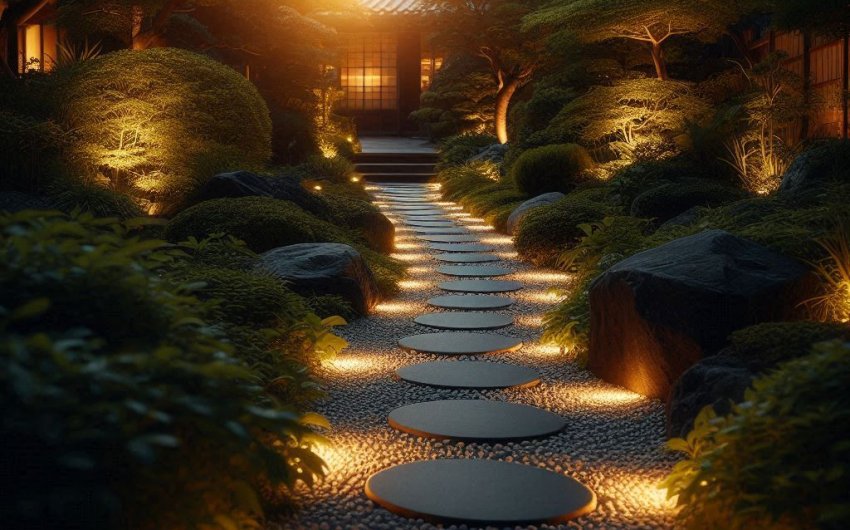
You can create a glow-in-the-dark garden path using various phosphorescent materials like glow-in-the-dark pebbles, paint, or aggregates. The key is to choose materials that absorb sunlight during the day and release stored light energy at night, creating a magical, illuminated pathway without electricity.
What is a Glow-in-the-Dark Garden Path?
A glow-in-the-dark garden path is a pathway that illuminates naturally after dark, providing a subtle, ethereal glow without needing electricity or external power sources. It achieves this effect by using materials embedded with phosphorescent pigments. These pigments have the unique ability to absorb energy from light (like sunlight or even strong artificial light) during the day and then slowly release that stored energy as a visible glow in low-light or dark conditions.
Beyond the Light: Why Create One?
Creating a glow-in-the-dark garden path offers several compelling benefits that go beyond just its unique visual appeal.
- Aesthetics and Ambiance: The most obvious reason is the enchanting, magical atmosphere it creates. Imagine stepping into your garden after sunset and finding a softly glowing pathway guiding your way, like a celestial trail. It adds a whimsical, dreamlike quality that transforms the nighttime garden experience. It's truly a unique piece of garden decor.
- Safety and Navigation: While not as bright as electric lights, the subtle glow can significantly improve visibility on your path. It helps define edges, highlight steps, and prevent trips or falls in the dark. This is especially useful for paths leading to seating areas, gates, or other garden features.
- Energy Efficiency: This is a major advantage. Since glow-in-the-dark materials are self-illuminating after being "charged" by light, they require zero electricity. This means no wiring, no batteries, and no impact on your energy bill. It's an eco-friendly lighting solution.
- Low Maintenance: Once installed, glow-in-the-dark paths require very little maintenance beyond the occasional cleaning. There are no bulbs to change, no wires to repair, and no power sources to monitor.
- Pest Deterrent (Minor): The soft glow might subtly deter some nocturnal pests that prefer absolute darkness, though this is a minor benefit.
- Versatility: These materials can be incorporated into various path types – gravel, concrete, stepping stones – making them adaptable to different garden styles.
How Does Glow-in-the-Dark Technology Work for Paths?
The magic behind glow-in-the-dark paths lies in the science of phosphorescence. It's different from fluorescence, which only glows when exposed to a UV light source.
The Science of Phosphorescence
- Absorption: During the day, phosphorescent materials absorb energy from any ambient light source – primarily sunlight. The pigments in the material (often strontium aluminate doped with europium and dysprosium) capture photons of light.
- Storage: This absorbed energy is stored within the material's atomic structure.
- Emission: Once the light source is removed (i.e., when darkness falls), the stored energy is slowly released as visible light. This phenomenon is what we perceive as "glowing." The glow is strongest immediately after sunset and gradually fades over several hours as the stored energy dissipates.
- Rechargeable: The process is entirely rechargeable. The material will absorb light again the next day, ready to glow once more when night returns. This cycle can repeat for many years without significant degradation.
Key Factors Affecting the Glow
Several factors influence the brightness and duration of the glow:
- Charging Time and Intensity: The longer and brighter the material is exposed to light, the stronger and longer the glow will be. Full, direct sunlight for several hours provides the best "charge."
- Pigment Quality and Concentration: Higher quality phosphorescent pigments and a greater concentration of them in the material will result in a brighter, longer-lasting glow.
- Ambient Darkness: The glow is most noticeable in complete darkness. Any ambient light pollution (streetlights, porch lights) will diminish its perceived effect.
- Color of Glow: Green and aqua (blue-green) are typically the brightest and longest-lasting glow colors. Other colors like blue or yellow tend to be less intense and fade faster.
- Particle Size: Larger glow-in-the-dark particles or aggregates often provide a more intense, longer-lasting glow than very fine powders.
What Materials Can You Use for a Glow-in-the-Dark Path?
A variety of products are available, each with its own advantages for creating a glowing pathway.
1. Glow-in-the-Dark Pebbles/Stones
These are small, manufactured stones or pebbles embedded with phosphorescent pigments. They are one of the most popular and easiest options.
- How to Use: Scatter them directly onto existing gravel paths, borders, or incorporate them into new concrete or paver installations.
- Appearance: Come in various sizes and colors, typically green, aqua, or blue, and sometimes white during the day.
- Pros:
- Easy to install: Simply spread them out.
- Versatile: Can be added to almost any path type.
- Durable: Made for outdoor conditions.
- Glow-in-the-dark pebbles are widely available.
- Cons:
- Can be dislodged: If not set in place, they can be kicked or washed away.
- Coverage: May require a large quantity for a strong effect over a long path.
2. Glow-in-the-Dark Paint/Coatings
Specialized outdoor paints or clear coatings infused with phosphorescent pigments.
- How to Use: Apply them over existing hard surfaces like concrete, asphalt, wood, or stone pavers. A clear topcoat is often recommended for protection.
- Appearance: Transparent or milky white in daylight, glows in chosen color at night.
- Pros:
- Cost-effective for large areas.
- Customizable: Can cover any shape or pattern.
- Good for existing paths.
- Look for outdoor glow-in-the-dark paint.
- Cons:
- Durability: May wear off over time with heavy foot traffic, requiring reapplication.
- Requires clean surface: Proper surface preparation is key for adhesion.
- Intensity: Might not be as bright as high-quality aggregates.
3. Glow-in-the-Dark Aggregate/Chips
These are small, phosphorescent chips or granules designed to be mixed directly into concrete, resin, asphalt, or loose gravel.
- How to Use: Integrate them into new path constructions. For concrete, they are mixed into the wet concrete or broadcast onto the surface before finishing. For resin, they are encapsulated.
- Appearance: Vary depending on the base material.
- Pros:
- Highly durable: Encapsulated within the path material, so they won't wear away.
- Seamless integration: Part of the path structure.
- Strong, consistent glow: Can provide a very bright, long-lasting effect.
- Cons:
- Requires new construction/major renovation: Not suitable for existing paths without significant work.
- More expensive: Often involves professional installation or specialized DIY skills.
- Search for glow-in-the-dark aggregate or chips.
4. Glow-in-the-Dark Stepping Stones/Pavers
Pre-made stepping stones or pavers that have glow-in-the-dark material incorporated into them during manufacturing.
- How to Use: Lay them directly onto a prepared path base, similar to regular stepping stones or pavers.
- Appearance: Looks like regular stone or concrete during the day.
- Pros:
- Easy installation (for stepping stones).
- Integrated glow.
- Durable.
- Cons:
- Limited designs/sizes.
- More expensive per unit than loose pebbles.
- Finding glow-in-the-dark stepping stones can sometimes be challenging depending on local stock.
How to Plan Your Glow-in-the-Dark Path Project?
Careful planning ensures your glowing pathway meets your expectations for both aesthetics and functionality.
1. Choose Your Path Location and Purpose
- Primary Path: A path you use frequently (e.g., from the house to the garage, shed, or main garden area). This path will benefit most from subtle nighttime guidance.
- Secondary Path/Decorative: A winding path through a flower bed, leading to a bench, or defining a specific garden zone. The glow here is more about ambiance.
- Sun Exposure: Crucial! The path needs to receive direct sunlight for several hours each day to adequately charge the phosphorescent materials. Avoid heavily shaded areas.
- Ambient Light: Observe your garden at night. Are there strong streetlights, porch lights, or neighbors' lights that will significantly reduce the perceived glow? The darker the environment, the more dramatic the effect.
2. Select Your Glow Material
Consider the pros and cons of pebbles, paint, aggregate, or stepping stones based on:
- Existing Path or New Construction: Are you updating an existing path or building a new one?
- Budget: Pebbles and paint are generally more budget-friendly for DIY. Aggregates and pre-made pavers are more involved and costly.
- Desired Durability and Longevity: Encapsulated aggregates offer the best long-term durability.
- Aesthetic Preference: Do you want subtle speckles (pebbles/aggregate) or a more continuous line (paint)?
- DIY Skill Level: Spreading pebbles or painting is easy. Working with concrete/resin requires more skill.
3. Determine Quantity Needed
- Path Length and Width: Measure the dimensions of your path.
- Coverage Rate: Check the manufacturer's recommendations for your chosen material.
- Pebbles: How many pounds per square foot for the desired density? For a subtle effect, you might scatter them; for a strong line, you'd need more.
- Paint: Coverage per square foot per coat. You'll likely need multiple coats.
- Aggregates: Percentage to mix into concrete/resin or quantity to broadcast per square foot.
- Buy Extra: Always buy slightly more than you calculate, typically 10-15%, to account for errors or future touch-ups.
4. Consider Daytime Appearance
Remember that these materials will be visible during the day.
- Pebbles: Will look like decorative gravel or small stones.
- Paint: Can be clear (less noticeable) or colored (more noticeable).
- Aggregates: Will look like small chips embedded in your path surface.
- Choose a material whose daytime appearance complements your overall garden design.
5. Budget and Timeframe
- Cost: Price out your chosen materials and any tools or additional supplies.
- Time: Allow time for path preparation, material application (especially for paint layers or concrete curing), and then charging.
Step-by-Step Guide to Creating a Glow-in-the-Dark Path (Pebbles & Paint)
These are the most common and DIY-friendly methods.
Method 1: Using Glow-in-the-Dark Pebbles
This is ideal for existing gravel paths, borders, or to add highlights to paver gaps.
Materials You'll Need:
- Glow-in-the-dark pebbles: Crushed glass glow pebbles or plastic resin pebbles.
- Garden rake or trowel: For spreading.
- Optional: Garden edgers or border material if defining an edge.
- Optional: Clear sealant or adhesive if you want to fix them in place (e.g., on stepping stones).
Steps:
- Prepare the Path: Ensure your existing path is clean and free of loose debris. If it's a gravel path, rake it smooth.
- Define the Area (Optional): If you want a specific glowing border or pattern, use garden edgers to create a defined area.
- Spread the Pebbles:
- For a scattered, starry effect: Sprinkle the pebbles evenly over the path surface.
- For a solid glowing line: Lay the pebbles more densely along the edges of the path or in the center.
- Aim for consistent coverage.
- Integrate (Optional): If using on a loose gravel path, you can gently rake them into the top layer to help them settle. If placing on top of pavers or stepping stones, you might use a clear outdoor adhesive to fix them in place (especially on vertical surfaces or for areas with high foot traffic).
- Charge: Allow the path to charge in full sunlight for at least 4-6 hours on a sunny day before experiencing the glow at night.
Method 2: Using Glow-in-the-Dark Paint/Coating
This is suitable for existing concrete, asphalt, or solid stone paths.
Materials You'll Need:
- Outdoor Glow-in-the-dark paint: Choose a high-quality, weather-resistant formula.
- Clear protective topcoat: An outdoor-grade, UV-resistant clear sealant for durability.
- Paint rollers, brushes, or spray equipment: Appropriate for your chosen paint.
- Painter's tape: For creating clean lines.
- Cleaning supplies: Broom, hose, stiff brush, degreaser (if needed).
- Safety gear: Gloves, mask.
Steps:
- Clean the Path Thoroughly: This is critical for paint adhesion.
- Sweep away all loose debris.
- Wash the path with a hose and stiff brush, using a degreaser if there are oil stains.
- Allow the path to dry completely – at least 24 hours, or more in humid conditions.
- Mask Off Area (Optional): Use painter's tape to create sharp lines or patterns if you don't want to coat the entire path.
- Apply Glow-in-the-Dark Paint:
- Read manufacturer instructions carefully for mixing and application.
- Apply the first coat evenly. Thicker coats usually mean a stronger glow, but avoid drips.
- Allow the first coat to dry completely as per instructions.
- Apply 2-3 additional coats for the best glow effect, allowing each coat to dry between applications.
- Apply Protective Topcoat: Once the final paint layer is completely dry (usually 24-48 hours), apply a durable, outdoor-grade clear topcoat. This protects the glow paint from abrasion, UV degradation, and weathering. Apply 1-2 coats.
- Cure and Charge: Allow the topcoat to cure fully according to instructions (this can take several days). Then, let the path charge in direct sunlight for a full day before enjoying the glow.
Method 3: Incorporating Glow Aggregate (for new paths)
This method involves mixing glow aggregates into concrete, resin, or broadcasting them onto wet surfaces. This is often best left to professionals or experienced DIYers for concrete paths.
Steps (General for Concrete Broadcast):
- Prepare Sub-base: Follow standard concrete path preparation (excavation, gravel base, compaction).
- Pour Concrete: Pour and level your concrete slab for the path.
- Broadcast Aggregate: While the concrete is still wet but before it fully sets (at the "bleeding" stage), evenly broadcast the glow aggregate over the surface. Use a consistent density.
- Trowel In: Lightly trowel the aggregate into the surface of the concrete to embed it securely. Be careful not to bury it too deeply.
- Finish and Cure: Finish the concrete as desired and allow it to cure fully.
- Clean Surface (Important!): After curing, you may need to power wash or lightly acid wash the surface to remove any concrete haze that might be obscuring the glow aggregates. This exposes the phosphorescent particles to light.
- Charge: Once clean and dry, allow full sun exposure.
Enhancing the Glow: Tips and Tricks
To maximize the magical effect of your glow-in-the-dark garden path, consider these enhancements.
Maximize Sun Exposure
- Clear Overhanging Branches: Trim any trees or shrubs that shade your path during the day. The more direct sunlight, the better the charge.
- Avoid Obstructions: Don't place large planters or garden decor directly on the path where they could block sunlight from reaching the glowing materials.
Reduce Ambient Light Pollution
- Turn Off Competing Lights: When you want to enjoy the full glow, turn off porch lights, landscape lights, or any other external light sources that might interfere.
- Darker Surroundings: The glow will be more pronounced against a backdrop of darkness. Consider planting dense shrubs or trees around the path to create a darker environment.
Strategic Placement
- Edge Your Path: For visual impact and safety, focus the glowing materials along the edges of your path. This helps define the walkway more clearly.
- Highlights and Borders: Use glowing pebbles to highlight specific features like a garden bed border, a pond edge, or around a focal point statue.
- Combine with Non-Glowing Materials: The contrast between the dark and light elements can make the glow stand out more.
Cleanliness is Key
- Keep it Clean: Dust, dirt, leaves, and debris can block sunlight from reaching the phosphorescent particles, reducing their ability to charge and glow. Regularly sweep or wash your path to keep it clean.
- Power Washing (for paint/aggregate paths): For hard surfaces, occasional power washing can remove stubborn grime and ensure the glow materials are fully exposed.
Use the Right Color Glow
- Green and Aqua are Brightest: While other colors exist, green and aqua (blue-green) glow materials are generally the most intense and longest-lasting. If maximum glow is your priority, stick to these colors.
- Consider UV Lights (for special occasions): While the path is designed to work without electricity, for a party or special event, you can temporarily use a UV (blacklight) flashlight or a UV spotlight to give the path an intense, instant "super-charge" for a few minutes. This can make the glow incredibly vibrant.
Combining Glow-in-the-Dark with Other Path Materials
Glow-in-the-dark elements can be integrated into almost any path type.
Gravel Paths
- Loose Application: Simply scatter glow pebbles over your existing gravel. The pebbles will settle among the regular gravel pieces. This is the easiest and most flexible option.
- Layering: Create a layer of regular gravel, then a layer of glow pebbles, and perhaps a final thin layer of decorative gravel on top for a hidden effect that still allows light to reach the glow pebbles.
- Edged Borders: Create a defined border of glow pebbles along the edge of your gravel path using landscape edging.
Stepping Stone Paths
- Around the Edges: Place glow pebbles or paint glowing lines around the perimeter of each stepping stone.
- Between Stones: Fill the gaps between stepping stones with glow pebbles or small glow aggregate, mixed with non-glowing pea gravel or mulch.
- Integrated Stepping Stones: Use pre-made glow-in-the-dark stepping stones.
Concrete or Paved Paths
- Painted Lines/Patterns: Use glow-in-the-dark paint to create glowing borders, spirals, footprints, or other patterns directly on the concrete or paver surface.
- Broadcast Aggregate: For new concrete paths, broadcast glow aggregate onto the wet surface before troweling them in for a permanent, integrated solution.
- Epoxy/Resin Coating: Mix glow powder or small aggregate into a clear outdoor epoxy or resin coating and apply it over a section of your concrete path for a durable, smooth finish.
- Glow-in-the-Dark Mortar: For brick or stone paths, consider mixing glow powder into the mortar between the bricks or stones for glowing grout lines.
Decking or Wooden Paths
- Paint Lines: Paint glowing stripes or dots along the edges of your wooden deck boards or steps for safety and ambiance. Ensure the wood surface is clean and primed, and use a durable topcoat.
- Glow Pebbles in Gaps: For decking with small gaps, you could potentially fill those gaps with tiny glow pebbles embedded in a clear outdoor adhesive or resin for a subtle effect.
Longevity and Environmental Impact
Glow-in-the-dark materials are generally designed for long-term outdoor use and have a minimal environmental footprint.
Lifespan of the Glow Effect
- Pigment Durability: High-quality phosphorescent pigments (like strontium aluminate) are very stable and can retain their light-absorbing and emitting properties for 10-20 years or even longer when protected from harsh elements.
- Product Dependent: The actual lifespan of the glowing effect will largely depend on the specific product and how well it's protected.
- Encapsulated aggregates: These offer the longest lifespan because the glow pigments are fully protected within concrete or resin.
- Pebbles/Stones: Durable, but some lower-quality plastic pebbles might degrade over time due to UV exposure, though glass or resin pebbles are very long-lasting.
- Paint/Coatings: The glow pigments themselves are durable, but the paint or clear coat layer might wear down with foot traffic, requiring reapplication every few years depending on traffic.
Environmental Considerations
- Non-Toxic: Modern phosphorescent materials, particularly those made with strontium aluminate, are generally non-toxic and non-radioactive, making them safe for garden use. Historically, some glow-in-the-dark materials used radium, which was radioactive, but these are not used today.
- No Energy Consumption: The biggest environmental benefit is their zero energy consumption. They don't contribute to greenhouse gas emissions or rely on finite energy resources.
- Light Pollution: They produce a very subtle, low-level light that does not contribute to light pollution in the way bright electric lights do. They blend harmoniously with natural darkness.
- Material Source: Consider if the pebbles or aggregates are made from recycled materials for an even more eco-friendly option.
Creating a glow-in-the-dark garden path is a fascinating and eco-friendly way to add a unique, enchanting feature to your outdoor space. Whether you choose the ease of glow pebbles, the versatility of paint, or the permanence of embedded aggregates, a carefully planned and executed glowing path will provide safety and a magical ambiance for years to come, turning your garden into a truly captivating nighttime wonderland.