
Decorating with Edible Plants in Garden Design
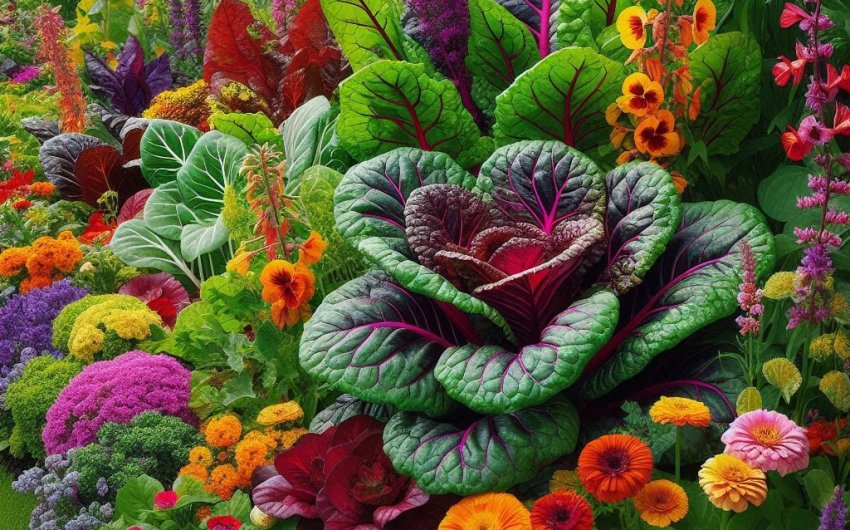
Gardens are often seen as places of beauty, filled with colorful flowers and lush green shrubs. But what if your beautiful garden could also provide fresh ingredients for your kitchen? That’s the magic of edible landscaping! It’s all about blending the best of both worlds: the beauty of ornamental plants with the practicality of edible plants. You don't need a separate vegetable patch hidden away; instead, your entire garden becomes a feast for the eyes and the stomach. This approach, sometimes called foodscaping, not only makes your garden more productive but also adds unique textures, colors, and fragrances that traditional landscaping might miss.
What is Edible Landscaping?
Edible landscaping is simply the practice of integrating plants that produce food (fruits, vegetables, herbs, nuts, and edible flowers) into your existing garden design. Instead of thinking of "vegetables" as separate, utilitarian plants, you start to see them as beautiful design elements. For example, a majestic artichoke plant with its silvery leaves and striking flower bud can be a fantastic focal point, just like a rose bush. Purple basil can create a stunning border, and a sprawling berry bush can offer both lovely foliage and delicious fruit.
The main idea is to move beyond the traditional separation of ornamental plants and food crops. Why hide your tomatoes when their bright red fruits can add a pop of color to a flower bed? Why not use leafy greens with interesting textures as groundcover? When you start to think this way, your garden becomes a more efficient, sustainable, and truly beautiful space.
Why Should You Decorate with Edible Plants?
There are so many good reasons to embrace edible landscaping. It's not just a trend; it's a smart way to garden.
Beauty and Variety
Let's start with the obvious: edible plants are often incredibly beautiful.
- Vibrant Colors: Think of the fiery reds and yellows of peppers, the deep purples of eggplant, the bright orange of pumpkins, or the rainbow stems of Swiss chard. These colors can rival any flower.
- Interesting Textures: The broad leaves of cabbage, the delicate fronds of carrots, the fuzzy leaves of sage, or the curly leaves of kale add incredible textural variety to your garden beds.
- Unique Forms: The architectural form of artichokes, the climbing vines of beans, or the sprawling habit of squash can create dramatic visual interest.
- Fragrance: Many herbs like rosemary, thyme, and mint release wonderful scents when brushed against, adding another sensory layer to your garden experience. Lemon verbena and lavender also offer delightful aromas.
Fresh Food at Your Fingertips
This is perhaps the most rewarding benefit. Imagine stepping out your door to pick fresh lettuce for your salad, ripe berries for your breakfast, or fragrant herbs for your dinner.
- Convenience: No more last-minute runs to the grocery store for a few herbs.
- Taste: Homegrown produce often tastes much better than store-bought, as it's picked at peak ripeness.
- Healthy Eating: Having fresh, healthy ingredients readily available can encourage a more nutritious diet.
Sustainability and Efficiency
Edible landscaping is also a very sustainable way to garden.
- Reduced Food Miles: Growing your own food means it doesn't have to travel far, reducing your carbon footprint.
- Less Waste: You only pick what you need, reducing food waste.
- Pollinator Support: Many edible plants (like fruit trees, berry bushes, and herbs allowed to flower) provide nectar and pollen for beneficial insects like bees and butterflies, which are vital for a healthy ecosystem.
Educational for Families
For families with children, an edible garden is a fantastic learning tool. Kids can see where their food comes from, learn about plant life cycles, and get excited about eating fresh vegetables they've helped grow.
Which Edible Plants are Best for Design?
Not all edible plants are created equal when it comes to garden design. Some truly shine with their ornamental qualities.
Bold and Beautiful Vegetables
These veggies are eye-catching enough to be front-and-center.
- Swiss Chard (especially 'Bright Lights' or 'Rainbow'): This is a rockstar of edible landscaping. Its stems come in brilliant shades of red, orange, yellow, pink, and white, making it a stunning border plant or accent. The crinkled leaves are also very attractive. You can find beautiful Swiss chard seeds from Botanical Interests.
- Artichokes: With their dramatic, silvery, thistle-like leaves and towering flower stalks, artichokes are fantastic as a focal point or in the back of a large border. Their flower buds are also incredibly striking.
- Ornamental Cabbage and Kale: While many kales are beautiful, some varieties, like 'Redbor' kale or ornamental cabbages, are bred specifically for their vibrant purple, pink, and green colors and frilly textures, making them perfect for cool-season displays.
- Eggplant: Varieties like 'Black Beauty' have glossy purple fruits that hang like ornaments. The leaves are also a nice deep green.
- Peppers (Ornamental and Edible): Many pepper plants, especially smaller, hotter varieties, produce a dazzling display of fruits in red, orange, yellow, purple, and black. Some are bred for their vibrant colors more than their heat, like Chinese 5 Color Pepper Seeds.
- Tomatoes (Bush and Vining): While taller indeterminate tomatoes can be sprawling, bush varieties or those grown on attractive trellises can add bright pops of red, yellow, or orange fruit. Their foliage is also quite lush.
Versatile Herbs
Herbs are perfect for adding texture, fragrance, and subtle beauty. Many are evergreen or semi-evergreen, providing year-round interest.
- Rosemary: Upright varieties can form lovely shrub-like plants with needle-like leaves and delicate blue flowers. Prostrate (spreading) varieties make excellent groundcover.
- Thyme: Low-growing and creeping thyme varieties can fill in gaps between stepping stones, creating a fragrant path. Upright thymes form small, tidy mounds.
- Lavender: While mostly ornamental, culinary lavender varieties are beautiful with their purple flower spikes and silvery-green foliage, and their flowers are edible for teas or baking.
- Basil (especially 'Purple Delight' or 'Red Rubin'): These purple-leafed basil varieties are stunning accents in borders or containers. Their deep color contrasts beautifully with green plants.
- Sage: The common garden sage has beautiful velvety, silvery-green leaves. There are also variegated varieties with purple or yellow splashes.
- Mint: While a vigorous spreader, mint can be beautiful in containers or where its spread can be managed. Its bright green leaves and various scents (peppermint, spearmint, chocolate mint) are lovely.
Fruiting Shrubs and Vines
These add structure and can provide abundant harvests.
- Blueberries: These bushes offer beautiful white or pink flowers in spring, delicious berries in summer, and stunning red fall foliage. They are perfect for hedges or specimen plants. Look for varieties like Blueberry Bush 'Patriot' for good yields.
- Raspberries and Blackberries: While they can be thorny, trained on a trellis or fence, their lush green foliage and plentiful fruit make them excellent additions.
- Strawberries: Low-growing and attractive, strawberries make wonderful edible groundcover or can be grown in hanging baskets and strawberry pots.
- Grape Vines: A grape vine on an arbor or pergola can provide beautiful shade, lush foliage, and delicious grapes.
- Dwarf Fruit Trees: Smaller varieties of apple, pear, cherry, or citrus trees can be incorporated into ornamental beds or grown in large containers.
Edible Flowers
These add splashes of color and can be used as garnishes or in salads.
- Nasturtiums: These vibrant flowers come in shades of orange, yellow, and red. Both the flowers and the leaves are edible with a peppery taste. They are also great for attracting beneficial insects. You can easily grow them from Nasturtium Seeds.
- Pansies and Violas: Cheerful and colorful, these flowers are safe to eat and look beautiful in salads.
- Calendula: Bright orange or yellow, calendula petals can be used in cooking.
- Borage: With its true blue, star-shaped flowers, borage is stunning and edible, often used to flavor drinks.
How to Integrate Edibles into Your Garden Design?
The key to successful edible landscaping is to think like a designer, not just a gardener.
Treat Edibles Like Ornamentals
Forget the idea of a straight row of vegetables. Instead, think about the color, texture, form, and size of your edible plants just as you would with any flower or shrub.
- Height and Layering: Place taller plants (like artichokes, tall tomato varieties on stakes, or dwarf fruit trees) at the back of beds. Mid-height plants (like Swiss chard, kale, or peppers) in the middle, and shorter plants (like lettuce, strawberries, or thyme) at the front or as groundcover.
- Color Contrast and Harmony: Use plants with contrasting colors (e.g., purple basil next to green lettuce) or harmonious colors (e.g., orange calendula with yellow peppers).
- Texture Play: Combine plants with different leaf textures – the crinkly leaves of kale with the smooth leaves of spinach, or the feathery leaves of carrots with the broad leaves of cabbage.
- Focal Points: Use a particularly striking edible plant, like an artichoke or a beautiful blueberry bush, as a focal point in a garden bed.
Borders and Edging
Instead of traditional low hedges, use edible plants to define your garden beds.
- Low Edibles: Lettuce, spinach, low-growing herbs like parsley or chives, and even compact strawberry plants make excellent edible borders.
- Colorful Lines: Use Swiss chard with its colorful stems to create a living, edible boundary.
- Fragrant Paths: Plant creeping thyme between stepping stones for a fragrant, edible path.
Containers and Raised Beds
If you have limited space or want to bring your edibles closer to your kitchen, containers and raised beds are perfect.
- Container Groupings: Arrange containers with different edible plants for a beautiful display. Mix herbs, leafy greens, and even compact pepper or eggplant varieties. A beautiful ceramic planter for herbs can be a centerpiece, for example, a La Jolíe Muse Ceramic Planter.
- Vertical Gardening: Use trellises, towers, or hanging baskets for vining edibles like cherry tomatoes, cucumbers, or strawberries. This adds vertical interest and maximizes space.
- Raised Beds as Design Elements: Build raised beds from attractive materials like stone or cedar and treat them as feature elements in your garden, filling them with a beautiful mix of edibles and maybe a few annual flowers.
Mixing with Ornamentals
Don't be afraid to plant edibles directly among your existing flowers and shrubs.
- Incorporate in Borders: Tuck a kale plant in with your coneflowers, or let nasturtiums spill over the edge of a bed alongside petunias.
- Underplantings: Use low-growing herbs or strawberries as groundcover around larger shrubs or trees.
- Companion Planting: Many edibles benefit from being planted near certain flowers (e.g., marigolds deterring pests, or borage attracting pollinators), adding a functional layer to your design choices.
Important Considerations for Your Edible Garden Design
While blending edibles and ornamentals is fun, there are a few practical things to keep in mind.
Sun Requirements
Most edible plants, especially vegetables and fruits, need at least 6-8 hours of direct sunlight per day to produce well. Herbs can often tolerate a bit more shade (4-6 hours). When designing, ensure your chosen edible plants are placed in spots that meet their light needs. Don't hide your tomatoes in a shady corner behind a big shrub, or they won't fruit!
Soil Needs
Edible plants generally prefer rich, well-draining soil with plenty of organic matter.
- Amend Your Soil: Before planting, work in compost or other organic amendments to improve soil fertility and drainage.
- Fertilizing: Regular feeding with a balanced organic fertilizer might be necessary, especially for heavy feeders like tomatoes or corn. You can find excellent organic options like Espoma Garden-tone Organic Plant Food.
- Separate Beds (Optional): If your existing garden beds have very poor soil, consider building raised beds specifically for your edibles where you can control the soil quality.
Water Needs
Consistency is key for most edible plants. They prefer regular, even moisture, especially when fruiting.
- Drip Irrigation: A drip irrigation system or soaker hoses can be very efficient, delivering water directly to the roots and minimizing water waste.
- Mulching: Applying a layer of mulch (like straw or shredded leaves) around your plants helps retain soil moisture, suppresses weeds, and keeps soil temperatures more even.
Pest and Disease Management
Since you'll be eating the produce, consider organic and natural pest and disease management methods.
- Good Airflow: Space your plants appropriately to ensure good air circulation, which helps prevent fungal diseases.
- Companion Planting: As mentioned, certain flowers or herbs can naturally deter pests.
- Manual Removal: Hand-picking pests is often the first line of defense.
- Beneficial Insects: Attract beneficial insects by planting flowers that provide nectar and pollen.
- Organic Sprays: If necessary, use organic pest control sprays, like neem oil, following product instructions carefully.
Pruning and Maintenance
Many edible plants will require specific pruning or training to maximize yield and maintain a tidy appearance.
- Tomatoes: "Suckering" and staking tomato plants keeps them productive and neat.
- Berry Bushes: Pruning raspberry and blueberry bushes annually promotes better fruiting and bush health.
- Herbs: Regular harvesting (pruning) of herbs like basil and mint encourages bushier growth.
Rotational Planting (for Long-Term Health)
If you're planting a lot of annual vegetables in the same spot year after year, it's a good idea to practice crop rotation. This means not planting the same type of vegetable in the exact same spot season after season. It helps prevent soil-borne diseases and nutrient depletion. For example, if you grow tomatoes in one bed one year, plant beans or leafy greens there the next.
By carefully considering these factors, you can create an edible landscape that is not only stunning to look at but also a bountiful source of fresh, healthy food for your table. It’s a garden that truly gives back, making every glance and every harvest a joy.