
Best Hanging Lanterns for Cozy Garden Evenings
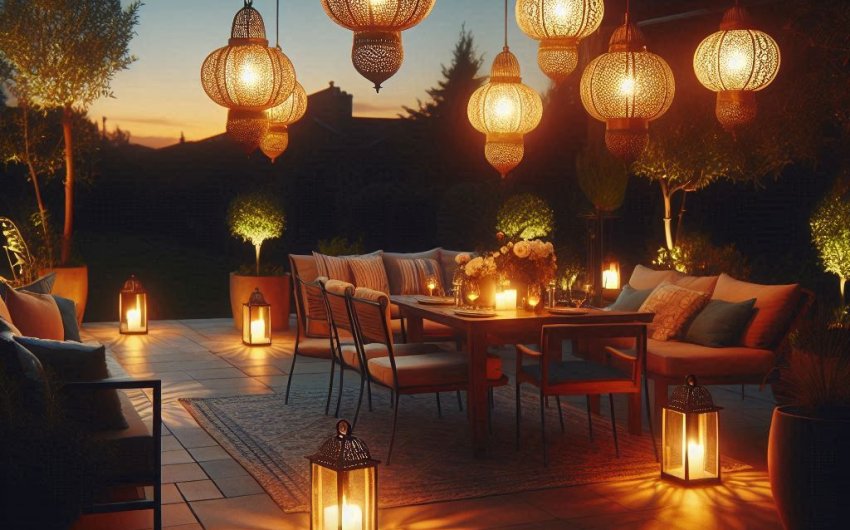
For cozy garden evenings, the best hanging lanterns include solar-powered LED lanterns, battery-operated flameless candles in decorative housings, and classic string lights with warm-white bulbs. These options offer ambient lighting, ease of installation, and a charming glow to transform your outdoor space into an inviting retreat.
Why are Hanging Lanterns Perfect for Cozy Garden Evenings?
Hanging lanterns are more than just light sources; they are essential elements in creating an intimate, warm, and inviting atmosphere in your garden or outdoor living area. They elevate the space, making it perfect for relaxation, entertaining, or simply enjoying the twilight hours.
Creating Ambiance and Mood
The primary role of hanging lanterns is to set the mood. Unlike harsh spotlights or floodlights, lanterns provide a soft, diffused glow that mimics natural candlelight or moonlight. This creates a sense of tranquility, romance, and warmth, instantly making any outdoor space feel more cozy and welcoming. They can transform a simple patio into an enchanted haven.
Defining Outdoor Spaces
Hanging lanterns can act as subtle visual markers, helping to define different zones within your garden or patio. Hang them along a pathway to guide guests, suspend them over a dining area to create an outdoor "room," or cluster them around a seating nook for an intimate gathering spot. This spatial definition adds structure and purpose to your outdoor layout.
Adding Decorative Flair
Beyond their illumination, lanterns are decorative objects in themselves. Available in a vast array of styles, materials, and colors, they can enhance your garden's aesthetic. From rustic farmhouse designs and Moroccan-inspired patterns to sleek modern forms and whimsical fairy lights, hanging lanterns contribute significantly to your outdoor decor, even during the daytime.
Versatility and Placement
Hanging lanterns offer incredible versatility in placement. They can be suspended from pergolas, gazebos, tree branches, shepherd's hooks, fence posts, or even integrated into railings. This flexibility allows you to illuminate areas that traditional ground-level lighting might miss, casting beautiful light from above.
Safety and Navigation
While their main purpose is ambiance, hanging lanterns also provide just enough light for safe navigation after dark. They help highlight steps, pathways, and seating arrangements, reducing the risk of trips and falls without being overly bright or intrusive.
Low Impact on Garden Ecosystem
Compared to brighter, more intrusive lighting, the softer glow of many hanging lanterns is less disruptive to nocturnal wildlife. This allows you to enjoy your garden's beauty at night while being mindful of its natural inhabitants.
What Types of Hanging Lanterns are Available?
The world of hanging lanterns is diverse, offering options for every style, power source, and desired level of illumination.
1. Solar-Powered Hanging Lanterns
These are incredibly popular for their ease of installation and eco-friendliness. They have a small solar panel that charges a battery during the day, which then powers an LED light at night.
- How They Work: Integrated solar panel absorbs sunlight > charges internal rechargeable battery > automatically turns on LED at dusk > runs on stored battery power.
- Pros:
- No wiring: Extremely easy to install anywhere the sun shines.
- Energy-efficient: Zero electricity cost, uses renewable energy.
- Automatic: Often turn on/off automatically with daylight sensors.
- Low maintenance: Just ensure the solar panel stays clean.
- Many models offer a warm, flickering glow. Check out Better Homes & Gardens Solar Lanterns.
- Cons:
- Dependent on sun: Performance varies with sun exposure; may not glow as brightly or for as long on cloudy days or in shaded areas.
- Battery life: Internal batteries will need replacing every 1-3 years.
- Brightness: Generally provide ambient light rather than task lighting.
2. Battery-Operated Hanging Lanterns
These lanterns run on replaceable batteries (AA, AAA, D cells) and often feature LED bulbs, sometimes with a realistic flickering "flame" effect.
- How They Work: Simply insert batteries > turn on/off manually or with a timer/remote.
- Pros:
- Flexible placement: Can be placed anywhere, even in full shade.
- Consistent brightness: Not dependent on sunlight.
- Often features timers/remotes: For convenience.
- Safe: No open flame, no heat.
- Look for flameless LED lanterns for outdoors.
- Cons:
- Battery replacement: Requires regular battery changes, adding to ongoing cost and waste.
- Manual operation: Unless a timer is built-in, you have to remember to turn them on/off.
- Brightness may dim as batteries lose power.
3. Electric String Lights (with Lanterns)
While not individual "lanterns," string lights with decorative lantern shades are a popular way to achieve a hanging lantern effect with consistent electric power.
- How They Work: Plug into an outdoor electrical outlet.
- Pros:
- Consistent, reliable light: Not dependent on batteries or sun.
- Can cover large areas: Easily strung across patios or pergolas.
- Bright options: Can provide more significant illumination.
- Many options like outdoor string lights with lantern shades.
- Cons:
- Requires outdoor outlet: Limited by power source availability.
- Wiring: Can be more complex to install and secure safely.
- Electricity cost: Though usually minimal for LED bulbs.
4. Traditional Candle Lanterns
These use real candles (votives, pillar candles, or tea lights) housed in protective enclosures.
- How They Work: Insert and light a candle.
- Pros:
- Authentic flame: Unmatched ambiance and natural flicker.
- No electricity or batteries needed.
- Outdoor candle lanterns are classic.
- Cons:
- Fire hazard: Requires constant supervision, especially in windy conditions or near flammable materials.
- Messy: Wax drips, soot.
- Short burn time: Candles need frequent replacement.
- Not suitable for all climates: Wind can extinguish flames easily.
5. Propane/Oil-Fueled Lanterns (Less Common for Ambient Decor)
While existing, these are typically camping lanterns and generally too bright and high-maintenance for cozy garden ambiance, usually producing a harsher light and requiring fuel management.
How to Choose the Best Hanging Lantern for Your Garden?
Selecting the ideal hanging lanterns involves considering several factors to ensure they fit your garden's needs and your personal style.
1. Power Source (Solar, Battery, Electric, Candle)
- Solar: Best for eco-friendly, hands-off operation in sunny locations. Great for general ambiance.
- Battery: Most flexible for placement, good for shaded areas, consistent light, but requires battery changes.
- Electric: Ideal for strong, consistent, and long-lasting light in areas with outdoor outlets. Good for defined spaces like dining areas.
- Candle: For authentic, romantic ambiance when supervised. Best for occasional use.
2. Durability and Weather Resistance
Outdoor lanterns need to withstand the elements.
- Material: Look for rust-resistant metals (powder-coated steel, aluminum), UV-resistant plastics, or treated woods.
- IP Rating: This indicates protection against solids and liquids. For outdoor use, aim for IP44 (splash-proof) or higher, especially for electrical lanterns.
- Glass vs. Plastic Panels: Glass offers clearer light but can break. Plastic (acrylic, polycarbonate) is shatter-resistant but might scratch or yellow over time.
- Drainage: Some designs have drainage holes to prevent water accumulation.
3. Style and Aesthetic
The lantern's design should complement your garden's overall look.
- Modern: Clean lines, geometric shapes, metal, minimalist designs.
- Farmhouse/Rustic: Galvanized metal, wood, distressed finishes, simple shapes.
- Bohemian/Moroccan: Intricate cut-out patterns, colored glass, ornate metalwork.
- Coastal: Rope details, weathered finishes, blues and whites.
- Traditional: Classic lantern shapes, often in bronze or black.
- Consider the lantern's size and how it will visually integrate with its surroundings.
4. Brightness and Light Color
- Lumens: For LED lanterns, lumens indicate brightness. For ambient light, you generally want lower lumens (e.g., 5-50 lumens per lantern).
- Color Temperature (Kelvin):
- Warm White (2200K-3000K): Mimics candlelight, creates the coziest atmosphere. This is generally preferred for cozy garden evenings.
- Cool White (4000K-5000K): Brighter, more like daylight, less cozy.
- RGB/Color-Changing: Fun for parties, but less common for consistent cozy ambiance.
5. Features and Functionality
- Timers: Automatically turn on/off. Great for solar and battery lanterns.
- Remote Controls: For convenience with battery or electric lanterns.
- Dimmers: Allow you to adjust brightness, useful for electric string lights.
- Flicker Effect: Many LED battery or solar lanterns mimic a real flame flicker for enhanced ambiance.
- Motion Sensors: Less common for ambient hanging lanterns, but exist for security.
6. Installation Method
- Hooks: Most hanging lanterns come with a hook. Consider shepherd's hooks for pathways, or screw-in hooks for pergolas and fences.
- Stringing: For string lights, you'll need support wires or sturdy attachment points.
Where to Hang Lanterns for Maximum Coziness?
Strategic placement is key to transforming your garden into an inviting nighttime retreat.
Over Dining or Seating Areas
- Create an Outdoor "Room": Suspend multiple lanterns or string lights directly above your outdoor dining table or seating lounge. This defines the space, provides light for conversation, and creates a sense of intimacy, just like an indoor chandelier.
- Layered Lighting: Combine overhead lanterns with lower-level lighting (e.g., table lamps, ground stakes) for a multi-dimensional glow.
Along Pathways and Entrances
- Guiding Lights: Hang lanterns from shepherd's hooks placed along the edges of pathways. This provides subtle illumination for safe navigation and extends the inviting atmosphere throughout your garden.
- Welcoming Entry: Place lanterns near your garden gate, archway, or main entrance to create a warm welcome for guests.
Under Pergolas, Gazebos, or Awnings
- Structured Glow: These structures provide natural hanging points. Drape string lights, or hang individual lanterns at varying heights from beams to create a canopy of light.
- Reflective Surfaces: The underside of a pergola or awning can help reflect and enhance the light from the lanterns.
From Tree Branches
- Enchanted Forest Effect: Suspend solar lanterns from sturdy tree branches. Ensure the branches are strong enough to support the weight and that the solar panels receive adequate sunlight. This creates a truly magical, naturalistic glow.
- Varying Heights: Hang lanterns at different levels to create visual depth and interest.
Along Fences or Walls
- Vertical Illumination: Attach hooks to your fence or garden wall and hang lanterns at regular intervals. This can transform a plain boundary into a decorative feature.
- Shadow Play: Choose lanterns with cut-out patterns (e.g., Moroccan style) that cast interesting shadows on the wall when illuminated.
In Garden Nooks and Secluded Spots
- Intimate Retreats: Light up a hidden bench, a quiet meditation spot, or a small water feature with a single, strategically placed lantern or a cluster of a few. This draws attention to these special areas and encourages discovery.
Creative Ideas for Using Hanging Lanterns
Think beyond just hanging them in a line! Get creative to truly elevate your garden decor.
Lantern Clusters
- Varying Heights: Instead of hanging single lanterns, group 3-5 lanterns of different sizes or styles together, hanging them at varying heights from a single strong point (e.g., a pergola beam or sturdy tree branch). This creates a stunning focal point.
- Mixed Materials: Combine lanterns of different materials (e.g., metal, woven, glass) within a cluster for textural interest.
Lantern Garlands
- String Them Up: Purchase individual small lanterns and thread them onto a strong outdoor string or thin rope to create your own custom lantern garland. This is especially charming with mini solar lanterns or battery-operated tea lights.
- Foliage Integration: Weave the lantern garland through a vine-covered trellis or along a fence adorned with climbing roses for a whimsical, natural look.
Reflective Surfaces
- Mirror Enhancement: Place hanging lanterns near an outdoor mirror. The mirror will reflect the lanterns' glow, doubling their light and creating an illusion of expanded space and depth.
- Water Feature Glow: If you have a pond or bird bath, hang lanterns above it. The light reflecting on the water's surface will create shimmering patterns.
Themed Lighting
- Boho Retreat: Use intricately patterned metal lanterns, perhaps with colored glass inserts, combined with macrame hangers and soft textiles.
- Coastal Calm: Opt for lanterns with rope accents, weathered finishes, or simple glass jars filled with battery-operated fairy lights.
- Enchanted Forest: Use natural wood or rustic metal lanterns, suspended from trees, perhaps with some artificial ivy draped around them.
- Minimalist Modern: Choose sleek, unadorned lanterns in black, white, or metallic finishes, hung sparingly for a clean look.
Lanterns as Planters (Carefully!)
- Succulent Displays: For lanterns that have open tops or can be modified, place small potted succulents or air plants inside. This is more for daytime decor, but if using solar lights, the effect is charming. Ensure proper drainage.
- Faux Plants: Fill the lantern with realistic artificial succulents or faux florals that complement your garden style.
Maintenance Tips for Long-Lasting Glow
To keep your hanging lanterns looking beautiful and glowing brightly, a little maintenance goes a long way.
Regular Cleaning
- Wipe Down: Dust, pollen, bird droppings, and water spots can accumulate on lanterns, dulling their appearance and, for solar lanterns, reducing charging efficiency. Regularly wipe down the lantern body and any glass or plastic panels with a soft, damp cloth.
- Clean Solar Panels: For solar lanterns, ensure the solar panel is free of dirt and debris. A clean panel absorbs maximum sunlight.
Battery Management
- Check Batteries: For battery-operated lanterns, replace batteries when the light starts to dim. Consider using rechargeable AA rechargeable batteries to reduce waste.
- Solar Battery Replacement: The rechargeable batteries in solar lanterns typically last 1-3 years. If your solar lantern isn't holding a charge anymore, try replacing the internal battery before assuming the lantern is broken.
Structural Integrity
- Inspect Hanging Points: Periodically check the hooks, chains, or wires from which your lanterns are suspended. Ensure they are secure and show no signs of rust or wear. High winds can put stress on these points.
- Check Lantern Body: Look for any cracks, rust, or damage to the lantern's frame or glass panels. Address minor issues promptly to prevent further deterioration.
Weather Protection
- Bring Indoors During Extreme Weather: While most outdoor lanterns are weather-resistant, bringing them indoors during severe storms, high winds, or extended periods of freezing temperatures (especially for glass lanterns) can significantly prolong their lifespan.
- Winter Storage: In climates with harsh winters, clean and store all lanterns indoors during the off-season. This prevents unnecessary wear and tear.
Candle Lantern Specifics
- Clean Wax: Regularly clean out old wax residue from traditional candle lanterns.
- Supervision: Never leave lit candles unattended. Extinguish them before leaving the area or going to bed.
- Placement: Place away from flammable materials like dry leaves, curtains, or overhanging branches.
Common Problems and How to Troubleshoot Them
Even with the best planning, you might encounter issues with your hanging lanterns.
Solar Lanterns Not Lighting Up
- Problem: The lantern isn't glowing at night or is very dim.
- Possible Causes:
- Insufficient charge: Not enough direct sunlight during the day.
- Dirty solar panel: Obscuring sunlight.
- Dead battery: The rechargeable battery has reached the end of its life.
- Light sensor blocked/faulty: Still thinks it's daylight.
- Switch off: The "on/off" switch might be off.
- Solutions:
- Relocate: Move to a spot with more direct sun.
- Clean panel: Wipe clean with a damp cloth.
- Replace battery: Open the battery compartment and replace the rechargeable AA or AAA battery.
- Check sensor: Ensure nothing is blocking the light sensor.
- Toggle switch: Make sure it's in the "on" position.
Battery-Operated Lanterns Dim or Not Working
- Problem: Light is weak or won't turn on.
- Possible Causes:
- Dead batteries: Most common issue.
- Corrosion: Battery compartment corrosion.
- Faulty bulb/wiring: Less common, especially with LEDs.
- Solutions:
- Replace batteries: Ensure correct type and orientation.
- Clean contacts: Use a pencil eraser or cotton swab with rubbing alcohol to clean battery contacts if there's corrosion.
- Check bulb: If LED, it's usually integrated, so contact manufacturer or replace the unit if new batteries don't work.
Lanterns Blowing Around in Wind
- Problem: Swaying excessively or falling.
- Possible Causes:
- Too lightweight: Lantern is too light for its exposure.
- Insufficiently secured: Hook or chain isn't robust enough.
- Solutions:
- Choose heavier lanterns: For windy areas.
- Use stronger hooks/chains: Upgrade mounting hardware.
- Secure with tie-downs: For very windy spots, consider adding a thin wire or string from the bottom of the lantern to a fixed point to minimize sway.
Rust or Fading
- Problem: Lanterns looking worn or discolored.
- Possible Causes:
- Poor quality materials: Not truly outdoor-rated.
- Lack of protection: Constant exposure to harsh elements.
- Solutions:
- Inspect IP rating: For new purchases, check for higher IP ratings.
- Regular maintenance: As mentioned, clean and inspect regularly.
- Protective coatings: For metal lanterns, a clear outdoor sealant can help prevent rust. For plastic, a UV protectant spray can slow fading.
- Winter storage: Bring them inside during the off-season.
Hanging lanterns are a simple yet powerful way to infuse warmth, character, and an undeniable sense of coziness into your garden evenings. By understanding the types available, planning their placement carefully, and providing a bit of ongoing care, you can create an inviting outdoor sanctuary where you'll love to linger long after the sun goes down.