
How to Decorate a Shade Garden with Low Light Plants?
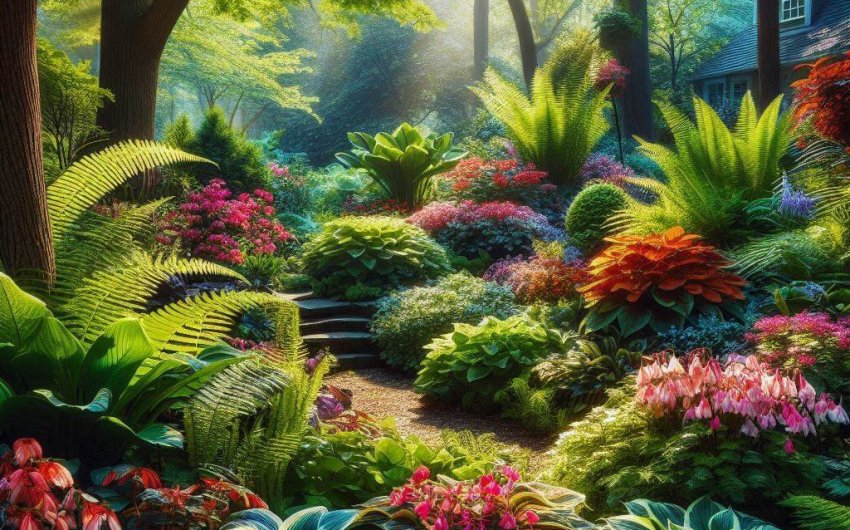
Do you have a shady spot in your garden that seems impossible to decorate? Don't worry, a shade garden isn't a limitation; it's an opportunity! These cool, often tranquil areas can become some of the most beautiful and enchanting parts of your outdoor space. The trick is to choose the right low light plants and combine them with smart design choices. This guide will show you how to transform those shady spots into lush, vibrant havens.
Understanding Shade: More Than Just "No Sun"
Before you start planting, it's important to know that "shade" isn't just one thing. Different types of shade affect which shade-loving plants will thrive.
Types of Shade
- Full Shade: Areas that receive less than 3 hours of direct sunlight per day, often no direct sun at all, just filtered light or indirect light. This is typically found under dense tree canopies, on the north side of buildings, or in very narrow alleys.
- Partial Shade/Part Sun: These terms are often used together but have slight differences.
- Partial Shade: Receives 3-6 hours of direct sun, usually in the morning, or dappled light throughout the day. This is good for many plants that prefer afternoon shade.
- Part Sun: Also receives 3-6 hours of direct sun, but can tolerate some harsher afternoon sun.
- Dappled Shade: Sunlight filters through leaves of trees, creating a shifting pattern of light and shadow. This is ideal for many low light plants that mimic forest undergrowth.
- Dry Shade: This is the trickiest kind of shade. It’s found under large trees where the tree roots compete heavily for moisture and nutrients. It's often very dense shade as well. This needs especially tough plants.
Understanding your specific shade conditions will help you choose the best shade garden plants.
Why Embrace a Shade Garden?
Shady spots offer unique benefits that sunny areas can't.
Cool and Tranquil Retreat
Shade gardens are naturally cooler and more serene. They offer a refreshing escape from the summer heat, making them perfect spots for a quiet bench or a reading nook. The dappled light creates a magical, calming atmosphere.
Less Weeding
Many weeds prefer sunny conditions. In shade, weed growth is often reduced, meaning less time spent pulling them out!
Unique Plant Palette
Shade-loving plants often have incredible textures, interesting leaf shapes, and subtle, sophisticated blooms that truly stand out. You get to explore a whole different world of plants that thrive out of direct sunlight.
Low Maintenance (with the right plants)
Once established, many shade garden plants are quite low maintenance. They generally need less watering than sun-loving plants because the soil stays moist longer in the shade.
Designing Your Shade Garden: More Than Just Plants
Decorating a shade garden involves more than just picking low light plants. Think about hardscaping, pathways, and decorative elements to enhance the overall look.
1. Pathways and Seating Areas
A path draws the eye and encourages exploration.
- Materials: Use stepping stones, flagstones, or wood slices to create a natural-looking path that meanders through your shade garden. A path lined with soft mosses or low-growing groundcovers can be enchanting.
- Seating: Place a rustic bench, a stone seat, or a comfortable chair in a shady nook. This invites relaxation and contemplation. Make sure the seating area is well-drained and comfortable. A teak garden bench can offer timeless appeal.
2. Hardscaping and Structure
Even in shade, you can add structural elements.
- Stone Features: Large boulders, natural rock formations, or even a small dry stone wall can add weight and permanence to your design. They also create microclimates for certain plants.
- Wooden Elements: A rustic arbor, a small bridge over a dry creek bed, or strategically placed logs can add a woodland feel. Consider using a wooden arbor with gate as an entrance to your shaded retreat.
- Water Features: The sound of water is incredibly soothing in a shady space. A small bubbling fountain, a bird bath, or a miniature pond can bring life and sound to your garden. A small outdoor fountain can fit perfectly.
3. Decorative Accents
These are the "jewelry" of your garden.
- Statuary: A moss-covered statue, a charming fairy garden figurine, or a whimsical gnome can add personality.
- Lighting: Subtly light your pathways or highlight certain plants with low-voltage garden lights or solar path lights. This makes your shade garden magical at night. Solar garden lights are easy to install.
- Unique Planters: Use repurposed items like old bathtubs, wheelbarrows, or ceramic pots to add character and hold more plants. A moss-covered planter blends beautifully.
- Wind Chimes: A gentle wind chime can add a subtle auditory element to your peaceful space.
Top Low Light Plants for a Beautiful Shade Garden
Now for the stars of the show! These plants thrive in less light and offer amazing textures, foliage colors, and sometimes even beautiful blooms.
Foliage First: The backbone of your shade garden
Foliage plants are the superstars of the shade garden because their leaves provide color and interest all season long, unlike flowers that bloom for a short period.
Hostas (Hosta spp.): The undisputed king of the shade garden.
- Why they're great: Come in an incredible array of sizes, shapes, and colors – from tiny blues to giant variegated greens and golds. Their textured leaves are simply stunning.
- Care: Relatively easy. Need consistent moisture. Slugs and snails love them, so look for slug-resistant varieties or use bait.
- Varieties to look for: 'Sum and Substance' (giant gold), 'Halcyon' (blue-leaf), 'Guacamole' (chartreuse with fragrance), 'Empress Wu' (massive blue-green). You can find various Hosta varieties online.
Ferns (various species): Essential for a lush, woodland feel.
- Why they're great: Offer incredible texture with their delicate fronds. Range from tall and stately (like the Ostrich Fern) to low-growing and lacy (like the Lady Fern). Many are native to shady woodlands.
- Care: Prefer moist, well-drained soil. Generally low maintenance.
- Varieties to look for: Japanese Painted Fern (silver, burgundy, green fronds), Autumn Fern (coppery new growth), Lady Fern, Ostrich Fern (tall, upright). A mix of shade loving ferns adds diversity.
Heuchera (Coral Bells): More than just green!
- Why they're great: Prized for their amazing foliage colors – purple, lime green, bronze, orange, red, silver, and variegated. They also send up delicate flower stalks.
- Care: Prefer well-drained soil. Can tolerate some sun if soil stays moist.
- Varieties to look for: 'Palace Purple', 'Caramel', 'Lime Rickey', 'Obsidian'. Look for vibrant Heuchera plants to add color.
Lungwort (Pulmonaria): Spotty and unique!
- Why they're great: Attractive foliage often splashed or spotted with silver, offering excellent visual interest. Early spring flowers.
- Care: Prefers moist, rich soil.
- Best for: Adding unique texture and pattern.
Lamium (Dead Nettle): Groundcover with a punch.
- Why they're great: Fast-growing groundcover with variegated silver and green foliage and small pink, purple, or white flowers. Excellent for brightening dark areas.
- Care: Very easy to grow, can spread quickly.
- Best for: Filling in spaces, under trees.
Flowering Plants for Shade
While foliage is key, these plants provide beautiful bursts of color.
Impatiens (Impatiens walleriana & New Guinea Impatiens): The classic shade annual.
- Why they're great: Offer continuous, vibrant blooms in almost any color you can imagine. Excellent for containers or mass planting. New Guinea Impatiens tolerate a bit more sun and are resistant to downy mildew.
- Care: Need consistent moisture. Frost sensitive (annuals).
- Best for: Bright splashes of seasonal color. Impatiens seeds can be started indoors.
Hellebores (Helleborus orientalis): Winter and early spring bloomers.
- Why they're great: Provide much-needed color when little else is blooming, often appearing through snow. Elegant, nodding flowers in white, pink, purple, or speckled.
- Care: Very hardy and long-lived once established. Prefer well-drained soil.
- Best for: Early season interest.
Astilbe (Astilbe spp.): Feathery plumes of color.
- Why they're great: Bring vertical interest and bright color with their showy, feathery flower plumes in shades of pink, red, white, or purple. Attractive fern-like foliage.
- Care: Prefer consistently moist soil.
- Best for: Adding dramatic color and texture.
Bleeding Heart (Dicentra spectabilis): Heart-shaped charm.
- Why they're great: Adorable heart-shaped flowers dangling from arching stems in spring. Classic cottage garden plant for shade.
- Care: Goes dormant in summer, so plant with later-season shade plants that can fill in the space.
- Best for: Whimsical spring blooms.
Foamflower (Tiarella cordifolia): Delicate white flowers and lovely foliage.
- Why they're great: Native woodland plant with airy white flower spikes in spring. Attractive foliage, often lobed and sometimes with dark markings. Great groundcover.
- Care: Easy to grow, spreads politely.
- Best for: Naturalistic woodland gardens.
Fuchsias (Fuchsia spp.): Dainty hanging flowers.
- Why they're great: Perfect for hanging baskets or containers in partial shade, producing an abundance of delicate, dangling flowers in pinks, purples, and whites.
- Care: Need consistent moisture. Frost tender (annuals or tender perennials).
- Best for: Cascading color from hanging planters. A fuchsia hanging basket can instantly brighten a dark spot.
Tips for Planting and Caring for Your Shade Garden
Even with the right plants, a few extra tips will help your shade garden flourish.
1. Improve Soil
Shady areas, especially under trees, often have poor, compacted soil full of roots.
- Amend with Organic Matter: Before planting, generously mix in compost, leaf mold, or other organic matter. This improves drainage, aeration, and fertility. A good organic garden compost is invaluable.
- Raised Beds: If soil is extremely poor or root-bound, consider a raised bed for your shade garden.
2. Watering Wisely
While shade plants generally need less water than sun plants, they still need it.
- Consistent Moisture: Many shade plants prefer consistently moist, but not soggy, soil.
- Deep Watering: Water deeply to encourage roots to grow down.
- Monitor: Check the soil moisture regularly, especially during dry spells. Overwatering can be just as harmful as underwatering.
3. Fertilizing
Shade plants generally don't need heavy feeding.
- A light application of a balanced, slow-release fertilizer in spring, or a yearly top-dressing of compost, is usually sufficient.
4. Dealing with Dry Shade
If you have a particularly dry, shady spot (like under a mature maple tree):
- Choose Tough Plants: Focus on plants known for dry shade tolerance like Epimedium (Barrenwort), Liriope, Solomon's Seal, or certain ferns.
- Extra Watering: Water more frequently during establishment, and potentially during very dry periods even after established.
- Root Barrier: For extreme cases, a root barrier might be considered to protect plants from aggressive tree roots, but this is a bigger project.
5. Add Brightness with Foliage
Don't rely solely on flowers for color.
- Variegated Leaves: Plants with variegated (two-toned) leaves, like many Hostas and Lamium, can brighten up a dark corner immensely.
- Golden/Lime Green Foliage: Heuchera, certain Hostas, and other plants with chartreuse or gold leaves act like natural spotlights in the shade.
6. Consider Texture Contrast
Mix plants with different leaf textures to add interest.
- Pair the bold, broad leaves of a Hosta with the delicate, lacy fronds of a fern.
- Combine the smooth texture of a Pulmonaria leaf with the fuzzy feel of a Lady's Mantle.
7. Think Year-Round Interest
Choose some evergreen shade plants (like certain ferns or Ivies) to provide structure and color even in winter. Hellebores provide winter and early spring blooms.
Inspiring Shade Garden Designs
Let’s put it all together with some design ideas.
1. The Woodland Retreat
- Theme: Natural, serene, inviting.
- Plants: A mix of ferns (Lady Fern, Japanese Painted Fern), Hostas (various greens and blues), Astilbes, Solomon's Seal, and native woodland wildflowers.
- Decor: A winding path of wood chips or stepping stones, a rustic wooden bench, natural stone features, subtle solar lights.
- Vibe: Like stepping into a peaceful forest glade.
2. The Vibrant Shade Border
- Theme: Colorful, lively, cheerful.
- Plants: Mass plantings of colorful Impatiens (if annual), bright Heuchera varieties (lime green, orange), variegated Hostas, and perhaps some brightly colored ceramic pots with Fuchsias.
- Decor: Painted garden gnomes, colorful birdhouses, unique planters.
- Vibe: A burst of color that proves shade doesn't have to be dull.
3. The Tranquil Courtyard
- Theme: Zen, calm, meditative.
- Plants: Lush, uniform green Hostas, delicate ferns, moss groundcover, perhaps a dwarf Japanese Maple.
- Decor: A small bubbling stone fountain, a sleek stone bench, soft uplighting, bamboo accents.
- Vibe: A minimalist, peaceful space for quiet contemplation.
4. The Dry Shade Solution
- Theme: Resilient, textural, low-maintenance.
- Plants: Epimedium (Barrenwort), Liriope, Solomon's Seal, tough ferns like Autumn Fern, Vinca minor (periwinkle).
- Decor: Large, decorative rocks or boulders to break up the space, maybe a sturdy wooden bench or a simple stone planter with more dry-shade tolerant succulents.
- Vibe: A surprisingly lush area in a challenging spot.
Decorating a shade garden is a rewarding journey that reveals the hidden beauty of low-light plants. By understanding the types of shade, choosing the right plants, and adding thoughtful decor, you can transform any dark corner into a captivating and tranquil retreat. Embrace the shade, and watch your garden flourish in a whole new way!