
Unique Planter Ideas for Garden Decor Inspiration
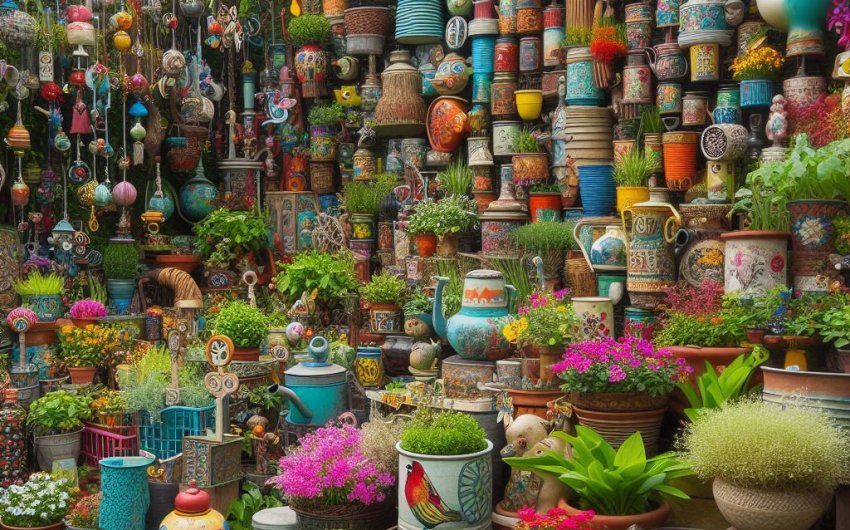
Tired of plain old terracotta pots? While they're classics, your garden can truly shine with a bit of creativity when it comes to planters. Think beyond the usual and find unique planter ideas that add personality, charm, and a touch of whimsy to your outdoor space. This guide will explore many ways to transform everyday items into stunning homes for your plants, giving you tons of garden decor inspiration.
Why Go for Unique Planters?
You might wonder, "Why bother with unique planters when standard ones do the job?" Here's why getting creative with your pots is a fantastic idea:
Adds Personality and Charm
Your garden is an extension of your home and your style. Unique planters are like little art pieces that tell a story. They show off your creativity and make your garden feel less generic and more truly yours. It's a wonderful way to express yourself.
Repurposing and Upcycling
Many of the best unique planter ideas involve giving old items a new life. This is great for the environment, as it keeps things out of landfills. Plus, finding a new purpose for something old is incredibly satisfying and often leads to truly one-of-a-kind results. This is the heart of DIY garden decor.
Conversation Starters
Imagine your friends visiting and spotting a beautiful succulent growing out of an old watering can, or a burst of flowers spilling from a vintage bicycle basket. These creative touches are sure to spark conversations and admiration.
Budget-Friendly Decor
Often, these unique planters can be made from items you already have, or found cheaply at thrift stores, garage sales, or even on the side of the road. This makes budget-friendly garden decor much easier to achieve.
Versatility in Design
Standard pots come in limited shapes and sizes. Unique planters allow you to experiment with all sorts of dimensions, textures, and heights, adding visual interest and breaking up monotony in your garden layout.
Repurposing Old Items into Planters
This is where the magic happens! Look around your home or head to a thrift store with fresh eyes. Almost anything can become a planter with a little imagination.
1. Old Tires
Yes, tires! They are incredibly durable and make surprisingly good, large planters.
- How-to: Clean them thoroughly. You can stack them, paint them bright colors, or even cut patterns into them (use caution and proper tools for cutting). Fill with soil and plants. They're great for vegetables or large flowers.
- Best for: Rustic, industrial, or playful garden styles. They're also great for raised beds.
2. Wooden Pallets and Crates
Pallets are a DIY dream! You can easily find them (often for free) and turn them into vertical planters, tiered displays, or even small herb gardens.
- How-to: Disassemble pallets for individual planks, or use whole sections. Attach planks to create planting pockets. Old wooden crates, like apple crates or wine boxes, are also perfect. Line them with landscaping fabric before adding soil to prevent rot and keep soil in.
- Best for: Farmhouse, rustic, or bohemian gardens. A vertical garden planter kit can also give you ideas.
3. Old Furniture
Don't toss that old dresser or chair!
- Dressers/Drawers: Remove the drawers, line them with plastic or landscaping fabric, and pull them out at different lengths for a cascading planter effect. Paint the dresser a fun color.
- Chairs: Remove the seat, and replace it with a wire basket or a planter pot. Or, simply place a pot directly on the seat. Old wooden chairs can be painted or left to weather naturally.
- Bathtubs/Sinks: For large gardens, an old clawfoot tub or a porcelain sink can become an impressive raised planter or even a small water garden. Ensure drainage is addressed.
- Best for: Shabby chic, whimsical, or eclectic gardens.
4. Vintage Kitchenware and Utensils
Scour antique shops and your own cupboards for charming kitchen finds.
- Teapots and Kettles: Small succulents or herbs look adorable poking out of vintage teapots.
- Colanders: Their built-in holes make them fantastic for drainage. Line with coffee filters or thin fabric to keep soil in, then plant herbs or small flowers.
- Bundt Pans/Muffin Tins: Great for small succulents or propagating cuttings.
- Old Strainers/Baking Pans: Can be used as shallow planters for hens and chicks or mosses.
- Best for: Cottage, whimsical, or vintage-themed gardens.
5. Old Boots and Shoes
Yes, really! This is a super quirky and fun idea.
- How-to: Old leather boots, rain boots, or even sturdy sneakers can be filled with soil and planted. Make sure to add drainage holes if they don't have them (drill carefully into rubber or leather). They look great tucked into flower beds or on steps.
- Best for: Playful, quirky, or casual gardens.
6. Wheelbarrows and Wagons
These instantly add a rustic, farm-like feel.
- How-to: Clean out the wheelbarrow or wagon. Drill drainage holes in the bottom if needed. Fill with soil and create a vibrant display of annuals, herbs, or even small vegetables. You can easily move them around for flexible garden design.
- Best for: Farmhouse, rustic, or country-style gardens.
7. Cans and Tins
Simple, budget-friendly, and easy to customize.
- How-to: Any size can (coffee, soup, paint) can work. Wash thoroughly, remove labels, and drill drainage holes in the bottom. Paint them, wrap them in twine, or leave them as is for an industrial look.
- Best for: Herb gardens, small flowers, or windowsill planters. Paint cans can be reused or bought empty.
Creative Container Ideas: Thinking Outside the "Pot"
Sometimes, you just need a container that isn't a traditional pot, even if it's new. Here are some cool ideas.
1. Cinder Blocks
These affordable building blocks have natural holes perfect for plants.
- How-to: Stack them to create tiered planters, build a retaining wall with planting pockets, or arrange them in a pattern. Paint them vibrant colors or leave them gray for a minimalist look. Great for succulents, herbs, or small flowering plants.
- Best for: Modern, industrial, or minimalist gardens.
2. Old Baskets and Hampers
Wicker or wire baskets can add texture and warmth.
- How-to: Line with plastic sheeting or coco liner to hold soil and moisture. Be sure to add drainage holes in the liner. Fill with trailing plants that will spill over the edges.
- Best for: Cottage, rustic, or bohemian gardens.
3. Concrete Molds
You can buy concrete mix and use various molds to create custom planters.
- How-to: Use plastic containers, buckets, or even silicone molds to cast your own concrete planters. This allows for endless shapes and sizes. You can embed stones or broken glass for mosaic effects. Remember to create drainage holes during the casting process.
- Best for: Modern, industrial, or sculptural gardens.
4. Galvanized Tubs and Buckets
These metal containers are durable, rust-resistant, and have a classic farm look.
- How-to: Look for galvanized tubs or buckets. Drill drainage holes in the bottom. They come in various sizes, perfect for everything from herbs to small trees.
- Best for: Farmhouse, rustic, or industrial gardens.
5. Strawberry Planters
These aren't just for strawberries! Their multiple pockets are perfect for a variety of plants.
- How-to: Fill the main pot and each pocket with soil. Plant different herbs, succulents, or small flowers in each pocket. This creates a vertical mini-garden. A ceramic strawberry planter is a great example.
- Best for: Efficient space usage, herb gardens, or succulent displays.
6. Hollow Logs or Tree Stumps
Bring a piece of the forest into your garden.
- How-to: If you have a hollow log or a dead tree stump, clean out the center. Line it with landscaping fabric if the wood is very porous, then fill with soil. Great for shade-loving plants or ferns.
- Best for: Woodland, rustic, or naturalistic gardens.
Important Considerations for All Unique Planters
While getting creative, remember these essential tips to ensure your plants thrive.
1. Drainage is Key!
This is the most important rule for any planter. Without proper drainage, water can sit in the bottom, leading to root rot and plant death.
- Drill Holes: For almost every repurposed item, you'll need to drill drainage holes in the bottom. Use a drill bit appropriate for the material (wood bit for wood, metal bit for metal, masonry bit for ceramics/glass/concrete). Aim for several 1/2-inch holes.
- Layering: For very large or deep containers, you can add a layer of gravel or broken pottery shards at the bottom before adding soil. This isn't always strictly necessary but can help with drainage and prevent soil from escaping.
2. Soil Quality
Your plants depend on good soil for nutrients and aeration.
- Use a high-quality potting mix designed for containers. It's lighter and drains better than garden soil.
- For specific plants (like succulents or cacti), use a specialized cactus and succulent potting mix for better drainage.
3. Material Durability and Weather Resistance
Think about how your chosen container will hold up to the elements.
- Wood: Will eventually rot if not properly treated or lined. Consider exterior paint or a wood sealer if you want it to last.
- Metal: Can rust. Galvanized metal is best for rust resistance. If using other metals, some rust can add to the rustic charm, but it can also stain surfaces.
- Fabrics/Natural Fibers: Will decompose over time. Always line baskets with a durable material.
- Plastic: Generally very durable and weather-resistant.
- Ceramics/Glass: Can crack in freezing temperatures if water freezes inside. Bring indoors during winter.
4. Weight of the Planter
Consider how heavy the planter will be once filled with soil and a wet plant.
- For hanging planters, ensure the hook and support are strong enough.
- For movable planters (like wheelbarrows), make sure they can still be moved easily.
5. Plant Choice
Match your plants to your unique planter.
- Trailing Plants: Look amazing spilling out of tall planters, baskets, or drawers (e.g., petunias, ivy, sweet potato vine).
- Upright Plants: Good for deep, narrow containers (e.g., rosemary, coleus, small ornamental grasses).
- Succulents and Cacti: Perfect for shallow containers, tins, or unique small vessels, as they don't need much soil depth.
- Herbs: Great for kitchen-themed repurposed items like teapots or colanders.
Placement and Arrangement: Maximizing Impact
Once you have your unique planters, where do you put them? Their placement can enhance their appeal.
Grouping and Varying Heights
- Cluster: Group several different unique planters together. Vary their sizes, textures, and heights for a dynamic display. Place taller ones in the back and shorter ones in the front.
- Levels: Use overturned crates, stepping stones, or small tables to create different levels for your planters. This adds depth to your garden.
Creating Focal Points
- Place a particularly large or eye-catching unique planter (like a planted wheelbarrow or a dresser planter) in a spot where it will draw attention. This could be at the end of a path, near an entry, or in the center of a seating area.
Along Pathways or Edges
- Line a pathway with small, whimsical planters, or use them to define the edges of garden beds.
On Patios and Decks
- These are perfect spots for showing off your creative containers. They add immediate charm to outdoor living spaces.
Vertical Displays
- Use pallets, old ladders, or tiered stands to create vertical gardens with your unique planters, especially good for small spaces.
Hidden Nooks and Surprises
- Tuck a charming little planter (like an old boot) into a hidden corner of your garden, offering a delightful surprise for those who explore.
Embracing unique planter ideas is a fantastic way to inject personality and creativity into your garden. It’s an exciting journey of discovery, repurposing, and bringing new life to forgotten objects. So, open your mind to the possibilities, start hunting for treasures, and transform your garden into a truly one-of-a-kind outdoor sanctuary!