
How to Add a Water Feature to Your Garden Decor?
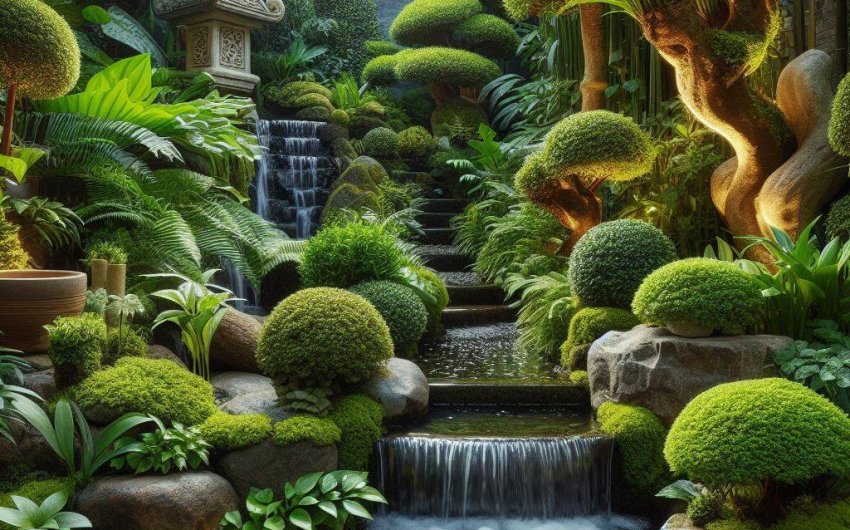
Adding a water feature to your garden decor transforms an outdoor space with soothing sounds, dynamic visual interest, and attracts wildlife. Start by selecting a feature that fits your garden's size and style, then consider essential factors like location, power, and maintenance.
Why Add a Water Feature to Your Garden?
Adding a water feature to your garden is one of the most impactful ways to elevate your outdoor living space. Beyond aesthetics, the presence of moving water brings a unique blend of sensory pleasures and ecological benefits that can truly transform a mundane garden into a tranquil oasis.
Here's why incorporating a water feature is such a popular and rewarding choice for garden decor:
- Soothing Sounds: The gentle trickle, splash, or babble of water creates a relaxing ambiance. This natural white noise can effectively mask unwanted sounds from traffic or neighbors, promoting a sense of calm and tranquility. It's an instant stress reducer.
- Enhanced Aesthetics: Water features provide dynamic visual interest. The way light plays on the moving water, the reflections it creates, and the shimmer of its surface add a captivating element that static garden elements cannot. They serve as a focal point, drawing the eye and adding a touch of elegance or whimsy.
- Attracts Wildlife: A water source, no matter how small, is a magnet for birds, butterflies, bees, and other beneficial insects. Watching birds splash in a bird bath or dragonflies flit around a pond adds vibrant life and natural entertainment to your garden.
- Increased Humidity: In dry climates, a water feature can slightly increase localized humidity, which can be beneficial for surrounding plants.
- Cooling Effect: Moving water can help cool the surrounding air slightly, making your garden more comfortable on hot summer days.
- Adds Movement and Life: Unlike stationary garden ornaments, a water feature is constantly changing. The flow, the ripples, and the reflections bring a sense of life and dynamism to the landscape.
- Versatility in Design: From grand multi-tiered fountains to simple bubbling rocks, there's a water feature to suit every garden style, size, and budget. They can be rustic, modern, formal, or whimsical.
- Creates a Focal Point: A well-placed water feature instantly becomes the star of your garden, guiding the eye and creating a natural gathering spot or contemplative space.
- Improved Air Quality: Moving water, especially fountains with aeration, can help oxygenate the surrounding air, contributing to a fresher environment.
Ultimately, adding a water feature is about creating a richer, more engaging, and more peaceful outdoor environment for you to enjoy.
What Types of Water Features Can You Add to Your Garden?
Before you add a water feature to your garden decor, it's helpful to explore the vast array of types available. Each kind offers different aesthetics, sounds, maintenance levels, and installation complexities. Understanding your options will help you choose the perfect fit for your space and lifestyle.
Here are the most popular types of water features:
1. Fountains
Fountains are perhaps the most classic and recognizable type of water feature. They recirculate water, often spraying or bubbling it into a basin.
- Tiered Fountains: Water cascades from one level to the next, creating a pleasing visual and gentle sound. They are often formal and sculptural.
- Pros: Classic look, wide variety of styles, can be a strong focal point.
- Cons: Can be heavy, requires a stable base, prone to splashing.
- Example: A three-tiered garden fountain three tier outdoor fountain made of cast stone or resin.
- Bubbling Fountains/Urns: Water bubbles up from a central point (like a rock, urn, or sculpture) and gently flows over the sides into a hidden reservoir below (often called a "pondless" basin).
- Pros: Low splash, very relaxing sound, safe for children and pets (no open water), can be integrated into paving or gravel.
- Cons: Less visual drama than cascading fountains.
- Example: A bubbling rock fountain kit bubbling rock fountain kit.
- Wall Fountains: Mounted on a wall, water flows from a spout into a basin below. Ideal for smaller spaces or courtyards.
- Pros: Space-saving, can be visually stunning, adds architectural interest.
- Cons: Requires a sturdy wall, can be heavy.
- Example: A lion head wall fountain lion head wall mount fountain.
- Self-Contained Fountains: All components (pump, reservoir) are contained within the unit. Simply fill with water and plug in.
- Pros: Easiest to install, portable, minimal maintenance, great for small spaces, patios, or balconies.
- Cons: Limited in size and complexity compared to custom features.
- Example: A resin patio fountain self contained resin patio fountain.
2. Ponds
Ponds offer a naturalistic feel, creating a habitat for aquatic plants and often fish.
- Koi Ponds: Designed specifically for keeping Koi fish, requiring specific filtration and depth.
- Pros: Creates a living ecosystem, very serene, calming, can be a major garden focal point.
- Cons: Significant investment, high maintenance (filtration, water quality, fish care), requires professional installation for larger sizes.
- Example: A large flexible pond liner epdm pond liner for koi pond.
- Water Gardens (Wildlife Ponds): Focused on aquatic plants and attracting local wildlife, often without fish.
- Pros: Attracts birds, frogs, dragonflies; supports biodiversity; lower maintenance than Koi ponds.
- Cons: Still requires excavation, liner, pump, and maintenance.
- Example: A preformed pond kit preformed pond kit with pump.
- Container Ponds: A miniature pond created in a large pot or barrel.
- Pros: Portable, inexpensive, easy to set up, ideal for small spaces or patios.
- Cons: Limited plant and animal life, freezes solid in winter in cold climates.
- Example: A large whiskey barrel planter large whiskey barrel planter converted to a pond.
3. Waterfalls and Streams
These features mimic natural running water, creating dynamic sounds and visuals.
- Pondless Waterfalls/Streams: Water flows over rocks and into a hidden underground reservoir, recirculating back to the top.
- Pros: Safety (no open water), lower maintenance than a pond, beautiful natural sound.
- Cons: Requires excavation, rocks, and a liner.
- Example: A pondless waterfall kit pondless waterfall kit for garden.
- Stream Leading to a Pond: A natural stream feature that flows into an actual pond.
- Pros: Creates a full ecosystem, very realistic and engaging.
- Cons: Most complex and expensive to install, requires significant space, high maintenance.
4. Bird Baths
Simple, open basins designed specifically for birds to drink and bathe.
- Pros: Inexpensive, easy to add, highly attractive to birds, requires no electricity.
- Cons: Requires daily cleaning and refilling.
- Example: A pedestal bird bath pedestal bird bath for garden.
5. Rain Chains
An artistic alternative to traditional downspouts, guiding rainwater gracefully from gutters.
- Pros: Visually appealing, creates a gentle sound, no electricity needed, environmentally friendly.
- Cons: Only active during rain, needs proper gutter setup.
- Example: A copper rain chain copper rain chain outdoor decor.
When choosing how to add a water feature to your garden decor, consider the available space, your budget, your desired aesthetic, and your willingness to commit to maintenance.
Where is the Best Location for a Garden Water Feature?
Choosing the best location for a garden water feature is crucial for its functionality, aesthetic appeal, and long-term success. The right spot maximizes enjoyment and minimizes maintenance.
Consider these factors when deciding where to add a water feature to your garden decor:
Visibility and Enjoyment:
- From Indoors: Can you see and hear the feature from your most frequently used windows, patio doors, or a favorite seating area inside your home? This extends your enjoyment of the garden into colder months.
- From Outdoor Living Spaces: Place it where it can be seen and heard from your patio, deck, or outdoor dining area. This makes it a natural focal point for entertaining and relaxation.
- Focal Point: Will the feature act as a primary focal point, drawing the eye, or a secondary element that adds to the overall ambiance?
Sunlight Exposure:
- For Ponds with Plants/Fish: Ponds need 4-6 hours of direct sun per day for healthy aquatic plant growth and fish health, but too much sun (8+ hours) can lead to excessive algae growth. A balance is key.
- For Fountains: Sunlight exposure is less critical for fountains unless you plan to add floating plants or if you want sunbeams to play on the water. However, too much direct sun can accelerate water evaporation, requiring more frequent refilling.
- Avoid Direct Afternoon Sun (Generally): For most features, avoiding scorching afternoon sun can reduce algae and evaporation.
Proximity to Trees:
- Avoid Planting Directly Under Trees: While shade might seem appealing, falling leaves, needles, sap, and debris will constantly clog pumps, filter systems, and dirty the water. Tree roots can also damage pond liners over time.
- Consider Nearby Trees: If a tree is nearby, ensure prevailing winds won't blow debris directly into the feature. If unavoidable, plan for a skimmer pond skimmer filter box or frequent manual cleaning.
Power Access:
- Most water features require a pump, which needs an electrical outlet.
- Outdoor, GFCI-protected outlets outdoor GFCI electrical outlet are essential for safety.
- Plan how you will run the power cord. Burying it in waterproof conduit underground electrical conduit is safest and most aesthetically pleasing. Avoid long extension cords, as they can lose power efficiency and pose tripping hazards.
- Solar-powered pumps solar water fountain pump are an alternative but often have less power and only operate in direct sun.
Water Source:
- You'll need to refill the feature periodically due to evaporation or splash-out. Proximity to a garden hose or an outdoor spigot makes this much easier.
- Consider installing an automatic fill valve automatic pond filler valve for larger ponds or fountains if frequent refilling is an issue.
Drainage:
- Ensure the surrounding area has good drainage. You don't want water to pool around the base of the feature or near your home's foundation.
- If building a pond, consider where excess water will go during heavy rains.
Level Ground:
- A level surface is critical for most water features, especially fountains and ponds, to ensure even water flow and prevent leaks. You may need to prepare a level pad leveling paver base or foundation.
Safety:
- If you have small children or pets, consider pondless water features or ensure any open water is adequately fenced or supervised. Even shallow water can be a drowning hazard.
- Ensure electrical cords are safely buried or properly shielded to prevent tripping or electrocution risks.
By carefully evaluating these factors, you can pinpoint the ideal spot to add a water feature to your garden decor, ensuring it becomes a cherished and sustainable addition.
What Tools and Materials Do You Need to Install a Water Feature?
The tools and materials required to add a water feature to your garden decor vary significantly depending on the type and complexity of the feature. A simple self-contained fountain needs very little, while a large pond or custom waterfall requires a substantial list.
Here's a general overview of common tools and materials you might need:
Basic Tools for Most Water Features (e.g., Self-Contained Fountains):
- Gloves: Protect your hands from dirt, rough surfaces, or chemicals.
- Garden Hose: For filling the feature and occasional cleaning.
- Watering Can or Bucket: For refilling smaller features.
- Spirit Level: To ensure the feature is perfectly level. A small torpedo level mini spirit level tool is often sufficient.
- Measuring Tape: For planning and placement.
- Utility Knife or Scissors: For cutting tubing or light materials.
Additional Tools for Digging & Larger Features (e.g., Ponds, Pondless Waterfalls):
- Shovel: For digging the basin or trench. A round-point shovel round point digging shovel is good for breaking ground, a flat-edge shovel flat edge trenching shovel for scraping/edging.
- Wheelbarrow: For moving excavated dirt, gravel, or rocks.
- Rake: For leveling the bottom of the excavation and spreading gravel.
- Trowel: For fine-tuning small areas.
- Hand Tamper: To compact soil or gravel for a stable base. A plate compactor plate compactor rental might be needed for very large bases.
- Heavy-Duty Work Gloves: For handling rocks and sharp materials.
Essential Materials for Most Water Features:
- The Water Feature Unit: This is the primary component you've chosen (fountain, bird bath, pond kit, etc.).
- Water Pump: The heart of almost every recirculating water feature. Ensure it's appropriately sized for your feature's volume and desired flow rate. Look for energy-efficient submersible pumps submersible fountain pump.
- Tubing/Hose: To connect the pump to the water outlet of the feature. Choose appropriate diameter and kink-resistant flexible tubing kink resistant garden pond tubing.
- Hose Clamps: To secure tubing connections, preventing leaks. Stainless steel hose clamps stainless steel hose clamps are durable.
- Outdoor Extension Cord (Heavy Duty & GFCI-rated): If the feature isn't directly next to an outlet. Always use cords rated for outdoor use and connected to a GFCI outlet for safety. Consider burying the cord in waterproof conduit outdoor electrical conduit for burial.
- Water: For filling the feature.
Additional Materials for Ponds & Waterfalls:
- Pond Liner: For inground ponds and waterfalls. EPDM pond liners EPDM pond liner rolls are durable and flexible.
- Underlayment: A protective layer placed beneath the pond liner to prevent punctures from rocks or roots. Geotextile underlayment geotextile pond underlayment fabric is recommended.
- Gravel/River Rock: For lining the bottom of pondless features, concealing reservoirs, or decorating pond edges. Pea gravel pea gravel bulk or river stones river stones for landscaping.
- Larger Rocks/Boulders: For creating waterfall cascades, stream beds, or decorative elements around the feature. Source from local landscape suppliers.
- Pond Skimmer: For ponds, helps remove surface debris and houses the pump.
- Pond Filter: Crucial for maintaining water quality in ponds, especially with fish. Options include biological filters biological pond filter system and UV clarifiers pond UV clarifier lamp.
- Aquatic Plants: For ponds, to help oxygenate water, provide habitat, and control algae.
- Pond Nets: For fall leaf collection or protecting fish from predators. Pond protective netting pond protective netting bird deer.
Always read the instructions that come with your specific water feature kit or components, as they will provide precise details on necessary items and proper installation.
How Do You Install a Self-Contained Fountain?
Installing a self-contained fountain is one of the simplest ways to add a water feature to your garden decor. Because all components are integrated, it's a relatively quick and easy DIY project, perfect for patios, decks, or small garden nooks.
Here’s a step-by-step guide:
Unbox and Inspect:
- Carefully unpack all components of your self-contained fountain self contained outdoor fountain.
- Check for any damage during shipping.
- Lay out all parts and compare them to the included instruction manual to ensure everything is present. This usually includes the fountain body, a pump, tubing, and sometimes LED lights.
Choose and Prepare the Location:
- Level Surface: Find a firm, level surface. Most self-contained fountains are heavy when filled with water, so they need a stable base. If placing on soil or grass, you might need to lay a few patio pavers concrete patio pavers or a gravel pad to ensure stability and a level foundation. Use a spirit level small spirit level tool to confirm it's perfectly flat.
- Proximity to Power: Ensure your chosen spot is within easy reach of a GFCI-protected outdoor electrical outlet outdoor GFCI power outlet. Never use indoor extension cords outdoors. If a longer reach is needed, use a heavy-duty, outdoor-rated extension cord or consider having a professional electrician install an outdoor outlet closer to your desired location.
Assemble the Fountain Body (if necessary):
- Many larger self-contained fountains come in a few pieces that need to be stacked or connected. Follow the manufacturer's specific instructions. This might involve carefully aligning sections or screwing them together.
Install the Pump:
- Locate the pump compartment or reservoir within the fountain.
- Connect one end of the flexible tubing (usually provided) to the pump's outlet nozzle. Secure it with a hose clamp small hose clamp kit if one is included or recommended.
- Place the pump in the deepest part of the reservoir, typically at the bottom. Some pumps have suction cups to secure them.
- Route the tubing up through the fountain's internal structure to the water outlet (e.g., a spout, top tier, or bubbling rock opening). Secure the other end of the tubing to the fountain's water output.
- Feed the pump's electrical cord out through the designated opening or channel, ensuring it won't get pinched or submerged.
Fill with Water:
- Using a garden hose or watering can, fill the fountain's reservoir with clean water.
- Fill it to the recommended level. This is usually high enough to fully submerge the pump but not so high that it will immediately overflow when the pump starts. Look for a fill line if one is provided.
Test and Adjust:
- Plug the pump's power cord into the GFCI-protected outdoor outlet.
- The pump should immediately start circulating water. Watch for proper flow and any leaks.
- Adjust Flow Rate: Many pumps have an adjustable flow control. If the water is splashing too much or not flowing enough, turn the dial on the pump to increase or decrease the flow.
- Check for Leaks: Let the fountain run for a while and check for any drips or puddles around the base. Address any leaks immediately.
Decorate (Optional):
- Once the fountain is running smoothly, you can add decorative river rocks to the base, strategic lighting, or surrounding plants to integrate it beautifully into your garden decor.
By following these simple steps, you'll have a delightful water feature adding charm and tranquility to your outdoor space in no time.
How Do You Maintain a Garden Water Feature?
Proper maintenance is essential to keep your garden water feature looking and sounding its best, and to ensure its longevity. While a water feature adds beauty to your garden decor, it does require some regular attention.
Here's a guide to maintaining your water feature:
Daily/Weekly Maintenance:
Check Water Level:
- Evaporation and splash-out will cause the water level to drop.
- Refill regularly (daily or every few days, depending on size and weather) to keep the pump submerged and prevent it from running dry, which can quickly burn out the motor.
- Use a garden hose to top off the water.
Remove Debris:
- Skim off any leaves, twigs, insects, or other debris that fall into the water. A small pond net small pond skimming net is handy for this.
- Large debris can clog the pump or filter.
Observe Water Quality:
- Note any excessive cloudiness, strong odors, or persistent algae growth. These are signs that something needs attention.
Monthly/Bi-Monthly Maintenance:
Clean the Pump:
- Unplug the pump from the power source.
- Remove the pump from the feature.
- Disassemble the pump to access the impeller (the spinning part). Many pumps have a removable cover for this.
- Clean the impeller and filter screen with a small brush (like an old toothbrush) and clean water to remove any slime, algae, or mineral buildup. This prevents clogs and ensures efficient operation.
- Reassemble and reinstall the pump.
Partial Water Change (for Ponds/Larger Fountains):
- For features with a larger water volume (especially ponds), draining and refilling about 10-20% of the water can help keep it fresh and reduce nutrient buildup.
- Use a pond vacuum pond vacuum cleaner for algae or a simple siphon to remove water from the bottom, where sediment collects.
Address Algae:
- Manual Removal: Brush off any visible algae from the feature's surface.
- Algaecides (Use with Caution): If algae is persistent and excessive, an algaecide specifically formulated for ponds/fountains non toxic pond algaecide can be used, but follow instructions carefully, especially if you have fish or plan to attract wildlife. Overuse can be harmful.
- Natural Control: For ponds, consider adding aquatic plants that outcompete algae for nutrients, or installing a UV clarifier pond UV clarifier light. For fountains, ensuring adequate water movement and avoiding too much direct sunlight helps.
Clean Feature Surfaces:
- Wipe down or scrub any exposed surfaces of the fountain or pond lining to remove dirt, mineral deposits, or algae. A diluted white vinegar solution can help with mineral scale.
Seasonal/Annual Maintenance:
Spring Startup:
- If winterized, thoroughly clean the feature, inspect all components, and reinstall the pump and filter.
- Fill with fresh water and test everything before continuous operation.
Fall Winterization (for Freezing Climates):
- Drain Completely: Before the first hard freeze, drain all water from the feature.
- Remove and Store Pump: Disconnect the pump and store it indoors in a bucket of clean water to prevent seals from drying out.
- Clean and Dry: Thoroughly clean the feature, removing all debris and scrubbing surfaces. Allow it to dry completely.
- Cover (Optional): For larger features or those made of porous materials, covering them with a winter fountain cover outdoor fountain cover winter can protect them from cracking due to freeze-thaw cycles.
- Small, lightweight fountains lightweight outdoor fountain can often be moved indoors entirely.
- For Ponds: Remove plants, perform a thorough cleaning, and consider leaving a pond heater or aerator to keep a hole in the ice for fish if you have them.
Check Electrical Connections:
- Annually, inspect all electrical cords and connections for fraying, cracks, or damage. Replace any damaged components immediately.
Replace Worn Parts:
- Over time, pump impellers or tubing might wear out. Replace them as needed to ensure efficient operation.
By dedicating a little time to regular maintenance, your water feature will remain a beautiful, tranquil, and healthy addition to your garden decor for years to come.