
How to Make Rustic Wooden Signs for Your Garden?
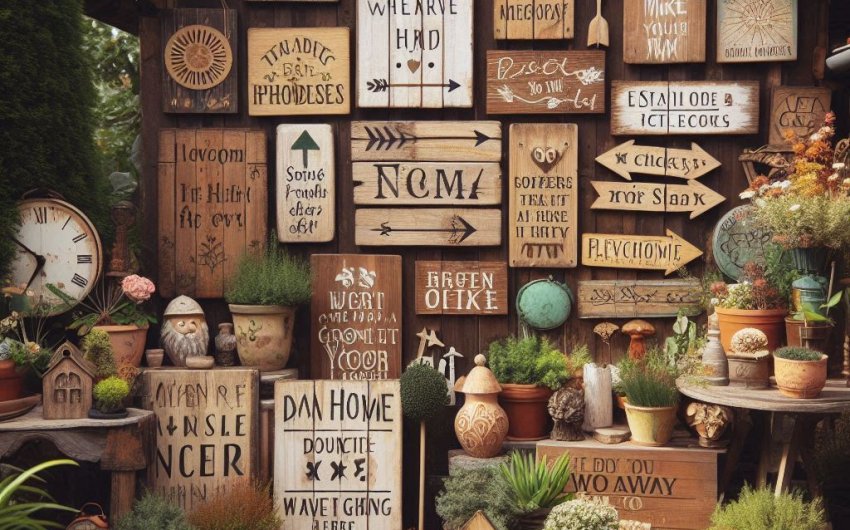
Adding personal touches to your garden makes it feel truly special. And what's more charming than a rustic wooden sign? These signs can point to different areas, welcome guests, or simply add a touch of whimsy. Making your own is a fun and rewarding DIY garden project that allows you to express your creativity. This guide will walk you through all the steps to create beautiful, weather-resistant signs for your outdoor oasis.
Why Make Rustic Wooden Signs for Your Garden?
Before we dive into the "how-to," let’s chat about why a DIY wooden garden sign is such a great idea.
Adds Character and Charm
Store-bought signs can be nice, but a handmade sign has a unique appeal. It adds a warm, inviting, and personalized touch that off-the-shelf items just can't match. The natural look of wood, especially when given a rustic finish, blends perfectly with the greenery and textures of a garden.
Personalization and Creativity
This is your chance to really make your garden your own. You can choose the words, the font, the colors, and the distressed look that perfectly matches your style. Want a sign that says "Secret Garden"? Go for it! Need an arrow pointing to "Herb Patch"? Easy! The possibilities are endless.
Functional and Decorative
Garden signs aren't just pretty; they can also be useful. They can help guide visitors through your garden, mark specific areas (like "Vegetable Patch" or "Flower Bed"), or identify plants (if you're a bit forgetful like me!). They combine utility with beauty.
Cost-Effective Decor
Making your own signs is often much cheaper than buying them, especially if you have some scrap wood lying around. It's an economical way to enhance your garden decor.
Fun DIY Project
If you love crafting or spending time on creative projects, making rustic wooden signs is a fantastic way to do it. It’s a relatively simple project that anyone can tackle, even if you’re new to woodworking or painting.
What You’ll Need: Materials and Tools
Gathering your supplies is the first step. You probably have many of these already!
Materials
- Wood: This is the base of your sign.
- Pallet Wood: Free and full of rustic character! Just make sure it’s safe to use (not treated with harsh chemicals). Old fence pickets or reclaimed wood are also great options.
- Pine Boards: Easy to find at hardware stores. Look for common sizes like 1x4, 1x6, or 1x8.
- Plywood (Exterior Grade): If you want a perfectly smooth surface and don't mind a less rustic look, or if you need a larger sign. Make sure it's exterior grade to withstand the elements.
- Rough-Sawn Lumber: For a truly rugged, authentic rustic wooden garden sign, this is perfect.
- Stain or Paint:
- Wood Stain: To enhance the wood grain and add color. A dark wood stain can give an aged look.
- Acrylic Paint: For lettering and designs. Choose exterior-grade acrylics or craft paints that are suitable for outdoor use. A set of outdoor acrylic paints is a good investment.
- Chalk Paint: Great for a distressed, matte finish if you plan to seal it well.
- Protective Sealer: This is crucial for outdoor signs.
- Exterior Polyurethane: A spar urethane is specifically designed for outdoor use and offers excellent UV and moisture protection.
- Outdoor Varnish: Another good option for durability.
- Hanging/Mounting Hardware:
- Stakes: If you want to put your sign in the ground.
- Rope or Jute Twine: For hanging signs.
- Eye Hooks: To attach rope to the sign.
- Screws/Nails: For attaching multiple boards or stakes.
Tools
- Saw:
- Hand Saw: For simple cuts.
- Miter Saw or Circular Saw: For faster, straighter cuts (if you have them).
- Sander or Sandpaper:
- Electric Sander: For quick and easy sanding.
- Sandpaper (various grits): 80-grit for rough shaping, 120-grit for smoothing, 220-grit for fine finishing.
- Paint Brushes and Rollers: Various sizes for base coats and detail work.
- Pencil: For sketching designs.
- Ruler or Straight Edge: For straight lines.
- Stencils (Optional): If you’re not confident freehand painting letters. You can find letter stencils for painting in many fonts.
- Gloves: For protection when staining and painting.
- Drop Cloth or Old Newspapers: To protect your work surface.
Step-by-Step Guide: Creating Your Rustic Wooden Sign
Let’s get crafting! This process covers basic cutting, distressing, painting, and sealing.
Step 1: Choose and Prepare Your Wood
This is where your sign begins! The type of wood you choose will impact the final look.
- Select Your Wood: Decide on the size and shape of your sign. Do you want a single plank, multiple planks nailed together, or an arrow shape?
- For a single sign, a 1x6 or 1x8 pine board is easy to work with.
- For an arrow, cut a triangle shape from one end of a plank.
- If using pallet wood, carefully deconstruct the pallet and remove nails.
- Cut to Size: Use your saw to cut the wood to your desired dimensions. If you're making a multi-plank sign, ensure they are all the same length.
- Sand the Wood: Even for a rustic look, you want a relatively smooth surface for painting and to prevent splinters.
- Start with 80-grit sandpaper if the wood is very rough.
- Move to 120-grit to smooth it out. You don't need it perfectly smooth like furniture, just smooth enough for paint to adhere and for you to handle it comfortably.
- Wipe off all dust with a damp cloth or tack cloth.
Step 2: Create the Rustic Look (Distressing)
This step gives your sign that charming, aged appearance. You can do as much or as little distressing as you like.
- Bangs and Dents: Use a hammer, chains, or even screws to gently create dents and imperfections on the wood surface. Don't overdo it, just a few strategic marks.
- Scraping and Chipping: Use a paint scraper or screwdriver to lightly scrape away some wood fibers or create small chips along the edges.
- Burning (Optional): For a darker, more charred look, you can carefully use a small propane torch to lightly burn the edges or surface of the wood. Be extremely cautious and do this outdoors with a fire extinguisher nearby! This works best with thicker wood.
- Wire Brush: A wire brush can be used to pull out softer wood fibers, creating a raised grain texture.
- Clean Again: After distressing, wipe down your wood again to remove any loose debris.
Step 3: Base Coat and Staining
Now it’s time to add color and deepen the rustic feel.
- Stain First (Optional but Recommended): For a truly rustic look, applying a wood stain before painting is a great idea.
- Apply your chosen wood stain generously with a brush or rag.
- Let it sit for a few minutes (check the product instructions for recommended time).
- Wipe off the excess stain with a clean rag. The longer you leave it, the darker the stain will be.
- Allow the stain to dry completely, which can take several hours or overnight.
- Base Paint Color (Optional): If you want a painted background for your lettering, apply a base coat of exterior acrylic paint.
- Choose a color that will contrast well with your lettering.
- Apply one or two thin coats, allowing each coat to dry completely.
- For an extra distressed look, you can sand lightly in spots after the base coat dries, allowing some of the stained wood to show through.
Step 4: Design and Lettering
This is where your sign gets its message!
- Sketch Your Design: Use a pencil to lightly sketch your words and any designs directly onto the wood. Don't press too hard. Think about placement and spacing.
- Using Stencils (Easiest Method):
- Position your letter stencils on the wood.
- Hold them firmly or use painter's tape to secure them.
- Dab or brush paint lightly onto the stencil. Use minimal paint to prevent bleeding under the stencil. Several thin coats are better than one thick one.
- Carefully remove the stencil while the paint is still slightly wet.
- Touch up any bleed with a small brush.
- Transfer Method (Good for Specific Fonts):
- Print your desired text/design on paper.
- Rub chalk generously on the back of the printed paper where the letters are.
- Place the paper, chalk-side down, onto your wood sign.
- Trace over the letters with a pencil. This will transfer the chalk outline to the wood.
- Paint over the chalk lines with a small brush.
- Freehand Painting (For Confident Artists):
- If you’re good at freehand, go for it! Use a small detail brush for your lettering.
- Allow Paint to Dry: Let all your painted elements dry completely. This might take several hours.
Step 5: Sealing for Outdoor Protection
This is the most crucial step for ensuring your rustic garden sign lasts outdoors. Without proper sealing, it will quickly rot, fade, and degrade.
- Choose an Exterior Sealer: A spar urethane is highly recommended as it's designed to flex with the wood in changing temperatures and protect against UV rays and moisture.
- Apply Thin Coats: Apply 2-3 thin coats of your chosen sealer.
- Use a brush or roller to apply an even coat.
- Allow each coat to dry fully (check product instructions, usually 2-4 hours) before applying the next.
- Lightly sand with 220-grit sandpaper between coats if recommended by the product (this helps adhesion but isn't always necessary for outdoor pieces).
- The more coats of sealer, the better the protection, especially for painted areas. Make sure to seal all sides, including edges and back.
Step 6: Add Hanging Hardware
Once your sign is fully dry and sealed, it's time to get it ready for display.
- For Hanging Signs:
- Screw two eye hooks into the top edge of your sign, about an inch or two from each end.
- Thread your chosen rope or jute twine through the eye hooks and tie secure knots.
- For Staked Signs:
- If you're using a pre-made sign stake, follow its instructions.
- For a simple stake: Attach a sturdy wooden stake to the back of your sign using outdoor screws or nails. Ensure the stake is long enough to be driven securely into the ground without the sign touching the dirt. Use at least two screws or nails for stability.
- For Wall-Mounted Signs:
- Attach picture hanging wire to the back or drill pilot holes for screws if mounting directly to a fence or wall.
Tips for Making Your Rustic Wooden Signs Even Better
Elevate your DIY garden signs with these extra tips and tricks.
Embrace Imperfection
Remember, the goal is "rustic." Don't stress if your lines aren't perfectly straight or your wood has knots and blemishes. These imperfections add to the charm and authenticity of a rustic wooden sign.
Layering Colors for a Distressed Look
To create a very aged, distressed look:
- Paint a base color (e.g., dark brown or black). Let it dry.
- Apply a second, lighter color (e.g., white or cream) over the first. Let it dry.
- Lightly sand in random spots, especially edges, corners, and areas that would naturally show wear. This will allow the darker base color to peek through, giving an authentic aged appearance.
Weathering Wood Naturally
If you want the wood to look genuinely aged, you can use a weathering solution.
- Mix steel wool with vinegar in a jar. Let it sit for a few days to a week (looser lid for off-gassing).
- Strain out the steel wool.
- Brush the mixture onto your wood. It reacts with the tannins in the wood to create an aged, grayed look, similar to naturally weathered barn wood. Test on a scrap piece first, as results vary with wood type.
Hand-Painted Details
Beyond just words, consider adding small hand-painted elements:
- Little leaves, vines, or flowers to frame your text.
- A small ladybug or bee.
- Subtle shading to give your letters a 3D effect.
Two-Sided Signs
Make your sign functional from both directions! You can put "Welcome" on one side and "Come Again Soon" on the other, or point to two different areas of your garden.
Consider Lighting
For signs that will be seen at night, think about adding a small, solar-powered spotlight or a string of solar fairy lights to illuminate your sign.
Using Different Wood Types
- Cedar: Naturally rot-resistant, making it excellent for outdoor use without needing as much sealing. It has a beautiful red hue.
- Redwood: Also naturally rot-resistant and durable outdoors.
- Reclaimed Barn Wood: The ultimate in rustic! Already weathered and full of character.
Safety First!
- Always wear safety glasses when cutting or sanding wood.
- Use gloves when working with stains, paints, and sealers.
- If using a torch for distressing, have a fire extinguisher or bucket of water nearby. Work in a well-ventilated area.
Making your own rustic wooden signs is a wonderful way to add charm, personality, and a handmade touch to your garden. It’s a project that combines simple woodworking, a bit of creativity, and the satisfaction of seeing your vision come to life. So grab some wood, pick your favorite saying, and start crafting your unique garden decor!