
How to Grow Aloe Vera Indoors for Thriving Houseplants?
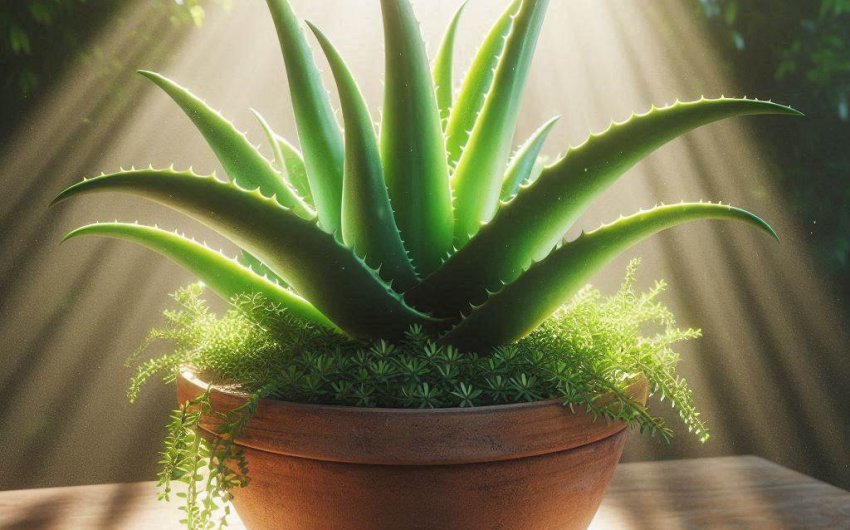
To grow Aloe Vera indoors for thriving houseplants, provide bright, indirect light, use well-draining succulent or cactus potting mix, and water deeply but infrequently, allowing the soil to dry out completely between waterings. These key steps ensure your Aloe Vera plant flourishes inside your home.
Why is Aloe Vera a Great Houseplant Choice?
Aloe Vera is an exceptionally popular and rewarding houseplant for several compelling reasons, making it an excellent choice for both beginners and experienced plant enthusiasts. Its unique qualities contribute to its widespread appeal and ease of care in indoor environments.
First and foremost, Aloe Vera is renowned for its incredible medicinal properties. The clear gel found within its succulent leaves has been used for centuries to soothe skin irritations, minor burns, cuts, and insect bites. Having a live Aloe Vera plant at home means you have a natural, readily available remedy right at your fingertips. Many people prefer to use the fresh gel directly from the leaf for its purity and potency, making it a valuable addition to a home first-aid kit.
Beyond its medicinal benefits, Aloe Vera is remarkably low-maintenance. It is a succulent, which means it stores water in its leaves, allowing it to tolerate periods of neglect. This characteristic makes it ideal for busy individuals or those new to plant care who might forget to water occasionally. Unlike many delicate houseplants, Aloe Vera doesn't demand constant attention or specific humidity levels, adapting well to average indoor conditions. Its resilience means it's forgiving of minor care mistakes, bouncing back even if you miss a watering or two.
Aloe Vera plants are also aesthetically pleasing. Their striking, architectural form with fleshy, sword-shaped leaves growing in a rosette pattern adds a touch of modern, desert-inspired elegance to any room. Depending on the variety, the leaves can range from a vibrant green to a bluish-green, sometimes with subtle speckles. They remain relatively compact, making them suitable for windowsills, desks, or small shelves without overwhelming the space. Their unique appearance makes them an attractive decorative element.
Furthermore, Aloe Vera is known for its ability to purify indoor air. While not as powerful as some other air-purifying plants, it contributes to a healthier home environment by absorbing certain airborne toxins, such as formaldehyde and benzene, which can be found in household products and furniture. This makes your living space not just beautiful but also cleaner.
Finally, Aloe Vera is incredibly easy to propagate. Mature plants often produce "pups" or offsets, which are small baby plants that sprout from the base of the mother plant. These pups can be easily separated and repotted, allowing you to expand your Aloe Vera collection, share with friends, or even start new plants as gifts. This propagation ease adds another layer of enjoyment and value for the indoor gardener.
In summary, growing Aloe Vera indoors offers a harmonious blend of practical benefits, ease of care, and visual appeal, cementing its status as a beloved and highly recommended houseplant.
What Kind of Light Does My Aloe Vera Need Indoors?
Proper light is one of the most critical factors for successfully growing Aloe Vera indoors. These desert natives love bright light, but they don't appreciate harsh, direct sun all day, especially through a window.
Bright, Indirect Light is Ideal: Your Aloe Vera will thrive in a location that receives bright, indirect sunlight for most of the day. This means the plant is near a window where it can see the sky clearly, but direct sunbeams don't hit its leaves for extended periods, or if they do, the light is filtered.
- South or West-Facing Windows (with caution): These windows offer the brightest light. If placing your Aloe Vera in front of a south or west-facing window, consider:
- Sheer Curtains: A sheer curtain can diffuse the intense afternoon sun, preventing leaf scorch.
- Set Back: Place the plant a few feet back from the window to reduce direct exposure.
- East-Facing Windows: An east-facing window is often perfect. It provides bright morning sun, which is less intense and generally beneficial for Aloe Vera without the risk of scorching.
- North-Facing Windows: While north-facing windows offer consistent, gentle light, it might not be enough bright light for your Aloe Vera to truly thrive and produce healthy, thick leaves. If this is your only option, monitor your plant for signs of etiolation (stretching).
Signs of Incorrect Light Exposure:
- Too Much Light (Direct Sun Scorch):
- Leaves turning reddish or brownish: This is a common sign of sunburn. The plant is protecting itself from excessive light.
- Leaves becoming thin or shriveled: While also a sign of underwatering, it can happen with too much light stress.
- Slowed growth: The plant is stressed and putting energy into survival rather than growth.
- Not Enough Light (Etiolation):
- Leaves growing long and leggy: The plant is stretching towards a light source, leading to a weak, elongated appearance.
- Faded or pale green color: The vibrant green might fade to a duller, lighter shade.
- Leaves pointing downwards: Instead of growing upwards and outwards in a healthy rosette, leaves might droop.
- Lack of "pups": A healthy, happy Aloe Vera in good light will often produce offsets. If yours isn't, light could be a factor.
Adjusting Light for Thriving Aloe Vera:
Observe your plant's response to its environment. If you notice any of the above signs, adjust its placement. Move it closer to a brighter window if it's etiolating, or further away or add a sheer curtain if it's showing signs of scorch. Remember, the ideal spot for your Aloe Vera might shift slightly with the seasons as the sun's intensity and angle change. Providing the right amount of bright, indirect light is fundamental for your Aloe Vera to be a truly thriving houseplant.
What is the Best Potting Mix and Container for Aloe Vera?
Choosing the right potting mix and container is absolutely critical for the health and longevity of your Aloe Vera plant indoors. As a succulent, Aloe Vera requires excellent drainage to prevent root rot, its most common killer.
Potting Mix: Drainage is Key
Standard potting soil is typically too dense and retains too much moisture for Aloe Vera. You need a mix that drains quickly and provides good aeration for the roots.
- Cactus or Succulent Mix: The easiest and best option is to use a pre-formulated cactus or succulent potting mix. These mixes are specifically designed for plants that thrive in dry conditions and provide the necessary fast drainage. A reliable choice is Miracle-Gro Cactus, Palm & Citrus Potting Mix.
- DIY Mix: If you prefer to mix your own, combine:
- 2 parts regular potting soil (avoid mixes with added moisture retention)
- 1 part coarse sand (like horticultural sand, not play sand)
- 1 part perlite or pumice. Perlite is lightweight and excellent for aeration and drainage, such as Perlite for Plants. Pumice offers similar benefits but is heavier.
- Avoid: Peat-heavy mixes, garden soil, or any mix that stays soggy.
Container: Drainage Holes are Non-Negotiable
The type of container is just as important as the soil. Regardless of the material, your pot must have drainage holes at the bottom. Without them, water will sit and inevitably lead to root rot.
- Terracotta Pots: These are often the best choice for Aloe Vera.
- Pros: Terracotta is porous, meaning it absorbs excess moisture from the soil and allows it to evaporate through the sides of the pot. This helps the soil dry out faster, which is perfect for succulents. They also add a natural, earthy look.
- Cons: They can dry out the soil quicker, so you might need to water slightly more often compared to plastic pots, though for Aloe Vera, this is usually a benefit.
- Ceramic Pots (Glazed or Unglazed):
- Glazed Ceramic: Less porous than terracotta, so they retain more moisture. If using a glazed pot, be extra diligent about watering, ensuring the soil dries completely. Again, drainage holes are crucial.
- Unglazed Ceramic: Similar benefits to terracotta regarding porosity.
- Plastic Pots:
- Pros: Lightweight and affordable. They retain moisture longer than terracotta, which can be a double-edged sword for Aloe Vera.
- Cons: The moisture retention means you must be very careful not to overwater. Ensure there are plenty of drainage holes.
- Size Matters: Choose a pot that is only slightly larger than the plant's root ball, typically 1-2 inches wider than the base of the plant. Aloe Vera prefers to be a bit root-bound. A pot that is too large will hold too much moisture, increasing the risk of root rot. When repotting, only go up one pot size at a time.
By providing your Aloe Vera with the correct potting mix and a container with excellent drainage, you are laying the foundation for a healthy and thriving houseplant.
How Often Should I Water My Indoor Aloe Vera Plant?
Watering is perhaps the trickiest aspect of growing Aloe Vera indoors, but once you understand its needs, it becomes quite simple. Underwatering is always better than overwatering for these succulent plants.
The Golden Rule: Let the Soil Dry Out Completely
The most important rule for watering Aloe Vera is to allow the soil to dry out completely between waterings. This means not just the top inch or two, but the entire root ball.
- Check the Soil: Before watering, stick your finger about 2-3 inches deep into the soil. If it feels moist, wait. For larger pots, you can use a moisture meter, such as the XLUX Soil Moisture Meter, to check the moisture level deeper in the pot. If the meter reads "dry" or "low," it's likely time to water.
- Lift the Pot: Another simple trick is to lift the pot when dry and then again after watering. You'll notice a significant difference in weight. When it feels light, it's dry.
How to Water: Deeply and Thoroughly
When it's time to water, do it thoroughly:
- Saturate the Soil: Pour water slowly over the entire soil surface until it begins to drain out of the bottom drainage holes.
- Ensure Drainage: Let the pot sit for a few minutes to drain any excess water. Do not let your Aloe Vera sit in standing water. If it's in a saucer, empty the saucer immediately after watering.
- Avoid Wetting Leaves: Try to avoid getting water directly on the leaves, especially in the central rosette, as this can encourage rot.
Factors Affecting Watering Frequency:
The exact frequency of watering depends on several factors, so there's no fixed schedule.
- Season:
- Summer (Growing Season): Your Aloe Vera will need more frequent watering, perhaps every 2-4 weeks, as it's actively growing and temperatures are higher.
- Winter (Dormant Season): Growth slows down significantly in winter. Reduce watering dramatically, perhaps every 4-6 weeks or even less. The plant needs less moisture when dormant.
- Light Levels: Plants in brighter light will dry out faster and need more frequent watering than those in lower light.
- Pot Material: Terracotta pots dry out faster than plastic or glazed ceramic pots.
- Pot Size: Smaller pots dry out faster than larger pots.
- Humidity: In very humid environments, the soil will dry slower.
- Air Circulation: Good airflow helps the soil dry out.
Signs of Improper Watering:
- Overwatering (Most Common Problem):
- Soft, mushy, or yellowing leaves: This is a clear sign of root rot.
- Base of the plant turns dark or mushy: The stem is rotting.
- Foul smell from the soil: Indicates decaying roots.
- Underwatering:
- Leaves shriveling, thinning, or curling inward: The plant is using its stored water.
- Leaves turning grayish: A sign of severe dehydration.
- Very slow or no growth: The plant isn't getting enough moisture to support growth.
By understanding your Aloe Vera's specific needs and observing its condition, you'll master the art of watering and ensure your houseplant remains healthy and thriving.
Does My Aloe Vera Need Fertilizer and How Often?
Aloe Vera plants are generally not heavy feeders and can thrive indoors for years without much, if any, supplemental fertilizer. In fact, over-fertilization can be more detrimental than under-fertilization.
When to Fertilize:
- Seldom, if ever: For most indoor Aloe Vera plants, especially those that aren't repotted frequently, fertilizer is rarely necessary.
- During Active Growth: If you do choose to fertilize, the best time is during the active growing season, which is typically spring and summer. Avoid fertilizing in fall and winter when the plant's growth naturally slows down.
- Signs of Nutrient Deficiency (Rare): Very rarely, if your plant is showing signs of nutrient deficiency, such as extremely slow growth after years in the same pot, or unusually pale leaves despite adequate light, a light feeding might be beneficial.
Type of Fertilizer to Use:
If you decide to fertilize, choose a balanced, diluted liquid fertilizer specifically formulated for succulents or cacti.
- Low NPK Ratio: Look for a fertilizer with a balanced or slightly lower nitrogen (N) ratio. A 10-10-10 or 5-10-10 NPK ratio works well. High nitrogen can lead to weak, leggy growth.
- Liquid Form: Liquid fertilizers are easy to dilute and apply.
- Dilution: Always dilute the fertilizer to at least half or even a quarter of the strength recommended on the product label. For example, if the label says 1 capful per gallon, use 1/2 or 1/4 capful. An excellent choice is Schultz Cactus Plus Liquid Plant Food 2-7-7.
How to Apply Fertilizer:
- Water First: Always water your Aloe Vera thoroughly a day or two before fertilizing. Applying fertilizer to dry soil can burn the roots.
- Apply Diluted Solution: Use the diluted liquid fertilizer during a regular watering session.
- Frequency: If you choose to fertilize, do so no more than once a month during the spring and summer growing season. Some experts recommend fertilizing only once or twice a year, or even less frequently, depending on the plant's growth and potting mix.
Potential Problems with Over-Fertilization:
Over-fertilizing is a common mistake that can seriously harm your Aloe Vera.
- Root Burn: Excess salts from the fertilizer can accumulate in the soil and damage the roots.
- Weak Growth: While intended to promote growth, too much fertilizer can lead to weak, elongated, or soft leaves that are more susceptible to disease.
- Stunted Growth: Paradoxically, over-fertilization can also stunt growth as the plant struggles with nutrient toxicity.
- White Crust on Soil: A visible sign of salt buildup from excessive fertilizer.
In conclusion, for most indoor Aloe Vera plants, the best approach is to be very conservative with fertilizer. Focus on providing the right light, watering, and well-draining soil, and your Aloe Vera will likely thrive without much extra feeding.
What Are the Ideal Temperature and Humidity for Indoor Aloe Vera?
Aloe Vera is remarkably adaptable to typical indoor environments, but understanding its preferred temperature and humidity ranges can help ensure your houseplant remains thriving. These conditions generally mimic its native arid and semi-arid regions.
Temperature Requirements:
Aloe Vera prefers warm temperatures and is not tolerant of cold.
- Ideal Range: The optimal temperature range for Aloe Vera is between 65°F and 80°F (18°C and 27°C). This is generally the comfortable temperature range for most homes, making it an easy plant to accommodate.
- Minimum Temperature: Aloe Vera can tolerate temperatures as low as 50°F (10°C), but extended exposure to temperatures below this can cause stress and damage.
- Avoid Drafts and Cold Spots: Keep your Aloe Vera away from cold drafts from windows or doors, especially during winter months. Also, avoid placing it directly next to air conditioning vents.
- Outdoor Transition (Caution): If you move your Aloe Vera outdoors for the summer, ensure nighttime temperatures do not drop below 50°F (10°C) before bringing it back inside.
Humidity Requirements:
As a succulent native to dry climates, Aloe Vera does not require high humidity. In fact, excessive humidity combined with poor air circulation can contribute to fungal issues and rot.
- Low to Average Humidity: Aloe Vera is perfectly happy in the low to average humidity levels found in most homes (typically 30-50%).
- Avoid Misting: Unlike many tropical houseplants, Aloe Vera does not benefit from misting. Misting can leave water droplets on the leaves, especially in the tight rosette, which can lead to fungal diseases or rot if the water doesn't evaporate quickly.
- Good Air Circulation: While it doesn't need high humidity, good air circulation is beneficial. It helps to prevent stagnant, damp conditions around the plant, which can promote fungal growth, especially if the soil is staying wet.
Summary Table:
Here’s a quick summary of the ideal environmental conditions for your indoor Aloe Vera:
| Factor | Ideal Condition | What to Avoid |
|---|---|---|
| Light | Bright, Indirect (East window or filtered SW) | Direct, scorching sun; very low light |
| Temp. | 65-80°F (18-27°C) | Below 50°F (10°C); cold drafts |
| Humid. | Low to Average (30-50% typical home humidity) | Excessively high humidity; standing water/misting |
By providing consistent, warm temperatures and average indoor humidity levels, you'll create an environment where your Aloe Vera can truly thrive as a low-maintenance and beautiful houseplant.
How and When Should I Repot My Aloe Vera?
Repotting your Aloe Vera is an important part of its care, but it's not something you'll need to do very often. These plants prefer to be slightly root-bound, which means they don't mind their roots filling up the pot a bit.
When to Repot:
Your Aloe Vera will tell you when it's ready for a new home. Look for these signs:
- Roots Appearing from Drainage Holes: This is the most common indicator. If roots are growing out of the bottom of the pot, it's a clear sign your plant has outgrown its current container.
- Plant is Top-Heavy and Tipping Over: If the plant has grown significantly larger than its pot and is becoming unstable, it needs a larger base to support its growth.
- Stunted Growth Despite Proper Care: If your Aloe Vera isn't growing much, even with good light, water, and appropriate temperatures, it might be root-bound and unable to access enough nutrients or moisture.
- Soil Dries Out Very Quickly: If the potting mix is drying out unusually fast, it might mean there's more root than soil, indicating a need for repotting.
- Lots of "Pups" Crowding the Pot: If your plant has produced many offsets (pups) and the pot is becoming overly crowded, repotting allows you to separate these pups and give the mother plant more space.
Timing: The best time to repot Aloe Vera is during its active growing season, which is typically spring or early summer. This allows the plant to recover from the stress of repotting quickly and settle into its new environment.
How to Repot Aloe Vera (Step-by-Step):
- Gather Your Supplies:
- New pot: Choose a pot that is only 1-2 inches larger in diameter than the current one. Remember, Aloe Vera prefers to be slightly root-bound. Ensure it has drainage holes.
- Fresh succulent or cactus potting mix.
- Newspaper or a tarp to protect your workspace.
- Gloves (optional, but good for prickly leaves).
- Small trowel or scoop.
- Sharp, sterile knife or pruning shears (for separating pups).
- Prepare the New Pot: Place a small amount of fresh potting mix at the bottom of the new pot. You can gently dome it slightly.
- Remove the Plant:
- Gently tip the current pot on its side.
- Carefully slide the Aloe Vera out. You might need to gently squeeze the sides of a plastic pot or run a knife around the edge of the soil if it's stuck in a terracotta pot.
- Avoid pulling the plant by its leaves, as they can break easily.
- Inspect and Untangle Roots:
- Once out of the pot, gently loosen any tightly bound roots at the bottom. You can gently tease them apart with your fingers.
- Remove any visibly rotten or mushy roots (they will be dark and soft) using your sterile knife or shears. If you find significant rot, let the roots air dry for a day before repotting to allow any cut surfaces to callus.
- Separate "Pups" (Optional):
- If your Aloe Vera has produced offsets (pups) with their own root systems, you can gently twist or cut them away from the mother plant using a sterile knife. Make sure each pup has some roots attached.
- Allow the cut surface of the pups to dry and callus for a day or two before planting them in their own small pots.
- Place in New Pot:
- Center the Aloe Vera in the new pot, ensuring the base of the plant (where the roots meet the leaves) is at the same level as it was in the old pot, or slightly below the rim of the new pot. You want about an inch of space from the soil surface to the rim.
- Add more fresh potting mix around the root ball, gently firming it down to remove large air pockets. Do not compact the soil too tightly.
- Post-Repotting Care:
- Do NOT Water Immediately: This is crucial. Wait at least 5-7 days after repotting before your first watering. This allows any damaged roots to heal and prevents potential root rot from water entering fresh wounds.
- Place in Familiar Light: Return your Aloe Vera to its usual bright, indirect light location.
- Observe: Monitor your plant for any signs of stress. A little wilting is normal initially.
By following these steps, you'll successfully repot your Aloe Vera and ensure it continues to thrive indoors for years to come.
How to Propagate Aloe Vera from Pups?
Propagating Aloe Vera from "pups" or offsets is one of the easiest and most rewarding ways to create new houseplants from your existing, thriving Aloe Vera. Pups are miniature versions of the mother plant that sprout from its base.
What are Aloe Vera Pups?
Aloe Vera pups are small, genetically identical clones of the parent plant. They emerge from the underground rhizomes of the mother plant, forming their own small rosettes of leaves and developing their own root systems. A healthy, mature Aloe Vera will often produce these pups, especially if it's happy with its growing conditions.
When to Separate Pups:
The best time to separate an Aloe Vera pup is when it's large enough to have developed its own root system and is at least 3-4 inches tall. While smaller pups might survive, larger ones with established roots have a much higher success rate.
Step-by-Step Propagation Guide:
- Gather Your Tools:
- A healthy, mature Aloe Vera plant with visible pups.
- Sharp, sterile knife or pruning shears.
- Small pots (around 4-6 inches in diameter) with drainage holes.
- Fresh succulent or cactus potting mix.
- Gloves (optional).
- Prepare the Mother Plant:
- Carefully remove the mother plant from its pot. Gently loosen the soil around the base to expose the roots and where the pups are attached.
- If the plant is root-bound, this might be a good time to repot the mother plant too, following the guidelines above.
- Identify and Separate Pups:
- Look for the pups, identifying where their roots connect to the main plant's root system or stem.
- Using your sterile knife or shears, carefully cut the pup away from the mother plant. Aim to take as much of the pup's own root system as possible. If a pup has no roots, it can still be propagated, but the success rate might be lower.
- Allow to Callus (Crucial Step):
- This is a vital step for succulents. After separating the pup, leave it in a dry place with good air circulation (like on a counter or a windowsill) for 2-7 days.
- This allows the cut end to callus over, forming a dry, protective layer. This prevents rot when the pup is planted. Do not skip this step!
- Pot the Pups:
- Fill your small pots with fresh succulent or cactus potting mix.
- Make a small hole in the center of the soil.
- Place the callused pup into the hole, ensuring its roots (if present) are spread out.
- Gently backfill with more potting mix, firming it lightly around the base of the pup to provide stability.
- Initial Watering (Patience is Key):
- Do NOT water immediately after potting. Wait another 5-7 days to allow the pup to settle and any minor root damage to heal.
- After this waiting period, give the pup its first light watering. Water sparingly initially, letting the soil dry out completely between waterings, just as you would with a mature Aloe Vera.
- Placement and Ongoing Care:
- Place your newly potted pups in a location with bright, indirect light. Avoid harsh direct sun initially.
- Continue to water sparingly, checking the soil moisture before each watering.
- It may take several weeks or even a few months for the pup to establish a strong root system and start showing significant new growth. Be patient!
By following these steps, you can easily propagate your Aloe Vera and expand your collection of these wonderful thriving houseplants.
Common Problems and How to Solve Them When Growing Aloe Vera Indoors?
Even though Aloe Vera is a resilient houseplant, you might encounter some common issues. Knowing how to identify and solve them will help your plant remain thriving.
1. Mushy, Yellow, or Brown Leaves (Root Rot)
- Symptoms: Leaves turn soft, mushy, translucent yellow or brown, especially at the base, often accompanied by a foul smell from the soil. The stem might also feel soft and mushy.
- Cause: Overwatering is almost always the culprit. The soil stays wet for too long, suffocating the roots and causing them to rot.
- Solution:
- Immediately stop watering.
- Carefully remove the plant from its pot.
- Inspect the roots: Healthy roots are firm and white or pale. Rotten roots are dark, soft, and smell bad.
- Using a sterile knife, cut away all rotten portions of the roots and any affected leaves. Cut back to healthy, firm tissue.
- Allow the plant to air dry for several days (up to a week for severe rot) in a cool, dry place out of direct sunlight to allow cut surfaces to callus.
- Repot in fresh, dry, well-draining succulent/cactus mix in a clean pot (or a new terracotta pot of the same size or slightly smaller if many roots were removed).
- Do not water for at least a week after repotting to allow new roots to form. Gradually resume watering only when the soil is completely dry.
2. Brown or Reddish Leaf Tips/Leaves (Sunburn)
- Symptoms: Leaves develop a reddish, brownish, or purplish tint, often at the tips or on the side facing the window. The leaves might also appear thin and stressed.
- Cause: Too much direct sunlight, especially intense afternoon sun, or a sudden change to a brighter location without acclimatization.
- Solution: Move your Aloe Vera to a location with bright, indirect light. If it's near a south or west-facing window, pull it back a few feet or add a sheer curtain to filter the light. The reddish tint should fade over time as the plant recovers.
3. Long, Leggy, Pale Leaves (Lack of Light)
- Symptoms: Leaves are unusually long, thin, stretched out, and paler green than normal, often pointing downwards or growing irregularly. The rosette shape is lost.
- Cause: Insufficient light. The plant is "stretching" (etiolating) to find a light source.
- Solution: Move your Aloe Vera to a brighter location that receives bright, indirect light for most of the day, such as an east-facing window or a few feet from a south or west-facing window. Unfortunately, the stretched growth won't revert, but new growth will be compact and healthy.
4. Shriveled, Thin, or Curling Leaves (Underwatering)
- Symptoms: Leaves become thin, shriveled, wrinkled, or curl inwards. They might also feel soft but not mushy (unlike overwatering).
- Cause: Underwatering. The plant is using up its stored water reserves.
- Solution: Give your Aloe Vera a thorough watering until water drains from the bottom. Ensure the soil is evenly moistened. While Aloe Vera is drought-tolerant, consistent prolonged dryness will lead to dehydration. The leaves should plump up within a day or two. Adjust your watering frequency to ensure the soil dries out completely but not for excessively long periods.
5. White Spots or Sticky Residue (Pests)
- Symptoms: Small white, cottony masses on leaves and stem junctions (mealybugs), tiny white flying insects when disturbed (fungus gnats, though these are more related to overwatering and appear in the soil), or webbing and tiny dots on leaves (spider mites, less common but possible). Sticky residue (honeydew) is also a sign of sap-sucking pests.
- Cause: Pest infestation.
- Solution:
- Isolate the infected plant immediately.
- Wipe: Use a cotton swab dipped in rubbing alcohol to gently wipe off visible pests.
- Spray: For more widespread infestations, use an insecticidal soap or diluted Neem Oil for Plants. Follow product instructions carefully.
- Repeat: Apply every 7-10 days until pests are gone.
- Prevention: Regularly inspect your plant, especially new arrivals, and maintain good airflow.
By understanding these common problems and applying the appropriate solutions, you can keep your Aloe Vera healthy and thriving indoors for many years. Regular observation is your best tool for early detection.