
How Can I Stop My Chinese Evergreen from Getting Yellow Leaf Edges?
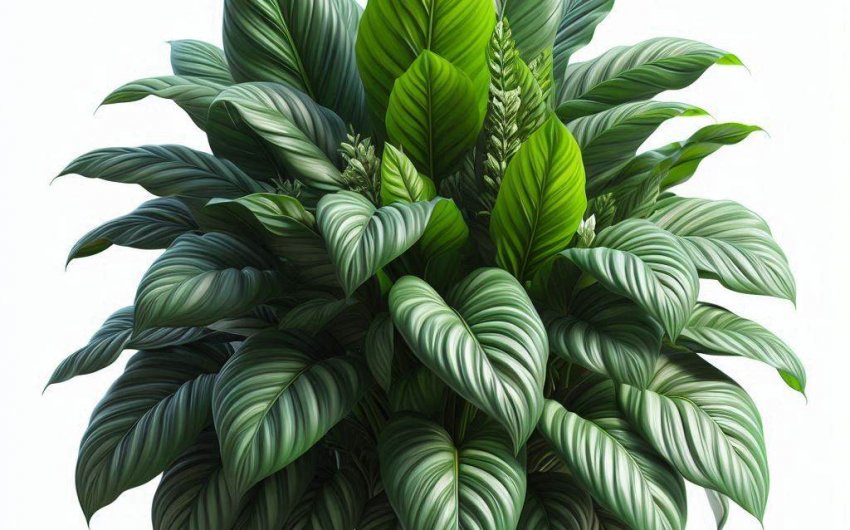
To stop your Chinese Evergreen from getting yellow leaf edges, the primary focus should be on adjusting your watering routine to ensure proper moisture without waterlogging. Addressing issues like humidity, temperature fluctuations, nutrient balance, and overall environmental stress will also help restore your plant's vibrant foliage.
Why Are My Chinese Evergreen Leaves Getting Yellow Edges?
When your beautiful Chinese Evergreen (Aglaonema) starts showing yellow leaf edges, it's a clear sign that something in its environment isn't quite right. This symptom, often accompanied by browning tips or entire yellowing leaves, is usually the plant's way of signaling stress. Understanding the underlying causes is the first step in learning how can I stop my Chinese Evergreen from getting yellow leaf edges.
The Science Behind Yellowing Edges (Chlorosis):
Yellowing leaves, or "chlorosis," indicate a lack of chlorophyll, the green pigment essential for photosynthesis. When only the edges are yellowing, it often points to issues with water movement and nutrient distribution within the leaf. The edges are the furthest points from the main veins, making them the first to show stress when water or nutrients aren't reaching them efficiently.
Common Causes of Yellow Leaf Edges:
- Overwatering (Most Common Cause):
- Mechanism: When soil is constantly waterlogged, oxygen is driven out, and roots essentially "drown." Damaged roots cannot absorb water or nutrients, leading to symptoms that mimic underwatering (wilting, yellowing), even though the soil is wet. The edges are often the first to suffer from this dehydration.
- What it Looks Like: Yellowing starts at the edges, often progressing inward. Leaves may feel soft or mushy, and the soil will remain wet for too long. This can also lead to root rot.
- Underwatering (Less Common, but Possible):
- Mechanism: Insufficient water causes dehydration. The plant pulls moisture from the furthest parts of the leaves (the edges and tips) to conserve water for essential functions.
- What it Looks Like: Yellowing and browning edges/tips, often accompanied by crispy, dry leaves. The soil will be bone dry.
- Low Humidity:
- Mechanism: Chinese Evergreens are tropical plants that thrive in high humidity. In dry indoor environments, the air pulls moisture from the leaves faster than the roots can supply it, leading to the edges drying out and turning yellow or brown.
- What it Looks Like: Crisp, brown tips and edges, often without overall yellowing, unless combined with other issues.
- Temperature Stress (Drafts or Extremes):
- Mechanism: Sudden drops in temperature, cold drafts from windows/vents, or extreme heat can shock the plant. Cold damages plant cells, leading to yellowing or browning edges.
- What it Looks Like: Sudden yellowing or browning, often on leaves exposed to the draft.
- Nutrient Deficiency or Imbalance:
- Mechanism: While Chinese Evergreens are not heavy feeders, a deficiency in essential nutrients (like potassium, magnesium, or nitrogen) or an imbalance (too much of one nutrient can inhibit uptake of another) can manifest as yellowing. Edges are often affected by potassium deficiency.
- What it Looks Like: General yellowing, often starting at older leaves. Edges might specifically yellow with certain deficiencies.
- Salt Buildup (from Tap Water or Fertilizer):
- Mechanism: Over time, minerals and salts from tap water or excessive fertilizer can accumulate in the soil. These salts can "burn" the delicate root tips and prevent water absorption, leading to leaf edge burn and yellowing.
- What it Looks Like: Crispy brown tips and yellow halos around the edges, particularly on older leaves. White crust may be visible on the soil surface or pot rim.
- Aging Leaves:
- Mechanism: As a Chinese Evergreen grows, older, lower leaves naturally yellow and drop off. This is a normal part of the plant's life cycle.
- What it Looks Like: Only one or two of the oldest, lowest leaves yellow gradually before falling off. The rest of the plant appears healthy. This is not usually a concern unless many leaves are yellowing quickly.
By carefully observing your plant and its environment, you can often pinpoint the specific cause of yellow leaf edges and take appropriate action to restore your Chinese Evergreen's health and vibrant color. This diagnostic process is key to successfully learning how can I stop my Chinese Evergreen from getting yellow leaf edges.
How Can Overwatering Cause Yellow Leaf Edges?
Overwatering is the single most frequent reason a Chinese Evergreen (or many other houseplants) starts showing yellow leaf edges. It's a surprisingly common mistake because the symptoms can trick you into thinking the plant is thirsty. Understanding this mechanism is crucial in learning how can I stop my Chinese Evergreen from getting yellow leaf edges.
The Oxygen Deprivation Cycle:
- Waterlogged Soil: When you water too frequently, or the pot doesn't drain well, the soil becomes constantly saturated. All the tiny air pockets in the potting mix, where root cells get their oxygen, become filled with water.
- Root Suffocation: Without oxygen, the plant's roots cannot perform respiration. Respiration is how roots convert stored sugars into energy, which they need to absorb water and nutrients from the soil. They effectively "drown."
- Root Damage/Rot: Prolonged oxygen deprivation leads to root cells dying. This creates an anaerobic (oxygen-free) environment where harmful bacteria and fungi (the culprits behind root rot) thrive and begin to decay the roots.
- Impaired Water Absorption: As roots die, they lose their ability to absorb water and nutrients. This is the paradoxical part: even though the soil is soaking wet, the plant itself is dehydrated because its "mouths" (the roots) are no longer working.
- Symptoms Mimic Drought: This internal dehydration causes the plant to display symptoms similar to underwatering: wilting leaves (because water isn't reaching them), and yellowing/browning edges or tips (the furthest points from the water source, suffering first).
- Nutrient Lock-up: Damaged roots also can't absorb nutrients, leading to deficiencies, which further contribute to yellowing.
What Overwatering Looks Like on Chinese Evergreens:
- Yellowing Edges: This is the specific symptom we're addressing. It often starts from the margin and progresses inwards.
- Soft, Mushy Leaves: Unlike the crispness of underwatered leaves, overwatered leaves may feel limp, soft, or even mushy.
- Soggy Soil: The potting mix will remain wet for an extended period, often feeling perpetually damp days after watering.
- Foul Odor: A tell-tale sign of root rot is a sulfuric, rotten, or mildewy smell coming from the soil or drainage holes.
- Overall Drooping: The entire plant may look generally unwell and droopy, not just the leaves.
- Root Rot Confirmation (If you check roots): Dark, mushy, smelly roots that disintegrate when touched.
How to Address Overwatering:
- Stop Watering Immediately: Do not water again until you've assessed the situation and the soil has dried out significantly.
- Check Soil Moisture Accurately: Use a finger test (stick your finger 2-3 inches deep into the soil) or a Soil Moisture Meter to determine actual moisture levels, not just the surface.
- Improve Drainage:
- Empty Saucer: Ensure no standing water accumulates in the saucer under the pot. Empty it within 30 minutes of watering.
- Drainage Holes: Make sure the pot has adequate drainage holes that aren't blocked.
- Repot (if necessary): If the problem is severe or suspected root rot, gently remove the plant from its pot and inspect the roots. Trim off any rotten roots and repot into fresh, well-draining potting mix, possibly in a smaller pot if many roots were removed.
- Adjust Watering Routine: The most important long-term solution. Learn to water when the plant actually needs it, allowing the top inch or two of soil to dry out between waterings.
By understanding the destructive cycle of overwatering and taking immediate action, you can effectively resolve the issue of yellow leaf edges and maintain a healthy Chinese Evergreen, proving foundational in learning how can I stop my Chinese Evergreen from getting yellow leaf edges.
How Do Environmental Factors Cause Yellow Leaf Edges?
Beyond just watering, several environmental factors in your home can contribute to yellow leaf edges on your Chinese Evergreen. These plants are tropical and appreciate consistent conditions, so sudden changes or prolonged suboptimal environments can cause stress. Understanding these factors helps in learning how can I stop my Chinese Evergreen from getting yellow leaf edges.
1. Low Humidity:
- The Problem: Chinese Evergreens are native to the humid rainforests of Southeast Asia. Typical indoor humidity levels, especially during winter with heating systems running, are often far too low (20-40%).
- Mechanism: In dry air, the plant loses moisture through its leaves (transpiration) faster than its roots can absorb it from the soil. The edges and tips, being the furthest points, dry out first.
- Symptoms: Primarily crispy brown tips and edges, often with a yellow halo where the browning meets the green. Leaves may also feel generally brittle.
- Solutions:
- Pebble Tray: Place the pot on a tray filled with pebbles and water, ensuring the bottom of the pot doesn't sit in the water. This increases localized humidity. Plant Humidity Tray
- Humidifier: For consistently dry homes, a small room humidifier placed near your plant can significantly raise ambient humidity levels. Small Room Humidifier
- Grouping Plants: Grouping several houseplants together can create a small, more humid microclimate through collective transpiration.
- Misting (Limited Effectiveness): Misting provides very temporary humidity. It doesn't replace the need for consistent humidity and can sometimes promote fungal issues if water sits on leaves for too long without good air circulation.
2. Temperature Stress:
- The Problem: Chinese Evergreens prefer consistent, warm temperatures. Sudden fluctuations, cold drafts, or extreme heat can stress them.
- Mechanism:
- Cold Drafts/Drops: Temperatures below 60°F (15°C) can cause chilling injury. The plant's cells are damaged, especially at the margins where they are most exposed.
- Extreme Heat: While less common indoors, prolonged temperatures above 85°F (29°C) can also stress the plant, leading to dehydration and edge browning.
- Symptoms: Sudden yellowing or browning, often on leaves directly exposed to the cold source. Leaves may also droop or look generally unhealthy.
- Solutions:
- Relocate: Move your plant away from cold windows in winter, exterior doors, or heating/AC vents that blow hot or cold air directly onto the foliage.
- Consistent Temperature: Maintain a stable room temperature, ideally between 65-80°F (18-27°C).
3. Inconsistent Lighting:
- The Problem: While Chinese Evergreens tolerate low light, they prefer bright, indirect light. Sudden changes in light intensity can cause stress.
- Mechanism:
- Too Much Direct Sun: Direct, intense sunlight can scorch the leaves, causing yellowing and browning edges.
- Too Little Light: Prolonged very low light can weaken the plant, making it more susceptible to various stresses, including yellowing leaves or edges.
- Symptoms: Yellowing with crisp, brown spots (sunburn) from too much direct sun. Overall pale, leggy growth from too little light.
- Solutions: Place your Chinese Evergreen in a spot with bright, indirect light. A few feet away from a north or east-facing window is often ideal. If near a south or west-facing window, ensure it's set back or protected by sheer curtains.
By proactively managing these environmental factors, you create a stable and comfortable home for your Chinese Evergreen, significantly reducing the likelihood of yellow leaf edges and keeping your plant lush and healthy, a key step in learning how can I stop my Chinese Evergreen from getting yellow leaf edges.
How Do Nutrient Issues and Salt Buildup Cause Yellow Leaf Edges?
Beyond watering and environmental factors, a plant's nutrition and the accumulation of salts in the soil can also lead to yellow leaf edges on your Chinese Evergreen. Understanding these often-overlooked causes is essential for comprehensively learning how can I stop my Chinese Evergreen from getting yellow leaf edges.
1. Nutrient Deficiency or Imbalance:
While Chinese Evergreens are not heavy feeders, they still need a balanced supply of essential nutrients. A deficiency or imbalance can manifest as yellowing.
- Potassium Deficiency: Potassium is crucial for water regulation and overall plant vigor. A common symptom of potassium deficiency is yellowing or browning along the leaf edges (marginal chlorosis), often starting on older leaves.
- Magnesium Deficiency: Similar to potassium, magnesium deficiency can cause yellowing between the veins (interveinal chlorosis) while the veins remain green, often starting on older leaves. If severe, this can extend to the edges.
- Nitrogen Deficiency: General yellowing of older leaves, often starting at the tips and moving inward.
- Micronutrient Deficiencies (e.g., Iron): Less common for general yellowing, but iron deficiency causes interveinal chlorosis, especially on new growth.
- Over-Fertilization (Nutrient Burn): While a deficiency is one problem, too much fertilizer can also "burn" the plant's roots and cause yellowing and browning of leaf edges and tips. This is often accompanied by white crusting on the soil surface.
Solutions for Nutrient Issues:
- Proper Fertilization: Fertilize your Chinese Evergreen sparingly. Use a balanced, all-purpose liquid houseplant fertilizer, diluted to half or quarter strength, every 2-4 weeks during the active growing season (spring and summer). Reduce or stop feeding in fall and winter. Miracle-Gro Indoor Plant Food Liquid is an option.
- Repotting with Fresh Soil: If your plant hasn't been repotted in a long time (2+ years), the potting mix may be depleted of nutrients. Repotting into fresh, good-quality potting mix can replenish essential elements.
- Adjust pH: Sometimes, nutrients are present but "locked up" due to incorrect soil pH. Chinese Evergreens prefer slightly acidic to neutral soil (pH 6.0-7.0). If your soil is too alkaline, certain nutrients may become unavailable. A soil pH test kit can help.
2. Salt Buildup (Mineral Accumulation):
This is a very common cause of yellow leaf edges and browning tips, often overlooked.
- The Problem: Tap water often contains dissolved minerals like chlorine, fluoride, calcium, and magnesium. Fertilizers also contribute salts. Over time, these minerals and salts accumulate in the potting mix, especially if you don't water until water drains from the bottom.
- Mechanism: High salt concentrations in the soil create an osmotic imbalance, making it difficult for the plant's roots to absorb water, even if the soil is wet. This causes a kind of "chemical drought" or "salt burn," leading to the burning and yellowing of leaf edges and tips.
- Symptoms: Yellowing progresses to crispy brown edges and tips, often with a distinct yellow band between the brown and green. A white, crusty residue may be visible on the soil surface or the outside of the pot.
- Solutions:
- Flush the Soil: Periodically "flush" the soil to leach out excess salts. Do this every 3-4 months. Take the plant to a sink and slowly pour a large volume of clean water (at least 2-3 times the volume of the pot) through the soil, allowing it to drain completely each time.
- Use Filtered/Distilled Water: If your tap water is particularly hard or contains high levels of chlorine/fluoride, consider using filtered water, distilled water, or rainwater, especially for sensitive plants.
- Water Until it Drains: Always water thoroughly until you see water draining from the bottom of the pot. This helps flush out excess salts with each watering.
- Avoid Over-Fertilizing: Only fertilize during the active growing season and at diluted strengths to prevent salt buildup from fertilizer.
By being mindful of your plant's nutritional needs and actively managing salt accumulation in the soil, you can significantly reduce the problem of yellow leaf edges and cultivate a healthier, happier Chinese Evergreen, becoming an expert in how can I stop my Chinese Evergreen from getting yellow leaf edges.
Step-by-Step Action Plan: How to Fix Yellow Leaf Edges?
Once you've diagnosed the likely cause of yellow leaf edges on your Chinese Evergreen, it's time for action. This step-by-step plan outlines how to address the most common issues to restore your plant's health and vibrant foliage, truly learning how can I stop my Chinese Evergreen from getting yellow leaf edges.
Step 1: Immediate Assessment and Isolation
- Stop All Watering (Temporarily): If you suspect overwatering or root rot, stop watering immediately. Do not water again until you complete the next steps.
- Inspect Thoroughly: Examine your plant closely:
- Soil: Is it soggy? Bone dry? Does it smell foul?
- Leaves: Are they soft/mushy (overwatered)? Crispy/dry (underwatered/low humidity)? Are only older leaves affected (aging)?
- Pests: While not a primary cause of yellow edges, check for pests (spider mites, mealybugs) that could be weakening the plant.
- Relocate if Necessary: If the plant is in a cold draft, direct harsh sun, or near a heating/AC vent, move it to a more stable, indirect light location.
Step 2: Address Watering Issues (Most Common Cause)
- If Suspect Overwatering/Root Rot:
- Remove from Pot: Gently remove the plant from its pot.
- Inspect Roots: Examine the roots. Healthy roots are white/light tan and firm. Rotten roots are dark, mushy, and often smelly.
- Prune Rot: Using clean, sharp, sterilized scissors, cut away all dark, mushy, or smelly roots back to healthy, firm white tissue. Be ruthless with rot.
- Repot: Repot into a clean pot (same size or slightly smaller if many roots were removed) with fresh, well-draining potting mix. Ensure the pot has drainage holes. Don't add gravel to the bottom. Espoma Organic Potting Mix
- No Immediate Water: Do not water for 1-2 days after repotting to allow cut roots to heal.
- If Suspect Underwatering:
- Water Thoroughly: Water the plant slowly and deeply until water drains from the bottom of the pot.
- Ensure Absorption: If soil is extremely dry and compacted, it may repel water. Bottom-water by placing the pot in a basin of water for 30 minutes, or gently break up the top few inches of soil to aid absorption.
Step 3: Optimize Environmental Conditions
- Humidity Boost:
- Pebble Tray: Place the plant on a pebble tray filled with water.
- Humidifier: Use a room humidifier.
- Group Plants: Cluster houseplants together.
- Stable Temperature: Maintain temperatures between 65-80°F (18-27°C). Avoid drafts and sudden temperature swings.
- Light Adjustment: Ensure bright, indirect light. Move away from harsh direct sun or very dim corners.
Step 4: Address Nutrient and Salt Issues
- Flush the Soil (for Salt Buildup): Every 3-4 months, take your plant to a sink and slowly run a large volume of clean water (2-3 times the pot's volume) through the soil, allowing it to drain completely. This leaches out accumulated salts.
- Proper Fertilization:
- Stop Fertilizing: Do not fertilize a stressed or newly repotted plant.
- Resume Sparingly: Once the plant shows signs of new, healthy growth (after several weeks), fertilize sparingly during the active growing season (spring/summer) with a balanced liquid houseplant fertilizer diluted to half or quarter strength. No fertilizer in fall/winter.
Step 5: Prune Damaged Leaves and Monitor
- Remove Yellowed/Damaged Leaves: Once you've addressed the underlying cause, prune off any severely yellowed, browned, or crispy leaves. They won't recover their green color. Use clean, sharp scissors and cut at the base of the leaf stem. This allows the plant to put energy into new, healthy growth.
- Be Patient: Plant recovery takes time. It can be weeks or even months before you see a significant improvement. Some yellowed leaves may continue to drop as the plant prioritizes new growth.
- Ongoing Monitoring: Continue to monitor your Chinese Evergreen closely. Pay attention to soil moisture before watering, watch for new symptoms, and make small adjustments as needed.
By following this comprehensive action plan, you'll effectively tackle the problem of yellow leaf edges on your Chinese Evergreen, promoting a return to its lush, vibrant health. This methodical approach is the best way to learn how can I stop my Chinese Evergreen from getting yellow leaf edges.
How to Prevent Yellow Leaf Edges in the Future?
Preventing yellow leaf edges on your Chinese Evergreen is all about consistency and proactive care. Once you understand the common causes, implementing a few key preventative measures will keep your plant thriving and vibrant, solidifying your knowledge of how can I stop my Chinese Evergreen from getting yellow leaf edges.
1. Master Your Watering Routine (Most Important Prevention):
- The Golden Rule: Always check the soil moisture before watering. Stick your finger 2-3 inches deep into the potting mix. Only water when the soil feels mostly dry.
- Water Thoroughly: When you do water, water until excess drains from the bottom of the pot. This helps flush out accumulated salts and ensures the entire root ball is moistened.
- Empty Saucer: Never let your Chinese Evergreen sit in standing water in its saucer for more than 30 minutes. Empty any excess water promptly.
- Adjust Seasonally: Reduce watering frequency significantly in fall and winter when light levels are lower and growth slows down. Increase slightly during spring and summer growing seasons.
- Use a Moisture Meter: Consider investing in a simple Soil Moisture Meter for consistent moisture checks.
2. Provide Optimal Potting and Drainage:
- Pot with Drainage Holes: Ensure every pot your Chinese Evergreen is in has sufficient drainage holes at the bottom.
- Quality Potting Mix: Use a high-quality, well-draining potting mix. A good general indoor plant mix, preferably one that contains perlite or coarse sand for extra drainage, is ideal. Avoid dense, heavy mixes or garden soil. FoxFarm Ocean Forest Potting Soil is a popular choice.
- Right Pot Size: Avoid potting your Chinese Evergreen into a pot that is too large. Only go up one pot size when repotting (e.g., from 6 inches to 8 inches) when the plant is root-bound (roots are circling the pot). An overly large pot holds too much moisture, increasing rot risk.
- Repot Annually/Biennially: Repot your Chinese Evergreen every 1-2 years into fresh potting mix. This replenishes nutrients, improves aeration, and prevents soil compaction and breakdown.
3. Maintain Ideal Environmental Conditions:
- Bright, Indirect Light: Place your Chinese Evergreen in a spot that receives bright, indirect sunlight. A few feet away from a north or east-facing window is often perfect. Avoid direct, harsh afternoon sun which can scorch leaves.
- Consistent Temperatures: Maintain stable room temperatures between 65-80°F (18-27°C). Keep your plant away from cold drafts from windows, doors, or heating/AC vents. Avoid sudden temperature fluctuations.
- Increase Humidity: Chinese Evergreens love humidity.
- Use a pebble tray.
- Group plants together.
- Consider a room humidifier, especially in dry winter months. LEVOIT Humidifier for Bedroom
4. Smart Fertilization and Salt Management:
- Fertilize Sparingly: Chinese Evergreens are not heavy feeders. Fertilize only during the active growing season (spring and summer) and use a balanced liquid houseplant fertilizer diluted to half or even quarter strength. Do not fertilize in fall or winter.
- Flush Soil Regularly: Every 3-4 months, thoroughly flush the soil with ample clean water (2-3 times the pot's volume) until it drains out the bottom. This washes away accumulated mineral salts from tap water and fertilizer.
- Consider Filtered Water: If your tap water is very hard or heavily chlorinated, using filtered or distilled water can reduce mineral buildup over time.
5. Regular Inspection and Cleaning:
- Weekly Check: Make it a habit to inspect your plant weekly. Look for early signs of stress, discoloration, or pests.
- Clean Leaves: Dust accumulates on leaves and can hinder photosynthesis. Gently wipe leaves with a damp cloth periodically.
By being proactive and consistent with these preventative measures, you empower your Chinese Evergreen to thrive, minimizing stress and preventing the unsightly problem of yellow leaf edges, ensuring you master how can I stop my Chinese Evergreen from getting yellow leaf edges long-term.