
Why Are the Stems of My Jade Plant Turning Black and Mushy?
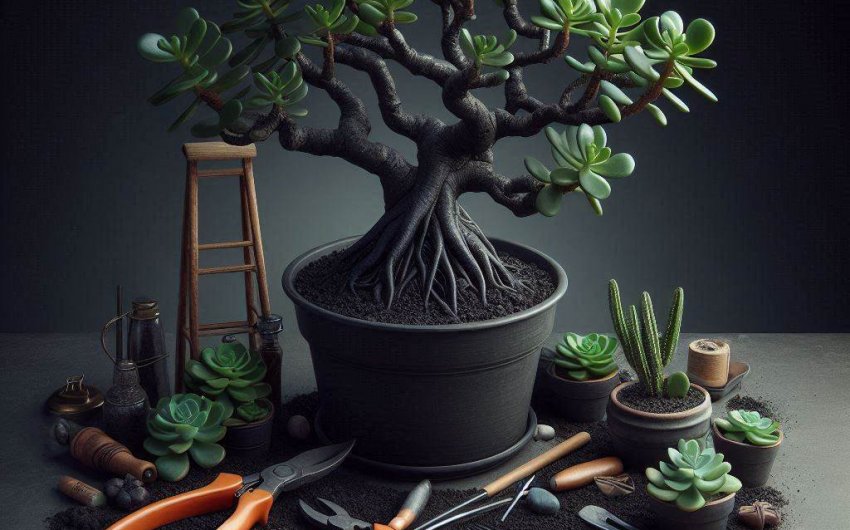
If the stems of your Jade Plant are turning black and mushy, it is almost certainly a sign of overwatering and root rot. This is the most common and often fatal problem for these succulent plants, as excess moisture suffocates the roots and creates an environment for harmful fungal and bacterial pathogens to thrive. Immediate action is required to save your Jade Plant.
What Does Black and Mushy Stem Mean for a Jade Plant?
When the stems of your Jade Plant are turning black and mushy, it's an alarming symptom that signals a severe underlying problem, typically root rot. This condition arises from excessive moisture and is the primary killer of Jade Plants, which are succulents naturally adapted to dry conditions. Understanding what this symptom signifies is crucial for timely intervention.
The Problem: Root Rot
- Cause: Root rot is a fungal or bacterial disease that attacks plant roots when they are deprived of oxygen due to persistently waterlogged soil. Jade Plants store water in their leaves and stems, and their roots need excellent drainage and periods of dryness.
- Mechanism: When the soil stays wet for too long, the tiny air pockets in the soil fill with water, effectively suffocating the roots. Without oxygen, the roots cannot function properly (absorb water and nutrients). Instead, they begin to break down and die, becoming soft and mushy. This decaying organic matter then becomes a breeding ground for harmful anaerobic bacteria and fungi.
- Progression: The rot typically starts at the roots and progresses upwards.
- Roots First: The feeder roots (fine, hair-like roots) die first, becoming black and soft.
- Main Roots and Stem Base: The rot then moves into the larger roots and the base of the main stem, where it meets the soil line. This area becomes soft, discolored (often black or dark brown), and mushy.
- Ascending Rot: From the base, the rot spreads up the stem. The internal vascular tissues (responsible for transporting water and nutrients) break down, turning the stem black and mushy as the plant tissue essentially liquefies.
- Leaf Symptoms: As the rot progresses and the stem can no longer transport water, the leaves may also begin to show symptoms:
- Yellowing: Initially, leaves might turn yellow.
- Soft and Translucent: They may become soft, translucent, or squishy, not just plump.
- Dropping: Leaves will often drop easily from the stem. This is distinct from leaves shriveling and drying due to underwatering.
Why is it so Serious?
- Irreversible Damage: Once the rot has advanced significantly up the stem and the tissue turns black and mushy, that portion of the plant is dead and cannot recover.
- Rapid Spread: Rot can spread quite quickly, especially in warm, humid conditions.
- Life-Threatening: If left untreated, the rot will consume the entire plant, leading to its death.
The Urgent Need for Action:
Seeing your Jade Plant's stems turning black and mushy means you are past the warning stage and into a critical emergency. Immediate intervention is required to try and save any healthy portions of the plant through propagation or aggressive pruning to remove all affected tissue.
Why Did My Jade Plant Get Root Rot? (Causes)
The primary reason the stems of your Jade Plant are turning black and mushy is almost always root rot, which stems from one or more underlying environmental factors related to excessive moisture. Understanding these causes is essential to prevent future occurrences and to accurately treat the current problem.
1. Overwatering (The Most Common Cause):
- Jade Plants are succulents; they store water in their fleshy leaves and stems. Their natural habitat is arid, meaning they are adapted to long periods without rain.
- Mechanism: When you water too frequently, or give too much water at once without proper drainage, the soil remains saturated. This suffocates the roots by displacing the oxygen they need to survive, leading to their decay.
- Common Mistakes:
- Watering on a Schedule: Watering every "X" days regardless of whether the soil is dry. You should only water when the soil is completely dry.
- Too Much Water at Once: Saturating the soil when it's still damp from a previous watering.
- "Small Sips": Giving small sips of water frequently, which keeps the top soil perpetually damp but doesn't encourage deep root growth. It still creates a humid environment conducive to fungus.
2. Poor Drainage (Container & Soil):
- No Drainage Holes: A pot without drainage holes is a death sentence for a Jade Plant. Water has nowhere to go, inevitably leading to soggy conditions.
- Incorrect Potting Mix: Standard potting soil or garden soil is typically too heavy and dense for succulents. It retains too much moisture and compacts, suffocating roots. Jade Plants need a gritty, fast-draining mix.
- Too Large a Pot: A pot that is too large for the Jade Plant's root ball holds an excessive amount of soil, which retains more moisture than the plant can use, leading to prolonged wetness.
3. Insufficient Light:
- Impact on Water Use: Light levels directly affect how much water a plant uses. In low light, a Jade Plant performs less photosynthesis and uses far less water than one in bright light.
- Problem: If a Jade Plant is overwatered in low light, the soil will take much longer to dry out, significantly increasing the risk of rot.
- Symptoms: In low light, Jade plants can also become leggy and weak, making them even more susceptible to disease.
4. Poor Air Circulation:
- Humidity: Stagnant air, especially in a humid environment, prevents the soil surface from drying quickly and can create a microclimate conducive to fungal growth.
- Location: Crowded plant shelves or corners without airflow can exacerbate moisture problems.
5. Over-Fertilization:
- Salt Buildup: Too much fertilizer can lead to a buildup of salts in the soil. This can chemically burn roots and inhibit their ability to absorb water, stressing the plant and making it more vulnerable to rot.
- Leggy Growth: Excess nitrogen can also cause rapid, weak, leggy growth that is more susceptible to disease.
6. Cold Temperatures:
- Waterlogging Risk: Cold temperatures slow down a Jade Plant's metabolism and its ability to absorb water. If combined with excessive watering, cold soil and roots become extremely prone to rot.
- Direct Damage: Freezing temperatures can directly damage plant cells, turning tissue black and mushy, mimicking rot.
Summary of Causes:
| Cause | How it Leads to Rot | Symptoms on Plant (beyond mushy stem) |
|---|---|---|
| Overwatering | Suffocates roots; creates anaerobic environment for pathogens. | Mushy, yellowing, dropping leaves; foul smell from soil. |
| Poor Drainage | Water sits in pot; soil remains soggy. | Similar to overwatering. |
| Incorrect Soil | Too dense, retains too much moisture; compacts easily. | Similar to overwatering. |
| Too Large Pot | Holds excessive moisture that plant can't use quickly. | Soil stays wet for too long. |
| Insufficient Light | Plant uses less water; soil stays wet longer. | Leggy growth; soil perpetually damp. |
| Poor Air Circulation | Prevents surface drying; creates humid microclimate. | Slow drying soil; may see mold on soil surface. |
| Over-Fertilization | Root burn; salt buildup stresses roots. | Crispy leaf edges; stunted growth; white crust on soil. |
| Cold Temperatures | Slows water uptake; direct cell damage if freezing. | Blackened leaves/stems quickly; cold, damp soil. |
Identifying the root cause (pun intended!) of why your stems of your Jade Plant are turning black and mushy is vital to not only treating the current problem but also preventing its recurrence.
Can I Save My Jade Plant If Its Stems Are Turning Black and Mushy?
Seeing the stems of your Jade Plant turning black and mushy is a dire sign, but it doesn't always mean the end. While the affected parts are irreversibly damaged, you can often save your Jade Plant by taking drastic and immediate action, primarily through propagation from healthy cuttings. The success rate depends heavily on how far the rot has progressed.
The Principle: Cut Away All Rot and Propagate Healthy Parts
The core strategy is to remove all affected, rotting tissue and then propagate any healthy, unaffected sections of the plant. Rot spreads rapidly, so acting quickly is paramount.
Step-by-Step Salvage Mission:
- Stop Watering IMMEDIATELY: This is the absolute first step. Do not add any more moisture to the pot.
- Unpot the Plant: Gently remove the Jade Plant from its pot. Shake off as much of the old, potentially contaminated, soggy soil as possible.
- Inspect and Prune Away Rot:
- Tools: Use a very sharp, clean, and sterilized knife or pruning shears. Sterilize your tool with rubbing alcohol or a 10% bleach solution (1 part bleach to 9 parts water) between each cut. This prevents spreading pathogens.
- Assess the Roots: Healthy roots are firm and white or light tan. Rotting roots will be black, brown, and mushy. Cut away all mushy, smelly roots.
- Assess the Stems: Identify where the rot has started and how far up the stem it has progressed. The black, mushy tissue is dead.
- Cut Above the Rot: With your sterilized knife, begin cutting portions of the stem above the visibly black and mushy areas. Make your cuts in small increments. You are looking for a cross-section of the stem that is completely clean, healthy, and green (or normal Jade color), with no black, brown, or watery spots. You may need to cut back much further than you expect.
- Discard Diseased Parts: Bag and discard all removed rotten roots and stems. Do not compost them.
- Take Healthy Cuttings (Propagation):
- Once you've removed all rotten portions from the main plant, you might be left with very little. Even if the main plant seems beyond saving, you can still take healthy stem or leaf cuttings from any unaffected parts.
- Stem Cuttings: Choose segments of stem that are firm, plump, and have at least 2-4 pairs of leaves. Make a clean cut with a sterilized knife.
- Leaf Cuttings: You can also propagate from individual healthy leaves. Gently twist or cut a healthy, plump leaf from the stem, ensuring the entire base (where it joined the stem) is intact.
- No Rot: Ensure there is absolutely no black or mushy tissue on the cuttings. Even a tiny speck can mean the rot will continue.
- Callus Cuttings (Crucial!):
- This step is vital for succulents. Lay the healthy stem and leaf cuttings in a dry, airy spot (like on a paper towel on a counter, away from direct sunlight) for 3-7 days (or even longer for very thick stems).
- This allows the cut end to callus over, forming a dry, protective scab. This prevents rot when the cutting is planted in soil. Do not skip this!
- Repot/Plant Cuttings in New, Dry Soil:
- Discard Old Soil: Dispose of all the old, possibly contaminated, potting mix from the original pot.
- Clean Pot: Thoroughly clean and sterilize the old pot, or use a new, clean pot. Ensure it has excellent drainage.
- New Potting Mix: Use a fresh, bone-dry, well-draining succulent or cactus potting mix. Espoma Organic Cactus Mix.
- Plant Cuttings: Insert the callused end of the stem cuttings about 1-2 inches deep into the dry potting mix. For leaf cuttings, lay them flat on the soil surface or barely insert the callused end.
- Do NOT Water Immediately: This is the next crucial step. Wait at least 1-2 weeks after planting cuttings before giving them their first light watering. This allows new roots to form (which happens more readily in dry conditions) before moisture is introduced.
- Provide Bright, Indirect Light: Place the newly potted cuttings in a location that receives bright, indirect sunlight. Avoid direct, harsh sun, especially when they are rootless.
- Patience and Observation: Rooting can take several weeks to a few months. Gently tugging on a stem cutting will tell you if it has rooted (it will offer resistance). For leaf cuttings, you'll see tiny roots and a new plantlet forming at the base of the leaf. Once rooted, gradually begin a proper watering schedule (water only when soil is completely dry).
While the sight of black and mushy stems is disheartening, taking immediate and decisive action gives your Jade Plant a fighting chance to be reborn from healthy sections, allowing you to enjoy your beloved succulent for years to come.
How to Prevent Jade Plant Stems from Turning Black and Mushy (Preventing Root Rot)
Preventing your Jade Plant's stems from turning black and mushy is far easier than trying to cure it. The key is to address the underlying causes of root rot by providing the optimal growing conditions that mimic their arid natural habitat. By following these essential tips, you can ensure your Jade Plant remains healthy and thrives.
1. Master the Art of Watering (The Most Important Rule):
- Underwatering is Better Than Overwatering: This is the golden rule for succulents. Jade Plants can tolerate significant periods of dryness, but they will quickly succumb to root rot if overwatered.
- Water Only When Soil is Bone Dry: Do not water on a schedule. Instead, check the soil moisture. Stick your finger 2-3 inches deep into the potting mix. If it feels completely dry at that depth, wait a few more days, then water. For larger pots, you can use a moisture meter.
- Water Thoroughly: When you do water, water deeply until water drains freely from the bottom of the pot. This encourages deep root growth.
- Empty Saucer: Never let your Jade Plant sit in a saucer of standing water. Always empty the saucer a few minutes after watering.
- Reduce Watering in Winter: During the cooler, darker months of fall and winter, Jade Plants go into a semi-dormant state and require significantly less water. Reduce frequency drastically.
- Avoid Misting: Misting leaves does nothing to hydrate a succulent and can encourage fungal issues on the foliage.
2. Provide Excellent Drainage (Pot and Soil):
- Drainage Holes are Non-Negotiable: Your pot must have drainage holes at the bottom. If repurposing a container, drill several large holes.
- The Right Potting Mix: This is crucial. Use a specialized succulent or cactus potting mix. These mixes are formulated to be gritty and fast-draining. Espoma Organic Cactus Mix is a good choice.
- DIY Mix: If making your own, combine 1 part good quality potting soil, 1 part coarse sand (horticultural sand, not play sand), and 1 part perlite or pumice. Perlite for Plants.
- Correct Pot Size: Use a pot that is only slightly larger than the Jade Plant's root ball. A pot that is too large will hold too much excess soil, which retains more moisture than the plant can use, leading to prolonged dampness. Jade Plants actually prefer to be slightly root-bound.
3. Ensure Ample Bright Light:
- Location, Location, Location: Place your Jade Plant in a location that receives bright, indirect sunlight for most of the day. A south-facing window (with some protection from scorching direct afternoon sun in summer), or a very bright east- or west-facing window, is ideal.
- Why it Matters: Sufficient light helps the plant utilize water more efficiently, allowing the soil to dry out quicker between waterings. In low light, a Jade plant uses very little water, making it much more susceptible to overwatering.
4. Provide Good Air Circulation:
- Flowing Air: Ensure your Jade Plant isn't stuck in a stagnant corner. Good air circulation helps the soil surface dry out faster and reduces humidity around the plant, which deters fungal growth.
- Spacing: If you have many plants, ensure they are not too crowded.
5. Fertilize Sparingly (If at All):
- Less is More: Jade Plants are not heavy feeders. Over-fertilization can lead to leggy, weak growth, and salt buildup in the soil which can burn roots and make them more susceptible to rot.
- When: If you fertilize, do so only once or twice during the active growing season (spring/summer) using a balanced liquid fertilizer diluted to half or quarter strength. Avoid fertilizing in fall and winter.
6. Repotting (When Necessary):
- Fresh Soil: When you do repot (typically every 2-3 years, or when root-bound), use fresh, well-draining potting mix. This replenishes nutrients and prevents soil compaction over time.
- Inspect Roots: Use repotting as an opportunity to inspect roots for any early signs of rot and prune if necessary.
By diligently applying these preventative measures, you can create the ideal environment for your Jade Plant and confidently prevent its stems from turning black and mushy, ensuring it remains a beautiful and resilient addition to your home.
What to Do If My Jade Plant is Still Soft But Not Black? (Early Intervention)
If the stems of your Jade Plant are turning black and mushy, you're dealing with advanced root rot. However, if you notice the stems are soft and squishy but not yet black or fully disintegrated, you might have caught the root rot in an earlier stage. This early intervention is crucial and offers a better chance of full recovery without resorting to propagation.
Recognizing Early Root Rot Symptoms (Before Blackness):
- Softness: The main stem or lower branches feel noticeably soft or squishy when gently squeezed, rather than firm and woody.
- Drooping Leaves: Leaves may start to droop or feel a bit deflated, even though the plant has been watered (a deceptive sign, as it can mimic underwatering).
- Yellowing Leaves: Lower leaves may begin to turn yellow and potentially drop easily.
- Mushy/Soft Leaves: The leaves themselves may feel soft or translucent, rather than firm and plump.
- Soggy Soil: The soil remains wet for a prolonged period after watering.
- Foul Smell: The soil might have a slightly moldy or decaying smell.
Step-by-Step Early Intervention:
- Stop Watering Immediately: This is non-negotiable. Do not add any more water.
- Unpot the Plant: Gently remove the Jade Plant from its pot. Discard all the old potting mix. This allows you to inspect the roots and remove saturated soil.
- Inspect and Prune Roots:
- Shake off as much old soil as possible.
- Examine the roots. Healthy roots are typically white, firm, and plump. Roots suffering from early rot will look dark (brown/black) and feel soft or mushy.
- Using sharp, sterilized scissors or a knife, prune away all affected, soft, dark, or mushy roots. Cut back to healthy, firm root tissue. Sterilize your tool between cuts.
- Inspect Stems (Crucial):
- Carefully feel the stems, especially near the soil line. If you find any soft, mushy, or discolored (dark brown/black) areas, you must cut back to completely healthy, firm, green tissue.
- If you find significant areas of the main stem are soft and discolored, you might be past early intervention and need to proceed with taking healthy cuttings as described in the "Can I Save My Jade Plant?" section. The goal here is to remove all compromised tissue.
- Allow to Air Dry (Callus):
- This is a critical step for succulents after root disturbance. Lay the entire plant (roots and all) in a dry, airy spot, out of direct sunlight, for 2-7 days.
- This allows any cuts on the roots or stem to callus over (form a dry, protective scab), significantly reducing the risk of further rot when repotted. The leaves might shrivel slightly, but this is temporary dehydration, not rot.
- Repot in New, Dry, Well-Draining Mix:
- Clean Pot: Use a clean, sterile pot (the same size or slightly smaller if many roots were removed) with excellent drainage.
- Fresh Mix: Fill the pot with fresh, bone-dry, very well-draining succulent or cactus potting mix. Espoma Organic Cactus Mix.
- Position: Place the Jade Plant in the pot at its original soil level.
- No Water Yet: Do NOT water immediately after repotting.
- Post-Repotting Care:
- Wait to Water: Wait at least 1-2 weeks (or even longer, up to 3-4 weeks if the plant was very stressed or soil still feels slightly damp) before giving your first light watering. This allows the roots time to re-establish and prevents renewed rot.
- Bright, Indirect Light: Place the plant in a location with bright, indirect light.
- Monitor: Observe the plant closely. Once it has recovered (new growth appears, leaves feel firm), resume a proper, very infrequent watering schedule.
Catching root rot early, when the stems are soft but not yet black and mushy, gives your Jade Plant the best chance to recover and thrive without the need for drastic propagation, allowing you to salvage your beloved succulent.
What Are the Environmental Factors That Impact Jade Plant Health?
Understanding the optimal environmental factors is fundamental to caring for your Jade Plant and preventing the dreaded problem of its stems turning black and mushy. These succulents are native to dry, sunny regions, and mimicking those conditions is key to their health and longevity.
1. Light Requirements (Bright and Consistent):
- Full Sun to Bright, Indirect Light: Jade Plants thrive in abundant light. Ideally, they prefer at least 4-6 hours of direct sunlight, especially morning sun. A south-facing window is often perfect, but they can also do well in a very bright east or west window.
- Why it Matters for Stem Health: Sufficient light enables the plant to perform photosynthesis vigorously, which helps it utilize water efficiently. In low light, a Jade Plant uses very little water, making it extremely prone to overwatering and subsequent root rot, even if watered infrequently. Low light also leads to leggy, weak growth, which is more susceptible to problems.
- Outdoor Acclimation: If moving outdoors for summer, gradually acclimate them to prevent sunburn.
2. Watering Needs (Infrequent and Thorough):
- Drought Tolerance: Jade Plants store water in their leaves and stems, allowing them to endure long periods without water. They are designed for periods of feast (a good rain) and famine (long dry spells).
- "Soak and Dry" Method: This is the only appropriate watering method. Water thoroughly until water drains from the bottom. Then, allow the soil to dry out completely before watering again. Use the "finger test" (2-3 inches deep) or a moisture meter.
- Seasonal Adjustment: Reduce watering frequency dramatically in fall and winter when light levels are lower and temperatures are cooler, as the plant's metabolic rate slows down.
- Why it Matters for Stem Health: The direct link to black, mushy stems. Persistent moisture around the roots suffocates them and creates anaerobic conditions, leading to root rot.
3. Soil and Drainage (Crucial for Root Health):
- Fast-Draining Mix: The potting mix must be very gritty and well-draining. Standard potting soil is too dense and holds too much moisture.
- Why it Matters for Stem Health: A heavy, poorly draining soil mix will retain water for too long, regardless of your watering habits, leading to root rot. It also prevents air from reaching the roots.
- Container with Drainage Holes: A pot without drainage holes is a recipe for disaster. Excess water must be able to escape.
4. Temperature (Warm and Consistent):
- Ideal Range: Jade Plants prefer typical indoor temperatures, generally between 65-75°F (18-24°C) during the day. They can tolerate cooler night temperatures, especially in winter (down to 50°F / 10°C), which can actually promote healthier, more colorful growth.
- Why it Matters for Stem Health:
- Cold Stress: Exposure to temperatures below 40°F (4°C) for prolonged periods can damage the plant's cells, turning tissue black and mushy, mimicking rot.
- Slower Drying: In colder conditions, the plant uses less water, and the soil dries out much slower, significantly increasing the risk of rot if overwatered.
- Avoid Drafts: Keep away from cold drafts from windows or doors.
5. Humidity (Low and Dry):
- Arid Preference: Jade Plants are native to arid regions and prefer low to average indoor humidity. They do not need misting.
- Why it Matters for Stem Health: While not a direct cause of stem rot, excessively high humidity can contribute to prolonged drying times for the soil and can create conditions conducive to fungal growth on the plant or soil surface, especially if combined with poor air circulation or overwatering.
6. Air Circulation (Good and Open):
- Preventing Stagnation: Good air circulation around the plant and over the soil surface helps the potting mix dry out more quickly after watering and reduces humidity around the foliage.
- Why it Matters for Stem Health: Stagnant, humid conditions can exacerbate watering issues and promote fungal growth that leads to rot.
By meticulously controlling these environmental factors, especially light and watering practices, you create the optimal conditions for your Jade Plant to thrive, ensuring its stems remain healthy and firm and avoiding the dreaded black and mushy symptoms of root rot.