
Snake Plant Care: The Ultimate Guide
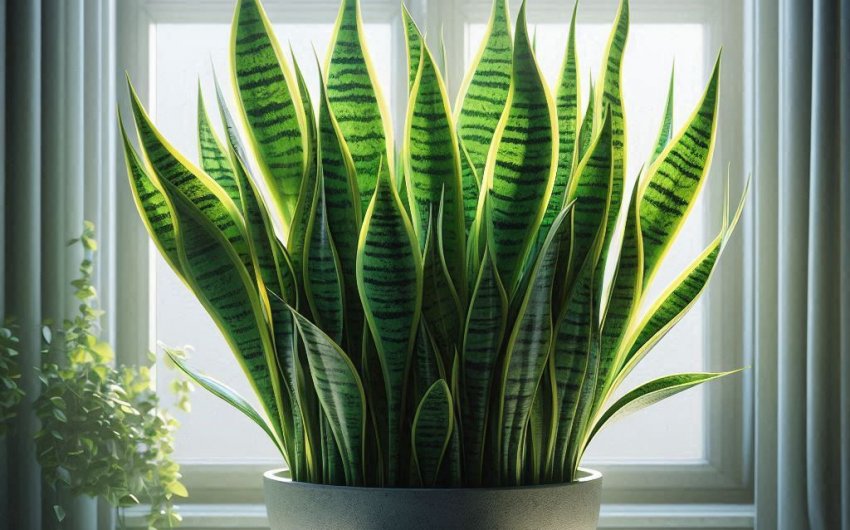
To provide proper Snake Plant care, focus on infrequent watering, bright indirect light, and well-draining soil. These resilient plants are highly tolerant, making them excellent choices for beginners or those seeking low-maintenance greenery. This ultimate guide covers everything you need for a thriving Snake Plant.
Why is the Snake Plant So Popular?
The Snake Plant, scientifically known as Sansevieria trifasciata (now reclassified as Dracaena trifasciata), has surged in popularity to become one of the most beloved and ubiquitous houseplants. Its widespread appeal stems from a unique combination of aesthetic beauty, incredible resilience, and practical benefits that cater to a wide range of plant enthusiasts, from absolute beginners to seasoned collectors.
One of the primary reasons for its popularity is its striking visual appeal. With its stiff, upright, sword-like leaves that grow in a rosette, the Snake Plant adds a modern, architectural element to any interior space. Its leaves often feature intricate patterns, varying shades of green, and yellow or silver margins, creating a dynamic visual texture that complements diverse decor styles, from minimalist to bohemian. Unlike bushy plants, its vertical growth habit makes it perfect for tight spaces, narrow shelves, or as a commanding floor plant.
Beyond its beauty, the Snake Plant is celebrated for being exceptionally low-maintenance and forgiving. It's famously known as one of the hardest-to-kill houseplants, making it an ideal choice for beginners, busy individuals, or those who travel frequently. It tolerates a remarkable range of conditions, including low light, infrequent watering, and fluctuating temperatures. This resilience means it can survive periods of neglect and bounce back, a characteristic that significantly reduces plant-parent anxiety. Many people consider it the perfect plant for those who "kill everything else."
Another significant factor contributing to its popularity is its air-purifying qualities. The Snake Plant is one of the few plants that converts carbon dioxide into oxygen at night, making it an excellent choice for bedrooms. It also efficiently filters common indoor air pollutants such as formaldehyde, benzene, xylene, and trichloroethylene, improving indoor air quality and contributing to a healthier living environment. This practical benefit elevates it beyond a simple decorative item, turning it into a functional asset for the home.
The Snake Plant is also remarkably versatile in terms of placement. It can genuinely thrive in a bright, sunny spot (though not direct, scorching sun) and also tolerate very low light conditions, making it suitable for almost any room in the house or office. While it prefers bright indirect light for optimal growth, its ability to survive in dimmer corners makes it a go-to for challenging spaces where other plants might wither.
Finally, the ease of propagation adds to its allure. A single Snake Plant can easily be propagated into multiple new plants from leaf cuttings or by dividing its rhizomes. This allows owners to expand their collection, share with friends, or easily replace an aging plant, all without incurring additional costs. This ease of multiplication makes it a rewarding plant for those who enjoy the process of growing and sharing.
In summary, the Snake Plant's blend of aesthetic sophistication, unparalleled hardiness, air-purifying benefits, adaptability, and ease of propagation collectively cement its status as an ultimate guide favorite and a top choice for anyone looking to enhance their indoor space with a thriving, low-effort houseplant.
What is the Ideal Light for a Snake Plant?
Providing the right amount of light is crucial for Snake Plant care, even though these plants are incredibly tolerant. While they can survive in low light, they will truly thrive and display their best colors and growth patterns in brighter conditions.
Optimal Light: Bright, Indirect Light
The ideal light for a Snake Plant is bright, indirect light. This means the plant should be placed near a window where it can see the sky clearly, but direct sunlight doesn't hit its leaves for extended periods, or if it does, the light is filtered.
- East-Facing Windows: An east-facing window is often considered perfect. It provides gentle morning sun, which is less intense and generally beneficial for Snake Plants without the risk of scorching.
- North-Facing Windows: These windows offer consistent, gentle light that is typically sufficient for Snake Plants to survive, but growth might be slower, and variegation (patterns on the leaves) might become less pronounced.
- South or West-Facing Windows (with caution): These windows offer the brightest light. If placing your Snake Plant in front of a south or west-facing window, consider:
- Sheer Curtains: A sheer curtain can diffuse the intense afternoon sun, preventing leaf scorch.
- Set Back: Place the plant a few feet back from the window to reduce direct exposure to harsh rays.
Tolerance for Low Light (But Not Ideal)
One of the Snake Plant's most celebrated attributes is its ability to tolerate very low light conditions. This makes it suitable for dimly lit offices, hallways, or bathrooms where other plants would struggle. However, "tolerate" doesn't mean "thrive."
- Slowed Growth: In low light, a Snake Plant's growth will significantly slow down, almost to a standstill.
- Fading Variegation: The vibrant yellow or silver margins and patterns on variegated varieties may become duller or fade entirely in prolonged low light.
- Legginess: While not as prone to etiolation (stretching) as some other plants, new leaves might emerge thinner and less robust.
Avoiding Direct Sun and Scorching
While they come from sunny regions, Snake Plants are often understory plants in their natural habitat, meaning they are accustomed to filtered light. Harsh, direct afternoon sun through a window can be too intense for them and lead to damage.
- Symptoms of Sunburn:
- Yellowing or browning leaf tips: The very ends of the leaves may crisp up and turn yellow or brown.
- Scorched spots: Brown or white, papery patches may appear on the leaves where the sun has burned them.
- Fading color: The overall color of the leaves may appear bleached or faded.
Rotating Your Plant
To ensure even growth and light exposure for all sides of your Snake Plant, it's a good practice to rotate it every few weeks. This prevents the plant from leaning towards the light source and encourages symmetrical development.
In essence, while your Snake Plant will bravely endure low light, providing it with bright, indirect light is the ultimate key to unlocking its full potential, ensuring vibrant color, robust growth, and a truly thriving specimen in your home.
How Often Should I Water My Snake Plant?
Watering is arguably the most critical aspect of Snake Plant care, and it's where most beginners make mistakes. The key rule for Snake Plants is to underwater rather than overwater. These succulents are highly susceptible to root rot if they sit in soggy soil.
The Golden Rule: Let the Soil Dry Out Completely (and Then Some!)
The most important guideline for watering your Snake Plant is to allow the soil to dry out completely between waterings, and then wait a little longer. It's better to err on the side of too dry than too wet.
- Check the Soil: Before watering, stick your finger about 2-3 inches deep into the soil. If it feels moist, wait. For larger pots, or to be more precise, you can use a moisture meter, such as the XLUX Soil Moisture Meter, to check the moisture level deeper in the pot. If the meter reads "dry" or "low," it's likely time to water.
- Lift the Pot: Another simple trick is to lift the pot when dry and then again after watering. You'll notice a significant difference in weight. When it feels notably light, it's dry throughout.
How to Water: Thoroughly But Infrequently
When it is time to water, do it deeply and thoroughly:
- Saturate the Soil: Pour water slowly over the entire soil surface until it begins to drain out of the bottom drainage holes. Ensure all the soil gets wet.
- Ensure Drainage: Let the pot sit for a few minutes to drain any excess water. Do not let your Snake Plant sit in standing water in a saucer or decorative pot. Empty the saucer immediately after watering.
- Avoid the Rosette: Try to avoid getting water directly into the central rosette (where the leaves emerge from the soil), especially in cooler conditions, as water can sit there and lead to rot. Water around the base of the leaves.
Factors Affecting Watering Frequency:
There is no fixed schedule for watering; it depends on several environmental factors:
- Season:
- Summer (Growing Season): Your Snake Plant will need more frequent watering, perhaps every 2-4 weeks, as it's actively growing and temperatures are higher.
- Winter (Dormant Season): Growth slows down significantly in winter. Reduce watering dramatically, perhaps every 4-6 weeks or even less. The plant needs much less moisture when dormant. Some neglect it almost entirely.
- Light Levels: Plants in brighter light will use water faster and need more frequent watering than those in lower light.
- Pot Material: Terracotta pots dry out faster than plastic or glazed ceramic pots due to their porous nature.
- Pot Size: Smaller pots dry out faster than larger pots because they hold less soil and thus less moisture.
- Humidity: In very humid environments, the soil will dry slower.
- Air Circulation: Good airflow helps the soil dry out more quickly.
Signs of Improper Watering:
- Overwatering (Most Common Problem):
- Soft, mushy, or yellowing leaves: This is a clear sign of root rot, especially at the base of the leaves.
- Leaves feeling squishy and translucent: An advanced sign of cellular breakdown due to excess water.
- Foul smell from the soil: Indicates decaying roots.
- Underwatering:
- Leaves wrinkling, shriveling, or feeling soft and floppy: The plant is using its stored water.
- Leaves curling inward: A sign of dehydration.
- Very slow or no growth: While Snake Plants are slow growers, extreme lack of water will halt growth entirely.
By consistently applying the "dry out completely" rule and adjusting to your plant's environment, you'll master Snake Plant watering and ensure your houseplant remains vibrant and thriving.
What is the Best Potting Mix and Container for a Snake Plant?
The right potting mix and container are fundamental to healthy Snake Plant care. Since these plants are highly susceptible to root rot from overwatering, excellent drainage is absolutely non-negotiable.
Potting Mix: Prioritize Drainage
Standard indoor potting soil is typically too dense and retains too much moisture for a Snake Plant. You need a mix that drains quickly and provides good aeration for the roots.
- Cactus or Succulent Mix: This is the easiest and most recommended option. Pre-formulated cactus or succulent potting mixes are designed with faster drainage in mind, often containing ingredients like sand, perlite, or pumice. A good example is Miracle-Gro Cactus, Palm & Citrus Potting Mix.
- DIY Mix: If you prefer to make your own, combine:
- 2 parts good quality general potting soil (avoiding anything with added moisture retention beads or crystals)
- 1 part coarse sand (horticultural sand, not play sand, which compacts easily)
- 1 part perlite or pumice. Perlite for Plants is lightweight and significantly improves drainage and aeration. Pumice offers similar benefits but is heavier.
- Avoid: Heavy, dense soils, garden soil, or mixes primarily composed of peat moss that can hold excessive water.
Container: Drainage Holes are Essential
The type of container is just as important as the soil. Regardless of the material, your pot must have drainage holes at the bottom. Without them, water will accumulate at the bottom, leading directly to root rot.
- Terracotta Pots: These are often the best choice for Snake Plants.
- Pros: Terracotta is porous, meaning it allows excess moisture to evaporate through the sides of the pot. This helps the soil dry out faster, which is perfect for succulents like the Snake Plant. They also offer good stability for tall, top-heavy varieties.
- Cons: They can dry out the soil quicker, so you might need to water slightly more often (though still infrequently for a Snake Plant) compared to plastic pots.
- Ceramic Pots (Glazed or Unglazed):
- Glazed Ceramic: Less porous than terracotta, so they retain more moisture. If using a glazed pot, be extra diligent about watering, ensuring the soil dries completely. Drainage holes are, again, crucial.
- Unglazed Ceramic: Similar benefits to terracotta regarding porosity.
- Plastic Pots:
- Pros: Lightweight and affordable. They retain moisture longer than terracotta.
- Cons: The moisture retention means you must be very careful not to overwater. Ensure there are plenty of large drainage holes. They can also be less stable for very tall Snake Plant varieties.
- Size Matters: Snake Plants generally prefer to be a bit root-bound and do not need frequent repotting. When choosing a pot, select one that is only slightly larger than the plant's current root ball – typically 1-2 inches wider than the current pot's diameter. A pot that is too large will hold an excessive amount of soil and thus too much moisture, significantly increasing the risk of root rot. For taller varieties, a wider, heavier pot might be needed for stability, even if the plant isn't severely root-bound.
By pairing your Snake Plant with the correct potting mix and a container that offers superior drainage, you are providing the foundational environment for a healthy and thriving houseplant.
Does My Snake Plant Need Fertilizer and How Often?
Snake Plants are known for their low-maintenance nature, and this extends to their fertilization needs. They are not heavy feeders and can thrive indoors for years with minimal, if any, supplemental fertilizer. Over-fertilizing is far more detrimental than under-fertilizing for these resilient plants.
General Rule: Seldom, If Ever
For most indoor Snake Plants, especially those that are not actively growing or haven't been repotted in a while, fertilizer is rarely necessary. They derive sufficient nutrients from fresh potting mix for a year or two.
When to Consider Fertilizing:
If you notice your Snake Plant showing very slow growth (even slower than its naturally slow pace), or if its leaves appear to be losing their vibrancy despite adequate light and water, a light feeding might be beneficial. This usually occurs after the plant has been in the same pot with depleted soil for a few years.
- During Active Growth: The best time to fertilize, if you choose to, is during the active growing season, which is typically spring and summer. This is when the plant is most likely to utilize the nutrients.
- Avoid Winter Fertilization: Do not fertilize your Snake Plant during the fall and winter months when its growth naturally slows down or becomes dormant. Fertilizing during dormancy can lead to a buildup of salts in the soil, which can burn the roots.
Type of Fertilizer to Use:
If you decide to fertilize, choose a balanced, diluted liquid fertilizer specifically formulated for succulents or cacti.
- Low NPK Ratio: Look for a fertilizer with a balanced or slightly lower nitrogen (N) ratio. A 10-10-10 or 5-10-10 NPK ratio is generally suitable. High nitrogen can promote weak, leggy growth rather than strong, upright leaves.
- Liquid Form: Liquid fertilizers are easy to dilute and apply, allowing you to control the strength precisely. An excellent choice is Schultz Cactus Plus Liquid Plant Food 2-7-7.
- Dilution is Key: Always dilute the fertilizer to at least half or even a quarter of the strength recommended on the product label. For example, if the label says 1 capful per gallon, use 1/2 or 1/4 capful. This prevents chemical burn to the roots.
How to Apply Fertilizer:
- Water First: Always water your Snake Plant thoroughly a day or two before fertilizing. Applying fertilizer to dry soil can cause severe root burn.
- Apply Diluted Solution: Use the diluted liquid fertilizer during a regular watering session. Pour it evenly over the soil surface.
- Frequency: If you choose to fertilize, do so no more than once every 2-3 months during the spring and summer growing season. Many successful growers fertilize only once a year or every other year.
Potential Problems with Over-Fertilization:
Over-fertilizing is a common mistake that can significantly harm your Snake Plant:
- Root Burn: Excess salts from the fertilizer accumulate in the soil and draw moisture away from the roots, causing them to burn and dry out. This can manifest as crispy brown leaf tips or even complete plant collapse.
- Stunted Growth: Paradoxically, too much fertilizer can inhibit growth rather than promoting it, as the plant struggles with nutrient toxicity.
- White Crust on Soil: A visible sign of salt buildup from excessive fertilizer or poor drainage.
- Increased Susceptibility to Pests/Diseases: A stressed, over-fertilized plant is weaker and more vulnerable.
In conclusion, when it comes to Snake Plant care and fertilizer, less is definitely more. Prioritize proper watering, light, and well-draining soil. Your Snake Plant will likely continue to thrive with very little, if any, additional feeding.
What Are the Ideal Temperature and Humidity for a Snake Plant?
One of the reasons the Snake Plant is such an ultimate guide favorite is its adaptability to typical indoor environments. Understanding its preferred temperature and humidity ranges ensures your houseplant remains vibrant and thriving, even though it's remarkably forgiving.
Temperature Requirements:
Snake Plants prefer warm temperatures and are quite sensitive to cold.
- Ideal Range: The optimal temperature range for a Snake Plant is between 65°F and 80°F (18°C and 27°C). This aligns perfectly with average room temperatures in most homes, making it an easy plant to keep comfortable.
- Minimum Temperature: Snake Plants can tolerate temperatures as low as 50°F (10°C) for short periods. However, prolonged exposure to temperatures below this can cause significant stress, chilling injury, or even death. Their cells can rupture from frost damage.
- Avoid Cold Drafts: Keep your Snake Plant away from cold drafts from windows or doors, especially during winter months. Also, avoid placing it directly next to air conditioning vents or on cold window sills in winter.
- Avoid Extreme Fluctuations: While resilient, sudden drastic temperature changes can stress the plant. Aim for consistent warmth.
Humidity Requirements:
As succulents native to arid and semi-arid regions, Snake Plants do not require high humidity. In fact, excessive humidity, especially when combined with poor air circulation, can be detrimental as it encourages fungal issues and root rot.
- Low to Average Humidity: Snake Plants are perfectly happy and thrive in the low to average humidity levels typically found in most homes (generally between 30-50% relative humidity). You do not need to provide supplemental humidity for them.
- Avoid Misting: Unlike many tropical houseplants, Snake Plants do not benefit from misting. Misting leaves can leave water droplets that sit in the crevices of the rosette or on the leaf surface, which can lead to fungal diseases or rot, especially in cool or low-airflow conditions. Their thick, waxy leaves are designed to retain moisture, not absorb it from the air.
- Good Air Circulation: While not needing high humidity, good air circulation is beneficial. It helps to prevent stagnant, damp conditions around the plant and aids in the evaporation of water from the soil after watering, reducing the risk of fungal problems.
Summary Table:
Here’s a quick overview of the ideal environmental conditions for your indoor Snake Plant:
| Factor | Ideal Condition | What to Avoid |
|---|---|---|
| Light | Bright, Indirect (East window or filtered SW) | Harsh, direct scorching sun; extremely low light |
| Temp. | 65-80°F (18-27°C) | Below 50°F (10°C); cold drafts; extreme fluctuations |
| Humid. | Low to Average (30-50% typical home humidity) | Excessively high humidity; misting; standing water |
By providing consistent, warm temperatures and allowing for average indoor humidity levels, you will create an environment where your Snake Plant can truly thrive, effortlessly adding its architectural beauty to your living space.
How and When Should I Repot My Snake Plant?
Repotting your Snake Plant is a part of essential Snake Plant care, but it's not something you'll need to do frequently. These plants prefer to be a bit root-bound and can actually thrive in seemingly crowded conditions for a long time.
When to Repot:
Your Snake Plant will give you clear signals when it's ready for a new home. Look for these signs:
- Roots Growing from Drainage Holes: This is the most common and definitive indicator. If roots are pushing out of the bottom of the pot, it's a clear sign your plant has outgrown its current container.
- Pot Bulging or Cracking: Snake Plants have strong rhizomes (underground stems) that can actually expand and cause plastic pots to bulge and sometimes even crack terracotta pots. This is a sure sign it's time to repot.
- Plant is Top-Heavy and Tipping Over: If the plant's growth has made it significantly larger and taller than its pot, making it unstable and prone to tipping, it needs a larger, heavier base for support.
- Stunted Growth (after years): If your Snake Plant hasn't grown noticeably in a very long time (e.g., 3-5+ years), even with proper light and watering, it might be severely root-bound and unable to access enough nutrients or moisture from its depleted soil.
- Soil Dries Out Very Quickly: If the potting mix is drying out unusually fast, it might mean there's more root than soil, indicating a need for repotting.
Timing: The best time to repot Snake Plants is during their active growing season, which is typically spring or early summer. This allows the plant to recover from the stress of repotting quickly and settle into its new environment. Avoid repotting in fall or winter.
How to Repot a Snake Plant (Step-by-Step):
- Gather Your Supplies:
- New pot: Choose a pot that is only 1-2 inches larger in diameter than the current one. A larger jump in pot size can lead to too much excess soil, retaining moisture and increasing root rot risk. Ensure it has drainage holes. A heavy terracotta pot is often preferred for stability and drainage.
- Fresh succulent or cactus potting mix.
- Newspaper or a tarp to protect your workspace.
- Sharp, sterilized knife or pruning shears (for dividing if desired).
- Gloves (optional, the leaves can be sharp).
- Prepare the New Pot: Place a small amount of fresh potting mix at the bottom of the new pot. You can gently dome it slightly.
- Remove the Plant:
- Gently lay the current pot on its side.
- Carefully slide the Snake Plant out. You might need to gently squeeze the sides of a plastic pot or run a knife around the inner edge of the soil if it's stuck in a terracotta pot. Be firm but gentle; the rhizomes are strong.
- Avoid pulling the plant by its leaves, as they can tear. If very root-bound, you might need to carefully cut away the old pot.
- Inspect and Untangle Roots/Rhizomes:
- Once out of the pot, gently loosen any tightly bound roots or rhizomes at the bottom.
- Inspect for any visibly rotten or mushy roots (they will be dark and soft) and prune them away with your sterile knife.
- Divide the Plant (Optional):
- If your Snake Plant has multiple rosettes and you want to create new plants, this is the time to divide it.
- Locate the rhizomes connecting the rosettes. Use a sharp, sterile knife to cut through these rhizomes, ensuring each new section has its own set of roots attached.
- Allow the cut surfaces of the divided sections to callus over for 1-2 days in a dry spot before potting, especially if you see any significant cuts. This prevents rot.
- Place in New Pot:
- Center your Snake Plant (or newly divided section) in the new pot.
- Ensure the plant is sitting at the same soil level as it was in the old pot, with the top of the rhizomes just barely buried, and about an inch of space from the soil surface to the rim of the pot.
- Add more fresh potting mix around the root ball, gently firming it down to remove large air pockets. Do not compact the soil too tightly.
- Post-Repotting Care:
- Do NOT Water Immediately: This is a crucial step for succulents. Wait at least 5-7 days after repotting before your first watering. This allows any disturbed or damaged roots to heal and prevents potential root rot from water entering fresh wounds.
- Place in Familiar Light: Return your Snake Plant to its usual bright, indirect light location.
- Observe: Monitor your plant for any signs of stress. New growth will signal that it has adapted to its new home.
By following these careful steps, you'll successfully repot your Snake Plant and set it up for continued success and a long, thriving life as a beautiful houseplant.
How to Propagate Snake Plants from Cuttings and Divisions?
Propagating Snake Plants is incredibly easy and a rewarding aspect of Snake Plant care. You can effortlessly create new houseplants from your existing, thriving Snake Plant through two primary methods: leaf cuttings (in water or soil) and division.
Method 1: Propagating from Leaf Cuttings
This method is popular because it allows you to get many new plants from a single leaf.
Leaf Cuttings in Water (Slower but Visually Interesting):
- Select a Healthy Leaf: Choose a mature, healthy leaf from your Snake Plant.
- Make Cuttings: Using sharp, clean scissors or a knife, cut the leaf into sections that are approximately 2-4 inches long. For variegated varieties, cut them into a 'V' shape at the bottom, making a small notch. This helps you remember which end is "down" and can sometimes encourage variegation retention.
- Identify Bottom End: It is crucial to remember which end was originally closer to the base of the plant (the "bottom"). Roots will only grow from this end. You can mark the bottom with a marker, or make a diagonal cut on the bottom and a straight cut on the top.
- Allow to Callus: This is a critical step to prevent rot. Lay the cuttings in a dry, airy place away from direct sunlight for 2-5 days to allow the cut end to callus over (form a dry scab).
- Place in Water: Once callused, place the bottom end of each cutting into a jar or vase with just an inch or two of clean water. Ensure only the very bottom touches the water, not the entire cutting.
- Change Water Regularly: Change the water every 5-7 days to keep it fresh and prevent bacterial growth.
- Patience! This method can take a very long time – anywhere from 1-3 months or even longer – for roots to form. You'll eventually see tiny roots emerging, followed by a small rhizome and sometimes a tiny new leaf or pup.
- Pot When Ready: Once roots are 1-2 inches long, pot the cuttings into a small pot filled with well-draining succulent/cactus mix. Wait a week before the first watering.
Leaf Cuttings in Soil (Often More Reliable for Variegation):
- Select & Cut Leaves: Same as above, choose healthy leaves and cut into 2-4 inch sections, marking the bottom.
- Allow to Callus: Crucially, let the cut ends callus over for 2-5 days.
- Prepare Pot: Fill small pots or a propagation tray with a well-draining succulent/cactus potting mix. A good option is Espoma Organic Cactus Mix.
- Insert Cuttings: Insert the callused bottom end of each cutting about 1 inch deep into the soil. You can put multiple cuttings in one larger pot or tray.
- Water Sparingly: Lightly water the soil. Allow the soil to dry out completely between waterings, just as you would for a mature Snake Plant. Overwatering will cause the cuttings to rot.
- Provide Indirect Light: Place the pot in bright, indirect light.
- Patience (Again)! Rooting in soil can also take a long time (weeks to months). You'll know it's successful when you see new growth (a small pup) emerging from the soil beside the original cutting. The original cutting may or may not survive, but its job is to produce the new plant.
Note on Variegation: When propagating variegated Snake Plants (like 'Laurentii' with yellow edges) from leaf cuttings, the new plants typically revert to the all-green form. To maintain variegation, you need to propagate by division.
Method 2: Propagating by Division
This is the fastest and most reliable method, especially if you want to maintain the variegation of your existing Snake Plant.
- Choose a Mature Plant: Select a Snake Plant that has multiple rosettes (clumps of leaves) or pups growing from its rhizome.
- Remove from Pot: Carefully remove the entire Snake Plant from its pot. Gently shake off excess soil to expose the root ball and rhizomes.
- Identify Division Points: Look for natural divisions where individual rosettes have their own root systems connected by rhizomes.
- Divide: Using a sharp, sterilized knife or pruning shears, carefully cut through the rhizomes to separate the plant into smaller sections. Ensure each new section has at least 3-4 leaves and a healthy root system attached.
- Allow to Callus (Optional but Recommended): If you made any large cuts to the rhizomes or roots, it's a good idea to let the newly divided sections air dry for 1-2 days in a dry, shady spot to allow the cut surfaces to callus. This prevents rot when repotted.
- Pot New Plants: Pot each newly divided section into its own pot filled with fresh, well-draining succulent/cactus potting mix. Choose a pot that is appropriate for the size of the new root ball.
- Initial Watering: Do NOT water immediately. Wait 5-7 days after potting before giving the new plants their first thorough watering.
- Placement: Place the newly potted plants in a location with bright, indirect light.
Both methods allow you to easily expand your Snake Plant collection. Whether you're aiming for numerous green cuttings or preserving the unique patterns through division, effective Snake Plant care makes propagation an enjoyable part of the journey towards thriving houseplants.
Common Snake Plant Problems and How to Solve Them
While Snake Plants are famously resilient, they are not entirely immune to problems. Most issues stem from improper Snake Plant care, particularly overwatering. Understanding these common problems and their solutions will help you keep your houseplant thriving.
1. Mushy, Yellow, or Brown Leaves (Root Rot)
- Symptoms: Leaves turn soft, mushy, feel squishy, become translucent yellow or brown, especially at the base of the leaves. There might be a foul, decaying smell from the soil. The entire plant might collapse.
- Cause: Overwatering is the primary culprit. The soil stays wet for too long, depriving the roots of oxygen and causing them to rot. Poor drainage (no drainage holes, wrong potting mix) exacerbates this.
- Solution:
- Immediate Action: Stop watering immediately.
- Unpot: Carefully remove the plant from its pot.
- Inspect Roots: Gently shake off as much old soil as possible to expose the roots. Healthy roots are firm and white or pale. Rotten roots are dark, soft, mushy, and often smell putrid.
- Prune Rot: Using sterile scissors or a knife, cut away all rotten portions of the roots and any affected leaves. Cut back to healthy, firm tissue. If the entire rhizome/base is mushy, the plant might be unsalvageable, but you can try taking leaf cuttings from healthy parts.
- Callus: If significant root or rhizome material was removed, allow the plant to air dry for several days (3-7 days) in a cool, dry place out of direct sunlight. This allows cut surfaces to callus, preventing further rot.
- Repot: Repot in fresh, dry, well-draining succulent/cactus mix in a clean pot (or a new terracotta pot of the same size or slightly smaller if many roots were removed) with excellent drainage.
- Do NOT Water: Do not water for at least a week after repotting to allow new roots to form. Gradually resume watering only when the soil is completely dry.
2. Brown or Crispy Leaf Tips/Edges (Underwatering, Low Humidity, or Sunburn)
- Symptoms: Leaf tips or edges turn brown, crispy, or shrivel. The overall leaves might appear thin or puckered.
- Causes:
- Underwatering: The plant is severely dehydrated and using its stored water reserves, leading to crispy tips.
- Low Humidity (Less Common): While Snake Plants tolerate low humidity, extremely dry air can sometimes contribute to crispy tips, especially if coupled with infrequent watering.
- Sunburn: Direct, harsh sunlight can scorch the leaves, causing brown, crispy patches, often starting at the tips.
- Fertilizer Burn: Too much fertilizer can cause salt buildup, leading to root damage and crispy tips.
- Solution:
- Watering: If due to underwatering, give the plant a thorough watering until water drains from the bottom. Adjust your watering frequency to ensure the soil dries out completely but not for excessively prolonged periods.
- Light: If due to sunburn, move the plant to a location with bright, indirect light.
- Fertilizer: If suspecting fertilizer burn, flush the soil with plenty of water to leach out excess salts, then reduce or stop fertilizing.
- Humidity: Generally not a primary concern for Snake Plants, but ensure good airflow. The brown tips caused by these issues won't green up, but new growth will be healthy.
3. Faded or Pale Green Leaves / Leggy Growth (Insufficient Light)
- Symptoms: Leaves lose their vibrant color, appearing dull or pale green. Variegation (patterns) may fade. New leaves are thinner, longer, and stretch out, trying to reach a light source. The plant loses its compact, upright form.
- Cause: Not enough light. While tolerant of low light, the plant isn't getting enough energy to produce chlorophyll efficiently or maintain its natural growth habit.
- Solution: Move your Snake Plant to a location with bright, indirect light. An east-facing window or a spot a few feet back from a south or west-facing window is ideal. The stretched growth won't revert, but new growth will be more compact and healthier.
4. White Spots or Sticky Residue (Pests)
- Symptoms: Small white, cottony masses in leaf crevices (mealybugs), tiny brown bumps on leaves that can be scraped off (scale), or tiny web-like structures (spider mites, rare). Sticky residue (honeydew) is also a sign of sap-sucking pests.
- Cause: Pest infestation. While generally pest-resistant, stressed plants can attract them.
- Solution:
- Isolate: Immediately isolate the affected Snake Plant from other houseplants to prevent spread.
- Clean: For light infestations, use a cotton swab dipped in rubbing alcohol to gently wipe off visible pests.
- Treat: For more widespread infestations, use an insecticidal soap or diluted Neem Oil for Plants. Follow product instructions carefully. Ensure good coverage, including the undersides of leaves.
- Repeat: Apply every 7-10 days until pests are gone.
- Prevent: Regularly inspect your plant, especially new arrivals.
By understanding these common problems and applying the appropriate solutions, you can keep your Snake Plant healthy and thriving indoors for many years, truly embodying the spirit of resilient Snake Plant care.