
How to Start a Hydroponic Garden at Home?
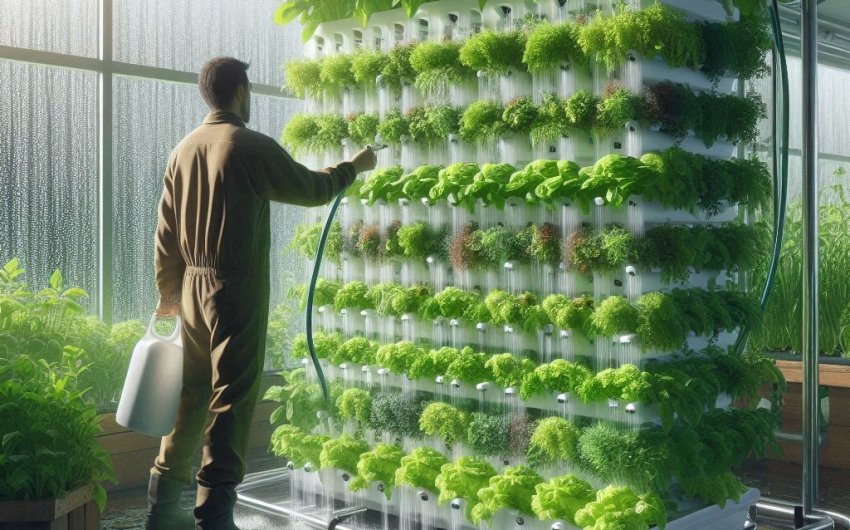
To start a hydroponic garden at home, begin by choosing a suitable system (like Deep Water Culture or Wick System) and a light source, then gather essential supplies such as nutrients, growing media, and pH testing kits. Successfully growing hydroponically involves careful monitoring of nutrient solution, pH, and light.
What is Hydroponics and Why Choose It?
Hydroponics is a method of growing plants without soil, using mineral nutrient solutions dissolved in water. Instead of soil, plants are supported by an inert medium (like rockwool or coco coir) or suspended directly in the nutrient-rich water. This innovative gardening technique offers numerous advantages that make it an attractive option for home growers.
How Hydroponics Works (The Basics)
In traditional soil gardening, plants get their water, nutrients, and oxygen from the soil. In hydroponics, these elements are delivered directly to the plant roots in a precisely controlled water solution.
- Nutrient Solution: All the essential minerals plants need are dissolved in water. This solution is carefully balanced for the specific plants being grown.
- Growing Medium: While soil is absent, a support medium (like rockwool, coco coir, clay pebbles, or perlite) is often used to anchor the plant and provide some aeration for the roots. Some systems suspend roots directly in water.
- Oxygen: Roots need oxygen to breathe. Hydroponic systems ensure roots get adequate oxygen, either by aerating the water or by providing a thin film of nutrient solution.
Why Choose to Start a Hydroponic Garden at Home?
- Faster Growth: Plants in hydroponic systems often grow 30-50% faster than those in soil. This is because roots have direct, easy access to water, nutrients, and oxygen, expending less energy searching for them.
- Higher Yields: Due to accelerated growth and optimal nutrient delivery, hydroponic systems can produce significantly higher yields from a smaller footprint.
- Water Conservation: Hydroponic systems are remarkably water-efficient, using up to 90% less water than traditional soil gardening. Water is recirculated and reused, minimizing waste.
- No Soil, No Soil Pests/Diseases: Eliminating soil removes many common soil-borne pests (like nematodes) and diseases (like fusarium wilt). This can lead to healthier plants with fewer issues.
- Less Space Required: Hydroponic systems can be compact and designed vertically, making them ideal for urban environments, apartments, or small homes with limited outdoor space.
- Year-Round Growing: Since hydroponics is an indoor method, you can grow plants year-round, regardless of external weather conditions.
- Precise Control: You have complete control over nutrient delivery, pH levels, and light, allowing for optimized growing conditions.
- Cleanliness: Hydroponic gardening is generally cleaner than soil-based gardening, with no dirt mess.
While starting a hydroponic garden at home requires an initial setup and a learning curve, its benefits in efficiency, yield, and sustainability make it a compelling choice for many aspiring gardeners.
What Are the Basic Hydroponic Systems for Beginners?
When you start a hydroponic garden at home, choosing the right system is your first big decision. For beginners, it's best to start with simpler, more forgiving systems before graduating to complex ones. Here are two excellent options:
1. Deep Water Culture (DWC)
- How it Works: In a DWC system, the plant roots are suspended directly in a reservoir of nutrient solution. An air stone and air pump continuously bubble air into the solution, providing essential oxygen to the roots.
- Components:
- Reservoir: A light-proof container (e.g., a plastic tote or bucket).
- Net Pots: Plastic mesh cups that hold the plant and growing medium (e.g., rockwool, hydroton). These sit in holes cut into the lid of the reservoir, allowing the roots to dangle into the solution.
- Air Pump: Powers the air stone.
- Air Stone and Air Tubing: Creates bubbles to oxygenate the water.
- Grow Lights (for indoor use): Provides necessary light for photosynthesis.
- Pros:
- Simple to Set Up: Very few moving parts, making it great for DIY projects.
- Low Maintenance: Once set up, it requires relatively little daily attention beyond checking nutrient levels and pH.
- Fast Growth: Excellent for leafy greens and herbs due to constant access to water and nutrients.
- Inexpensive: Can be built with readily available materials.
- Cons:
- Not Ideal for All Plants: Larger, long-lived, or heavy fruiting plants may struggle as they grow too big for the roots to breathe or consume nutrients too quickly.
- Nutrient Depletion: The nutrient solution in the reservoir needs to be replenished or completely changed regularly (e.g., weekly).
- Temperature Control: Reservoir water temperature needs to be monitored, as warm water holds less oxygen.
- Best for: Lettuce, spinach, kale, basil, mint, small herbs.
2. Wick System
- How it Works: This is the most basic passive hydroponic system. Plants are grown in a container filled with a growing medium. Wicks (typically made of nylon rope or felt) run from the bottom of the planting container down into a reservoir of nutrient solution. Capillary action draws the nutrient solution up the wicks to the plant roots.
- Components:
- Planting Container: A pot with drainage holes, filled with growing medium.
- Wicks: One or more wicks extending from the growing medium into the reservoir.
- Reservoir: A light-proof container positioned below the planting container.
- Growing Medium: Coco coir, perlite, or vermiculite are good choices for their wicking properties.
- Pros:
- Extremely Simple: No pumps, electricity, or moving parts needed.
- Very Low Maintenance: Just ensure the reservoir has solution.
- Inexpensive: Easy to set up using common household items.
- Great for Beginners: Very forgiving.
- Cons:
- Limited Aeration: Roots don't get as much oxygen as in active systems, so growth might be slower than DWC.
- Not for Heavy Feeders: Less effective for large, thirsty, or heavy-fruiting plants as nutrient delivery can be slower.
- Salt Buildup: Can sometimes lead to salt buildup in the growing medium over time.
- Best for: Herbs, lettuce, leafy greens, small ornamental plants.
Both DWC and Wick Systems are excellent entry points for beginners looking to start a hydroponic garden at home, allowing you to learn the fundamentals of nutrient solution management before tackling more complex setups. Many pre-made kits, like the Hydroponic Growing System Kit, are based on these principles.
What Supplies Do I Need for a Home Hydroponic Garden?
To successfully start a hydroponic garden at home, you'll need more than just a system. Gathering the right supplies, from nutrients to testing kits, ensures your plants receive everything they need to thrive in a soilless environment.
1. The Hydroponic System
- As discussed, choose either a Deep Water Culture (DWC) or Wick System kit (recommended for beginners) or assemble the components yourself.
- Ensure reservoirs are light-proof to prevent algae growth.
2. Grow Lights
Unless your hydroponic setup is in a location with abundant, consistent natural sunlight (which is rare indoors), you'll need artificial lighting.
- Type: Full-spectrum LED grow lights are the most energy-efficient and effective. Look for lights specifically designed for plant growth.
- Wattage/Intensity: This depends on the size of your garden and the light requirements of your plants. Leafy greens need less intense light than fruiting plants.
- Timer: A simple mechanical or digital timer is essential to automate your light cycles (e.g., 16 hours on, 8 hours off).
- Consider a Monios-L T8 LED Grow Light.
3. Hydroponic Nutrients
This is the "food" for your plants. You cannot use regular garden fertilizer.
- Formulation: Hydroponic nutrients come in powdered or liquid form, typically as a multi-part system (e.g., "Grow," "Bloom," and "Micro" formulas). This allows you to adjust nutrient ratios for different growth stages.
- Purity: Ensure they are specifically formulated for hydroponics, meaning they are water-soluble and contain all essential macro and micronutrients in the correct ratios.
- Source: Purchase from reputable hydroponic suppliers.
- Consider a General Hydroponics FloraGro, FloraBloom, FloraMicro nutrient system.
4. Growing Medium
This inert material supports the plants' roots.
- Rockwool: Common for seed starting and transplanting into systems. Holds water and air well.
- Hydroton (Clay Pebbles): Lightweight, porous, provides good aeration, and reusable.
- Coco Coir: Made from coconut husks, holds moisture well while providing good aeration.
- Perlite/Vermiculite: Lightweight, improves aeration and moisture retention.
- Net Pots: Small mesh pots to hold the growing medium and plant, allowing roots to grow into the solution.
5. pH Testing and Adjustment Kits
The pH (acidity/alkalinity) of your nutrient solution is critical because it dictates how well plants can absorb nutrients.
- pH Meter/Strips: A digital pH meter is most accurate; pH test strips are a less expensive alternative.
- pH Up/pH Down: Solutions (usually phosphoric acid for pH Down, potassium carbonate for pH Up) to adjust the pH of your nutrient solution.
- Consider a Hydroponics pH Tester Kit.
6. Air Pump and Air Stone (for DWC)
- Air Pump: Provides continuous airflow to the air stone.
- Air Stone: Creates fine bubbles in the nutrient solution to oxygenate the water, preventing root rot and ensuring healthy root respiration.
- Air Tubing: Connects the air pump to the air stone.
7. Optional but Recommended Supplies
- Nutrient Solution Measuring Tools: Measuring cups and syringes for precise nutrient mixing.
- Thermometer: To monitor nutrient solution temperature (ideally between 65-72°F / 18-22°C).
- Small Fan: For air circulation around plants, preventing stagnant air and promoting stronger stems.
- Pruning Shears/Scissors: For harvesting and maintenance.
Gathering these supplies systematically will put you on the right path to successfully start a hydroponic garden at home.
How Do I Prepare and Manage the Nutrient Solution?
Preparing and managing the nutrient solution is the most precise and critical aspect of starting a hydroponic garden at home. This water-based "food" is what directly sustains your plants, so getting it right is crucial for their health and your harvest.
1. Choose the Right Water Source
- Filtered Water: Tap water contains chlorine and varying mineral levels that can affect pH and nutrient balance. Using filtered water (e.g., from a carbon filter), reverse osmosis (RO) water, or distilled water provides a clean slate, giving you more control over the final nutrient solution.
- Dechlorinating Tap Water: If using tap water, let it sit out in an open container for 24-48 hours to allow chlorine to evaporate.
2. Mix the Hydroponic Nutrients Correctly
- Follow Directions Precisely: Always follow the mixing instructions on your specific hydroponic nutrient packaging. Different brands and formulations have unique ratios.
- Multi-Part Systems: Most hydroponic nutrients come in 2-part or 3-part formulas (e.g., "Grow," "Bloom," "Micro"). These are added separately to prevent nutrient lockout.
- Fill Reservoir: Add the required amount of water to your reservoir first.
- Add Each Part Individually: Add one part of the nutrient concentrate at a time (e.g., first "Micro," then "Grow," then "Bloom").
- Mix Thoroughly After Each Addition: Stir the solution well after adding each part to ensure it's fully dissolved before adding the next. This prevents nutrients from reacting with each other and falling out of solution.
- Targeted Strength: Start with a lower recommended strength for seedlings or sensitive plants, then gradually increase as plants mature and become heavy feeders.
3. Monitor and Adjust pH
- Importance of pH: The pH of your nutrient solution dictates how well plants can absorb specific nutrients. If the pH is too high or too low, nutrients become unavailable, leading to deficiencies. Most plants prefer a pH range of 5.5 to 6.5.
- Testing:
- Frequency: Test the pH daily or every other day, especially when you are new to hydroponics or when changing the solution.
- Method: Use a digital pH meter (most accurate) or pH test strips. Calibrate your digital pH meter regularly.
- Adjustment:
- pH Up/pH Down: Use specific pH Up (alkaline) or pH Down (acidic) solutions.
- Add Slowly: Add tiny amounts (e.g., 1 ml at a time) to the reservoir, stir thoroughly, and retest before adding more. A little goes a long way.
- Wait and Retest: After adding a pH adjuster, wait 15-30 minutes and retest to allow the solution to stabilize.
4. Manage Nutrient Solution Strength (EC/TDS)
- Electrical Conductivity (EC) / Total Dissolved Solids (TDS): These measurements indicate the total concentration of dissolved salts (nutrients) in your solution.
- EC Meter: An EC meter measures electrical conductivity.
- TDS Meter: A TDS meter measures Total Dissolved Solids (often in PPM - parts per million). There's a conversion factor, but EC is generally preferred by experienced growers.
- Monitoring: While not essential for beginners, an EC meter (or TDS) helps you precisely manage nutrient levels. As plants consume nutrients, the EC/TDS will drop. If it rises, it means plants are taking up water faster than nutrients, indicating the solution is too strong.
- Reference Charts: Use charts specific to your plant type and growth stage to aim for optimal EC/TDS levels.
5. Nutrient Solution Replenishment and Changes
- Topping Off: As plants consume water, the solution level will drop. You'll need to "top off" the reservoir regularly with fresh, pH-adjusted water (or a very diluted nutrient solution) to maintain the level.
- Full Solution Changes: Over time, nutrient ratios can become imbalanced, and organic matter can build up. It's generally recommended to completely drain and replace your nutrient solution every 1-2 weeks for DWC and other active systems. For Wick Systems, you might replace it less often, but still regularly.
By meticulously preparing and managing your nutrient solution, you provide your plants with the ideal "food" for rapid and healthy growth, mastering a key aspect of starting a hydroponic garden at home.
What Are the Best Plants to Start with in Hydroponics?
When you start a hydroponic garden at home, choosing the right plants is crucial for a positive first experience. Beginners should opt for plants that are fast-growing, relatively compact, and have lower nutrient demands. This allows you to learn the ropes without too much frustration.
Top Choices for Hydroponic Beginners
- Lettuce (Various Types):
- Why it's great: Fast-growing (harvest in 3-4 weeks), compact, and tolerant of various hydroponic conditions. Doesn't require complex nutrient formulas.
- Recommended Types: Loose-leaf varieties like 'Black Seed Simpson', 'Buttercrunch', 'Romaine', 'Salad Bowl'. Avoid heading varieties as they take longer and can be more prone to issues.
- System Suitability: Excellent for DWC, Wick System, NFT (Nutrient Film Technique).
- Spinach:
- Why it's great: Very fast growth, compact, and high yield in hydroponics.
- Recommended Types: 'Tyee', 'Bloomsdale Long Standing'.
- System Suitability: DWC, Wick System, NFT.
- Kale:
- Why it's great: Extremely productive, cut-and-come-again harvesting. Hardy and tolerant.
- Recommended Types: 'Dwarf Blue Curled Vates', 'Lacinato' (Dinosaur).
- System Suitability: DWC, Wick System, NFT.
- Basil:
- Why it's great: Grows incredibly fast and produces abundantly in hydroponics. One of the most satisfying herbs to grow.
- Recommended Types: 'Genovese', 'Sweet Basil'.
- System Suitability: DWC, Wick System, NFT.
- Mint:
- Why it's great: Vigorous and easy to grow. Can be quite invasive in soil, but perfectly contained in hydroponics.
- Recommended Types: 'Spearmint', 'Peppermint'.
- System Suitability: DWC, Wick System, NFT.
- Chives:
- Why it's great: Simple, upright growth, great for continuous harvest.
- Recommended Types: Common Chives.
- System Suitability: DWC, Wick System.
- Radishes:
- Why it's great: Very fast from seed to harvest (as little as 3 weeks). Satisfying for quick results.
- Recommended Types: 'Cherry Belle', 'French Breakfast'.
- System Suitability: DWC, Wick System, Ebb and Flow (requires enough medium for root bulb to form).
Plants to AVOID as a Beginner
- Large Root Vegetables (Carrots, Potatoes): Require specialized systems and larger growing media that are more complex.
- Large Fruiting Plants (Watermelon, Pumpkin): Need extensive support, very specific nutrient schedules, and large reservoirs.
- Slow-Growing Plants: Can test your patience and nutrient management skills for too long.
By sticking to these beginner-friendly plants, you can gain confidence in managing nutrient solutions, pH, and light cycles, setting yourself up for successful expansion as you continue to start a hydroponic garden at home.
How Do I Manage Light and Environment for Hydroponic Plants?
Managing light and the surrounding environment is crucial for maximizing plant growth when you start a hydroponic garden at home. Unlike soil gardening where nature dictates these factors, in hydroponics, you have precise control, and consistency is key.
1. Light Management (The Most Critical Factor After Nutrients)
- Why Light is Essential: Plants convert light energy into chemical energy through photosynthesis. Without adequate light (intensity, spectrum, duration), they simply won't grow.
- Type of Light:
- Full-Spectrum LED Grow Lights: This is the most efficient and recommended choice for home hydroponics. They provide the full spectrum of light plants need for all growth stages (vegetative and flowering/fruiting). They are energy-efficient and produce less heat than older grow lights.
- Natural Sunlight: If you have an exceptionally bright, sunny window that gets 6+ hours of direct sun, you might be able to grow some leafy greens. However, consistency is hard to achieve, especially in winter. Supplemental grow lights are almost always needed indoors.
- Light Duration (Photoperiod):
- Leafy Greens/Herbs: Typically need 14-18 hours of light per day.
- Fruiting Plants (Tomatoes, Peppers): May need 16-18 hours of light per day during vegetative growth, and sometimes a slightly shorter period during flowering/fruiting, depending on the species.
- Use a Timer: A simple plug-in timer is indispensable for ensuring consistent light cycles. Inconsistent light can stress plants.
- Light Intensity and Distance:
- Too Close: Can cause leaf burn or light stress (leaves may turn pale or yellow, edges curl).
- Too Far: Results in leggy, stretched-out growth as plants "reach" for light.
- Observation: Adjust the light height based on plant response. Most LEDs are placed 12-24 inches above the plant canopy, but this varies by light intensity.
- Consider a Monios-L T8 LED Grow Light for efficient growth.
2. Temperature and Humidity
- Optimal Temperature: Most hydroponic plants prefer air temperatures between 68-78°F (20-25°C).
- Nutrient Solution Temperature: Keep your nutrient solution temperature between 65-72°F (18-22°C). Too cold can slow growth; too warm holds less oxygen and encourages root rot/algae.
- Humidity:
- General Range: Aim for 40-60% relative humidity.
- High Humidity (Too Much): Can lead to fungal diseases (powdery mildew) and condensation issues.
- Low Humidity (Too Little): Can cause plants to transpire too quickly, leading to wilting or tip burn.
- Monitoring: Use a simple thermometer/hygrometer.
- Air Circulation:
- Importance: A small oscillating fan moving air around your plants is crucial. It strengthens stems, helps prevent stagnant air (reducing fungal risk), and aids in transpiration.
- Placement: Don't aim it directly at plants constantly; a gentle breeze is sufficient.
3. Cleanliness and Sanitation
- Prevent Algae: Keep your reservoir and nutrient solution light-proof to prevent algae growth. Algae competes with plants for nutrients and can clog systems.
- Sterilize Tools: Use clean tools when pruning or harvesting.
- Monitor for Pests: Even without soil, pests (aphids, spider mites) can appear. Regular inspection and early organic treatment (insecticidal soap, neem oil) are key.
By actively managing these environmental factors, you create the precise conditions necessary for your hydroponic plants to flourish, turning your effort to start a hydroponic garden at home into a consistent success.