
Growing Spinach Indoors Year-Round: A Step-by-Step Guide
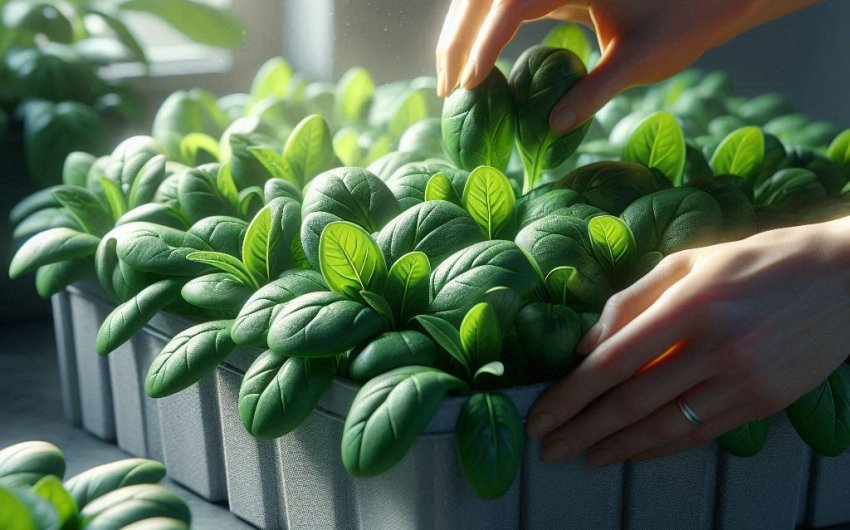
You can absolutely grow spinach indoors year-round, ensuring a fresh supply of this nutritious leafy green regardless of the season or climate. This guide will provide a comprehensive, step-by-step approach to successfully cultivating indoor spinach.
Why Should You Grow Spinach Indoors?
Growing spinach inside offers numerous benefits, making it an excellent choice for both experienced gardeners and beginners. It's a highly adaptable plant, perfect for compact spaces, and provides fresh produce at your fingertips.
What are the Benefits of Indoor Spinach Cultivation?
- Year-Round Harvests: The most significant advantage is the ability to harvest fresh spinach regardless of outdoor weather conditions. No more waiting for spring or dealing with summer heat that causes bolting.
- Pest and Disease Control: Indoor environments are generally free from common outdoor pests and diseases, reducing the need for pesticides.
- Space-Saving: Spinach is a compact plant, making it ideal for windowsills, kitchen counters, or small apartments. Vertical growing systems work wonderfully.
- Convenience: Fresh spinach is always available for salads, smoothies, or cooking, just steps away from your kitchen.
- Cost Savings: Over time, growing your own produce can significantly cut down on grocery bills.
- No Weeding: Forget about pesky weeds competing with your crops! Indoor growing eliminates this chore entirely.
- Gardening Therapy: Tending to indoor plants can be a relaxing and rewarding hobby, bringing a touch of nature indoors.
What Varieties of Spinach are Best for Indoor Growing?
Choosing the right spinach variety is crucial for indoor success. Some types are more tolerant of lower light conditions and less prone to bolting (going to seed) prematurely when grown inside.
What are the Top Spinach Varieties for Containers?
Not all spinach varieties are created equal for indoor cultivation. Look for types that are known for their compact growth and slower bolting tendencies.
- Bloomsdale Long Standing: This is a popular heirloom variety known for its crinkled, dark green leaves and excellent flavor. It's more resistant to bolting than many other varieties, making it a good choice for continuous harvesting.
- Tyee: Tyee spinach is a modern hybrid that produces thick, upright leaves. It's known for its heat tolerance and slow bolting, which are desirable traits for indoor environments where temperatures can fluctuate.
- Space: As its name suggests, 'Space' is a compact variety with smooth, dark green leaves. It's fast-growing and performs well in containers, offering a quick turnaround from seed to harvest.
- Giant Noble: This variety produces large, smooth leaves and is relatively easy to grow. While it can get quite large, it's still manageable in larger indoor pots.
- Baby Leaf Varieties: Many seed companies offer specific "baby leaf" spinach blends. These varieties are bred for quick growth and tenderness when harvested young, perfect for continuous small harvests for salads.
When selecting seeds, check the packaging for notes on container suitability, heat tolerance, and days to maturity. Opting for organic seeds is also a great idea for a truly chemical-free harvest. You can find a wide range of spinach seeds online.
What Supplies Do You Need to Start Growing Indoor Spinach?
Having all your supplies ready before you begin will make the indoor spinach growing process smooth and enjoyable. Most items are readily available at garden centers or online.
Essential Materials for Your Indoor Spinach Garden
Here’s a breakdown of what you'll need:
- Spinach Seeds: Choose one of the recommended indoor varieties.
- Containers:
- Drainage is key! Spinach hates soggy feet.
- Pots should be at least 6-8 inches deep and wide to allow for root development.
- Terracotta pots are good as they allow for air circulation, but plastic pots also work well.
- Consider fabric grow bags for excellent drainage and aeration.
- You can also use shallow trays if you plan to harvest baby spinach.
- Potting Mix:
- Use a high-quality, sterile potting mix specifically designed for containers.
- It should be well-draining yet retain some moisture. Avoid garden soil, which can compact and introduce pests.
- Look for mixes that include perlite or vermiculite for improved drainage and aeration.
- Light Source:
- Bright, indirect sunlight is ideal. A south-facing window is usually best.
- If natural light is insufficient (especially in winter or in less sunny rooms), you'll need a grow light. Full-spectrum LED grow lights are energy-efficient and effective.
- Watering Can or Spray Bottle: For gentle watering to avoid disturbing delicate seedlings.
- Nutrient Solution (Optional but Recommended):
- A balanced, all-purpose liquid fertilizer designed for leafy greens.
- Organic options like fish emulsion or seaweed extract are excellent choices.
- You can find various liquid plant fertilizers suitable for indoor use.
- Small Trowel or Spoon: For handling potting mix and seedlings.
- Seed-Starting Tray (Optional): If you prefer to sprout seeds before transplanting.
How Do You Plant Spinach Seeds Indoors?
Planting spinach seeds indoors is a straightforward process. The key is to provide the right conditions for germination and early growth.
Step-by-Step Planting Guide
- Prepare Your Containers:
- Ensure your chosen containers are clean. If reusing, wash them thoroughly with soapy water and rinse.
- Fill containers with your high-quality potting mix, leaving about 1 inch of space from the rim. Gently pat down the soil, but don't compact it too much.
- Sow the Seeds:
- Spinach seeds are relatively small. You can either sprinkle them evenly across the surface of the soil if you're aiming for a "cut-and-come-again" baby leaf harvest, or space them out if you want larger individual plants.
- For larger plants, sow seeds about 1 inch apart. You can thin them later.
- Cover the seeds with about 1/2 inch of potting mix.
- Water Gently:
- After covering the seeds, water the soil thoroughly but gently. A spray bottle works well to avoid disturbing the seeds.
- The goal is to moisten the soil completely without washing the seeds away.
- Provide Warmth for Germination:
- Spinach seeds germinate best in cooler temperatures, ideally between 50-70°F (10-21°C).
- Place your containers in a spot that maintains this temperature. A north-facing windowsill or a cooler room might be perfect.
- You can cover the pots with plastic wrap or a clear dome to help retain moisture, but remove it as soon as sprouts appear to prevent fungal issues.
- Be Patient:
- Spinach seeds typically germinate within 5-14 days.
- Keep the soil consistently moist during this period. Do not let it dry out.
What are the Ideal Conditions for Growing Spinach Indoors?
Once your spinach seeds have germinated, providing the right environmental conditions is crucial for strong, healthy growth and continuous harvests. Indoor spinach thrives on consistency.
Light Requirements for Indoor Spinach
- Plenty of Light: Spinach needs at least 12-14 hours of light per day for optimal growth.
- Natural Light: Place your pots in the brightest window available, ideally a south-facing one that receives direct sunlight for several hours.
- Supplemental Lighting: If natural light is limited (common in winter or in homes with less sunny windows), a grow light is essential.
- Position the grow light 4-6 inches above the seedlings to prevent them from becoming leggy (stretching towards the light).
- Use a timer to ensure consistent light cycles.
Temperature and Humidity
- Cooler Temperatures are Best: Spinach prefers cooler temperatures, ideally between 50-70°F (10-21°C).
- Temperatures consistently above 75°F (24°C) can cause spinach to "bolt" or go to seed prematurely, making the leaves bitter.
- Find the coolest spot in your home that still offers good light.
- Moderate Humidity: Spinach tolerates typical household humidity levels. Extremely dry air might cause edges to crisp, but generally, no special humidity measures are needed.
Watering Indoor Spinach
- Consistent Moisture: Spinach needs consistently moist, but not soggy, soil.
- Check Daily: Check the soil moisture daily by sticking your finger about an inch into the potting mix. If it feels dry, it's time to water.
- Bottom Watering: Placing your pots in a tray of water for 15-20 minutes allows the plants to absorb water from the bottom up, encouraging stronger root growth and preventing soil compaction. Remove excess water from the tray.
- Avoid Overwatering: Overwatering is a common killer of indoor plants. Ensure your pots have excellent drainage holes. Signs of overwatering include yellowing leaves and a musty smell from the soil.
Fertilizing Your Indoor Spinach Plants
- Nutrient Needs: While potting mix usually contains some nutrients, spinach is a hungry leafy green and will benefit from regular feeding.
- Start After a Few Weeks: Begin fertilizing when your spinach plants have developed 2-3 true leaves (usually 2-3 weeks after germination).
- Choose a Balanced Liquid Fertilizer: Use a balanced, all-purpose liquid fertilizer with a slightly higher nitrogen content (the first number in the NPK ratio, e.g., 5-1-1 or 2-1-1) to promote leafy growth.
- Dilute as Directed: Always dilute the fertilizer to half or quarter strength, especially for young plants.
- Frequency: Fertilize every 2-4 weeks during the growing season, or as directed by the product label. Reduce frequency if leaves start to look overly dark green and somewhat brittle. Organic options like diluted fish emulsion or seaweed extract are gentle and effective.
How Do You Care for and Maintain Indoor Spinach?
Ongoing care is essential for a thriving indoor spinach garden. Regular attention to these details will ensure a continuous supply of fresh greens.
Thinning Your Spinach Plants
- Why Thin? Thinning prevents overcrowding, which can lead to stunted growth and increased risk of fungal diseases due to poor air circulation. It also ensures each plant has enough space and nutrients.
- When to Thin: Once your seedlings have developed their first set of true leaves (the leaves that appear after the initial cotyledons or seed leaves), it's time to thin.
- How to Thin:
- For larger spinach plants, thin seedlings to about 3-6 inches apart. You can use small scissors to snip off weaker seedlings at the soil line, or gently pull them out.
- For "baby leaf" spinach, thin to about 1-2 inches apart. The thinned seedlings are edible and make a great addition to a small salad!
Pruning and Harvesting Techniques
- Harvesting "Cut-and-Come-Again": This method allows for continuous harvests.
- Wait until the outer leaves are at least 4-6 inches long.
- Using clean scissors or your fingers, snip or pick the outer, larger leaves, leaving the inner, smaller leaves to continue growing.
- Always leave at least 3-4 central leaves to allow the plant to photosynthesize and regrow.
- Harvest every 1-2 weeks once plants are mature enough.
- Harvesting Whole Plants: If you prefer larger spinach leaves or want to start a new batch, you can harvest the entire plant by cutting it at the base. This method is common for varieties like 'Giant Noble'.
- When to Harvest: Spinach is typically ready for its first harvest in 30-45 days from seeding, depending on the variety and conditions.
Monitoring for Pests and Diseases
Indoor environments generally mean fewer pest problems, but it's still good to be vigilant.
- Common Indoor Pests:
- Aphids: Small, pear-shaped insects often found on new growth.
- Spider Mites: Tiny, almost invisible pests that cause stippling (tiny dots) on leaves and fine webbing.
- Fungus Gnats: Small, dark flies that hover around the soil, usually a sign of overwatering.
- Prevention and Treatment:
- Inspect Regularly: Check the undersides of leaves and stems every few days.
- Good Airflow: Ensure good air circulation around your plants to deter fungal issues.
- Wipe Leaves: For small infestations, wipe leaves with a damp cloth or spray with a strong stream of water.
- Neem Oil: A diluted neem oil solution is an effective organic pest control for most indoor pests. Always follow product instructions.
- Sticky Traps: Yellow sticky traps can help monitor and reduce flying pests like fungus gnats.
- Disease Prevention:
- Avoid Overwatering: This is the primary cause of root rot and other fungal diseases.
- Sterile Potting Mix: Always use fresh, sterile potting mix to avoid introducing soil-borne pathogens.
- Good Air Circulation: Helps prevent powdery mildew and other fungal diseases.
How Can You Ensure Continuous Harvests of Indoor Spinach?
The goal of growing spinach indoors year-round is a steady supply. This requires a strategy of successive planting.
Implementing Successive Planting
- Staggered Planting: To ensure you always have fresh spinach ready for harvest, plant new batches of seeds every 2-3 weeks.
- Use Multiple Containers: Dedicate several pots or trays to spinach cultivation. As one batch matures and is harvested, a new batch will be growing to take its place.
- Harvest and Replant: Once a plant starts to look tired, or if it begins to bolt despite your best efforts, harvest all remaining good leaves and compost the plant. Then, immediately clean the container and replant new seeds.
- Monitor Plant Health: Healthy, vigorously growing plants will produce more leaves. Pay attention to yellowing or stunted growth as signs that a plant might be at the end of its productive life.
Preventing Bolting (Going to Seed)
Bolting is when the spinach plant prematurely sends up a flower stalk and produces seeds. This makes the leaves bitter and less palatable.
- Maintain Cool Temperatures: This is the most critical factor. Keep your indoor temperature between 50-70°F (10-21°C). Move plants to cooler rooms if heat is an issue.
- Consistent Watering: Irregular watering can stress plants and trigger bolting. Ensure consistent moisture.
- Adequate Light (But Not Too Much Heat from Light): While light is essential, some grow lights can emit heat. Ensure proper distance from the light source.
- Choose Bolt-Resistant Varieties: As mentioned, varieties like 'Bloomsdale Long Standing' and 'Tyee' are less prone to bolting.
- Harvest Regularly: Continuous harvesting of outer leaves encourages the plant to produce more foliage rather than focusing on seed production.
Troubleshooting Common Indoor Spinach Problems
Even with the best intentions, you might encounter issues when growing spinach indoors. Here are some common problems and their solutions.
Why are My Spinach Leaves Yellowing?
Yellowing leaves can indicate several issues:
- Overwatering: This is the most common cause. If the soil is constantly soggy, roots can't breathe, leading to root rot.
- Solution: Reduce watering frequency. Ensure proper drainage holes in your pots. Let the top inch of soil dry out before watering again.
- Nutrient Deficiency: Especially nitrogen deficiency, as spinach is a heavy feeder of nitrogen for lush green leaves.
- Solution: Apply a balanced liquid fertilizer with a good nitrogen content (e.g., higher first number in NPK ratio).
- Insufficient Light: Plants not getting enough light can also show signs of stress, including yellowing.
- Solution: Move to a brighter window or provide supplemental grow lights.
- Aging Leaves: Older, outer leaves naturally yellow and die off as the plant matures.
- Solution: This is normal. Harvest or remove these leaves.
Why is My Spinach Bolting (Going to Seed)?
As discussed, bolting makes spinach bitter.
- High Temperatures: The most common culprit.
- Solution: Move plants to a cooler location. If ambient room temperature is consistently above 75°F (24°C), you may struggle.
- Irregular Watering:
- Solution: Maintain consistent soil moisture.
- Stress: Any significant stress can trigger bolting.
- Solution: Ensure all environmental conditions (light, water, nutrients) are optimal.
- Too Much Light (Sometimes): While uncommon, excessive heat from certain types of grow lights can mimic high temperatures.
- Solution: Check the distance from your grow light and adjust if leaves seem scorched or too warm.
Why are My Spinach Plants Stunted or Slow Growing?
- Insufficient Light: Lack of adequate light will lead to slow, leggy growth.
- Solution: Provide more light – brighter window or grow lights for at least 12-14 hours daily.
- Nutrient Deficiency: If your plants aren't getting enough food.
- Solution: Fertilize regularly with a balanced liquid feed.
- Overcrowding: Too many plants in one pot competing for resources.
- Solution: Thin your seedlings to the recommended spacing.
- Poor Soil: Compacted or nutrient-deficient potting mix.
- Solution: Use a fresh, high-quality, well-draining potting mix.
- Temperature Extremes: Too cold or too hot can slow growth.
- Solution: Maintain the ideal temperature range of 50-70°F (10-21°C).
What If I See Pests on My Indoor Spinach?
- Identify the Pest: First, accurately identify what kind of pest you're dealing with (aphids, spider mites, fungus gnats).
- Initial Action: For small infestations, try washing them off with a strong spray of water from a sink sprayer. Wipe down leaves with a damp cloth.
- Organic Solutions:
- Neem Oil: A versatile organic pesticide. Dilute according to instructions and spray plants thoroughly, including undersides of leaves. Repeat as needed. You can find organic neem oil for plants.
- Insecticidal Soap: Another effective option for soft-bodied pests like aphids.
- Yellow Sticky Traps: Great for capturing flying pests like fungus gnats.
- Prevention: Good airflow, avoiding overwatering (for fungus gnats), and regular inspection are your best defenses.
By understanding these common challenges and knowing how to address them, you'll be well-equipped to maintain a healthy and productive indoor spinach garden.
Can You Grow Spinach in a Hydroponic or Aeroponic System Indoors?
Yes, spinach thrives in soilless growing systems like hydroponics and aeroponics, often yielding faster growth and higher yields compared to traditional soil methods. These systems provide precise control over nutrients and water, making them ideal for growing spinach indoors year-round.
Hydroponic Systems for Spinach
Hydroponics involves growing plants in nutrient-rich water solutions without soil.
- Advantages for Spinach:
- Faster Growth: Roots have direct access to nutrients, accelerating growth.
- Water Efficiency: Uses significantly less water than soil gardening.
- Cleanliness: No soil, which means no mess or soil-borne pests.
- Higher Yields: Can often produce more per square foot.
- Popular Hydroponic Systems for Spinach:
- Deep Water Culture (DWC): Simple system where roots are submerged in a nutrient solution, with an air stone providing oxygen. Good for beginners.
- Nutrient Film Technique (NFT): A shallow stream of nutrient solution flows over the roots. Requires more technical setup but is very efficient.
- Wick System: Passive system using a wick to draw nutrient solution up to the growing media. Less active but effective for spinach.
- Ebb and Flow (Flood and Drain): The growing tray is periodically flooded with nutrient solution, then drained.
- Supplies Needed for Hydroponics:
- Hydroponic Nutrient Solution: Specifically formulated for leafy greens.
- Growing Media: Rockwool, coco coir, or clay pebbles (hydroton) are common.
- Reservoir: To hold the nutrient solution.
- Water Pump: To circulate solution (for active systems).
- Air Pump and Air Stone: To oxygenate the solution in DWC systems.
- Net Pots: To hold plants in the system.
- pH testing kit or pH meter: Essential for monitoring and adjusting the solution's pH (spinach prefers pH 6.0-7.0).
Aeroponic Systems for Spinach
Aeroponics is an advanced form of hydroponics where roots are suspended in the air and misted with nutrient solution.
- Advantages for Spinach:
- Extremely Fast Growth: Roots get maximum oxygen exposure.
- Minimal Water Usage: Highly efficient.
- Compact: Often used in vertical tower systems.
- Considerations: Aeroponic systems are generally more complex and expensive to set up and maintain, but they offer impressive results for those willing to invest.
What are the Nutritional Benefits of Fresh Indoor Spinach?
Growing spinach indoors isn't just a fun hobby; it provides a continuous source of highly nutritious leafy greens. Knowing the health benefits can add to the satisfaction of your fresh harvests.
The Powerhouse of Nutrition in Every Leaf
Spinach is celebrated as a superfood, packed with vitamins, minerals, and antioxidants. Harvesting it fresh from your indoor garden ensures maximum nutrient content.
- Rich in Vitamins:
- Vitamin K: Crucial for blood clotting and bone health. Spinach is one of the best dietary sources.
- Vitamin A: Important for vision, immune function, and skin health.
- Vitamin C: A powerful antioxidant that supports the immune system and skin.
- Folate (Vitamin B9): Essential for cell function and tissue growth, particularly important during pregnancy.
- Abundant in Minerals:
- Iron: Key for oxygen transport in the blood. While plant-based iron (non-heme) is less readily absorbed than animal iron, consuming spinach with Vitamin C (e.g., a squeeze of lemon) can significantly boost absorption.
- Magnesium: Involved in hundreds of bodily reactions, including muscle and nerve function, blood sugar control, and blood pressure regulation.
- Manganese: Important for bone health, metabolism, and antioxidant defense.
- Potassium: Helps regulate blood pressure and fluid balance.
- Antioxidants and Phytonutrients:
- Spinach contains powerful antioxidants like lutein and zeaxanthin, which are beneficial for eye health, protecting against age-related macular degeneration.
- It also contains flavonoids and carotenoids that combat oxidative stress and inflammation.
- Dietary Fiber: Promotes digestive health, helps regulate blood sugar, and contributes to feelings of fullness.
- Low in Calories: Spinach is incredibly low in calories, making it a fantastic addition to any diet for weight management.
By growing spinach indoors year-round, you're not just cultivating a plant; you're nurturing a continuous supply of vital nutrients for yourself and your family. Enjoy the satisfaction of fresh, healthy greens whenever you desire!