
Best Low-Maintenance Houseplants for Busy People
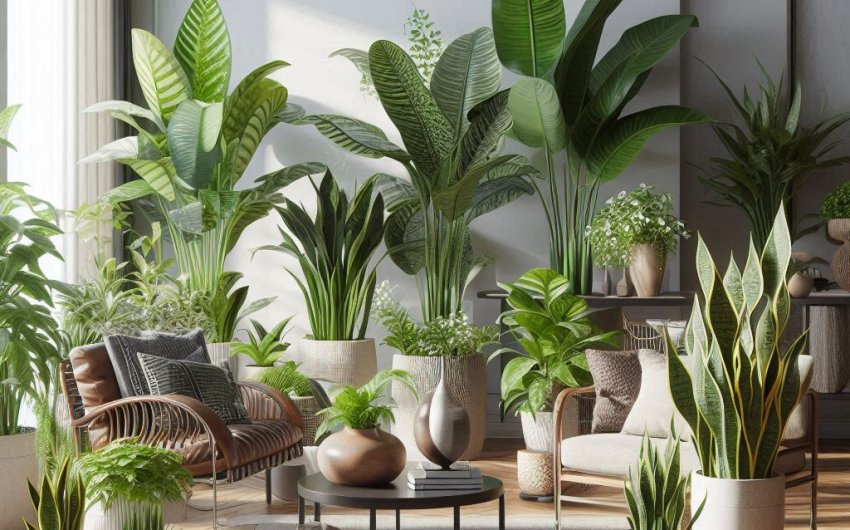
If you're a plant lover but don’t have the time to dedicate hours to watering, feeding, and pruning, low-maintenance houseplants are a fantastic solution. These resilient plants are not only easy to care for but also add greenery and fresh energy to any room. From air-purifying wonders to almost indestructible greens, there are plenty of options for busy plant parents.
Here’s a list of the best low-maintenance houseplants, with tips on keeping them happy without much effort.
1. Snake Plant (Sansevieria)
The snake plant, also known as Mother-in-Law's Tongue, is one of the toughest houseplants around. With its unique, upright leaves, the snake plant is nearly indestructible and can adapt to almost any lighting condition.
Care Requirements
- Light: Snake plants tolerate low to bright, indirect light.
- Water: Water sparingly. Let the soil dry completely between waterings.
- Humidity: They thrive in normal indoor humidity levels.
- Fertilizer: Use a balanced liquid fertilizer once every few months during spring and summer.
Snake plants are known to purify the air by absorbing toxins and releasing oxygen at night, making them a great choice for bedrooms.
2. ZZ Plant (Zamioculcas zamiifolia)
The ZZ plant is a resilient beauty with shiny, thick leaves that store water, meaning it can go weeks without needing any attention. It’s perfect for low-light rooms and even survives with neglect.
Care Requirements
- Light: Low to moderate, indirect light.
- Water: Water once the soil is completely dry. Overwatering can cause root rot.
- Humidity: Normal indoor humidity levels work fine.
- Fertilizer: Use a slow-release fertilizer once every six months.
The ZZ plant is highly tolerant of a wide range of conditions, making it one of the best options for beginners.
3. Pothos (Epipremnum aureum)
The pothos plant, sometimes called Devil’s Ivy, is known for its cascading vines and heart-shaped leaves. It grows well in low-light conditions and is ideal for hanging baskets or shelf displays.
Care Requirements
- Light: Low to bright, indirect light.
- Water: Water every 1-2 weeks, allowing the soil to dry out between waterings.
- Humidity: Enjoys a bit more humidity but tolerates normal levels.
- Fertilizer: Use a liquid fertilizer once a month in spring and summer.
Pothos is a natural air purifier and removes toxins like formaldehyde and xylene from the air, making it a great addition to any room.
4. Spider Plant (Chlorophytum comosum)
The spider plant is a popular choice for its unique, arching leaves and the little "babies" it produces, which can be propagated easily. It’s a hardy plant that tolerates neglect and thrives in a variety of conditions.
Care Requirements
- Light: Prefers moderate to bright, indirect light.
- Water: Water when the top inch of soil feels dry.
- Humidity: Tolerates low humidity but thrives with a bit more.
- Fertilizer: Feed with a general-purpose fertilizer monthly during the growing season.
Spider plants are non-toxic to pets and excellent air purifiers, removing pollutants like carbon monoxide and formaldehyde from indoor air.
5. Peace Lily (Spathiphyllum)
Peace lilies are beautiful and elegant, with white blooms that brighten up any room. These plants are relatively easy to care for and thrive in lower light, making them ideal for indoor spaces.
Care Requirements
- Light: Low to moderate, indirect light.
- Water: Water once a week, but let the soil dry out slightly between waterings.
- Humidity: Prefers higher humidity; consider misting occasionally.
- Fertilizer: Use a liquid fertilizer for flowering plants every two months.
Peace lilies are known to purify the air by removing common toxins like benzene and ammonia.
6. Aloe Vera
The aloe vera plant is both attractive and useful, with its medicinal gel that can soothe skin irritations. This succulent is one of the easiest plants to care for, thriving on minimal watering and plenty of light.
Care Requirements
- Light: Bright, indirect light; can tolerate some direct sunlight.
- Water: Water deeply but infrequently; let the soil dry completely between waterings.
- Humidity: Does well in dry air.
- Fertilizer: Feed with a cactus fertilizer once or twice a year.
Aloe vera plants are an excellent addition to sunny windowsills and require very little maintenance.
7. Rubber Plant (Ficus elastica)
The rubber plant is a striking plant with glossy, dark green leaves. It’s low-maintenance and can grow quite large if given the space, making it an attractive focal point in any room.
Care Requirements
- Light: Prefers bright, indirect light but can tolerate low light.
- Water: Water when the top inch of soil feels dry.
- Humidity: Does well in normal humidity but benefits from occasional misting.
- Fertilizer: Feed with a general-purpose houseplant fertilizer every few months.
Rubber plants are hardy and can adapt to different light conditions, making them perfect for busy homes.
8. Cast Iron Plant (Aspidistra elatior)
The cast iron plant lives up to its name—it’s nearly indestructible and can thrive on minimal care. With its lush, dark green leaves, it’s a wonderful addition to low-light areas.
Care Requirements
- Light: Tolerates low to moderate light; avoid direct sunlight.
- Water: Water once the soil is dry to the touch.
- Humidity: Normal indoor humidity is fine.
- Fertilizer: Use a balanced fertilizer once a month during the growing season.
The cast iron plant is one of the easiest plants to care for and perfect for rooms with limited natural light.
9. Chinese Evergreen (Aglaonema)
The Chinese evergreen is known for its colorful foliage and tolerance to low light. This plant requires minimal care and can thrive even in darker corners of your home.
Care Requirements
- Light: Tolerates low to moderate light.
- Water: Water every 1-2 weeks, allowing the soil to dry between waterings.
- Humidity: Thrives in average to slightly higher humidity.
- Fertilizer: Feed with a houseplant fertilizer once every two months.
Chinese evergreens are perfect for people who want a splash of color without the hassle of high maintenance.
10. Philodendron
Philodendrons are a classic choice for houseplant lovers. With trailing vines and heart-shaped leaves, they bring a touch of the tropics to any room. These plants adapt well to various indoor conditions.
Care Requirements
- Light: Low to bright, indirect light.
- Water: Water when the top inch of soil is dry.
- Humidity: Normal indoor humidity works well.
- Fertilizer: Use a general-purpose fertilizer once a month during the growing season.
Philodendrons are adaptable, easy to care for, and look great in hanging baskets or on shelves.
11. Jade Plant (Crassula ovata)
The jade plant is a succulent known for its thick, fleshy leaves that store water. This hardy plant is slow-growing and requires minimal care, making it ideal for beginners.
Care Requirements
- Light: Prefers bright, indirect light; can tolerate some direct sun.
- Water: Water sparingly and let the soil dry out between waterings.
- Humidity: Low humidity is ideal.
- Fertilizer: Use a cactus fertilizer once or twice a year.
Jade plants are a great choice for anyone looking for a long-lasting, low-maintenance plant with a unique appearance.
12. Dracaena
The dracaena is a versatile plant with long, slender leaves that come in various colors and patterns. It tolerates low light and minimal watering, making it ideal for busy individuals.
Care Requirements
- Light: Low to moderate, indirect light.
- Water: Water every 2-3 weeks, allowing the soil to dry out between waterings.
- Humidity: Does well in average indoor humidity.
- Fertilizer: Use a liquid fertilizer every two months during the growing season.
Dracaenas are adaptable and visually appealing, with many different varieties to choose from.
13. Fiddle Leaf Fig (Ficus lyrata)
The fiddle leaf fig has large, attractive leaves that make it a popular choice for interior decor. Although it prefers bright light, it’s fairly low-maintenance and can adapt to lower light levels if necessary.
Care Requirements
- Light: Prefers bright, indirect light.
- Water: Water when the top inch of soil feels dry.
- Humidity: Normal indoor humidity is fine.
- Fertilizer: Feed with a balanced fertilizer every month during the growing season.
Fiddle leaf figs are an elegant choice for anyone looking to make a statement with a low-maintenance plant.
14. Parlor Palm (Chamaedorea elegans)
The parlor palm is an elegant plant with feathery fronds. It’s easy to care for and adds a touch of tropical beauty to any space.
Care Requirements
- Light: Low to moderate light; avoid direct sunlight.
- Water: Water when the top inch of soil is dry.
- Humidity: Prefers higher humidity but tolerates normal levels.
- Fertilizer: Use a palm fertilizer every few months.
Parlor palms are non-toxic to pets and a perfect choice for adding lush greenery to your home.
15. Boston Fern (Nephrolepis exaltata)
Boston ferns are lush and beautiful plants that add texture to indoor spaces. They’re easy to care for as long as their humidity needs are met.
Care Requirements
- Light: Indirect light; avoid direct sunlight.
- Water: Keep the soil consistently moist but not soggy.
- Humidity: High humidity is ideal; consider misting regularly.
- Fertilizer: Feed with a liquid fertilizer once a month during the growing season.
Boston ferns add a classic touch to any home and are excellent for hanging baskets or decorative planters.
16. Monstera Deliciosa
The monstera plant, known for its split leaves, brings a tropical vibe to any room. Although it can grow quite large, this plant is surprisingly low-maintenance.
Care Requirements
- Light: Prefers bright, indirect light.
- Water: Water when the top inch of soil is dry.
- Humidity: Normal to high humidity is ideal.
- Fertilizer: Use a general-purpose fertilizer every month in the growing season.
Monsteras are adaptable and can thrive with minimal care, making them perfect for plant lovers who want big, bold foliage with little effort.
These low-maintenance houseplants are perfect for busy people who still want the beauty and benefits of indoor greenery without the fuss. With just a bit of attention and the right conditions, these resilient plants can flourish in any home, adding beauty and fresh air effortlessly.