
Hydrangea Care in Pots: A Complete Guide
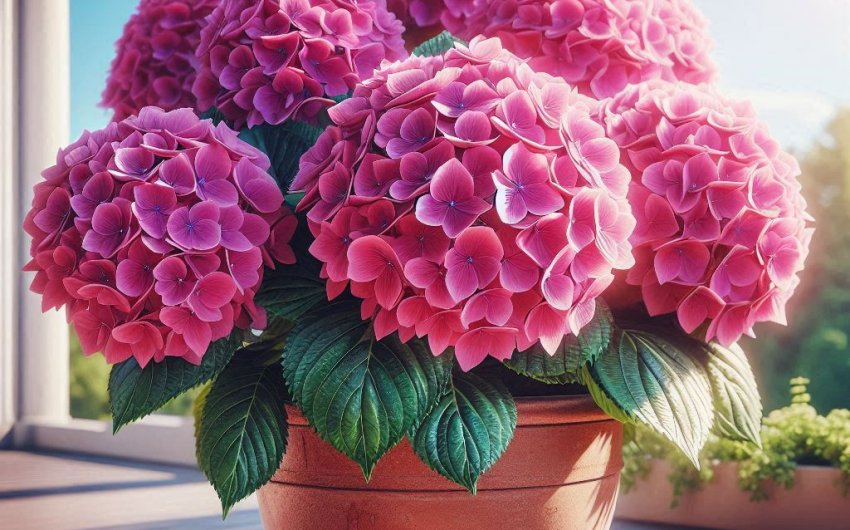
Hydrangeas are stunning flowering plants known for their beautiful clusters of blooms, which come in a variety of colors like pink, blue, purple, and white. Growing hydrangeas in pots is an excellent option for those who have limited garden space or prefer the flexibility of moving their plants around. Potted hydrangeas are versatile and can thrive on balconies, patios, or even indoors near a bright window.
This complete guide covers all the essentials of caring for hydrangeas in pots, from choosing the right container to watering, fertilizing, and troubleshooting common issues. With the right care, your potted hydrangea can grow healthy and produce gorgeous blooms year after year.
Choosing the Right Pot for Your Hydrangea
Selecting the right pot is an important first step in growing hydrangeas successfully. A proper pot will provide adequate space for root growth and proper drainage, ensuring the plant stays healthy.
Size Matters
Hydrangeas have a relatively large root system, so choose a large pot with enough space for growth. A pot that is at least 18-24 inches in diameter is recommended for mature hydrangeas. Larger pots provide more room for roots to spread out and can help retain moisture, which is essential for hydrangeas.
Drainage is Key
Good drainage is essential to prevent root rot, a common issue with potted plants. Make sure your pot has drainage holes at the bottom. You can add a drainage tray underneath to catch excess water and protect your surfaces.
Material Choices
The material of the pot can also impact the health of your hydrangea. Here are some common options:
- Terracotta pots: These are classic and breathable but tend to dry out faster.
- Ceramic pots: Attractive and good at retaining moisture but can be heavy.
- Plastic pots: Lightweight, affordable, and retain moisture well, but they may not be as breathable.
Selecting the Right Soil for Hydrangeas
Choosing the right soil is crucial for potted hydrangeas, as it directly affects their ability to absorb water and nutrients.
Best Type of Soil
Hydrangeas prefer well-draining, rich soil that holds moisture without becoming soggy. A high-quality potting mix formulated for acid-loving plants is ideal. Avoid using garden soil alone, as it may compact in pots and restrict root growth.
Adding Organic Matter
Incorporating organic matter, like compost or peat moss, can improve soil structure and retain moisture. These organic additions provide essential nutrients and create an environment that helps hydrangeas thrive.
Adjusting Soil pH for Color Control
Did you know that the color of hydrangea blooms can be influenced by soil pH? For many varieties, acidic soil (pH below 6) produces blue flowers, while alkaline soil (pH above 7) turns blooms pink. Use a pH meter to check the pH of your soil. To make the soil more acidic, add sulfur or aluminum sulfate; for more alkaline soil, add lime.
Proper Watering for Potted Hydrangeas
Hydrangeas are known for their love of water, but potted hydrangeas require a balanced approach to watering.
How Often to Water
Check the soil moisture level regularly, especially during hot weather. Water your potted hydrangea whenever the top 1-2 inches of soil feel dry. In general, this means watering once or twice a week, but this can vary depending on climate and the pot size. Using a moisture meter can help you determine when the plant needs water.
Watering Tips
- Use a watering can with a narrow spout to water directly at the base of the plant to prevent wetting the leaves, which can lead to fungal diseases.
- Water deeply until you see water draining out of the pot to ensure that the entire root ball is moist.
- During winter, reduce watering, as hydrangeas need less moisture when dormant.
Providing the Right Amount of Light
Light is essential for the health of any plant, and potted hydrangeas are no exception.
Ideal Light Conditions
Hydrangeas thrive in bright, indirect light. Too much direct sunlight, especially during the hottest part of the day, can scorch their delicate leaves. Place your potted hydrangea in a spot where it receives morning sunlight and afternoon shade. If you’re growing them indoors, a grow light can be a great supplement to natural light.
Light Requirements by Variety
Different varieties of hydrangeas have varying light needs:
- Mophead Hydrangeas: Prefer partial shade.
- Panicle Hydrangeas: Can tolerate more sun.
- Smooth Hydrangeas: Prefer full to partial shade.
Know your hydrangea variety to determine the best light conditions.
Fertilizing Your Potted Hydrangea
Proper fertilization promotes healthy growth and vibrant blooms for hydrangeas.
Choosing the Right Fertilizer
For hydrangeas in pots, use a slow-release fertilizer specifically formulated for flowering plants. A balanced formula like 10-10-10 (Nitrogen-Phosphorus-Potassium) is suitable for most varieties.
How Often to Fertilize
Feed your potted hydrangea in early spring as it starts to grow. Apply a second dose in early summer for an extra boost. Avoid fertilizing after August, as late feeding can encourage new growth that may not harden off before winter.
Organic Fertilizing Options
If you prefer organic options, compost tea or fish emulsion can provide gentle nourishment without chemical additives.
Pruning Your Potted Hydrangea
Pruning helps maintain the shape of your hydrangea and encourages new growth and blooms.
When to Prune
The best time to prune hydrangeas depends on the variety:
- Bigleaf Hydrangeas: Prune immediately after flowering, as they bloom on old wood.
- Panicle Hydrangeas: Prune in late winter or early spring, as they bloom on new wood.
- Smooth Hydrangeas: Cut back to the ground in late winter for fresh spring growth.
How to Prune
Use pruning shears to trim dead or diseased branches. Remove any crossing branches to improve air circulation, which helps reduce the risk of fungal diseases. Regular pruning keeps your potted hydrangea looking neat and promotes healthier growth.
Winter Care for Potted Hydrangeas
Hydrangeas need special care in winter, especially if they are kept outdoors.
Protecting from Frost
If you live in a region with cold winters, consider bringing your potted hydrangea indoors or moving it to a sheltered location. If left outdoors, wrap the pot in burlap or place it in a protective cover to insulate the roots.
Watering During Dormancy
Hydrangeas need less water during the winter. Check the soil every few weeks and water sparingly if it feels dry. Avoid overwatering, as too much moisture in cold weather can lead to root rot.
Common Problems and Solutions
While hydrangeas are relatively low-maintenance, potted plants can sometimes face specific challenges.
Yellowing Leaves
If your hydrangea’s leaves turn yellow, it may indicate a nutrient deficiency, particularly nitrogen. Apply a balanced fertilizer to replenish nutrients.
Brown Leaf Edges
Brown leaf edges often mean that your hydrangea is getting too much sun or not enough water. Move the pot to a shaded location and water regularly.
Wilting Leaves
Wilting is usually a sign of underwatering or root damage. Check the soil moisture with a moisture meter and water immediately if the soil feels dry.
Pests and Diseases
Potted hydrangeas may occasionally attract pests like aphids or spider mites. Use an insecticidal soap or neem oil to treat pest infestations. For diseases like powdery mildew, apply a fungicide or remove infected leaves.
Repotting Your Hydrangea
As your hydrangea grows, it may need repotting to ensure healthy root development.
When to Repot
Repot your hydrangea every 2-3 years or if you notice roots coming out of the drainage holes. Spring is the best time to repot, as the plant is starting its growth cycle.
How to Repot
- Choose a larger pot with drainage holes.
- Remove the hydrangea from its current pot and gently loosen the roots.
- Place it in the new pot with fresh potting soil and water thoroughly.
Repotting rejuvenates the plant and provides more space for roots to grow, resulting in healthier foliage and blooms.
Mulching for Moisture Retention
Mulching helps keep the soil moist, which is important for hydrangeas that prefer consistently moist conditions.
Choosing the Right Mulch
Apply bark chips, pine needles, or shredded leaves to the soil surface. Organic mulches decompose over time, adding nutrients to the soil and helping to maintain a stable temperature.
Mulching Tips
Spread mulch in a 1-2 inch layer around the base of the hydrangea, but avoid piling it against the stem to prevent rot. Mulching not only conserves water but also reduces weed growth and improves soil structure.
Tips for Choosing the Right Hydrangea Variety for Pots
Not all hydrangeas are ideal for container growth, but several varieties are well-suited for pots.
Best Varieties for Pots
- Mini Penny Hydrangea: A compact variety with large, colorful blooms.
- Cityline Paris Hydrangea: Small and bushy, ideal for containers.
- PeeGee Hydrangea: This variety can grow as a small tree and adds elegance to any space.
Choosing the right variety ensures that your hydrangea will stay manageable and healthy in a pot.
Growing hydrangeas in pots allows you to enjoy their beautiful blooms even if you have limited garden space. With the right care and attention to watering, light, and soil conditions, you’ll be able to keep your potted hydrangeas thriving and displaying their vibrant colors season after season.