
How to Build a Trellis for Climbing Plants?
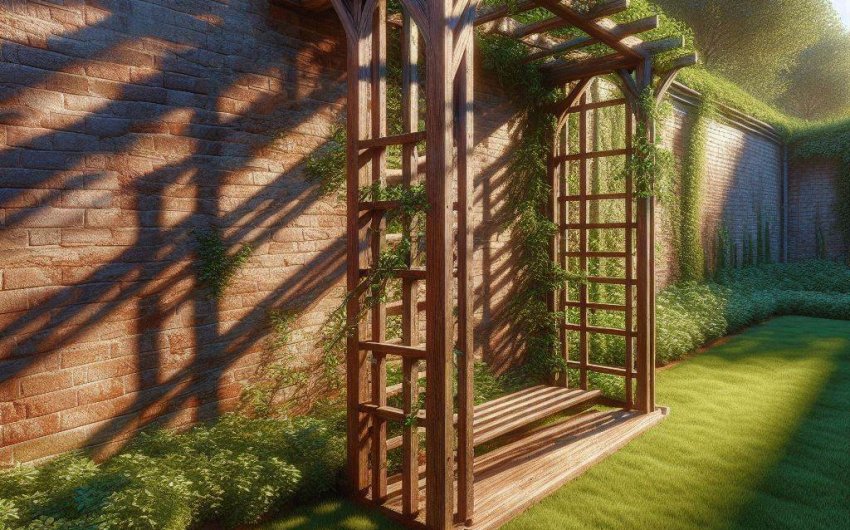
To build a trellis for climbing plants, first select the right materials and design based on your plant's growth habit and your garden's aesthetic. Then, ensure a sturdy installation by securely anchoring the structure, providing reliable support for vertical growth and maximizing garden space.
Why Should I Use a Trellis for Climbing Plants?
Using a trellis for climbing plants is one of the most effective and rewarding strategies for any gardener, whether you're working with vegetables, fruits, or ornamental vines. Beyond simply supporting growth, trellises offer a myriad of benefits that enhance plant health, increase yields, and add significant aesthetic value to your garden. Understanding why you should build a trellis for climbing plants reveals their indispensable role.
1. Maximize Garden Space (Vertical Gardening)
This is perhaps the most obvious and compelling reason, especially for gardeners with limited space.
- Small Yards/Urban Gardens: In urban environments, small backyards, patios, or balconies, horizontal space is a premium. A trellis for climbing plants allows you to grow upwards, effectively expanding your gardening area without needing more ground.
- Increased Yields per Square Foot: By encouraging plants like tomatoes, cucumbers, peas, or pole beans to grow vertically, you can plant more individual plants in a smaller footprint, leading to significantly higher yields from the same ground area.
- Example: A sprawling cucumber vine can take up 20 square feet on the ground, but on a trellis, it might only occupy 2 square feet of ground space while producing just as many (or more) cucumbers.
2. Improve Air Circulation and Reduce Disease
Lifting plants off the ground drastically improves their health.
- Better Airflow: When plants are allowed to sprawl on the ground, air circulation around their foliage is poor. This creates a damp, stagnant environment where fungal diseases like powdery mildew, downy mildew, and blight thrive. A trellis lifts the leaves, allowing air to circulate freely.
- Faster Drying: Improved airflow means leaves dry faster after rain or watering, further reducing the risk of fungal infections.
- Reduced Soil-Borne Disease: Many plant diseases live in the soil. Trellising keeps leaves and fruits from direct contact with the soil, minimizing exposure to pathogens.
3. Keep Fruits and Vegetables Clean and Healthy
- Cleaner Produce: Fruits and vegetables growing on the ground (like cucumbers or melons) often get muddy, making them prone to rot from contact with damp soil. A trellis keeps them elevated, clean, and reduces the need for washing.
- Pest Reduction: Ground-dwelling pests (slugs, snails, certain insects) have less direct access to your produce when it's elevated.
4. Easier Harvesting and Maintenance
- Convenience: No more bending, stooping, or crawling on your hands and knees to find ripe produce hidden under a tangled mess of leaves. Trellised plants present their harvest at a more accessible height.
- Faster Picking: When fruits and vegetables are clearly visible and easy to reach, harvesting is much quicker and more efficient.
- Easier Weeding and Pruning: Improved access also makes weeding around the base of the plant and pruning excess foliage much simpler.
5. Enhance Aesthetics and Visual Interest
- Architectural Element: A trellis for climbing plants adds an architectural element to your garden, providing vertical interest and structure.
- Create Living Walls: Vines can create beautiful green walls, screens, or provide shade over a patio. Imagine a lush wall of clematis or a productive archway of climbing beans.
- Conceal Eyesores: A trellis covered in dense foliage can effectively hide unattractive fences, utility boxes, or sheds.
- Definition: Trellises can define garden spaces or provide a backdrop for other plants.
6. Provide Stronger Support
Many climbing plants, especially those producing heavy fruits, need robust support to prevent snapping stems or collapsing under their own weight.
- Heavy Yields: Large tomato varieties, cucumbers, and melons can produce surprisingly heavy loads that simple stakes can't handle. A well-built trellis distributes this weight.
- Wind Resistance: Trellises provide stability against strong winds that might otherwise damage sprawling plants.
In summary, choosing to build a trellis for climbing plants is a smart investment that pays dividends in space efficiency, healthier plants, cleaner harvests, easier maintenance, and enhanced garden beauty. It's a fundamental technique for getting the most out of your growing efforts.
What Types of Climbing Plants Benefit from a Trellis?
Understanding what types of climbing plants benefit from a trellis is crucial before you build a trellis for climbing plants. Different plants have unique ways of climbing, and matching the right plant to the right trellis design ensures optimal growth and prevents frustration.
1. Twining Plants
These plants climb by spiraling their stems around a support structure. They need something relatively narrow to wrap around.
- Vegetables:
- Pole Beans: Classic twining vegetables. They quickly climb and produce abundant yields.
- Yardlong Beans: Similar to pole beans, they need tall support for their long pods.
- Ornamentals:
- Morning Glory (Ipomoea purpurea): Fast-growing annuals with beautiful trumpet-shaped flowers.
- Hyacinth Bean Vine (Lablab purpureus): Fast-growing with attractive purple flowers and pods.
- Honeysuckle (Vining varieties): Fragrant flowers, can be quite vigorous.
- Moonflower (Ipomoea alba): Similar to morning glory but with large, fragrant white flowers that open at night.
- Trellis Preference: Need vertical poles, stakes, strings, thin wires, or netting. A simple Wooden Garden Trellis with thin slats or vertical twine works well.
2. Tendril Climbers
These plants have specialized, slender tendrils that emerge from stems or leaves. These tendrils coil around anything they touch, anchoring the plant. They need thin supports to grab onto.
- Vegetables:
- Cucumbers: Excellent candidates for trellising. Keeping them off the ground reduces disease and improves fruit quality.
- Peas: Both shelling peas and snap peas benefit greatly from support. They have delicate tendrils.
- Melons (Smaller varieties): Smaller cantaloupes or sugar baby watermelons can be trellised, though larger varieties may need extra support (slings) for the fruit itself.
- Gourds: Decorative gourds can climb effectively.
- Ornamentals:
- Sweet Peas (Lathyrus odoratus): Fragrant flowers on delicate vines.
- *Passion Flower (Passiflora spp.):* Exquisite flowers, sometimes edible fruits.
- Trellis Preference: Need thin wires, mesh, netting (like Heavy Duty Trellis Netting), or thin wooden/metal trellises with many small supports.
3. Scramblers/Scrambling Climbers
These plants don't truly "climb" on their own using tendrils or twining stems. Instead, they have stiff stems, thorns, or simply long, arching branches that need to be tied or woven through a support structure. They often produce heavy growth.
- Vegetables:
- Tomatoes (Indeterminate varieties): These keep growing and producing fruit until frost. They absolutely need sturdy support. While not true climbers, they benefit immensely from trellises, cages, or staking.
- Ornamentals:
- Climbing Roses: These are not true climbers but rather long-caned roses that need to be trained and tied to a support.
- Bougainvillea: Needs consistent tying.
- Rambling Roses: Similar to climbing roses, they have long, flexible canes that can be woven through large structures.
- Trellis Preference: Need very sturdy supports like arbors, pergolas, fences, heavy-gauge wire trellises, or strong tomato cages. You will need to actively tie these plants to the structure using soft ties.
4. Root Climbers (Clinging Climbers)
These plants produce aerial roots that cling to rough surfaces like brick, stone, or tree bark. They need a solid, textured surface to adhere to.
- Ornamentals:
- English Ivy (Hedera helix): Common but can be invasive in some regions.
- Climbing Hydrangea (Hydrangea anomala petiolaris): Beautiful, often grown on walls.
- Virginia Creeper (Parthenocissus quinquefolia): Can also be quite vigorous.
- Trellis Preference: Need a wall, fence, or a sturdy wooden or metal trellis with a rough surface that their roots can adhere to. Wire mesh or lattice against a wall works well. Avoid planting them directly on wooden house siding, as their roots can damage it.
| Plant Type | Climbing Mechanism | Ideal Trellis Support | Common Examples |
|---|---|---|---|
| Twining | Stems wrap around supports | Vertical poles, thin stakes, strings, netting | Pole Beans, Morning Glory, Honeysuckle |
| Tendril | Tendrils coil around thin objects | Thin wires, mesh, netting, thin slats | Cucumbers, Peas, Smaller Melons, Sweet Peas |
| Scrambling | Long canes, needs tying | Sturdy cages, arbors, pergolas, strong fences | Indeterminate Tomatoes, Climbing Roses |
| Root Climbers | Aerial roots cling to surfaces | Walls, stone, brick, sturdy wood/metal lattice against a wall | English Ivy, Climbing Hydrangea, Virginia Creeper |
By matching the growth habit of your specific climbing plants to the right trellis design and material, you ensure they have the perfect support to reach their full potential and significantly enhance your garden's vertical beauty and productivity.
What Materials Do I Need to Build a Trellis?
To build a trellis for climbing plants, the materials you choose will greatly depend on the size and weight of the plants you plan to support, your budget, and the desired aesthetic of your garden. Opting for durable and plant-friendly materials ensures your trellis lasts for seasons and doesn't harm your growing vines.
Basic Framework Materials
These form the main structure of your trellis.
- Wood:
- Types: Cedar (naturally rot-resistant, long-lasting), redwood (similar to cedar), treated lumber (less eco-friendly, but very durable), untreated lumber (less expensive, but will rot faster unless sealed).
- Forms: 2x2s, 1x2s, wooden stakes, bamboo poles.
- Pros: Natural aesthetic, easy to work with, readily available.
- Cons: Can rot over time (especially untreated), susceptible to pests, heavier than some alternatives.
- Best For: A-frame trellises, fan trellises, grid trellises, arbors.
- Metal:
- Types: Rebar, steel re-mesh (for concrete reinforcement), galvanized wire, cattle panels, copper pipes.
- Pros: Extremely durable, long-lasting, sturdy, good for heavy plants. Minimal maintenance.
- Cons: Can be more expensive, harder to cut and shape (requires specific tools), can heat up in direct sun (though usually not enough to harm plants).
- Best For: Strong vertical supports, archways, large permanent trellises, for heavy-bearing plants like indeterminate tomatoes or large gourds.
- PVC Pipe:
- Types: Standard plumbing PVC pipes (Schedule 40 or 80 for strength).
- Pros: Very lightweight, inexpensive, easy to cut and assemble (with PVC cement), waterproof.
- Cons: Less aesthetic (can look utilitarian), can become brittle over time in UV light, not as strong as metal or thick wood for very heavy plants.
- Best For: Temporary trellises, cages, vertical gardens for lighter vines like peas or cucumbers, or starting new climbers.
- Bamboo:
- Types: Long, sturdy bamboo canes.
- Pros: Natural, lightweight, inexpensive, fairly strong for its weight.
- Cons: Can eventually rot, can splinter.
- Best For: Teepee trellises, simple vertical stakes, bean towers. You can purchase Garden Bamboo Stakes.
Climbing Surface Materials
These are the elements the plants will actually cling to or be tied to.
- Netting/Mesh:
- Types: Nylon or plastic trellis netting (various mesh sizes), often sold in rolls.
- Pros: Lightweight, inexpensive, easy to install, provides many attachment points for tendrils and twining stems.
- Cons: Can be flimsy for heavy plants, can tangle plants at season end, less aesthetic, not durable long-term.
- Best For: Peas, cucumbers, pole beans, lightweight annual vines. Look for Garden Trellis Netting.
- Wire/String:
- Types: Galvanized wire (rust-resistant), baling twine, jute twine, nylon string.
- Pros: Flexible, customizable, inexpensive.
- Cons: Requires framework to attach to, twine/string needs annual replacement, wire can be difficult to work with.
- Best For: Trellising indeterminate tomatoes (Florida weave method), attaching to fences or posts.
- Hardware Cloth/Chicken Wire:
- Types: Galvanized hardware cloth (smaller mesh, sturdier) or chicken wire (larger mesh, lighter duty).
- Pros: Durable, rust-resistant (galvanized), provides many attachment points.
- Cons: Can be sharp (wear gloves!), can be visually imposing if not covered by plants.
- Best For: Cucumbers, peas, heavier tendril climbers.
Fasteners and Hardware
- Screws/Nails: For attaching wooden components. Use exterior-grade screws or galvanized nails for outdoor projects to prevent rust.
- Zip Ties: Quick and easy for temporary connections or attaching netting/wire.
- Twine/Garden Ties: For attaching plants to the trellis as they grow (e.g., tomatoes, climbing roses). Use soft materials like Velcro Plant Ties or strips of old fabric to avoid cutting into stems.
- U-nails/Staple Gun: For attaching wire or netting to wooden posts.
- Post-hole Digger/Auger (for sturdy trellises): For sinking posts deep into the ground.
- Concrete Mix (for permanent structures): To secure posts in the ground.
Essential Tools
- Measuring tape
- Saw (hand saw, circular saw, or miter saw for wood)
- Wire cutters (for metal)
- Drill and drill bits
- Hammer (if using nails)
- Pliers
- Level
- Safety glasses and gloves
By carefully selecting your materials based on your needs and having the right tools on hand, you'll be well-equipped to build a trellis for climbing plants that is both functional and aesthetically pleasing.
Step-by-Step Guide: Building a Simple A-Frame Trellis
An A-frame trellis is a popular and relatively easy-to-build option that provides excellent support for climbing plants like cucumbers, peas, or pole beans. Its angled design allows for good air circulation and easy harvesting. Here's a step-by-step guide on how to build a trellis in an A-frame style.
Tools and Materials Checklist:
- Wood:
- (4) pieces of 1x2 or 2x2 lumber, 6-8 feet long (for the main frame)
- (1) piece of 1x2 or 2x2 lumber, 2-3 feet long (for the crossbar)
- Climbing Surface:
- Garden trellis netting (nylon or plastic mesh) or twine/wire (if creating your own grid)
- Fasteners:
- Exterior-grade screws (1.5-2 inches long) or galvanized nails
- Zip ties or staples (for attaching netting)
- Tools:
- Measuring tape
- Saw (hand saw or miter saw)
- Drill and drill bits
- Hammer (if using nails)
- Staple gun (if using netting)
- Utility knife (for netting)
- Safety glasses and gloves
Step 1: Cut Your Lumber
- Main Legs: Cut two pieces of lumber to your desired height for each side of the "A." For example, if you want a 6-foot tall trellis, cut all four main legs to 6 feet.
- Crossbar: Cut one piece of lumber for the horizontal crossbar that will connect the two sides of the A-frame near the top. The length will depend on how wide you want the top of your "A." A good starting point is 2-3 feet.
Step 2: Assemble the First "A" Side
- Lay Out: Lay two of your main legs on a flat surface, parallel to each other.
- Position Crossbar: Place the crossbar horizontally across the top section of the two main legs. The exact placement depends on your desired angle and stability. A common method is to place the crossbar roughly 6-12 inches from the top end of the legs. This leaves enough room to screw them together.
- Screw Together: Using your drill and exterior-grade screws (or hammer and nails), attach the crossbar securely to the two main legs. Use at least two screws per joint for stability.
Step 3: Assemble the Second "A" Side
- Repeat Step 2 using the remaining two main legs and the other end of your crossbar. You now have two separate "A" shaped frames.
Step 4: Join the Two "A" Sides
- Form the Frame: Stand up both "A" sections. Bring them together so the crossbars are aligned and they form an inverted "V" shape at the top. The structure should be standing on its four legs.
- Secure the Top: Overlap the top ends of the "A" frames and secure them together with screws or by drilling a single bolt through both pieces, allowing them to pivot slightly. Some designs simply tie the top with heavy twine. The goal is to make a stable apex.
- Bracing (Optional but Recommended for larger trellises): For extra stability, especially with heavier plants or larger trellises, you can add a horizontal brace near the bottom, connecting the bottom parts of the "A" legs on each side.
Step 5: Add the Climbing Surface
- Netting:
- Cut Netting: Measure and cut your trellis netting to fit the size of each "A" side.
- Attach: Using a staple gun or zip ties, firmly attach the netting to the wooden frame of each "A" side. Start at the top and work your way down, pulling the netting taut as you go. Ensure the mesh size is appropriate for your climbing plants (smaller mesh for tendrils like peas, larger for cucumbers or beans).
- Twine/Wire:
- Mark Points: For a DIY grid, measure and mark points every 6-12 inches along the horizontal crossbar and the bottom of the main legs.
- Add Screws/Nails: Drive small screws or nails partially into these marked points.
- String Twine: String heavy-duty garden twine or galvanized wire vertically between the top and bottom screws/nails on each "A" side. You can also crisscross for a stronger grid.
- Consideration: Ensure the climbing surface material is on the inside of the "A" frame (the side facing into the V-shape) for easier plant attachment and support.
Step 6: Install the Trellis in Your Garden
- Location: Place your finished A-frame trellis in your desired garden bed. Ensure it receives adequate sunlight for your plants.
- Securely Anchor:
- Bury Legs: Dig holes for each of the four legs, at least 6-12 inches deep, to anchor the trellis securely in the ground.
- Tamp Down Soil: Backfill the holes with soil, tamping it down firmly around the legs to provide stability.
- Level: Use a level to ensure the trellis is standing straight.
- Planting: Plant your climbing plants directly at the base of the trellis legs or along the bottom edge, allowing them to reach the climbing surface. Gently guide young vines to the trellis as they begin to grow.
By following these steps, you can successfully build a trellis for climbing plants in an A-frame style, providing strong, reliable support for a bountiful harvest or beautiful floral display.
How Do I Install Different Types of Trellises?
Installing a trellis for climbing plants goes beyond just building the structure; it's about securely anchoring it in your garden to withstand plant weight, wind, and weather. Different trellis types require specific installation methods to ensure stability.
1. Freestanding Trellises (A-Frames, Obelisks, Teepees)
These trellises are self-supporting and are typically placed directly in the garden bed.
- Key Principle: Stability comes from burying the base deep enough or having a wide enough footprint.
- Installation Steps:
- Choose Location: Place your assembled trellis in the desired spot, ensuring it's level and positioned correctly for sun exposure and plant access.
- Dig Holes: For each leg or base point, dig holes that are at least 12-18 inches deep. The deeper, the more stable, especially for taller trellises or those supporting heavy plants.
- Place Trellis: Carefully place the trellis legs into the dug holes.
- Level: Use a carpenter's level to ensure the trellis is perfectly plumb (straight up and down) and level.
- Backfill and Tamp: Backfill the holes with soil, tamping it down firmly around the base of each leg as you go. This compacts the soil and locks the trellis in place.
- Water In (Optional): Water the soil around the base; this can help settle the soil and eliminate air pockets.
- For Very Heavy Plants/Tall Structures:
- Concrete Footings: For very tall arbors, pergolas, or trellises supporting extremely heavy plants (like mature wisteria), consider setting the posts in concrete footings for maximum stability. Dig a wider hole, fill partway with concrete mix, set the post, brace it plumb, then fill with concrete. Allow concrete to cure fully (24-48 hours) before putting strain on the structure.
- Ground Anchors: For slightly less permanent but still sturdy solutions, you can use specialized metal ground anchors that are driven into the soil and then bolted to the trellis legs.
2. Wall-Mounted or Fence-Mounted Trellises
These trellises are secured directly to an existing structure like a house wall, fence, or shed.
- Key Principle: The existing structure provides the primary support. The trellis needs to be securely attached to it.
- Installation Steps:
- Choose Location: Identify the section of wall or fence that receives appropriate sunlight for your climbing plant. Ensure the wall material (wood, brick, siding) can support the weight.
- Clearance: If mounting to a house wall, use spacers (e.g., small blocks of wood, rubber stoppers) behind the trellis at attachment points. This creates an air gap (at least 1 inch) between the trellis and the wall, which is crucial for:
- Air Circulation: Prevents moisture buildup behind the trellis, reducing rot and mildew on both the wall and the plant.
- Plant Health: Allows air to circulate around the back of the climbing plant.
- Easier Growth: Gives the plant tendrils or twining stems something to wrap around, rather than being pressed flat against the wall.
- Mark Anchor Points: Hold the trellis in place (or have a helper) and use a pencil to mark where you will attach it to the wall/fence. Use a level to ensure it's straight.
- Drill Pilot Holes: Drill pilot holes at the marked points on the wall/fence. Use appropriate drill bits for your wall material (e.g., masonry bit for brick, wood bit for wood).
- Insert Anchors (if needed): For masonry walls, insert wall anchors into the pilot holes.
- Attach Trellis: Secure the trellis to the wall/fence using exterior-grade screws or bolts appropriate for your material. If using spacers, ensure the screws go through the spacers and firmly into the wall.
- Considerations: Choose a trellis material that is non-damaging to your wall (e.g., avoid root climbers like ivy directly on siding).
3. Container Trellises
For plants growing in pots or raised beds, trellises need to be integrated into the container.
- Key Principle: The trellis must be stable within the pot and proportional to the pot's size to avoid tipping.
- Installation Steps:
- Select Appropriate Trellis: Choose smaller trellises, obelisks, or stakes designed for container use. Small Trellis for Pots are widely available.
- Insert Deeply: Insert the base of the trellis deep into the potting mix before planting, ensuring it reaches the bottom of the pot for maximum stability.
- Planting: Plant your climbing plant at the base of the trellis.
- Weight: For taller trellises in pots, use a heavier, wide-based pot to prevent tipping once the plant grows large. Potting mixes with perlite also help drainage and reduce weight compared to dense soil.
- Considerations: As the plant grows, it may become top-heavy. You might need to secure the pot itself or provide external support if in a very windy location.
Regardless of the type, ensure your trellis for climbing plants is installed sturdily and safely. A well-installed trellis not only supports your plants but also stands the test of time and weather.
How Do I Train Climbing Plants on a Trellis?
Once you build a trellis for climbing plants and install it, the final step is to train your climbing plants to use it effectively. Most climbers need a little guidance at first, and ongoing care ensures they grow properly and productively.
1. Start Early
- Timing: Begin training your climbing plants as soon as they are actively growing and their tendrils or stems are long enough to reach the trellis. Don't wait until they're a tangled mess.
- Young Vines are Flexible: Young stems and tendrils are more flexible and less likely to snap when gently manipulated.
2. Gentle Guidance
- Initial Placement: Gently guide the youngest, most vigorous shoots towards the trellis.
- Tendril Climbers: For plants like cucumbers or peas, simply orient their tendrils towards the trellis surface. Their tendrils will typically grab on quickly. You might need to help a few find the first rung.
- Twining Plants: For plants like pole beans or morning glories, gently wrap their main stem around the trellis support (string, pole, or wire) in the direction they naturally twine (usually counter-clockwise).
- Scramblers: For plants like indeterminate tomatoes or climbing roses, gently weave their stems or canes through the trellis structure. They will not cling on their own, so they will need to be tied.
3. Use Soft Ties (for Scramblers)
- Why Soft Ties? For plants that don't self-cling (like tomatoes, climbing roses, or bougainvillea), you'll need to physically secure them to the trellis. Use soft materials that won't cut into the delicate stems as they grow and expand.
- Good Materials:
- Velcro Plant Ties (reusable and adjustable)
- Strips of old cloth (cut-up t-shirts, pantyhose)
- Jute twine (biodegradable)
- Plastic plant clips
- Tieing Technique:
- Create a loose loop around the plant stem and then secure it to the trellis. The loop should be loose enough to allow the stem to thicken without being choked.
- Avoid tying too tightly or making figure-eight patterns if the stem is expected to thicken significantly.
- Tie the stem to the trellis, not the other way around.
4. Provide Ongoing Support
- Regular Checks: As your plants grow rapidly, check them every few days or at least once a week. New shoots will quickly emerge and need guidance.
- Continue Guiding: Guide new tendrils or twining stems to new parts of the trellis. Continue to tie scrambling plants as their stems lengthen.
- Address Overgrowth: If a vine becomes too bushy or starts to block light from other parts of the plant, you may need to selectively prune some side shoots (e.g., tomato suckers) to encourage upward growth.
5. Consider the Plant's Weight (for Fruiting Plants)
- Cucumbers and Melons: While tendrils provide initial support, heavier fruits like cucumbers and smaller melons can put a strain on the vine. For large fruits, consider using fruit slings made from old pantyhose, mesh bags, or fabric strips to support the individual fruits as they mature. Tie the sling directly to the trellis framework, cradling the fruit.
- Tomatoes: Ensure your trellis structure is strong enough to bear the weight of a fully loaded indeterminate tomato plant, which can be considerable. The main stem of an indeterminate tomato can grow to 10-15 feet or more, carrying dozens of pounds of fruit.
6. Pruning for Airflow and Production
- Strategic Pruning: For certain plants, selective pruning can help improve air circulation on the trellis and direct the plant's energy into fruit production.
- Tomatoes: Regularly pinch off "suckers" (new shoots that grow in the axil between the main stem and a leaf branch) to encourage upward growth and larger fruits.
- Cucumbers: You can remove older, yellowing leaves at the bottom to improve airflow.
- Avoid Over-Pruning: Don't remove too much foliage, as leaves are essential for photosynthesis.
By actively training your climbing plants on your newly built trellis, you'll ensure they grow strongly, produce abundantly, and truly enhance the vertical beauty and productivity of your garden space. This hands-on involvement will make your trellis a highly effective and rewarding garden feature.