
How to Incorporate Art in Your Garden Design?
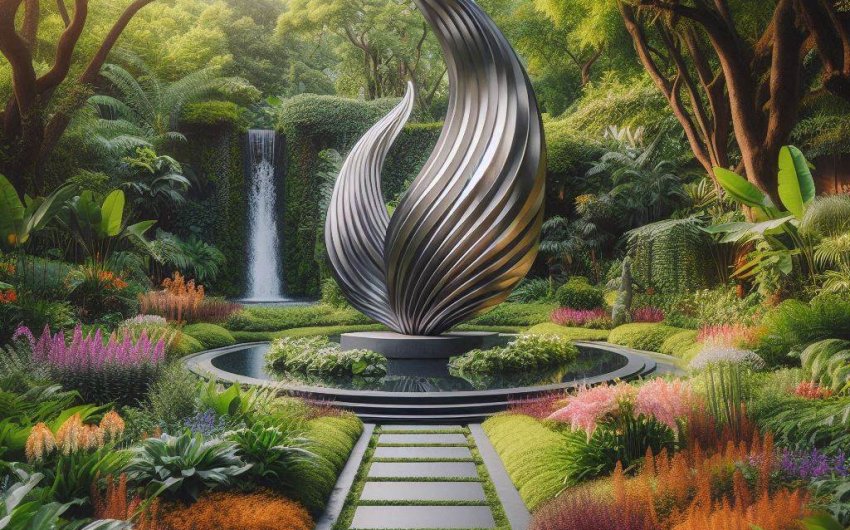
A garden is often called a living canvas, and while plants are the primary colors, garden art serves as the brushstrokes and focal points that bring a landscape to life. Incorporating art in your garden design transforms an ordinary outdoor space into an extraordinary gallery, a personal sanctuary, or a whimsical wonderland. It adds personality, depth, and unexpected beauty, inviting you to pause, reflect, and appreciate your surroundings from a new perspective. Learning how to use garden art effectively can elevate your outdoor living experience, making your garden a true reflection of your unique style and taste.
Why Add Art to Your Garden?
Beyond just looking pretty, garden art serves several important purposes:
- Creates Focal Points: A well-placed piece of garden art draws the eye, guiding visitors through your garden and highlighting specific areas.
- Adds Personality and Charm: Art infused with your personal style makes your garden truly unique and inviting.
- Provides Year-Round Interest: While plants bloom seasonally, garden art offers visual interest even in the colder months when plants are dormant.
- Evokes Emotion and Story: Sculptures, wind chimes, or even repurposed objects can tell a story, evoke a mood, or spark conversation.
- Adds Dimension and Texture: The materials, shapes, and forms of garden art contrast with the organic shapes of plants, adding visual complexity.
- Defines Spaces: Art can help delineate different "rooms" within a larger garden, giving each area a distinct purpose or feel.
- Hides Imperfections: A clever piece of garden art can draw attention away from an unsightly utility box or a bare spot in the landscape.
Types of Garden Art
The world of garden art is incredibly diverse. It’s not just about fancy sculptures; it can be anything that brings aesthetic pleasure to your outdoor space.
1. Sculptures and Statues
These are classic garden art elements.
- Figurative: From traditional garden gnomes and cherubs to abstract human or animal forms, these add a narrative element.
- Abstract: Non-representational forms that focus on shape, line, and texture. These can create a modern or contemplative feel.
- Material: Can be made from bronze, stone, concrete, metal, wood, or resin. Choose materials suitable for outdoor exposure.
2. Found Objects and Repurposed Items
Giving new life to old objects is a sustainable and creative way to add charm.
- Vintage Tools: An old rusty shovel leaning against a shed, or a collection of vintage garden tools hung on a wall.
- Wheels: An old wagon wheel leaning against a fence or integrated into a bed.
- Metal Containers: Galvanized tubs, old watering cans, or enamelware repurposed as planters or decorative accents.
- Architectural Salvage: Old windows, doors, gates, or iron railings used as backdrops, trellises, or decorative screens.
- Glass Bottles/Jars: Used as borders, light catchers, or integrated into a bottle tree.
- Ceramics/Pottery: Broken pottery shards used for mosaics, or a collection of old ceramic pots used decoratively.
3. Functional Art
Art that serves a purpose.
- Bird Baths: Can be simple or ornate, attracting birds while adding a sculptural element. A concrete bird bath or metal bird bath are popular.
- Bird Feeders: A decorative bird feeder can be both beautiful and attract wildlife.
- Wind Chimes: Add a sensory element with their gentle sounds. A bamboo wind chime or metal wind chime can create different tones.
- Sundials: A classic piece that functions as a timepiece and a garden accent. A stone sundial adds a timeless touch.
- Fountains: Provide soothing sounds and movement, from small tabletop versions to grand tiered designs. A solar fountain pump can be a good option for small features.
- Garden Benches and Seating: Can be chosen for their artistic design as much as their comfort. A wrought iron bench or a carved stone bench can be a work of art.
4. Wall Art and Hangings
For vertical interest.
- Outdoor Mirrors: Can create an illusion of depth and reflect light. Ensure it's suitable for outdoor use.
- Metal Wall Art: Decorative metal panels or sculptural wall hangings for fences, sheds, or exterior walls.
- Vertical Planters: While functional, a beautifully designed vertical garden planter can also be a piece of art.
- Mosaics: Custom-made tile mosaics on walls, paths, or pots.
5. Lighting as Art
Illumination can be a form of art itself.
- Solar Lights: Decorative solar pathway lights, solar string lights, or solar lanterns can create mood and highlight features at night.
- Uplighting: Using spotlights to illuminate a beautiful tree or sculpture.
Principles for Incorporating Garden Art Effectively
It's not just about what you choose, but how you place it.
1. Scale and Proportion
- Size Matters: Choose garden art that is appropriate for the size of your garden and the area where it will be placed. A tiny figurine will get lost in a large, open space, while a massive sculpture might overwhelm a small bed.
- Relationship to Plants: Ensure the art is in scale with the surrounding plants. It should neither be completely hidden nor dwarf the plants.
2. Placement: Creating Focal Points and Journeys
- Focal Points: Decide what you want to draw attention to. A single, striking piece of garden art can be a powerful focal point at the end of a path, in the center of a bed, or against a blank wall.
- Elements of Surprise: Place smaller pieces of art in unexpected spots (e.g., peeking out from behind foliage, at a turning point in a path) to encourage exploration and delight.
- Framing: Use plants, trellises, or an arbor to frame a piece of garden art, drawing the eye towards it.
- Line of Sight: Consider how the art will be seen from different vantage points (from your patio, from a window inside, from a pathway).
- Integration: Art should feel like it belongs in the garden, not just placed randomly. Think about how it interacts with the plants, hardscaping, and overall style.
3. Contrast and Harmony
- Contrast Materials: The rough texture of a stone sculpture can beautifully contrast with the soft foliage of ferns. The smooth lines of a modern metal piece can stand out against unruly grasses.
- Color Contrast: Use bright, bold art to pop against green foliage, or subtle, earthy tones to blend harmoniously.
- Shape Contrast: A geometric sculpture can contrast with the organic, flowing shapes of plants.
- Harmony of Style: While contrast is good, ensure the style of the art generally matches the overall aesthetic of your garden and home. A highly modern sculpture might look out of place in a rustic cottage garden unless it's done very intentionally.
4. Context and Storytelling
- Thematic Gardens: If you have a specific theme (e.g., a Japanese garden, a whimsical fairy garden, a Mediterranean courtyard), choose garden art that enhances that theme. A stone pagoda lantern fits a Japanese garden, while fairy garden miniatures suit a whimsical one.
- Personal Connection: Choose pieces that resonate with you personally. This makes your garden truly yours.
- Narrative Flow: Think about how different pieces of art might tell a story as you move through the garden.
5. Weather Resistance and Maintenance
- Outdoor Durability: Ensure any garden art you purchase or create is suitable for outdoor use. It needs to withstand sun, rain, wind, and freezing temperatures.
- Material Considerations:
- Metal: Can rust (often desirable for a patina) or be painted to resist rust. Consider a rust-inhibiting spray for longevity.
- Wood: Needs to be treated with exterior wood sealant or stain to prevent rot.
- Ceramics/Pottery: Can crack in freezing temperatures if left outdoors and exposed to moisture. Bring fragile pieces indoors in winter.
- Resin/Fiberglass: Generally durable and lightweight, but quality varies.
- Anchoring: Secure larger or top-heavy sculptures to prevent them from tipping over in strong winds or from curious hands. Garden stakes or concrete footings may be needed.
- Cleaning: Regularly clean your garden art to remove dirt, algae, or moss, especially if it detracts from its appearance. A soft brush and mild soapy water are usually sufficient.
Practical Ideas for Adding Art to Your Garden
Let's look at some actionable ways to bring art into your garden.
- Create a Gallery Wall on a Fence: Hang weather-resistant metal wall art, old tools, or small outdoor mirrors on a fence or shed wall.
- Design a Focal Point with a Water Feature: A tiered fountain or a simple bird bath can be both an art piece and attract wildlife.
- Repurpose Old Furniture: An old chair with a missing seat can become a charming planter for a potted plant. A vintage dresser can be transformed into a cascading vertical garden.
- Add Playful Elements: Introduce garden gnomes, concrete animals, or colorful glass gazing balls for a touch of whimsy.
- Use Upcycled Materials: Turn old wine bottles into a border, or create a unique sculpture from scrap metal.
- Highlight Pathways: Place interesting stepping stones or embed mosaic tiles into your garden paths. A bag of decorative garden stones can be used creatively.
- Integrate Art with Lighting: Use solar spotlights to illuminate a favored sculpture at night, or wrap solar string lights around an artistic arbor.
- Create a "Secret Garden" Nook: Tuck a small garden bench and a unique sculpture into a secluded corner for a quiet escape.
Incorporating art in your garden design is a journey of creativity and expression. It’s about more than just filling empty spaces; it’s about crafting an outdoor experience that delights the senses and nurtures the soul. By thoughtfully choosing and placing garden art, you can transform your garden into a living masterpiece that continues to evolve and inspire through every season.