
How to Build a DIY Pergola for Your Garden?
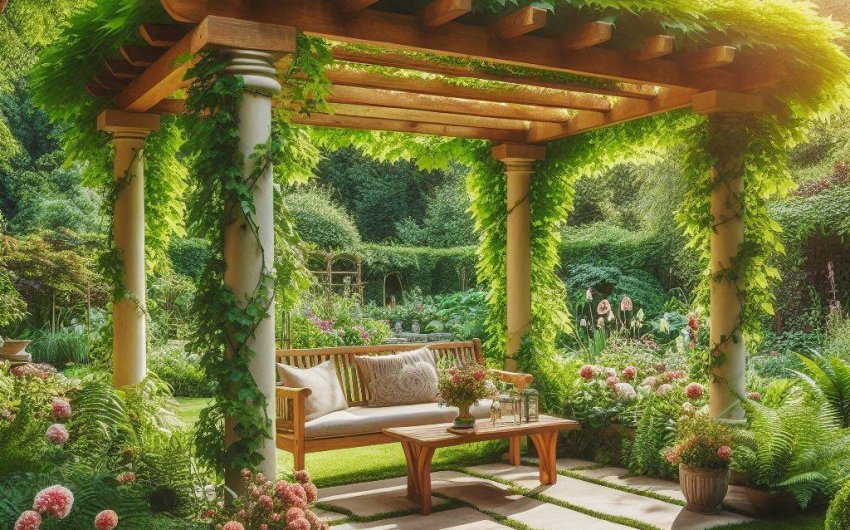
To build a DIY pergola for your garden, you'll need to meticulously plan your design, gather appropriate materials and tools, and follow a systematic process of setting posts, attaching beams, and installing rafters. This project, while requiring effort, creates a beautiful, functional outdoor structure that enhances your garden's aesthetic and provides dappled shade.
Why Build a DIY Pergola for Your Garden?
Building a DIY pergola for your garden is a rewarding project that significantly enhances your outdoor living space, offering both aesthetic appeal and practical benefits. It's a structure that adds architectural interest, provides a versatile shaded area, and can increase the value of your home.
The Compelling Benefits of a Garden Pergola
- Creates an Outdoor Room: A pergola instantly defines an outdoor space, transforming an open area into a distinct "outdoor room" for dining, lounging, or entertaining. It provides a sense of enclosure and intimacy without feeling fully walled off.
- Provides Dappled Shade: While not a solid roof, a pergola's open rafter design offers beautiful dappled shade, reducing direct sun exposure while still allowing light and air to pass through. This makes it a comfortable spot even on sunny days. You can enhance shade with climbing plants, shade cloths, or retractable canopies.
- Adds Architectural Interest and Beauty: A well-designed pergola adds a significant architectural element to your garden or patio. Its vertical and horizontal lines create visual appeal, complementing your home and landscape design.
- Supports Climbing Plants: Pergolas are ideal structures for growing climbing vines like wisteria, climbing roses, clematis, or grapes. As the plants mature, they weave through the rafters, adding lush greenery, fragrant blooms, and natural shade.
- Increases Property Value: A thoughtfully designed and well-built pergola is a desirable feature that can enhance the aesthetic appeal and functionality of your property, potentially increasing its resale value.
- Versatile Design: Pergolas come in numerous styles, from rustic and traditional to modern and minimalist, and can be constructed from various materials (wood, metal, vinyl). This versatility allows you to choose a design that perfectly matches your garden's aesthetic.
- Defined Focal Point: It can serve as a stunning focal point in your garden, drawing the eye and anchoring a seating area, outdoor kitchen, or hot tub.
- DIY Satisfaction: For the ambitious homeowner, a DIY pergola project offers immense satisfaction from building something substantial and beautiful with your own hands. It can be a challenging but ultimately very rewarding endeavor.
By building a DIY pergola for your garden, you're creating a versatile, beautiful, and inviting outdoor retreat that you and your family can enjoy for years to come.
What Design Considerations Are Important for a DIY Pergola?
Before you start building your DIY pergola for your garden, meticulous design planning is crucial. This step determines the pergola's size, style, placement, and structural integrity, ensuring it meets your needs and complements your home.
Key Design Considerations
Purpose and Location:
- Function: What will the pergola be used for? Dining, lounging, hot tub cover, pathway accent, defining an outdoor kitchen? This will influence its size and placement.
- Sunlight/Shade: Observe sun patterns throughout the day and year. Where do you need shade most? Pergolas generally work best in full sun to provide relief.
- Integration: How will the pergola integrate with your existing home and landscape? Will it be freestanding, or attached to your house?
- Utilities: Check for underground utilities (gas, water, electric lines) before digging post holes. Call 811 (in the US) or your local utility notification service.
Size and Dimensions:
Advertisement- Footprint: Determine the length and width that fits your space and serves its purpose. Typically, allow ample space for furniture and traffic flow underneath.
- Height: A comfortable height is usually 8-10 feet from the ground to the underside of the main beams. This allows for head clearance and good air circulation. Taller pergolas can feel more open, but may offer less effective shade.
Materials:
- Wood:
- Treated Lumber: Economical, resistant to rot and insects. Requires painting or staining.
- Cedar/Redwood: Naturally rot and insect resistant, beautiful grain. More expensive, weathers to a silvery gray if untreated.
- Rough-Sawn Lumber: Rustic aesthetic.
- Laminated Beams: Strong and stable for larger spans.
- Vinyl/PVC:
- Pros: Low maintenance, clean aesthetic, won't rot or attract insects.
- Cons: Less structural strength than wood for very large spans, can look less natural.
- Metal (Steel, Aluminum):
- Pros: Very strong, durable, modern aesthetic, low maintenance (especially aluminum).
- Cons: Can be expensive, may require welding for complex designs.
- Consider: The material should complement your home and garden style.
- Wood:
Style and Aesthetics:
- Architectural Match: Should the pergola reflect your home's architectural style (e.g., modern, craftsman, traditional)?
- Post Style: Simple square posts, decorative bases, or wrapped with stone/brick.
- Rafter Design: Simple parallel rafters, intersecting rafters, or decorative end cuts (e.g., corbels, scrollwork).
- Privacy/Shade Enhancement: Will you add side screens, lattice, or a retractable canopy for more shade or privacy?
Structural Stability and Building Codes:
- Post Footings: Posts must be securely anchored in concrete footings below the frost line in your area.
- Hardware: Use appropriate heavy-duty, galvanized or stainless steel fasteners (bolts, lag screws, joist hangers) for outdoor construction.
- Building Permits: Crucial! Check with your local municipality or homeowner's association for building codes, zoning regulations, and whether a permit is required. Most outdoor structures over a certain size/height need a permit. This involves submitting plans.
Budget:
- Factor in the cost of lumber, hardware, concrete, tools (if renting), and any decorative elements. Compare material costs (e.g., pressure-treated lumber vs. cedar lumber).
By thoroughly addressing these design considerations, you'll create a detailed plan for your DIY pergola for your garden, setting yourself up for a successful build and a beautiful, functional outdoor space.
What Tools and Materials Do I Need to Build a DIY Pergola?
Building a DIY pergola for your garden requires a specific set of tools and materials. Having everything ready before you start will make the construction process much smoother and more efficient.
Essential Tools for Pergola Construction
- Measuring & Marking:
- Tape Measure: At least 25 feet.
- Level: Long (4-6 ft) and a torpedo level.
- Speed Square / Framing Square: For marking accurate cuts.
- Chalk Line: For marking long, straight lines.
- Pencils/Markers.
- Cutting:
- Circular Saw: Essential for straight cuts on lumber. A cordless circular saw offers flexibility.
- Miter Saw (Optional but Recommended): For very precise crosscuts and angle cuts.
- Jigsaw (Optional): For decorative rafter end cuts.
- Handsaw: For small cuts or if electricity isn't available.
- Drilling & Fastening:
- Power Drill/Impact Driver: With various drill bits and driver bits. A cordless impact driver is excellent for driving large lag screws.
- Wrench Set or Adjustable Wrench: For tightening bolts.
- Clamps: Various sizes, helpful for holding pieces in place during assembly.
- Digging & Concrete Work:
- Post-Hole Digger: Manual or powered auger for digging post holes.
- Shovel & Spade: For moving soil and concrete.
- Wheelbarrow: For mixing and transporting concrete.
- Bucket: For mixing small batches of concrete or water.
- Trowel/Float: For finishing concrete.
- Safety Gear:
- Safety Glasses: Non-negotiable for all cutting and drilling.
- Work Gloves: To protect hands.
- Dust Mask: When cutting wood.
- Hearing Protection: When using power tools.
- Support & Temporary Bracing:
- Stepladder or Extension Ladder: For working at height.
- Temporary Braces: 2x4s or similar for holding posts upright while concrete sets.
- Come-Along or Ratchet Straps (Optional): For pulling large timbers into place.
Key Materials for Pergola Construction
- Lumber:
- Posts: (e.g., 4x4 or 6x6 pressure-treated lumber, cedar, or redwood) - ensure long enough for desired height plus depth in ground.
- Beams (Headers/Ledgers): (e.g., 2x8 or 2x10, pressure-treated or cedar/redwood) - these run horizontally along the top of the posts.
- Rafters (Joists/Crossbeams): (e.g., 2x6 or 2x8, pressure-treated or cedar/redwood) - these run across the beams, forming the open roof.
- Purlins (Optional): Smaller pieces (e.g., 2x2 or 2x4) laid perpendicular to rafters for extra shade.
- Concrete:
- Quick-setting concrete mix: For setting posts. Calculate quantity based on hole size and number of posts.
- Hardware:
- Post Anchors/Bases (Optional, for surface mounting): If you're not burying posts, you'll need metal post anchors that bolt to a concrete slab.
- Carriage Bolts or Lag Screws: Heavy-duty, outdoor-rated, for attaching beams to posts.
- Deck Screws: Exterior grade, for attaching rafters and purlins.
- Joist Hangers (Optional): For stronger beam-to-post or rafter-to-beam connections.
- Wood Stain/Sealer (if using wood): To protect the wood and maintain its appearance. Choose an outdoor-rated product.
Important Note: Always purchase exterior-grade, galvanized, stainless steel, or specifically coated fasteners (screws, bolts) to prevent rust, which can stain your wood and compromise structural integrity outdoors. Using the right tools and materials is paramount for building a durable and safe DIY pergola for your garden.
How Do I Build a DIY Pergola: Step-by-Step Guide?
Building a DIY pergola for your garden is a significant project that can be achieved by following a systematic approach. This step-by-step guide outlines the key phases of construction for a freestanding pergola. Always refer to your specific plans and local building codes.
Step-by-Step Pergola Construction
Phase 1: Planning and Site Preparation
- Finalize Design and Obtain Permits:
- Confirm your pergola dimensions, materials, and exact placement.
- Obtain any necessary building permits from your local municipality. This step is critical and often takes time.
- Mark the Footprint:
- Use string lines and stakes to accurately mark the four corners (or more, for a larger pergola) where your posts will be. Ensure the corners are square using the 3-4-5 triangle method.
- Check for Utilities:
- Call 811 (or local equivalent) before you dig to locate any underground utility lines.
Phase 2: Setting the Posts
- Dig Post Holes:
- Dig holes for each post. The size and depth depend on your local frost line and post size, but typically 10-12 inches in diameter and 2-3 feet deep, or deeper for frost protection. Use a post-hole digger.
- Add a few inches of gravel at the bottom of each hole for drainage.
- Place Posts and Brace:
- Place each post (e.g., 6x6 treated lumber) into its hole.
- Use temporary 2x4 braces and a long level to ensure each post is perfectly plumb (vertically straight) on all sides. Secure the braces to stakes driven into the ground.
- Important: Posts must be plumb before pouring concrete.
- Pour Concrete:
- Mix concrete according to package directions in a wheelbarrow or bucket.
- Pour concrete into each hole around the post, ensuring it fills the hole completely. Tamp down to remove air bubbles.
- Slope the top of the concrete away from the post to shed water.
- Allow Concrete to Cure: Let the concrete cure for at least 24-48 hours (or as per concrete instructions) before removing braces or putting any load on the posts. Do not rush this step.
- Trim Posts (Optional):
- Once concrete is cured, if your posts extend too high, mark and cut them to their final height, ensuring they are level with each other. A circular saw or reciprocating saw can be used.
Phase 3: Attaching the Beams (Headers/Ledgers)
- Mark Beam Positions:
- Measure and mark the desired height for the bottom of your beams on each post. Ensure these marks are level.
- Attach First Set of Beams:
- Lift and position the first two main beams (e.g., 2x10s) on opposite sides of two posts. These will run perpendicular to your rafters.
- Use clamps to temporarily hold them in place.
- Drill pilot holes and secure the beams to the posts using heavy-duty carriage bolts or lag screws. Use at least two bolts per post for strong connections.
- Attach Second Set of Beams:
- Repeat the process for the second set of beams on the other side of the posts. Ensure they are parallel and level with the first set.
- Verify Squareness: Double-check that the overall frame created by the posts and beams is perfectly square.
Phase 4: Installing Rafters (Crossbeams)
- Mark Rafter Spacing:
- Decide on your rafter spacing (e.g., 12, 16, or 24 inches on center). Mark these positions evenly along the top of your main beams.
- Cut Rafters:
- Cut all your rafter pieces (e.g., 2x6s or 2x8s) to the exact same length.
- Optional: Create decorative end cuts on your rafters using a jigsaw or miter saw for a more finished look.
- Install Rafters:
- Lift and place each rafter onto the marked positions on top of the main beams.
- Secure the rafters to the beams using exterior-grade deck screws (at least 3 inches long). Drive screws down through the top of the rafter into the beam. You can also use joist hangers for stronger connections, though often not necessary for pergola rafters.
- Ensure rafters are evenly spaced and parallel.
Phase 5: Adding Purlins (Optional) and Finishing Touches
- Install Purlins (Optional):
- For extra shade or visual interest, cut smaller lumber pieces (e.g., 2x2s) and attach them perpendicular to the rafters, typically spaced evenly. Secure with deck screws.
- Clean Up:
- Remove any excess concrete, lumber scraps, and temporary braces.
- Sand and Finish:
- Lightly sand any rough edges or splinters.
- Apply an outdoor wood stain or sealer to protect the wood from weathering, UV damage, and moisture. Follow product instructions for application and drying times. This step is critical for longevity.
- Landscape Around:
- Plant climbing vines at the base of the posts, or add complementary landscaping around your new DIY pergola for your garden.
Building a pergola is a significant undertaking, but with careful planning, the right tools, and attention to detail, you can create a stunning and functional addition to your outdoor living space.
What Are the Best Climbing Plants for a Pergola?
A DIY pergola for your garden provides the perfect support for climbing plants, which can transform the structure into a lush, living canopy offering enhanced shade, beauty, and often delightful fragrance. Choosing the right climbers is key to achieving this effect.
Top Climbing Plants for Pergolas
When selecting plants, consider your climate (USDA Hardiness Zone), the amount of sunlight the pergola receives, and the mature size and weight of the vine relative to your pergola's strength.
Wisteria ( Wisteria spp. ):
- Why it's great: Iconic for its spectacular cascades of fragrant, purple, blue, or white flowers in spring. Creates a dramatic and enchanting canopy.
- Care: Extremely vigorous and can become very heavy. Requires a very strong, robust pergola and aggressive, regular pruning to control growth and encourage flowering. Can become invasive in some regions; consider native species or sterile cultivars.
- Consider: A long-term commitment. Its beauty is unparalleled, but so is its growth.
Climbing Roses ( Rosa spp. ):
- Why it's great: Classic beauty, often highly fragrant, and offers continuous blooms throughout the summer, creating a romantic cottage-garden feel.
- Care: Needs strong support and training. Requires regular watering, feeding, and diligent pruning for shape and bloom. Many are thorny.
- Consider: Varieties like 'New Dawn' (pale pink, vigorous), 'Don Juan' (deep red, fragrant), 'Zephirine Drouhin' (thornless, fragrant pink).
Clematis ( Clematis spp. ):
- Why it's great: Offers stunning, often large, star-shaped flowers in an incredible array of colors. Many varieties have extended bloom times.
- Care: Needs support as it climbs by twisting leaf stems. Prefers "feet in the shade, head in the sun" (cool roots, sunny tops). Pruning varies by type.
- Consider: Can be interplanted with other vines. Large-flowered hybrids are popular.
Grapes ( Vitis vinifera, Vitis labrusca ):
- Why it's great: Provides edible fruit and a dense, leafy canopy for excellent shade. The large leaves create a beautiful texture.
- Care: Needs strong support. Requires specific pruning for fruit production and vigorous growth management. Some varieties can attract wasps.
- Consider: Edible landscaping, but can be messy with dropping fruit.
Honeysuckle (Vining varieties like Lonicera periclymenum ):
- Why it's great: Fast-growing, highly fragrant, and attracts hummingbirds with its tubular flowers.
- Care: Can be vigorous. Some varieties are aggressive or invasive; choose native or well-behaved cultivars.
- Consider: 'Major Wheeler' is a popular, non-invasive selection for hummingbirds.
Trumpet Vine ( Campsis radicans ):
- Why it's great: Extremely fast-growing with showy, trumpet-shaped flowers that are highly attractive to hummingbirds.
- Care: Very vigorous and can be aggressive. Needs strong support and aggressive, regular pruning to keep in check. Can produce aerial roots that cling.
- Consider: Can be invasive in some regions; check local regulations.
Kiwi (Hardy Kiwi - Actinidia arguta ):
- Why it's great: Fast-growing, produces edible, small, smooth-skinned fruit (if you have male and female plants). Dense foliage provides good shade.
- Care: Needs very strong support, as vines are heavy. Requires specific pruning for fruit.
- Consider: Requires a male and female plant for fruiting (unless a self-fertile variety is chosen).
Tips for Growing Pergola Climbers
- Provide Initial Support: Train young vines onto the pergola structure with soft ties until they can cling or twine on their own.
- Regular Pruning: Consistent pruning is essential for all vigorous climbers to maintain shape, control size, encourage branching, and promote flowering or fruiting.
- Water and Fertilize: Provide adequate water, especially during establishment and dry spells. Fertilize according to the plant's needs.
- Monitor for Pests/Diseases: Regularly inspect plants and address any issues promptly.
By thoughtfully selecting and nurturing the right climbing plants, your DIY pergola for your garden will become a verdant, fragrant, and inviting oasis, enhancing your outdoor enjoyment immensely.
How Do I Maintain My DIY Pergola and Its Plants?
Maintaining your DIY pergola for your garden and the plants growing on it is crucial for ensuring its longevity, structural integrity, and continued beauty. Regular care prevents issues, prolongs lifespan, and keeps your outdoor space looking its best.
Pergola Structure Maintenance
Annual Inspection:
- Visual Check: Annually, thoroughly inspect all parts of the pergola, especially the posts at ground level, beams, and rafters. Look for:
- Wood: Cracks, splits, signs of rot, insect damage (e.g., termite activity, carpenter bees), loose fasteners.
- Metal Hardware: Rust, corrosion, loose bolts, bent brackets.
- Overall Stability: Gently push on the posts to check for any wobble or instability.
- Repair Promptly: Address any issues immediately. Tighten loose bolts, replace rusted hardware with new exterior-grade fasteners, and repair or replace any rotting or severely damaged wood.
- Visual Check: Annually, thoroughly inspect all parts of the pergola, especially the posts at ground level, beams, and rafters. Look for:
Cleaning:
- Wash Annually: At least once a year, clean the entire pergola structure. Use a hose to rinse off loose dirt, cobwebs, and debris.
- Mildew/Grime: For stubborn grime, mildew, or algae, use a soft brush with a mild soap and water solution (dish soap or an outdoor furniture cleaner). For severe mildew, a diluted bleach solution (1 part bleach to 9 parts water) can be used, followed by thorough rinsing. Always test on an inconspicuous area first.
- Power Washing (Use Caution): A low-pressure power washer can be used, but with extreme caution and a wide spray nozzle to avoid damaging the wood or forcing water into joints. Avoid high pressure directly on the wood.
Wood Sealing/Staining (for Wood Pergolas):
- Protect Wood: If your pergola is made of wood (especially pressure-treated pine, cedar, or redwood), it will benefit greatly from a clear wood sealer or an exterior wood stain every 1-3 years (or as recommended by the product). This protects the wood from UV damage, moisture, and fungal growth, significantly extending its lifespan.
- Preparation: Clean the wood thoroughly and ensure it's completely dry before applying sealant or stain.
Check Drainage:
- Ensure that water drains away from the base of the posts. Clear any debris that might collect around the footings, as standing water can lead to rot.
Climbing Plant Maintenance
Regular Pruning and Training:
- Control Growth: This is the most important ongoing task for living pergolas. Climbers can grow very vigorously. Regular pruning controls their size, prevents them from becoming too heavy or dense, and directs growth where you want it.
- Promote Air Circulation: Thinning out dense growth improves airflow, which helps prevent fungal diseases.
- Encourage Blooms/Fruit: Many flowering vines require specific pruning techniques to encourage more flowers (e.g., wisteria, climbing roses). For fruit-bearing vines like grapes, specific pruning is essential for good harvests.
- Training: Continue to gently guide and tie new shoots onto the pergola structure as they grow, ensuring even coverage. Use soft plant ties or natural twine.
Watering and Fertilizing:
- Consistent Water: Especially during dry spells, ensure your climbing plants receive adequate water. Large, mature vines can be surprisingly thirsty.
- Fertilize as Needed: Fertilize according to the specific needs of your chosen plant. Most established vines will benefit from a balanced granular fertilizer in spring, or supplemental feeding during peak growing periods.
Pest and Disease Monitoring:
- Regularly inspect your climbing plants for any signs of pests (aphids, spider mites) or diseases (powdery mildew, leaf spot).
- Address issues promptly using appropriate methods (e.g., insecticidal soap, neem oil, pruning affected areas). A healthy plant is more resistant.
By consistently performing these maintenance tasks, your DIY pergola for your garden will remain a beautiful, sturdy, and thriving centerpiece for your outdoor living space for many years of enjoyment.