
How to Start a Summer Herb Garden in Containers?
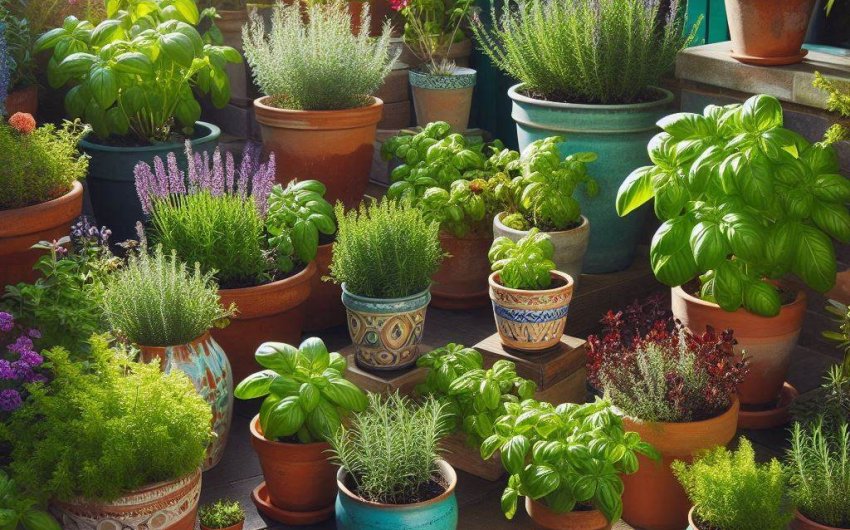
To start a summer herb garden in containers, select herbs that thrive in your climate's summer conditions, choose pots with excellent drainage, and use a high-quality potting mix. Provide ample sunlight, consistent watering, and regular harvesting to ensure a bountiful supply of fresh herbs throughout the season.
Why Start a Summer Herb Garden in Containers?
Starting a summer herb garden in containers is an incredibly convenient, flexible, and rewarding way to enjoy fresh, flavorful herbs, even if you have limited space. It allows you to cultivate a diverse array of culinary and aromatic herbs right on your patio, balcony, or even a sunny doorstep.
The Undeniable Benefits of Container Herb Gardening
- Freshness at Your Fingertips: The most compelling reason is instant access to fresh herbs. Simply step outside and snip what you need for cooking, garnishing, or making refreshing drinks. This immediate availability guarantees peak flavor and quality in your dishes.
- Space Efficiency: Containers are perfect for small spaces like balconies, patios, rooftops, or even a small deck. They allow you to garden vertically or horizontally without needing extensive garden beds. This makes a summer herb garden in containers accessible to almost anyone.
- Flexibility and Portability:
- Sunlight Control: You can easily move containers to optimize sunlight exposure throughout the day or as the seasons change. If a spot becomes too hot, you can shift plants to partial shade.
- Weather Protection: In case of sudden severe weather (hail, heavy rain), you can quickly move delicate herbs to a sheltered spot.
- Winter Transition: Many tender herbs can be brought indoors before the first frost, extending their life and allowing for year-round use.
- Pest and Disease Management: Containers can help isolate plants, limiting the spread of pests or diseases if one plant becomes infected. It's also easier to spot and deal with individual plant issues.
- Weed Control: Container gardens typically have far fewer weeds than in-ground beds, significantly reducing maintenance chores.
- Soil Control: You have complete control over the potting mix, allowing you to tailor conditions (drainage, nutrients) to the specific needs of your herbs. This is especially useful if your native garden soil is poor or difficult to work with.
- Aesthetic Appeal: Grouping various herbs in attractive pots adds texture, color, and a delightful aromatic element to any outdoor living space. It enhances the visual appeal of your patio or balcony.
- No Digging Required: For those with physical limitations or who simply dislike heavy garden work, container gardening eliminates the need for tilling, digging, and extensive bed preparation.
- Educational for All Ages: It's a fantastic hands-on project for children, teaching them about plant growth, responsibility, and where food comes from.
Whether you're a seasoned chef, a budding gardener, or just someone who appreciates fresh flavors, a summer herb garden in containers is a simple yet incredibly rewarding addition to your home.
Which Herbs Thrive in a Summer Container Garden?
When planning your summer herb garden in containers, choosing herbs that love sun and warm weather is crucial. Many Mediterranean herbs naturally thrive in these conditions, providing abundant harvests throughout the summer months.
Top Herbs for Summer Container Gardening
These herbs generally love the heat and sunshine of summer and are well-suited for container life:
Basil ( Ocimum basilicum ):
Advertisement- Why it thrives: Basil absolutely loves warm temperatures and full sun. Its flavor is best when it's actively growing in the heat.
- Care: Keep consistently moist, but not soggy. Pinch off flower buds to encourage more leafy growth. Harvest frequently.
- Recommended varieties: 'Genovese' for pesto, 'Sweet Basil' for general use, 'Purple Basil' for color.
Rosemary ( Rosmarinus officinalis ):
- Why it thrives: A classic Mediterranean herb, rosemary revels in full sun and well-drained soil that dries out between waterings.
- Care: Allow soil to dry slightly. Don't overwater. Benefits from good air circulation. Can grow into a small shrub.
- Recommended varieties: Upright or creeping types depending on space.
Thyme ( Thymus vulgaris ):
- Why it thrives: Another sun-loving Mediterranean herb that tolerates heat and prefers drier soil.
- Care: Very similar to rosemary; hates wet feet. Easy to grow.
- Recommended varieties: Common Thyme, Lemon Thyme, Creeping Thyme (can spill beautifully from pots).
Oregano ( Origanum vulgare ):
- Why it thrives: Sun-drenched and heat-tolerant, oregano is a vigorous grower perfect for containers.
- Care: Prefers soil to dry out between waterings. Can become quite bushy.
- Recommended varieties: Greek Oregano (strongest flavor), Italian Oregano.
Chives ( Allium schoenoprasum ):
- Why it thrives: While tolerant of cooler temps, chives grow vigorously in summer sun, producing continuous green stalks.
- Care: Keep consistently moist. Snip from the outside.
- Recommended varieties: Standard chives. Garlic chives are also an option.
Mint ( Mentha spp. ):
- Why it thrives: Mint is incredibly adaptable and vigorous. While it tolerates some shade, it grows prolifically in summer sun (with enough water). Its containment in a pot is a huge benefit, as it can be invasive in-ground.
- Care: Keep consistently moist. Harvest frequently.
- Recommended varieties: Spearmint, Peppermint, Chocolate Mint (all grow well).
Dill ( Anethum graveolens ):
- Why it thrives: Dill enjoys full sun and moderate summer temperatures.
- Care: Can bolt (go to seed) in intense heat; harvest frequently or plant successions.
- Recommended varieties: 'Dukat' or 'Fernleaf'.
Sage ( Salvia officinalis ):
- Why it thrives: Another robust Mediterranean herb that loves sun and well-drained conditions.
- Care: Allow soil to dry out between waterings. Pinch back to encourage bushiness.
- Recommended varieties: Common Sage, Tricolor Sage (for ornamental appeal).
Cilantro/Coriander ( Coriandrum sativum ):
- Why it thrives: Can be a bit tricky in summer heat as it bolts quickly.
- Care: Plant in a spot that gets morning sun and afternoon shade if possible. Keep very consistently moist. Plant new seeds every 2-3 weeks for continuous supply. Choose "slow-bolting" varieties.
- Recommended varieties: 'Slow Bolt'.
Tips for Summer Herb Selection
- Sun Compatibility: Group herbs with similar sun needs together in larger containers, or dedicate individual pots.
- Watering Needs: Be mindful of herbs with vastly different watering preferences (e.g., don't plant rosemary with mint unless you're very careful with watering).
- Size: Consider the mature size of the herb. Some (like rosemary) can grow quite large.
By choosing these heat-loving varieties, your summer herb garden in containers will be a productive and aromatic addition to your outdoor living space. You can purchase herb seeds for container gardens or live herb plants in pots.
What are the Best Containers and Potting Mix for Herbs?
The right containers and potting mix are foundational for a successful summer herb garden in containers. Proper drainage and a suitable growing medium prevent common problems like root rot and ensure healthy, productive plants.
Choosing the Best Containers for Herbs
Material:
- Terracotta/Unglazed Clay Pots:
- Pros: Porous material allows excellent air circulation to roots and moisture to evaporate through the pot walls. This is fantastic for herbs that prefer drier conditions between waterings (Rosemary, Thyme, Oregano, Sage), as it helps prevent overwatering and root rot.
- Cons: Dries out faster, requiring more frequent watering, especially in summer heat. Can accumulate mineral salts over time.
- Ideal For: Mediterranean herbs. Terracotta pots with drainage holes are a classic choice.
- Plastic Pots:
- Pros: Lightweight, retain moisture longer (less frequent watering), affordable, wide variety of colors and styles. Less prone to breaking.
- Cons: Can lead to overwatering if not careful; less air circulation to roots compared to porous materials.
- Ideal For: Herbs that prefer consistently moist soil (Mint, Basil, Parsley, Chives), or for busy gardeners.
- Glazed Ceramic Pots:
- Pros: Very decorative, retain moisture well.
- Cons: Heavy, retain moisture (similar to plastic), can be expensive, prone to breaking.
- Ideal For: Decorative focal points, but require careful watering.
- Fabric Grow Bags:
- Pros: Excellent aeration (air-prunes roots), prevents root circling, lightweight, portable, good drainage, promotes strong root systems.
- Cons: Dries out very quickly in hot weather, may not be as aesthetically pleasing for some.
- Ideal For: Basil, mint, and vigorous herbs.
- Terracotta/Unglazed Clay Pots:
Drainage Holes:
- Absolutely Essential: Every single pot MUST have drainage holes at the bottom. Without them, water collects at the root zone, leading to root rot and inevitable plant death.
- Saucers: Use a saucer or tray underneath to catch excess water and protect your patio or deck surfaces. Empty the saucer after watering.
Size:
- Start Appropriately: Don't put a tiny seedling in a huge pot. Begin with pots appropriate for the plant's current size and gradually pot up as it grows.
- Room to Grow: Choose a pot that allows for some root growth and the herb's mature size.
- Individual Herbs: A single rosemary plant might need a 10-12 inch diameter pot as it matures. Smaller herbs like thyme or oregano can start in 6-8 inch pots.
- Group Plantings: For a "herb medley" in one pot, choose a large container (e.g., 12-18 inches in diameter) to accommodate multiple plants with similar needs.
- Depth: Ensure adequate depth for the herb's root system. Most herbs do well in standard pot depths, but larger rosemary can benefit from deeper pots.
Choosing the Best Potting Mix for Herbs
- Well-Draining: This is the single most critical characteristic. A good potting mix allows water to pass through quickly while retaining enough moisture for the roots without becoming waterlogged.
- Lightweight and Aerated: A mix that doesn't compact easily provides necessary air pockets for root respiration. Compacted soil suffocates roots.
- Sterile: Unlike garden soil, potting mixes are typically sterile, reducing the risk of introducing pests, diseases, or weed seeds into your containers.
- Nutrient-Rich (Initially): A quality potting mix will contain enough initial nutrients for the first few weeks or months, after which you can begin light feeding.
What to look for in a potting mix:
- A base of peat moss, coco coir, or aged compost.
- Aerating ingredients like perlite or vermiculite.
- Some mixes might include a small amount of sand for drainage, but avoid heavy garden soil, which compacts in pots and introduces outdoor soil issues.
- A premium potting mix for container gardening designed for edibles or herbs is ideal.
By prioritizing excellent drainage and aeration through your choice of containers and potting mix, you'll set up your summer herb garden in containers for robust and healthy growth.
How Do I Plant and Care for My Container Herbs in Summer?
Once you've selected your herbs, containers, and potting mix, planting and providing consistent care are the final steps to ensuring a thriving summer herb garden in containers. Attention to light, watering, and feeding will yield abundant harvests.
Step-by-Step Planting Guide
- Gather Supplies: Have your chosen herbs (from seed or starter plants), pots, potting mix, small trowel, and watering can ready.
- Prepare Pots: Ensure all containers have drainage holes. If using terracotta, consider soaking them in water for 15-30 minutes before planting to prevent them from wicking moisture too quickly from the new potting mix.
- Add Potting Mix: Fill each pot with potting mix, leaving about 1 inch of space from the rim. Don't compact the soil too tightly; keep it loose and airy.
- Planting Seeds:
- Follow seed packet instructions for depth and spacing.
- Generally, sprinkle small seeds thinly on the surface and cover with a very thin layer of soil or vermiculite.
- Mist gently to avoid displacing seeds. Keep consistently moist.
- Planting Starter Plants:
- Gently remove the herb plant from its nursery pot. If the roots are circling tightly at the bottom, gently loosen them with your fingers.
- Place the plant in the hole so the top of the root ball is at the same level as the surrounding soil in the pot.
- Backfill with potting mix, gently firming it around the roots to remove air pockets.
- Water Thoroughly: Water immediately after planting until water drains from the bottom. This settles the soil around the roots.
Essential Summer Care for Container Herbs
Sunlight (Crucial!):
- Most herbs thrive in full sun (6+ hours of direct sunlight daily).
- Place your containers in the sunniest spot on your patio, balcony, or deck.
- If your climate experiences intense afternoon sun, some herbs (like basil, cilantro, parsley) might benefit from a location that provides a bit of afternoon shade to prevent scorching and premature bolting. You can easily move containers if needed.
Watering (Most Important Daily Task):
- Increased Frequency in Summer: Containers, especially terracotta, dry out much faster in summer heat and wind than in-ground gardens. You will likely need to water daily, or even twice a day during heatwaves.
- Feel the Soil: The golden rule: water when the top inch or two of soil feels dry to the touch. Don't water on a rigid schedule.
- Water Thoroughly: Water until it drains from the bottom of the pot.
- Empty Saucers: Always empty excess water from saucers to prevent root rot.
Fertilizing (Lightly and Regularly):
- Nutrient Depletion: Nutrients in potting mix are used up or leach out faster than in garden beds.
- Frequency: Start fertilizing about 3-4 weeks after planting, or after you begin harvesting.
- Use a balanced liquid fertilizer (e.g., 5-5-5 NPK) diluted to half-strength every 2-4 weeks during the active growing season (summer). An organic liquid plant food is ideal for edibles.
- Caution: Avoid over-fertilizing, which can cause leggy growth or root burn.
Harvesting (Promotes Growth):
- Regular Snipping: Begin harvesting once plants are established and have enough foliage. Regular harvesting encourages bushier growth and prevents bolting (going to seed).
- Pinch Back: For most herbs (basil, mint, oregano, thyme), pinch off the top sets of leaves just above a leaf node. This encourages branching.
- Don't Over-Harvest: Never remove more than 1/3 of the plant at once.
Pest and Disease Monitoring:
- Regularly inspect your herbs for signs of common pests (aphids, spider mites) or diseases.
- Address issues promptly using organic methods like insecticidal soap, neem oil, or simply a strong spray of water. Healthy, well-cared-for plants are more resistant.
Pruning:
- In addition to harvesting, prune woody herbs like rosemary and sage to maintain shape and encourage new growth.
By diligently following these planting and care guidelines, your summer herb garden in containers will provide you with an abundant, fresh, and flavorful harvest all season long.
How Do I Harvest and Store Herbs from My Container Garden?
Effective harvesting and proper storage are the final, rewarding steps in maintaining a productive summer herb garden in containers. Knowing how to harvest correctly promotes continuous growth, and storing them well preserves their fresh flavor for longer.
Harvesting Your Container Herbs (The "Cut-and-Come-Again" Method)
The beauty of herbs in containers is that you can often harvest a little at a time, continuously.
When to Harvest:
- Start harvesting once your herb plants are well-established and have grown sufficiently, usually when they are 6-8 inches tall and bushy.
- Harvesting generally stimulates new growth, so doing it regularly keeps your plants productive.
- Best Time: Morning, after the dew has dried but before the heat of the day, is often ideal for flavor and essential oil content.
How to Harvest:
- Use Clean Scissors or Pruning Shears: Avoid simply pulling leaves, which can damage the plant.
- Pinch Above a Leaf Node: For most leafy herbs (Basil, Mint, Oregano, Thyme, Sage), always cut the stem just above a set of leaves or a leaf node (where new growth emerges from the stem). This encourages the plant to branch out at that point, leading to bushier growth.
- Harvest Outer Leaves: For plants like Parsley and Cilantro, harvest the outer, larger leaves first, working your way in.
- Don't Over-Harvest: Never remove more than 1/3 of the plant at any one time. This ensures the plant has enough foliage for photosynthesis and quick recovery.
- Pinch Flower Buds: For basil, pinch off any flower buds as soon as they appear. Flowering signals the end of the plant's leafy productive life and often makes leaves bitter.
Storing Your Fresh Herbs
Proper storage maximizes the freshness and flavor of your harvested herbs:
Short-Term Storage (Few Days to 1 Week):
- Like a Bouquet: For leafy herbs (Basil, Parsley, Cilantro, Mint, Dill), trim the bottoms of the stems and place them in a glass of water, much like a bouquet of flowers.
- Basil: Leave on the counter at room temperature, out of direct sun (refrigeration can turn leaves black). Cover loosely with a plastic bag if desired.
- Other Leafy Herbs (Parsley, Cilantro, Mint, Dill): Loosely cover with a plastic bag and place in the refrigerator. Change water every few days.
- Moist Paper Towel: For sturdier herbs (Rosemary, Thyme, Oregano, Sage), wrap unwashed sprigs in a slightly damp paper towel, then place in a plastic bag or airtight container in the refrigerator.
- Like a Bouquet: For leafy herbs (Basil, Parsley, Cilantro, Mint, Dill), trim the bottoms of the stems and place them in a glass of water, much like a bouquet of flowers.
Long-Term Storage (Weeks to Months):
- Freezing: This is an excellent way to preserve herbs for cooking.
- Chopped and Frozen in Ice Cube Trays: Chop herbs (e.g., basil, parsley, cilantro, chives). Place a tablespoon or two into ice cube tray compartments. Cover with water or olive oil. Freeze until solid, then transfer the cubes to a freezer bag. Pop out a cube as needed for cooking. A silicone ice cube tray works well.
- Flash Freezing: For sprigs of woody herbs (rosemary, thyme, sage), lay them flat on a baking sheet and freeze until solid. Transfer to a freezer bag.
- Drying: Best for woody or less delicate herbs.
- Air Drying: Tie small bundles of herbs and hang them upside down in a warm, dry, well-ventilated area away from direct sunlight.
- Dehydrator: A food dehydrator provides a controlled environment for faster drying.
- Oven (Lowest Setting): Can be used at the absolute lowest temperature with the door slightly ajar.
- Microwave: A quick method for small batches, but careful not to burn.
- Storage: Once completely dry and crumbly, store whole or crushed in airtight containers away from light and heat. A food dehydrator for herbs can be a great investment.
- Freezing: This is an excellent way to preserve herbs for cooking.
By mastering these harvesting and storage techniques, your summer herb garden in containers will not only provide fresh flavor all season but also extend the joy of your homegrown herbs well into the cooler months.
What Are Common Problems with Container Herbs in Summer and How to Fix Them?
Even with ideal conditions, summer herb gardens in containers can face a few common challenges due to heat, humidity, or other environmental factors. Understanding these issues and their solutions will help you keep your herbs thriving.
Troubleshooting Common Container Herb Problems
Wilting or Drooping Leaves:
- Cause: Most commonly underwatering (soil bone dry), but can also be overwatering (roots suffocated, leading to wilting even in wet soil), or extreme heat stress.
- Solution:
- Underwatering: Feel the soil. If dry and light, water thoroughly until it drains from the bottom. Plant should perk up quickly.
- Overwatering: If soil is soggy, stop watering immediately. Ensure good drainage. If severe, repot into fresh, dry potting mix.
- Heat Stress: Move container to a spot with afternoon shade or increase watering frequency.
Yellowing Leaves:
- Cause: Primarily overwatering (suffocating roots), but also potential nutrient deficiency, natural aging of lower leaves, or sometimes underwatering.
- Solution:
- Overwatering: Allow soil to dry more between waterings. Ensure drainage.
- Nutrient Deficiency: If watering is correct, consider a diluted feeding during the active growing season.
- Remove Yellow Leaves: Snip them off to direct plant energy to healthy growth.
Browning/Crispy Leaf Edges or Tips:
- Cause: Underwatering, low humidity, or too much direct, intense sun for sensitive herbs.
- Solution: Increase watering frequency. Consider moving to a spot with slightly more filtered light if heat is extreme.
Leggy, Sparse Growth (Long stems, few leaves):
- Cause: Insufficient light (plant stretching for sun) or lack of regular harvesting/pruning.
- Solution: Move to a sunnier location. Prune back leggy growth just above a leaf node to encourage bushiness. Increase harvesting frequency.
Herbs "Bolting" (Going to Seed):
- Cause: Stress from heat, inconsistent watering, or reaching the end of their life cycle. Common for basil, cilantro, and dill.
- Solution: Once a plant bolts, its leaves often become bitter, and energy shifts to seed production.
- Prevention: Maintain consistent moisture. Harvest frequently (especially by pinching off central growth tips and flower buds). Provide afternoon shade for cool-season herbs in peak summer.
- After Bolting: Harvest any usable leaves and replant with fresh seeds for a continuous supply.
Pests (e.g., Aphids, Spider Mites, Whiteflies):
- Cause: Pests can be attracted to stressed plants or hitchhike from other plants.
- Solution:
- Inspect Regularly: Check undersides of leaves frequently.
- Organic Control: Blast with a strong spray of water to dislodge. Apply insecticidal soap or neem oil for persistent infestations.
- Prune Affected Areas: Remove heavily infested leaves or stems.
- Encourage Beneficials: A healthy outdoor container garden can attract ladybugs and other predators.
- Avoid Harsh Pesticides: Since you're growing for consumption.
Fungal Issues (Powdery Mildew, Leaf Spot):
- Cause: High humidity, poor air circulation, or leaves staying wet for too long.
- Solution: Ensure good air circulation (don't overcrowd pots). Water at the base of the plant, avoiding wetting leaves. Remove affected leaves. In persistent cases, use an organic fungicide.
By regularly observing your summer herb garden in containers and promptly addressing these common issues, you can ensure a vibrant, healthy, and continuously productive supply of fresh herbs all season long.