
Best Winter Vegetables to Grow in Cold Frames
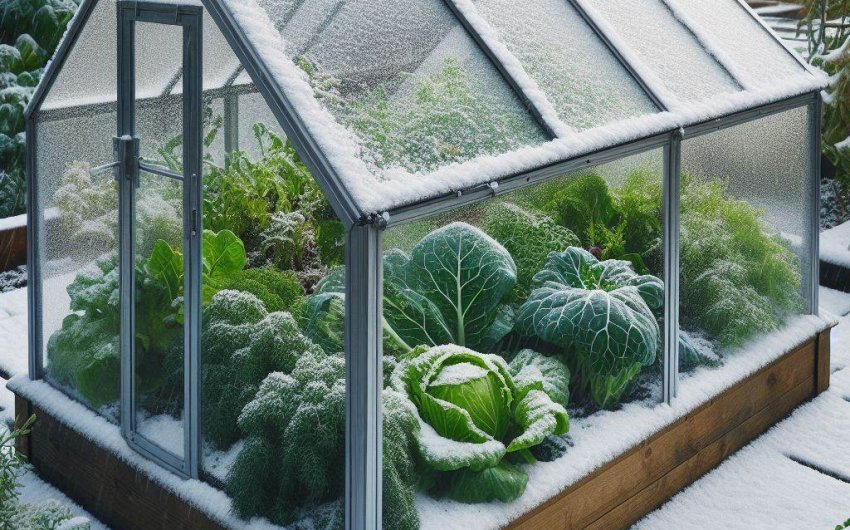
The idea of harvesting fresh vegetables from your garden in the middle of winter might sound like a dream, especially if you live in a cold climate. But with a simple, unheated structure called a cold frame, this dream can become a delicious reality! A cold frame is essentially a bottomless box with a transparent lid that acts like a mini-greenhouse, trapping solar heat and protecting plants from harsh winter winds, snow, and extreme cold. It extends your gardening season significantly, allowing you to enjoy fresh, homegrown produce long after the first frost, and even get a head start on spring. Knowing the best winter vegetables to grow in cold frames is the key to unlocking this amazing potential.
What is a Cold Frame and Why Use One for Winter Gardening?
A cold frame is a low structure, typically made of wood, brick, or metal, with a sloping, transparent top (often glass or polycarbonate) that allows sunlight in and traps heat. They are commonly used in vegetable gardens to:
- Extend the Growing Season: This is their primary function. They allow you to start plants earlier in spring, harden off seedlings, and, crucially, keep plants growing and harvesting into late fall and even all winter in many regions.
- Protect from Cold: They shield plants from frost, snow, and freezing winds, creating a warmer microclimate inside.
- Accelerate Growth: The trapped heat encourages faster growth, even when outdoor temperatures are cool.
- Save Money: Fresh winter produce from the grocery store can be expensive. Growing your own saves you money and trips to the store.
- Freshness: Nothing beats the taste of homegrown vegetables, especially when they're harvested fresh in the depths of winter.
You can buy a ready-made cold frame kit or build your own from lumber, old windows, or polycarbonate panels.
Key Considerations for Cold Frame Winter Gardening
Before you plant, keep these points in mind for successful winter cold frame gardening:
1. Timing is Crucial
- Fall Planting is Key: Most winter vegetables for cold frames should be planted in late summer or early fall. The goal is for plants to get established and grow to a decent size before the deep cold of winter sets in. They will then simply survive and grow slowly (or pause growth) through winter, ready to bolt with fresh leaves when days lengthen in late winter/early spring.
- Check Your Zone: Your USDA Plant Hardiness Zone impacts how effectively a cold frame can extend your season. In milder climates (Zone 7+), you might get continuous growth. In colder zones (Zone 5-6), you might see growth pause but plants will survive to produce an early spring harvest.
2. Location Matters
- Sunlight: Place your cold frame in a spot that receives maximum winter sunlight, ideally 6-8 hours of direct sun. A south-facing location is usually best.
- Drainage: Ensure the site has good drainage to prevent waterlogging, which can rot roots. A raised garden bed with a cold frame on top works perfectly.
- Shelter: Position it away from strong winter winds if possible.
3. Soil Health
- Nutrient-Rich: Start with fertile, well-draining soil. Amend your cold frame beds with plenty of finished compost before planting. This provides nutrients and improves soil structure. A soil test kit can help you know what your soil needs.
- No-Dig Approach: Many cold frame gardeners use a no-dig method, simply adding layers of compost and organic matter to the surface without disturbing the soil structure.
4. Ventilation is Essential
- Prevent Overheating: On sunny winter days, even when it's cold outside, the inside of a cold frame can heat up dramatically. This can cook your plants or encourage fungal diseases.
- "Venting": You must open the lid of your cold frame (vent it) on warm, sunny days when the inside temperature rises above 45-50°F (7-10°C). Close it again before sunset to trap warmth for the night. A cold frame automatic opener can do this for you.
- Thermometer: Keep a garden thermometer inside your cold frame to monitor temperatures.
5. Watering
- Less is More: Plants in a cold frame will need significantly less water than in summer. The enclosure reduces evaporation.
- Water Sparingly: Water only when the soil feels dry to the touch, and preferably on a sunny morning so the leaves have time to dry before evening. Overwatering in cold conditions can lead to root rot. A small watering can is handy.
The Best Winter Vegetables for Cold Frames
These crops are known for their cold tolerance and ability to thrive (or survive) in the protected environment of a cold frame.
1. Spinach
A true champion of cold weather, spinach is a top choice for cold frames.
- Why it's great: Extremely cold-hardy, produces abundant leaves, and has excellent flavor, often tasting sweeter after a light frost.
- When to plant: Sow seeds in late summer to early fall. You want them to grow to a good size before the short days and deep cold arrive.
- Harvest: You can often harvest leaves throughout winter by picking the outer leaves, allowing the plant to continue producing. Growth will slow down in the coldest months but pick up rapidly in late winter/early spring.
- Recommended varieties: 'Tyee', 'Bloomsdale Long Standing', 'Giant Winter'.
2. Kale
Another super-hardy leafy green, kale is perfect for cold frames.
- Why it's great: Like spinach, kale becomes sweeter after a frost. It's incredibly nutritious and provides a steady supply of greens.
- When to plant: Plant seeds or small seedlings in late summer to early fall.
- Harvest: 'Cut-and-come-again' harvesting is perfect. Pick outer leaves as needed.
- Recommended varieties: 'Red Russian', 'Siberian', 'Lacinato' (Dinosaur Kale).
3. Lettuce
While many lettuce varieties are sensitive to frost, there are specific winter-hardy lettuce types that thrive in cold frames.
- Why it's great: Provides fresh salad greens when outdoor gardens are dormant.
- When to plant: Sow seeds in late summer to early fall.
- Harvest: 'Cut-and-come-again' harvesting.
- Recommended varieties: 'Winter Density', 'Rouge d'Hiver', 'Arctic King', 'Buttercrunch' (some hardiness).
4. Arugula (Rocket)
This peppery green is surprisingly cold-tolerant and adds a kick to winter salads.
- Why it's great: Fast-growing and adds unique flavor.
- When to plant: Sow seeds in late summer to early fall.
- Harvest: Leaves can be harvested when young and tender.
- Recommended varieties: Standard arugula, or a hardier variety like 'Sylvetta'.
5. Mache (Corn Salad)
Perhaps one of the most cold-hardy leafy greens.
- Why it's great: Can tolerate very low temperatures, even below freezing, especially with cold frame protection. Has a mild, nutty flavor.
- When to plant: Sow seeds in early fall.
- Harvest: Harvest individual rosettes of leaves.
6. Swiss Chard
With its vibrant stems and earthy leaves, Swiss chard is a beautiful and resilient choice.
- Why it's great: Very cold-tolerant and provides a continuous harvest.
- When to plant: Plant seeds or small seedlings in late summer to early fall.
- Harvest: 'Cut-and-come-again'.
- Recommended varieties: 'Bright Lights' (for color), 'Fordhook Giant'.
7. Asian Greens (e.g., Mizuna, Tatsoi, Pak Choi)
Many Asian greens are remarkably cold-hardy.
- Why it's great: Fast-growing, diverse flavors, and good for stir-fries.
- When to plant: Sow seeds in early fall.
- Harvest: Leaves can be harvested young or allowed to mature.
- Recommended varieties: 'Mizuna', 'Tatsoi', cold-tolerant 'Pak Choi' varieties.
8. Radishes
For a super-early spring harvest, radishes are a great choice.
- Why it's great: Grow very quickly and can be planted in late fall for a burst of spring flavor.
- When to plant: Sow seeds in late fall, just before the ground freezes. They will germinate as soon as the soil thaws in early spring.
- How to plant: Sow seeds 1/2 inch deep.
- Harvest: As soon as conditions allow in early spring.
9. Carrots
While a cold frame won't necessarily yield full-sized carrots in winter, you can get "baby carrots" or a very early spring crop.
- Why it's great: Sweet, tender roots.
- When to plant: Sow seeds in late fall, just before the ground freezes. The seeds will overwinter and sprout in early spring.
- How to plant: Sow thinly, 1/4 to 1/2 inch deep.
- Harvest: Small, tender carrots in early spring, or let them size up for a later harvest.
- Recommended varieties: 'Danvers 126', 'Nantes', 'Little Finger'.
10. Scallions (Green Onions)
These are very easy to grow in a cold frame.
- Why it's great: Provides fresh green onions for cooking.
- When to plant: Plant onion sets or small seedlings in early fall.
- Harvest: Snip greens as needed throughout winter and into spring.
11. Parsley
A hardy biennial herb that thrives in cool conditions.
- Why it's great: Fresh parsley all winter!
- When to plant: Plant seeds or small plants in early fall.
- Harvest: 'Cut-and-come-again'.
- Recommended varieties: 'Italian Flat Leaf' or 'Moss Curled'.
Setting Up Your Cold Frame for Success
- Site Preparation: Choose a sunny, well-drained spot. If building your own, ensure the back is taller than the front to create a slope for the lid, allowing maximum sun entry and rain runoff.
- Good Soil: Fill your cold frame with a good quality, well-draining potting mix or amend your garden soil with plenty of compost.
- Planting: Space plants appropriately, but you can plant a bit closer than in summer as growth will be slower.
- Initial Watering: Water thoroughly after planting.
- Lid Management: Get into the habit of checking the internal temperature daily. Open the lid during sunny days for ventilation (prop it up with a wooden block or stick) and close it before nightfall or when temperatures drop.
- Snow Management: Clear heavy snow off the lid to allow sunlight to penetrate. A soft brush can be useful.
- Pest Control: While fewer pests are active in winter, keep an eye out. Slugs can sometimes be an issue in damp conditions. Use slug bait or hand-pick.
- Long-Term Strategy: Think about succession planting within your cold frame. As one crop finishes, prepare the soil and plant another.
Cold frame gardening is a rewarding way to extend your gardening season and enjoy fresh, homegrown produce throughout the colder months. With a little planning, the right winter vegetables, and diligent care, your cold frame can become a productive oasis in your winter landscape.