
What to Plant in Late Fall for Early Spring Harvest?
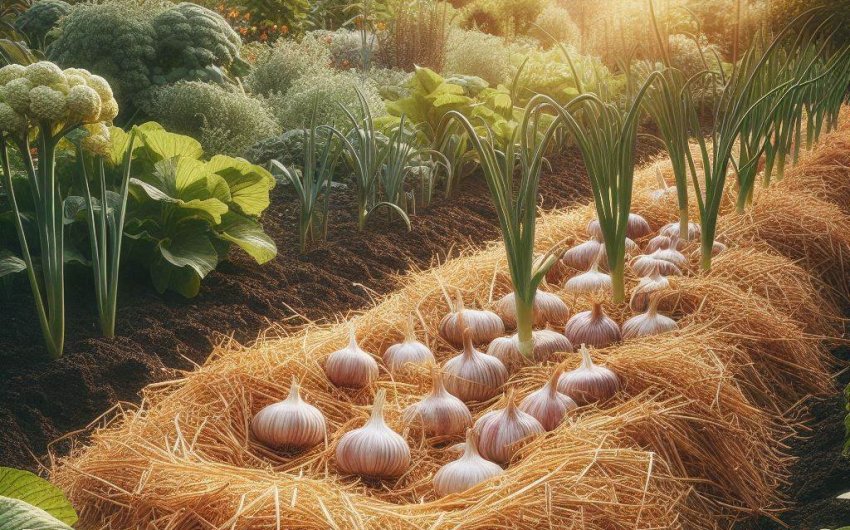
As the vibrant colors of autumn sweep across the landscape, many gardeners start thinking about putting their beds to rest for winter. But wait! For savvy growers, late fall isn't the end of the gardening season; it's the beginning of the next one. By strategically planting certain crops before the ground freezes solid, you can get a fantastic head start on your spring garden, often enjoying fresh harvests weeks or even months earlier than if you waited until spring. This practice is often called fall planting or winter sowing, and it's a secret weapon for an abundant and extended harvest season. Knowing what to plant in late fall for early spring harvest can transform your gardening year.
Why Plant in Late Fall?
You might wonder why you would bother planting when temperatures are dropping. There are several excellent reasons:
- Early Harvests: This is the biggest draw. Imagine harvesting fresh spinach or radishes in early spring, while your neighbors are just starting to sow their seeds.
- Stronger Plants: Many cool-season crops benefit from the period of cold dormancy. They develop robust root systems before spring, leading to healthier, more resilient plants.
- Beat the Heat: For crops that bolt (go to seed prematurely) in early summer heat, getting them established in cool conditions allows them to mature before temperatures get too high.
- Reduced Pest Pressure: Many common garden pests are less active in early spring, giving your newly emerging plants a fighting chance.
- Optimized Space: You're utilizing your garden beds during a time they would otherwise be empty, maximizing your growing space.
- Less Spring Rush: With some planting done in fall, your spring gardening workload is lighter, allowing you more time for other tasks.
Understanding the "Dormancy" Concept
The key to fall planting for spring harvest is understanding how certain plants handle cold. You're generally not expecting growth through winter (unless you're in a very mild climate or using protection like cold frames). Instead, you're planting seeds or bulbs that will:
- Stratify: Some seeds need a period of cold (called cold stratification) to break their dormancy and be ready to sprout when spring arrives. Planting them in fall naturally provides this.
- Establish Roots: For bulbs and some perennials, fall planting allows them to develop a strong root system before the ground freezes, giving them a head start on spring growth.
- Survive Winter: The plants or seeds are hardy enough to survive the cold, often going dormant, and then resume active growth as soon as temperatures are favorable in early spring.
Key Factors for Successful Fall Planting
Before you plant, consider these important elements:
1. Know Your Hardiness Zone and First Frost Date
- Hardiness Zone: This helps you determine which plants are likely to survive winter in your area.
- First Frost Date: Most fall planting should occur a few weeks before your average first hard frost. This allows seeds to germinate and seedlings to get established, or bulbs to root, before the ground freezes solid. You want some initial growth, but not so much that tender foliage is exposed to prolonged hard freezes.
2. Soil Preparation
- Well-Drained Soil: This is critical! Wet, soggy soil that freezes and thaws can lead to rot for many plants. Ensure your garden beds or raised beds have excellent drainage. Amend heavy clay soils with plenty of organic matter like finished compost.
- Nutrient Rich: While plants won't be actively feeding much in winter, adding compost in fall will replenish nutrients used by summer crops and improve soil structure. Gently work it into the top few inches with a garden fork.
3. Mulch
- Insulation: After planting, apply a generous layer (2-4 inches) of mulch such as straw, shredded leaves, or pine needles. This acts as insulation, helping to regulate soil temperature, prevent rapid freezing and thawing cycles (which can heave plants out of the ground), and suppress winter weeds.
4. Protection (Optional, but Recommended for Earlier Harvests)
- Row Covers: A floating row cover can be draped over newly planted areas to offer a few degrees of frost protection, allowing seeds to germinate a bit longer or plants to survive colder snaps.
- Cold Frames: A cold frame placed over a raised bed provides excellent protection, trapping solar heat and significantly extending the growing season.
- Cloches: Individual plant cloches can protect single plants.
What to Plant in Late Fall for Early Spring Harvest
Here are some of the best vegetables and plants to put in the ground in late fall for a delightful early spring bounty:
1. Garlic (The Fall Planting Superstar)
Garlic is perhaps the most popular and rewarding fall-planted crop.
- What to Plant: Use garlic bulbs specifically sold for planting (called "seed garlic") from a reputable nursery or seed company, not grocery store garlic (which is often treated to prevent sprouting or may carry diseases). Choose between hardneck (best for colder climates, produces a flower stalk called a "scape") and softneck (braidable, milder flavor).
- When to Plant: Plant 4-6 weeks before your ground freezes. In many regions, this is late September, October, or early November.
- How to Plant: Break the bulb into individual cloves, leaving the papery wrapper on. Plant each clove, pointy end up, about 2-4 inches deep and 4-6 inches apart. Cover with soil and then a 4-6 inch layer of straw mulch.
- Harvest: Scapes in late spring, and full bulbs in mid-summer after the leaves start to yellow.
2. Onions
Similar to garlic, planting onion sets or perennial onion bulbs in fall can give you a head start.
- What to Plant:
- Onion Sets: Small, immature onion bulbs are ideal. Choose a variety suited for your day length (long-day for northern climates, short-day for southern).
- Perennial Onions: Multiplier onions, Egyptian walking onions, or potato onions are great for fall planting as they come back year after year.
- When to Plant: Plant onion sets about 4-6 weeks before a hard frost.
- How to Plant: Plant onion sets about 1-2 inches deep and 3-4 inches apart.
- Harvest: Green onions (scallions) in early spring; full bulbs in early summer.
3. Broad Beans (Fava Beans)
These hardy legumes are excellent for improving soil and providing an early crop.
- What to Plant: Choose cold-tolerant varieties of broad bean seeds.
- When to Plant: Plant 6-8 weeks before a hard frost. They need to establish roots before freezing.
- How to Plant: Plant broad bean seeds 1-2 inches deep and 4-6 inches apart.
- Harvest: Pods in late spring to early summer.
4. Peas (Winter-Hardy Varieties)
While most people plant peas in spring, certain "winter-hardy" or "snap" pea varieties can be fall-planted.
- What to Plant: Look specifically for winter-hardy pea seeds in seed catalogs.
- When to Plant: 4-6 weeks before your first hard frost.
- How to Plant: Plant pea seeds 1 inch deep and 2 inches apart along a trellis or other support system.
- Harvest: Pods in late spring.
5. Spinach
A champion of cold weather, spinach can be fall-planted for an early spring harvest.
- What to Plant: Any variety of spinach seeds.
- When to Plant: Sow spinach seeds 4-6 weeks before the first hard frost. You want them to germinate and put out a few true leaves before winter dormancy.
- How to Plant: Sow seeds about 1/2 inch deep.
- Harvest: Leaves in early spring. You can often get multiple cuttings.
6. Kale
Another incredibly cold-tolerant leafy green.
- What to Plant: Any variety of kale seeds, especially hardy types like 'Red Russian' or 'Siberian'.
- When to Plant: Sow kale seeds 6-8 weeks before your first hard frost. Similar to spinach, you want small plants to establish before winter.
- How to Plant: Sow seeds 1/2 inch deep.
- Harvest: Tender leaves in early spring.
7. Other Hardy Greens
- Arugula: Can often be fall-planted for an early, peppery spring crop.
- Mache (Corn Salad): Very cold-tolerant and great for mild winter climates.
- Mustard Greens and Asian Greens: Some varieties are quite hardy and can be fall-planted.
8. Root Vegetables (for an Early Spring Flush)
- Carrots: While you won't get full-sized carrots, fall-planted carrot seeds can sprout early in spring for small, tender "baby carrots."
- Radishes: Very fast-growing. Fall-planted radish seeds can give you super early spring radishes.
- Beets: Plant beet seeds for either early spring greens or small beetroots.
9. Perennial Herbs
Many perennial herbs benefit from fall planting or can be divided and replanted in fall.
- Chives: A clump of chives planted in fall will give you fresh green shoots very early in spring.
- Mint: Hardy and spreads easily. Fall planting allows it to establish.
- Oregano and Thyme: These hardy herbs can be planted in fall.
- Rhubarb: A perennial, fall is a great time to plant rhubarb crowns.
10. Spring-Flowering Bulbs (Ornamentals)
While not for eating, fall is the essential time to plant bulbs for a stunning spring display.
- What to Plant: Tulip bulbs, daffodil bulbs, crocus bulbs, hyacinth bulbs, and other spring-flowering bulbs.
- When to Plant: Plant bulbs when nighttime temperatures consistently stay between 40-50°F (4-10°C), usually October or November in most zones. You want them to establish roots before the ground freezes solid.
- How to Plant: Plant bulbs at the recommended depth (usually 2-3 times the height of the bulb) with the pointy end up. A bulb planter can make the job easier.
Essential Tools for Fall Planting
Having the right garden tools makes fall planting much more enjoyable.
- Garden Fork: For loosening soil and incorporating compost.
- Hand Trowel: For planting individual bulbs or small plants.
- Garden Gloves: Protect your hands from cold and dirt.
- Seed Packets: Ensure you have the right cold-hardy varieties.
- Mulch Material: Bags of straw, shredded leaves, or pine needles.
- Watering Can: For initial watering after planting.
- Optional for Protection: Hoops and row covers, or a cold frame kit.
By strategically planting in late fall, you're not just closing out one season; you're actively preparing for the next. It’s a wonderful way to extend your gardening joy and enjoy fresh harvests earlier in spring, making the most of your garden beds all year long.