
How to Overwinter Container Plants Successfully?
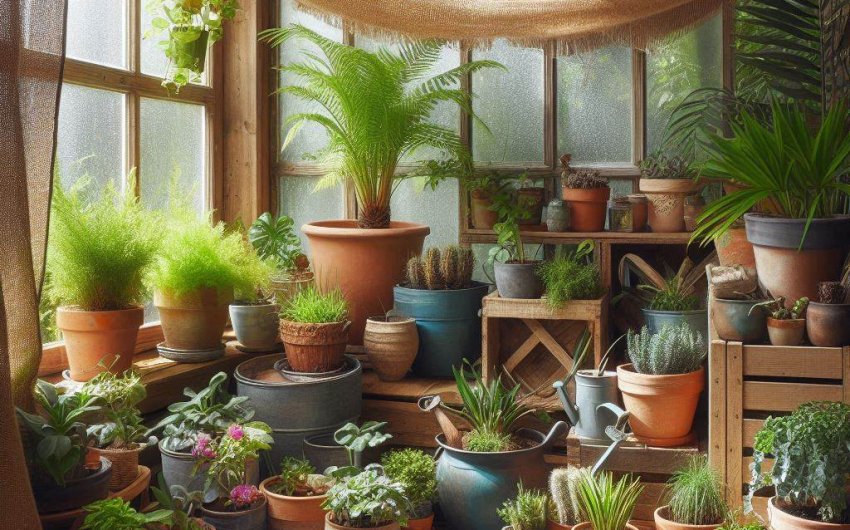
As the days shorten and the chill of autumn fills the air, many gardeners start thinking about putting their outdoor plants to bed for winter. But what about those beautiful container plants that brought so much joy to your patio or porch all summer? Unlike plants in the ground, which benefit from the insulating properties of the earth, potted plants are much more vulnerable to freezing temperatures. Their roots are exposed to the cold on all sides, making them susceptible to damage or even death. Learning how to overwinter container plants successfully is a vital skill for any container gardener, allowing you to save your beloved plants and get a head start on next spring's greenery.
Why Overwinter Container Plants?
Beyond saving money on replacing plants each year, there are several compelling reasons to consider overwintering container plants:
- Preserve Valued Plants: Some plants, like certain herbs, tropicals, or sentimental favorites, are worth saving.
- Grow Larger Plants: Allowing plants to mature over several seasons can lead to larger, more robust specimens, especially for shrubs or small trees in containers.
- Early Start for Next Season: Overwintered plants often "wake up" faster in spring than newly purchased ones, giving you earlier blooms or harvests.
- Cost Savings: Replacing expensive annuals or tender perennials every year adds up. Overwintering can significantly cut down on your gardening budget.
- Unique Varieties: You might have a specific variety that's hard to find locally. Overwintering ensures you keep it.
When to Start Overwintering Preparations
Timing is crucial. Don't wait until the first hard freeze!
- Monitor Temperatures: Start preparing when nighttime temperatures consistently drop below 45-50°F (7-10°C). This is typically when many tender plants start to slow down their growth.
- Before Hard Frosts: The goal is to move plants indoors or provide protection before the first hard frost (temperatures at or below 32°F / 0°C). A garden thermometer can help you keep track. Even a light frost can damage sensitive foliage.
Assessing Your Plants for Overwintering
Not all container plants are good candidates for overwintering indoors.
What to Overwinter:
- Tender Perennials: Plants that are perennial in warmer climates but annual in colder zones (e.g., geraniums, fuchsias, impatiens, canna lilies, dahlias).
- Tropical Plants: Hibiscus, bougainvillea, citrus trees, mandevilla, ferns.
- Herbs: Rosemary, bay laurel, lemon verbena, stevia.
- Fig Trees and other tender fruit trees in pots.
- Sentimental Favorites: Any plant you'd be sad to lose!
What Not to Overwinter (or is difficult):
- Annuals from Seed: Most annuals grown from seed complete their life cycle in one season. It's usually easier to start fresh next spring.
- Diseased or Pest-Ridden Plants: Bringing sick plants indoors can spread problems to your houseplants. It's often better to discard them.
- Too Large Plants: If a plant is too big to comfortably fit in your indoor space or move without damaging it, it might be best to let it go.
General Steps for Overwintering Container Plants
Regardless of where you overwinter your plants, these preparation steps are essential:
1. Clean and Inspect Your Plants
This is perhaps the most critical step to prevent bringing pests indoors.
- Inspect Thoroughly: Carefully check all parts of the plant – tops of leaves, undersides of leaves, stems, and even the soil surface – for any signs of pests (aphids, spider mites, mealybugs, whiteflies) or diseases. Use a magnifying glass for tiny critters.
- Prune: Cut back any dead, yellowing, or diseased foliage. You can also prune plants to a more manageable size for indoor spaces. Use sharp pruning shears.
- Clean the Pot: Wipe down the outside of the plant pot to remove dirt and any clinging pests.
- Shower the Plant: For plants that can handle it, give them a good spray with a garden hose or even a shower in the bathroom. This physically dislodges many pests.
- Treat Pests: If you find pests, treat them before bringing the plant inside.
- Insecticidal Soap: Spray thoroughly, covering all leaf surfaces. Repeat as directed. A spray bottle can be used.
- Neem Oil: An organic pesticide that disrupts insect life cycles.
- Manual Removal: For larger pests like slugs or snails, simply pick them off.
- Avoid Systemic Pesticides: If you're bringing plants that you will eventually eat (like herbs), avoid systemic pesticides that are absorbed by the plant.
- Quarantine: Even after inspection and treatment, it's a good idea to keep newly indoor plants separated from your existing houseplants for a week or two to monitor for any hidden pests.
2. Adjust Watering and Feeding
- Reduce Watering: As plants prepare for dormancy, they need less water. Reduce watering significantly, only watering when the top few inches of soil are dry to the touch. Overwatering is a common killer of overwintered plants.
- Stop Fertilizing: Do not fertilize plants you are preparing to overwinter, especially if they are going dormant. Fertilizing encourages new growth, which is tender and susceptible to cold or pest attack.
Methods for Overwintering Container Plants
The best method depends on your plant type, your climate, and the space you have available.
Method 1: Bringing Plants Indoors (Active Growth)
This method is for plants that need to continue actively growing throughout winter, often tropicals or houseplants that were summering outdoors.
- Location: Choose a spot with adequate light. Most plants prefer a bright, sunny window (south-facing is often best). If light is insufficient, consider grow lights. A plant stand or plant shelf can help organize plants.
- Temperature: Aim for consistent room temperature (60-70°F / 15-21°C). Avoid drafts from doors or windows.
- Humidity: Indoor air can be very dry, especially with heating systems. Many plants (especially tropicals) benefit from increased humidity. Use a plant humidifier, place plants on pebble trays (trays filled with pebbles and water, ensuring the pot doesn't sit in the water), or mist plants occasionally. A hygrometer can measure humidity.
- Watering: Water only when the top inch or two of soil is dry. Stick your finger into the soil to check. Overwatering is the biggest risk indoors.
- No Fertilizer: Continue to withhold fertilizer until active growth resumes in spring.
- Pest Monitoring: Even after cleaning, keep an eye out for pests. They can reproduce quickly in indoor environments.
Method 2: Bringing Plants Indoors (Dormant or Semi-Dormant)
This method is for plants that enter a period of rest or dormancy, such as many tender perennials (e.g., geraniums, fuchsias) or bare-root bulbs.
- Location: A cool, dark, frost-free location is ideal. Think of a cool basement, an unheated garage, a shed, or even a well-insulated crawl space. The temperature should be consistently above freezing (35-50°F / 2-10°C).
- Pruning: For plants like geraniums, you can prune them back severely (to about 6-8 inches) before storing. For tubers (like dahlias, canna lilies), dig them up, clean off excess soil, and store them in a cool, dark, dry place in a box filled with peat moss, vermiculite, or dry wood shavings.
- Watering:
- Dormant Plants: Water very sparingly, perhaps once a month or less, just enough to prevent the roots from completely drying out and shriveling. The goal is to keep them barely moist.
- Tubers/Bulbs: Do not water stored tubers or bulbs. They should be kept dry.
- No Light Needed: Since these plants are dormant, they don't need light.
- Pest Control: Pests are less of an issue in dormant, cool conditions, but still inspect before storing.
Method 3: Protecting Plants Outdoors (for Mild Climates or Hardy Plants)
If you live in a milder climate (Zone 7+) or have plants that are borderline hardy, you might be able to leave them outdoors with extra protection.
- Group Pots Together: Cluster potted plants tightly against a sheltered wall (like your house), which radiates heat. This creates a microclimate, and the combined mass of pots offers insulation.
- Insulate Pots:
- Wrap Pots: Wrap the sides of the pots with burlap, bubble wrap, old blankets, or straw. You can use twine or duct tape to secure the insulation. This protects the root ball from freezing.
- Bury Pots: For even better insulation, dig a hole and sink the entire plant pot into the ground.
- Pot-in-Pot Method: Place the entire plant pot (with drainage holes) inside a larger container and fill the space between the two with straw, shredded leaves, or bubble wrap.
- Mulch the Top: Apply a layer of straw or shredded leaves on top of the soil in the pot to provide extra insulation for the roots.
- Elevate Pots: If possible, elevate pots slightly off the ground using pot feet or bricks to ensure good drainage and prevent them from freezing to the patio surface.
- Water Sparingly: Water only when the soil is dry, especially on warmer winter days. Avoid watering if freezing temperatures are expected immediately after, as the water can freeze in the pot.
- Provide Overhead Protection: If possible, place plants under an overhang, patio cover, or even construct a temporary mini-shelter to protect them from excessive rain and snow. A patio cover can provide crucial protection.
Method 4: Burying the Entire Plant (for Very Hardy Perennials)
For very hardy perennials that you want to move from ground to container, you can temporarily bury the entire container in the ground.
- Dig a Hole: Dig a hole in a well-drained spot in your garden large enough to accommodate the entire pot.
- Bury the Pot: Place the pot in the hole so the rim is level with or slightly below the surrounding soil.
- Mulch Heavily: Backfill around the pot with soil and then apply a thick layer of mulch (6-12 inches) over the entire area, including the pot and plant top.
Waking Up Overwintered Plants in Spring
When spring arrives, it's time to slowly bring your plants back to life.
- Gradual Acclimation: Don't move plants directly from a dark basement into full sun. Gradually expose them to increasing light and warmer temperatures over a week or two. This is called "hardening off."
- Prune Dead Material: Remove any remaining dead or shriveled growth.
- Check Moisture: Water thoroughly as active growth resumes.
- Repotting/Refresh Soil: Consider repotting plants into a slightly larger plant pot with fresh potting mix, or at least top-dressing with fresh compost if they are root-bound.
- Start Fertilizing: Once new growth appears, begin fertilizing with a balanced liquid fertilizer or slow-release granules.
- Monitor for Pests: Even though they were dormant, keep an eye out as pests can sometimes emerge with new growth.
Overwintering container plants takes a bit of effort, but the rewards are well worth it. By providing the right care and protection during the colder months, you can enjoy your favorite plants year after year, saving money, preserving special varieties, and getting a head start on a vibrant garden when spring finally arrives.