
How to Make a Vertical Garden Wall for Decor?
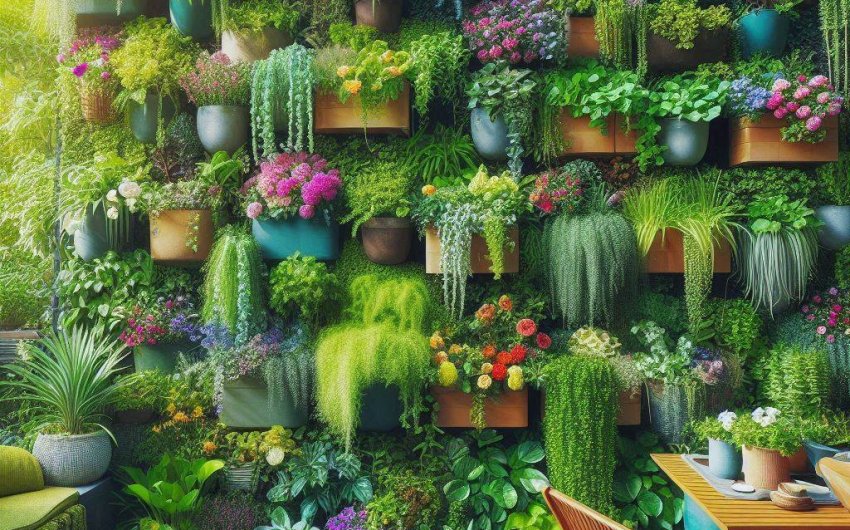
To make a vertical garden wall for decor, select a sturdy structure like a pallet, wall-mounted planter system, or hanging pockets, and choose plants that suit your light conditions and aesthetic vision. This project transforms a plain wall into a living art piece, bringing vibrant greenery and natural beauty into any space.
Why Create a Vertical Garden Wall for Decor?
Creating a vertical garden wall for decor is an innovative and highly effective way to add vibrant greenery, natural beauty, and a unique focal point to any indoor or outdoor space. It transforms otherwise unused wall areas into living art, maximizing visual impact while offering practical gardening solutions.
The Alluring Benefits of a Decorative Vertical Garden Wall
- Maximizes Space: This is perhaps the most significant advantage. Vertical gardens allow you to grow a substantial number of plants in a very small footprint, making them ideal for apartments, balconies, small patios, or even tight indoor corners where horizontal space is limited.
- Stunning Aesthetic Appeal: A lush vertical garden is a breathtaking living installation. It brings texture, color, and natural movement to a plain wall, creating an instant "wow" factor. It's truly a piece of living art that evolves with the seasons and plant growth.
- Enhances Ambiance: The presence of abundant greenery has a proven calming and mood-boosting effect. A vertical garden wall brings a sense of tranquility, freshness, and connection to nature, transforming the overall ambiance of a room or outdoor area.
- Improved Air Quality (Indoor): For indoor vertical gardens, plants naturally filter toxins from the air and increase oxygen levels, contributing to a healthier indoor environment.
- Noise Reduction (Outdoor): A dense vertical garden can help absorb sound waves, providing a subtle level of noise reduction in busy urban environments or near noisy areas.
- Temperature Regulation: Outdoors, a vertical garden can help cool a wall by absorbing sunlight and releasing moisture through transpiration. Indoors, it can provide slight insulation.
- Conceals Imperfections: A living wall can beautifully hide unsightly fences, drab walls, exposed pipes, or other less-than-attractive features in your space.
- Versatile Design: Vertical garden systems come in various styles, from rustic pallet designs to sleek, modular wall-mounted planters, allowing you to match your existing decor.
- Accessible Gardening: For those with limited mobility, a vertical garden brings plants up to a comfortable working height, making gardening more accessible.
- Supports Biodiversity (Outdoor): An outdoor vertical garden with appropriate plants can attract pollinators like butterflies and bees, contributing to local biodiversity.
Whether your goal is to add a dramatic decorative element, utilize compact spaces, or simply immerse yourself in more greenery, a vertical garden wall for decor is a brilliant and beautiful solution.
What Are the Different Types of Vertical Garden Wall Systems?
When planning to make a vertical garden wall for decor, understanding the various types of systems available is key. Each system offers different aesthetics, installation methods, and suitability for various plant types and locations.
Common Vertical Garden Wall Systems
Pocket Planter Systems (Felt/Fabric or Plastic):
- Description: These systems feature multiple individual pockets arranged in rows, typically made from recycled felt, non-woven fabric, or rigid plastic. They are usually hung or mounted directly onto a wall.
- Pros:
- Lightweight: Easy to install and move (especially fabric versions).
- Affordable: Often the most budget-friendly option.
- Breathable (Fabric): Fabric pockets promote good air circulation to roots and prevent overwatering.
- Flexible: Can be adapted to various wall sizes.
- Cons:
- Dries Quickly (Fabric): Requires frequent watering, especially in hot or windy conditions.
- Drainage: Water can run from upper pockets to lower ones, potentially overwatering lower plants.
- Durability: Fabric can degrade over time; plastic versions are more rigid but less breathable.
- Ideal For: Small-scale decorative walls, herbs, annuals, succulents. A vertical garden planter wall mount is common.
Modular Panel Systems (Plastic, Metal, or Wood):
Advertisement- Description: These consist of individual, interlocking, or attachable modules (cells, pots, or trays) that create a grid-like structure. Plants are usually planted directly into each module.
- Pros:
- Scalable: Can be expanded or reconfigured easily.
- Clean Look: Creates a more organized and modern aesthetic.
- Good Drainage: Many have built-in irrigation or individual drainage channels.
- Sturdy: More robust than pocket systems.
- Cons:
- More Expensive: Higher initial investment.
- Heavier: Requires stronger mounting points.
- Installation: Can be more complex to install than simple pockets.
- Ideal For: Larger, more permanent decorative walls, a wider range of plants including small edibles.
Trellis/Grid Systems with Mounted Pots:
- Description: A sturdy frame (metal grid, wooden lattice, or repurposed pallet) is mounted to the wall, and individual pots, often with hooks or clips, are hung from the grid.
- Pros:
- Customizable: Allows you to easily rearrange or replace individual pots.
- Good Airflow: Excellent air circulation around each pot.
- Versatile Aesthetics: Can range from rustic (pallet) to industrial (metal grid).
- Easy to Water: Water each pot individually.
- Cons:
- Less "Green Wall" Effect: More of a potted display on a wall.
- Pot Weight: Need to ensure hooks and grid can support pots filled with wet soil.
- Ideal For: Herbs, small flowers, succulents, or creating a gallery-style plant display. A wall-mounted garden trellis with clip-on pots.
Hydroponic/Recirculating Systems:
- Description: More advanced systems where plants are grown without soil, roots are suspended in nutrient-rich water. Water often recirculates.
- Pros:
- Fast Growth: Often very rapid plant growth.
- Water Efficient: Uses significantly less water.
- Clean: No soil mess.
- Cons:
- Complex: Higher initial cost, requires more technical knowledge to set up and maintain nutrient balances.
- Equipment: Requires pumps, reservoirs, and specialized lighting.
- Ideal For: Tech-savvy gardeners, growing edibles indoors, or a very modern aesthetic.
When deciding how to make a vertical garden wall for decor, consider the weight, watering needs, and plant compatibility of each system, along with your budget and DIY skill level.
What Plants Are Best for a Decorative Vertical Garden Wall?
Choosing the right plants is paramount when you want to make a vertical garden wall for decor. The best plants for this purpose are those that thrive in confined spaces, tolerate specific watering regimes, and offer continuous visual interest, whether through foliage, flowers, or texture.
Top Plants for a Decorative Vertical Garden Wall
The selection depends heavily on your wall's light exposure (sun vs. shade) and whether it's indoors or outdoors.
For Sunny/Bright Light (Indoor/Outdoor)
- Succulents:
- Why great: Extremely drought-tolerant, come in an incredible variety of shapes, sizes, and colors, creating stunning mosaics. Very low maintenance.
- Examples: Sedum, Echeveria, Sempervivum (Hens and Chicks), Crassula.
- Care: Needs excellent drainage, minimal watering. Perfect for succulent vertical garden planters.
- Herbs:
- Why great: Provide both beauty and functionality. Many love sun and offer wonderful aromas.
- Examples: Rosemary, Thyme, Oregano, Basil, Mint (contain mint in its own pot to prevent overgrowth), Chives.
- Care: Varies by herb; ensure good drainage. Harvest regularly to promote bushiness.
- Flowering Annuals (Outdoor Only - Seasonal Color):
- Why great: Provide continuous bursts of vibrant color throughout the summer.
- Examples: Petunias (trailing varieties), Calibrachoa (Million Bells), Lobelia, Impatiens (New Guinea varieties), Begonias (Wax or Tuberous).
- Care: Requires frequent watering and regular feeding.
- Ferns (some sun-tolerant varieties):
- Examples: Kimberly Queen Fern (more sun tolerant), Lemon Button Fern.
- Care: Prefers consistent moisture.
For Shady/Low Light (Indoor/Outdoor)
- Pothos ( Epipremnum aureum ):
- Why great: Extremely tolerant of low light, vigorous growth, beautiful trailing vines. Easy to care for.
- Examples: Golden Pothos, Jade Pothos, Neon Pothos.
- Care: Allow soil to dry slightly between waterings.
- Philodendron ( Philodendron hederaceum ):
- Why great: Similar to Pothos, easy to care for, with heart-shaped leaves that drape beautifully.
- Examples: Heartleaf Philodendron.
- Care: Tolerates various light levels.
- Ferns (Moisture-Loving):
- Why great: Add lush texture and a jungle-like feel.
- Examples: Boston Fern, Kimberly Queen Fern, Maidenhair Fern (needs high humidity).
- Care: Needs consistent moisture and high humidity.
- Spider Plant ( Chlorophytum comosum ):
- Why great: Easy to grow, produces "spiderettes" that trail nicely, good air purifier.
- Care: Tolerates a range of light and watering.
- Peace Lily ( Spathiphyllum spp. ):
- Why great: Produces elegant white spathes, purifies air.
- Care: Prefers consistently moist soil, low light.
- Begonias (Wax or Tuberous - Indoor/Outdoor):
- Why great: Offer continuous blooms (tuberous) or consistent foliage and small flowers (wax) in shady spots.
- Care: Needs consistent moisture.
General Tips for Plant Selection
- Consider Mature Size: Choose plants that won't quickly outgrow their pockets or modules.
- Similar Needs: Group plants with similar light, water, and humidity requirements in the same section or adjacent pockets.
- Trail and Fill: Combine "spillers" (trailing plants like Pothos, Ivy, Sweet Potato Vine) to drape down and soften edges, with "fillers" (mounding plants) to create density.
- Color and Texture: Mix plants with different leaf colors, shapes, and textures for visual interest.
- Avoid Overplanting: Give plants room to grow. Overcrowding can lead to disease and stunted growth.
By thoughtfully selecting plants tailored to your specific conditions and design goals, you can create a vibrant, thriving vertical garden wall for decor that brings joy and beauty to your space.
How Do I Build a Basic Vertical Garden Wall for Decor? (DIY Guide)
Building a basic vertical garden wall for decor is a rewarding DIY project that can be accomplished with readily available materials. This guide outlines how to create a simple, charming wall using a sturdy wooden pallet or a fabric pocket system.
Option 1: DIY Pallet Vertical Garden Wall
This method uses a repurposed wooden pallet to create a rustic, multi-tiered planter.
Materials & Tools:
- Wooden Pallet: Choose a heat-treated (HT stamped) pallet, not chemically treated (MB stamped). Look for sturdy, clean pallets from local businesses.
- Landscape Fabric: Heavy-duty, breathable landscape fabric.
- Staple Gun and Staples: For attaching fabric.
- Potting Mix: High-quality, lightweight potting mix.
- Plants: Your chosen plants for your light conditions.
- Sandpaper (Optional): To smooth rough edges.
- Exterior Wood Sealer/Paint (Optional): To prolong pallet life.
- Heavy-Duty Wall Mounting Hardware: (e.g., L-brackets, lag screws appropriate for your wall material).
Steps:
- Prepare the Pallet:
- Inspect the pallet for loose boards or splinters. Secure any loose boards with screws.
- Sand down any rough edges (optional, but makes it safer).
- (Optional) Clean the pallet thoroughly with soap and water, rinse, and let dry. Apply an exterior wood sealer or paint for added durability and a desired look. Let it dry completely.
- Create Planting Pockets:
- Lay the pallet flat on the ground with the side that has wider openings (where forks go in) facing up.
- Cut pieces of landscape fabric large enough to create deep "pockets" within each level/opening of the pallet.
- Fold the fabric to form a pouch and staple it securely along the bottom and sides of each opening, ensuring it creates a strong, contained pocket for soil. Overlap and double-staple generously to prevent soil from falling through.
- Ensure there are small gaps or poke a few small holes in the bottom of the fabric for drainage.
- Fill with Soil:
- Carefully fill each fabric pocket with your chosen potting mix. Gently tamp down to remove large air pockets.
- Plant Your Herbs/Flowers/Succulents:
- Carefully plant your chosen plants into each pocket. Consider the "thriller, filler, spiller" concept for visual interest.
- Water thoroughly after planting.
- Mount to the Wall:
- Choose a sturdy wall or fence that can support the significant weight of the pallet, soil, and plants when wet.
- Use heavy-duty L-brackets or French cleats, securely fastened into studs (for wooden walls) or with appropriate masonry anchors (for brick/concrete walls).
- Lift the planted pallet onto the mounted brackets. Ensure it is level and secure.
Option 2: Basic Fabric Pocket Vertical Garden
This is one of the simplest and most cost-effective ways to make a decorative vertical garden.
Materials & Tools:
- Fabric Pocket Planter: These are readily available online or at garden stores (e.g., fabric vertical garden planter).
- Potting Mix: High-quality, lightweight potting mix.
- Plants: Your chosen plants.
- Heavy-Duty Wall Mounting Hooks/Screws: (e.g., robust picture hangers, screw hooks, or anchors appropriate for your wall material).
Steps:
- Choose Mounting Location:
- Select a sturdy wall indoors or outdoors that receives the appropriate light for your chosen plants.
- Install Mounting Hardware:
- Follow the instructions for your specific fabric planter. Most have grommets or loops at the top.
- Install sturdy hooks or screws into studs (for drywall/wood) or with appropriate wall anchors (for masonry/plaster). Ensure they are spaced correctly to support the planter's width.
- Verify the weight capacity of your mounting hardware can support the planter full of wet soil and plants.
- Fill Pockets:
- Hang the empty fabric planter on the installed hooks.
- Carefully fill each pocket with your chosen potting mix. Don't overfill, leave a little space for the plant.
- Plant Your Plants:
- Gently insert your plants into each pocket. Arrange them creatively.
- Water Thoroughly:
- Water each pocket thoroughly. Be aware that water will drain from upper pockets to lower ones. Some fabric systems might need a drip tray at the bottom if indoors.
By following these straightforward DIY steps, you can successfully make a vertical garden wall for decor that brings lush, living beauty to your space.
How Do I Maintain a Decorative Vertical Garden Wall?
Maintaining a decorative vertical garden wall is essential to ensure the health and vibrancy of your plants, keeping it a stunning focal point. Due to their unique growing environment, vertical gardens often have specific care requirements.
Essential Maintenance for Your Vertical Garden Wall
Watering (Most Critical!):
- Increased Frequency: Vertical gardens, especially those with fabric pockets, tend to dry out much faster than traditional pots or in-ground gardens due to increased air exposure. You will likely need to water daily, or even twice a day during hot, sunny, or windy weather.
- Feel the Soil/Check Moisture: Stick your finger into the soil of a few pockets. If it feels dry down to an inch or two, it's time to water.
- Top-Down Watering: When watering, start from the top row and allow water to trickle down to the lower pockets. Ensure water reaches all plants.
- Automated Systems (Optional): For larger or more permanent installations, consider installing a simple drip irrigation system connected to a timer. This ensures consistent watering and saves time. A small drip irrigation kit for vertical gardens can be a lifesaver.
Fertilizing:
- Frequent Feeding: Nutrients in potting mix are depleted or leach out faster from vertical garden pockets. Regular feeding is often necessary.
- Type: Use a liquid fertilizer formulated for your specific plants (e.g., all-purpose, or one higher in phosphorus for flowering plants).
- Dilution: Apply at half-strength or quarter-strength every 2-4 weeks during the active growing season (spring/summer). Follow product instructions. An organic liquid plant food is a good choice.
Pruning and Deadheading:
- Deadheading: Regularly snip off spent or faded flowers (deadheading) to encourage continuous blooming for flowering plants.
- Pinching/Pruning: Pinch back leggy growth and prune plants to maintain their size, shape, and health. This encourages bushier growth and prevents overcrowding in the pockets.
- Remove Dead/Diseased Foliage: Promptly remove any yellowing, brown, or diseased leaves to keep the wall looking tidy and prevent disease spread.
Pest and Disease Monitoring:
- Regular Inspection: Inspect your plants frequently for signs of common pests (aphids, spider mites, mealybugs) or diseases (powdery mildew). Check both the top and undersides of leaves.
- Early Intervention: Address any issues promptly. For indoor walls, this might involve wiping leaves with a damp cloth, using insecticidal soap, or neem oil. For outdoor walls, a strong spray of water can dislodge many pests.
- Isolation (Indoor): If one plant is heavily infested, consider removing and treating it separately to prevent spread to other plants on the wall.
Rotation/Replacement:
- For annual flowers or herbs that are past their prime, replace them seasonally to keep the wall looking fresh and vibrant.
- Even perennials might need to be refreshed or replaced every few years if they become too root-bound or decline in vigor.
Structural Integrity Check:
- Periodically inspect the wall mounting hardware, the frame, and the pockets/modules themselves. Ensure everything is secure and no components are showing signs of wear or damage. Tighten any loose screws. This is especially important for safety.
By diligently following these maintenance practices, your vertical garden wall for decor will remain a stunning, living feature that continuously brings beauty and freshness to your space.