
How to Create a Bird-Friendly Garden with Decor?
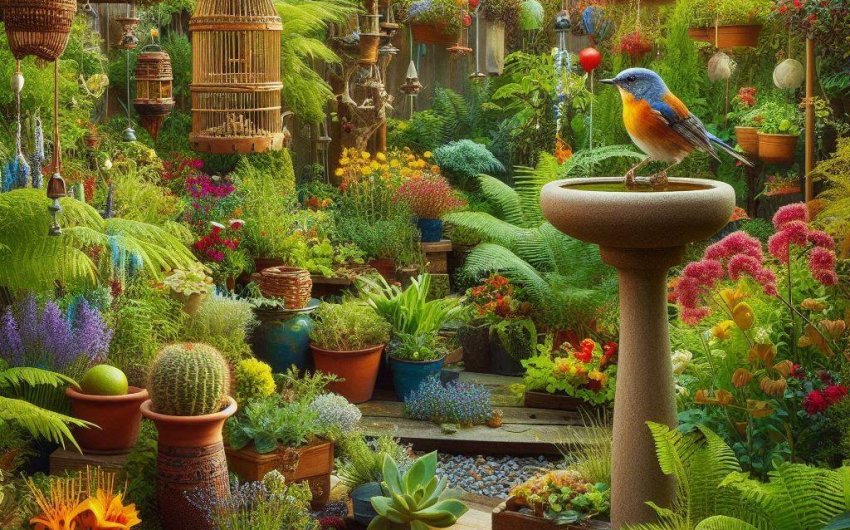
You can create a bird-friendly garden with decor by strategically incorporating elements like bird feeders, bird baths, nesting boxes, and various shelters that provide food, water, and safe havens for birds, all while enhancing your garden's aesthetic appeal. This approach seamlessly blends functionality with visual charm, inviting feathered friends into your outdoor space.
Why Create a Bird-Friendly Garden?
Creating a bird-friendly garden offers a multitude of benefits, not just for the birds themselves, but also for you and your outdoor environment. It's about much more than just putting out a feeder; it's about building an ecosystem.
Ecological Benefits
- Pest Control: Many birds are natural predators of garden pests. Insectivorous birds like chickadees, wrens, and warblers can significantly reduce populations of aphids, caterpillars, beetles, and other common garden nuisances, reducing your reliance on chemical pesticides.
- Pollination: While often overshadowed by bees, some bird species, especially hummingbirds, are important pollinators for certain flowers and plants.
- Weed Control: Birds eat weed seeds, helping to naturally limit the spread of unwanted plants in your garden.
- Seed Dispersal: Birds help disperse seeds, contributing to plant reproduction and biodiversity, often inadvertently.
- Biodiversity: A garden that attracts birds is a sign of a healthier, more diverse ecosystem. Birds are indicators of environmental health, and their presence suggests a balanced natural space.
Aesthetic and Personal Benefits
- Beauty and Sound: Birds add dynamic beauty and delightful sounds to your garden. Their vibrant colors, graceful movements, and varied songs create a lively and engaging atmosphere that enhances relaxation and enjoyment.
- Wildlife Observation: A bird-friendly garden provides a fantastic opportunity for wildlife observation right outside your window. Watching birds interact, feed, and raise their young can be endlessly fascinating and educational for all ages.
- Connection to Nature: For many, cultivating a bird-friendly space deepens their connection to the natural world, offering a sense of peace and contributing to conservation efforts, even on a small scale.
- Educational Opportunities: It's a living classroom for children and adults to learn about local bird species, their behaviors, and their role in the environment.
- Property Value: A beautiful, well-maintained garden that attracts wildlife can enhance the curb appeal and perceived value of your home.
- Stress Reduction: Spending time in nature and observing wildlife is known to reduce stress and improve mental well-being.
By choosing to create a bird-friendly garden, you're not just adding some pretty elements; you're actively participating in supporting local ecosystems and enriching your own outdoor living experience. This intentional design, blending functionality with thoughtful garden decor, truly defines a bird-friendly garden with decor.
What Are the Key Elements of a Bird-Friendly Garden?
To truly create a bird-friendly garden, you need to provide more than just one element; birds require a comprehensive habitat that meets their essential needs. Think of it as providing a "full-service resort" for your feathered guests. The four primary needs are food, water, shelter, and nesting sites.
1. Food Sources
A diverse food supply will attract a wider variety of birds.
- Native Plants: The backbone of a bird-friendly garden. Native plants provide natural food sources like berries, seeds, nectar, and host insects that birds eat. They are adapted to your local climate and support the local food web.
- Bird Feeders: A great way to supplement natural food and attract birds for closer viewing.
- Seed Feeders: Different seeds attract different birds (e.g., black oil sunflower seeds for many species, nyjer for finches).
- Suet Feeders: Provide high-energy fat for insect-eating birds, especially in winter.
- Nectar Feeders: Essential for hummingbirds.
- Fruit Feeders: Attract orioles, catbirds, and others with oranges or grapes.
- Insect Attraction: Plant diverse flora to attract beneficial insects, which are a vital food source, especially for parent birds feeding their young. Avoid pesticides.
- Leaving Seed Heads: Allow some flowers (like coneflowers, sunflowers, or asters) to go to seed, providing natural forage in fall and winter.
2. Water Sources
Clean water is essential for drinking and bathing.
- Bird Baths: The most common way to offer water.
- Shallow: Birds prefer shallow water, 1-2 inches deep.
- Textured surface: Provides grip.
- Cleanliness: Regularly clean to prevent disease.
- Placement: Elevated to deter predators, near cover.
- Drippers or Misters: Moving water attracts birds and keeps the water fresh.
- Small Ponds or Water Features: Can provide larger water sources and attract diverse wildlife.
3. Shelter (Cover)
Birds need places to hide from predators, rest, and escape harsh weather.
- Dense Shrubs: Provide excellent refuge.
- Evergreen Trees: Offer year-round protection.
- Brush Piles: A simple pile of branches and twigs can provide immediate, rustic shelter.
- Thicket-forming Plants: Dense plantings of thorny shrubs or vines offer impenetrable cover.
- Layered Landscaping: Create different height levels with trees, shrubs, and groundcovers to offer diverse hiding spots.
4. Nesting Sites
Birds need safe places to build nests and raise their young.
- Trees and Shrubs: Mature trees and dense shrubs offer natural nesting sites.
- Nesting Boxes (Birdhouses): Provide artificial nesting cavities for specific species (e.g., bluebirds, wrens, chickadees). Ensure they are correctly sized and placed for the target species.
- Snags (Dead Trees/Branches): If safe, leaving a dead tree or large dead branch can provide natural cavities for woodpeckers and other cavity nesters.
- Mud Source: Some birds (like barn swallows) use mud for nesting. A small, muddy patch can be beneficial.
- Nesting Material: Leaving out natural materials like cotton scraps, pet fur (untreated), or dried grasses can attract birds looking for nesting supplies.
By thoughtfully integrating these four elements into your garden design, you transform it into a thriving bird sanctuary, successfully creating a comprehensive bird-friendly garden with decor.
How Can Bird Feeders Be Decor?
Bird feeders are one of the most direct ways to attract birds, and with careful selection, they can significantly enhance the aesthetic appeal of your bird-friendly garden with decor. Gone are the days when all feeders were purely utilitarian; now, beauty and functionality often go hand-in-hand.
Choosing Decorative Feeders
- Material:
- Metal: Ornate wrought iron, copper, or brass feeders can add an elegant, classic touch. They are durable and often develop an attractive patina over time.
- Wood: Natural wood feeders offer a rustic or cottage garden feel. Look for cedar or redwood for durability.
- Ceramic/Glass: Beautifully colored or shaped ceramic and blown glass feeders can act as sculptural elements, catching the light and adding pops of color.
- Recycled Materials: Feeders made from recycled plastic or glass can be eco-friendly and offer unique designs.
- Design and Shape:
- House-shaped: Miniature houses, often with intricate details, blend into a whimsical or traditional garden theme.
- Lantern-style: Mimic old-fashioned lanterns, adding a charming, antique look.
- Sculptural: Abstract designs, animal shapes (e.g., a squirrel or bird motif), or intricate patterns can serve as garden art.
- Modern/Minimalist: Sleek lines and simple forms can complement contemporary garden designs.
- Color: Choose colors that complement your existing garden palette or offer a striking contrast. Natural tones (browns, greens, grays) blend in, while vibrant colors can draw the eye.
Consider a Perky-Pet Decorative Bird Feeder for combining style with function.
Strategic Placement for Visual Appeal and Bird Safety
- Visibility: Place feeders where you can easily see them from a window or patio, allowing you to enjoy the birds.
- Near Cover: Position feeders within 10-15 feet of dense shrubs or trees. This provides a safe refuge for birds to retreat to if a predator appears and offers perching spots while they wait their turn.
- Away from Predators: Ensure feeders are not easily accessible to cats or other predators. Use baffles on poles or hang from branches far from jumping points.
- Consider Sun/Shade: Some seeds can spoil quickly in direct sun. Nectar feeders might need shade to prevent fermentation.
- Groupings: Create "feeding zones" with a collection of complementary feeders. For example, a seed feeder, a suet feeder, and a water source grouped together can create an attractive and functional cluster.
Creative Ways to Integrate Feeders as Decor
- Hanging Arrangements: Use decorative chains or hooks to hang feeders from pergolas, arbors, or sturdy tree branches.
- Shepherd's Hooks: Ornate shepherd's hooks can elevate feeders to a visually appealing height while keeping them accessible.
- Integration with Planters: Some feeders are designed to sit within or hang from large planters, blending seamlessly with your floral displays.
- Wall-Mounted: Certain feeder designs can be mounted on a garden wall or fence, acting as a piece of art.
Remember to keep your feeders clean. A beautiful but dirty feeder can spread disease, defeating the purpose of a bird-friendly garden. By choosing feeders that align with your garden's style and placing them thoughtfully, you can truly create a bird-friendly garden with decor.
How Can Bird Baths Enhance Garden Decor?
Bird baths are not just functional water sources; they are stunning decorative elements that can add beauty, tranquility, and a focal point to any bird-friendly garden with decor. Their appeal lies in their ability to draw life and reflection into your outdoor space.
Choosing a Decorative Bird Bath
- Material and Style:
- Stone/Concrete: Classic, timeless, and durable. They offer a natural, grounded feel and can range from rustic to elegant, carved designs. A Classic Concrete Bird Bath can add a traditional touch.
- Ceramic: Often vibrant and artistic, available in various glazes and colors. They can serve as a pop of color or a sculptural element.
- Metal (Bronze, Copper, Wrought Iron): Offer an antique, ornate, or modern look. Copper and bronze develop a beautiful patina over time. Wrought iron stands with glass or ceramic bowls combine durability with artistry.
- Glass: Can be breathtaking, especially when catching sunlight. Often found as mosaic designs or blown glass bowls.
- Resin/Fiberglass: Lightweight, durable, and can mimic stone or metal at a lower cost.
- Design and Shape:
- Pedestal: The most common form, with a bowl atop a stand. Variations in pedestal design (fluted, carved, simple) greatly influence style.
- Ground-level: Shallow dishes placed directly on the ground. These are preferred by ground-feeding birds and can blend more seamlessly into naturalistic plantings.
- Hanging: Bowls suspended by chains, offering a delicate, airy look. Ideal for smaller spaces or balconies.
- Tiered: Multiple levels of bowls create a fountain-like effect, often with water cascading down.
- Integrated with Statuary: Bird baths can be part of larger garden statues (e.g., a cherub holding a bowl).
Placement for Maximum Aesthetic and Bird Appeal
- Focal Point: Position a decorative bird bath in a prominent spot where it can be admired, perhaps at the intersection of pathways, in the center of a flower bed, or near a seating area.
- Near Cover: As with feeders, locate bird baths within 10-15 feet of dense shrubs or trees. This offers birds a safe retreat from predators and places to preen after bathing.
- Sunlight: Ensure the bird bath receives some sunlight to prevent ice formation in winter and to allow water to sparkle, but too much direct, intense sun can encourage algae growth.
- Level Surface: Ensure the bath is stable and level to prevent spills and provide a safe water depth for birds.
- Water Depth: Regardless of the bath's style, ensure the water is shallow enough for birds – 1 to 2 inches at the deepest point. You can add stones or gravel to the bowl to create varying depths and provide perching spots.
Enhancing the Bird Bath's Decorative Value
- Surrounding Plantings: Plant low-growing flowers or groundcovers around the base of a pedestal bath to soften its edges and integrate it into the landscape.
- Lighting: Consider solar-powered spotlights or fairy lights to illuminate the bird bath at night, creating a magical glow.
- Water Features: Adding a Solar-Powered Bird Bath Fountain Pump can create movement, attracting birds with the sound of trickling water and preventing mosquito larvae.
- Regular Cleaning: A clean bird bath is not only safe for birds but also looks much more appealing as a decor item. Algae and debris detract from its beauty.
By thoughtfully selecting and placing your bird bath, you create a captivating centerpiece that provides essential resources for birds while elevating the visual charm of your bird-friendly garden with decor.
What Kinds of Nesting Decor Attract Birds?
Providing nesting sites is a crucial element of a bird-friendly garden, inviting birds to not just visit but to make your garden their home. Fortunately, nesting decor can be both functional and beautiful, seamlessly integrating into your garden's aesthetic.
Decorative Birdhouses
Birdhouses are the most obvious form of nesting decor and come in an astonishing array of styles.
- Rustic/Cottage: Made from natural wood, often with rough finishes, bark details, or mossy roofs. They evoke a charming, old-world garden feel.
- Victorian/Ornate: Intricate designs, painted details, multiple "rooms," or grand facades. These can serve as miniature architectural statements.
- Modern/Minimalist: Clean lines, simple shapes, and often unconventional materials like metal or concrete. They fit well in contemporary garden designs.
- Whimsical/Novelty: Shaped like teapots, boots, books, or miniature versions of famous landmarks. These add personality and humor to the garden.
- Ceramic/Glass: Beautifully glazed or blown glass houses can add color and artistry.
- Recycled Materials: Birdhouses made from gourds, tin cans, or license plates offer a unique, eco-conscious appeal.
Consider a Wooden Decorative Birdhouse to add charm.
Functionality Meets Decor
While decorative, for a birdhouse to be truly bird-friendly, it must also be functional:
- Correct Hole Size: The diameter of the entrance hole determines which species can use the house. Too large, and bigger, aggressive birds or predators might enter.
- Proper Dimensions: Interior dimensions and ventilation are also important for the specific target species.
- Drainage and Ventilation Holes: Essential to keep the interior dry and airy.
- No Perches Below Entrance: Perches often aid predators in reaching the nest.
- Easy to Clean: The ability to open and clean the house annually is crucial for preventing disease and attracting new tenants.
- Durable Material: Choose materials that can withstand outdoor elements.
Other Nesting Decor Elements
- Nesting Material Dispensers: Small decorative cages or baskets filled with natural nesting materials.
- Materials to offer: Untreated cotton, pet fur (from non-medicated animals), dried grass clippings, small twigs, straw, moss, or even dryer lint (sparingly, as it can be harmful if not 100% natural fiber).
- Design: These can be simple wire cages, rustic wooden holders, or even old bird cages repurposed as dispensers.
- Brush Piles (Artful Arrangement): While rustic, a well-placed and aesthetically arranged brush pile can offer superb natural nesting and roosting sites. Stack branches and logs strategically to create nooks and crannies.
- Ceramic Nests/Platforms: Some ceramic or terracotta pieces are designed as open nesting cups or shelves for species like robins or phoebes, which prefer open nesting platforms rather than enclosed cavities. These can be integrated into walls or under eaves.
- Live Plants: Ultimately, the best nesting decor is a diverse planting of native trees and shrubs that naturally provide ideal nesting spots within their branches and foliage.
Placement for Success and Safety
- Species-Specific Placement: Research the ideal height, direction, and proximity to other features for your target bird species. For example, bluebirds prefer open areas, while wrens like sheltered spots.
- Predator Protection: Mount birdhouses on poles with baffles, or in locations difficult for cats and squirrels to access.
- Away from Feeders: Ideally, place nesting boxes a good distance from active feeders to reduce competition and stress during nesting season.
By combining the visual appeal of thoughtfully chosen birdhouses and nesting material dispensers with practical, bird-safe features, you can beautifully encourage birds to make your garden their home, truly embodying a bird-friendly garden with decor.
How Can Decorative Shelters Benefit a Bird-Friendly Garden?
Beyond nesting boxes, various forms of decorative shelter play a vital role in creating a truly bird-friendly garden. These elements provide essential refuge for birds from predators and harsh weather, all while adding visual depth and charm to your outdoor space.
The Importance of Shelter for Birds
- Predator Protection: Dense cover allows birds to quickly dart for safety when a hawk, cat, or other predator is present.
- Weather Protection: Shelter from strong winds, heavy rain, snow, and extreme temperatures (both hot and cold) is crucial for a bird's survival and energy conservation.
- Roosting Sites: Birds need safe places to rest and sleep at night, especially during colder months.
- Perching Spots: Branches or sturdy decorative elements offer perches for birds to survey their surroundings, preen, or wait their turn at feeders/baths.
Decorative Shelter Options
- Dense Evergreen Shrubs and Trees:
- Functional Decor: These are the gold standard for bird shelter. Their year-round foliage provides continuous cover. Choose native varieties that are well-adapted to your climate.
- Aesthetic Integration: Plant evergreens to form hedges, privacy screens, or as specimen plants. Their diverse textures and forms add structure and beauty to the garden.
- Brush Piles (Artfully Arranged):
- Rustic Charm: While they sound simple, a well-constructed and thoughtfully placed brush pile can be quite attractive in a naturalistic or woodland garden. Stack logs and branches of varying sizes to create a matrix of safe hiding spots.
- Biodiversity: In addition to birds, brush piles also provide habitat for beneficial insects and small mammals.
- Thicket-Forming Shrubs and Vines:
- Natural Defense: Plants with thorny branches or dense, intertwining growth (e.g., certain roses, blackberries, juniper varieties) create impenetrable thickets that offer excellent protection from predators.
- Visual Interest: These can be used to define garden borders, create living fences, or climb trellises for vertical interest.
- Garden Arbors and Pergolas (with Vines):
- Architectural Beauty: These structures are inherently decorative, adding verticality and a sense of enclosure.
- Living Shelter: When covered with dense, bird-friendly vines (like native honeysuckle or grapevines), they provide excellent overhead cover and potential nesting sites.
- Consider a Garden Arbor with Trellis as a sturdy base.
- Trellises (with Dense Climbers):
- Vertical Greenery: Trellises supporting dense climbing plants (like ivy or trumpet vine) offer vertical layers of shelter, particularly useful in smaller gardens.
- Privacy: They can also act as living screens, enhancing garden privacy.
- Gazebos and Covered Patios:
- Human and Bird Comfort: These garden structures provide shade and shelter for people, and their overhangs, beams, or nearby plantings can offer protected roosting and nesting spots for birds.
- Integrated Design: Ensure the design and surrounding plantings blend seamlessly to maximize both human and bird enjoyment.
Strategic Placement of Shelter
- Layers: Create different layers of vegetation (groundcovers, shrubs, small trees, larger trees) to offer varied options for birds of different sizes and species.
- Proximity to Resources: Place shelter near food and water sources. Birds feel safer if they have a quick escape route to dense cover. Aim for shelter within 10-15 feet of feeders and bird baths.
- Sunny vs. Shady: Provide options for both sunny (for warming up) and shady (for cooling down) shelter.
- Predator Awareness: Ensure dense cover doesn't inadvertently create hiding spots for ground predators (like cats) too close to bird resources.
By integrating these diverse and decorative shelter elements, you transform your garden into a safe, inviting haven for birds, showcasing true bird-friendly garden with decor design.
How Do I Choose Plants for a Bird-Friendly Garden with Decor?
Choosing the right plants is fundamental to creating a bird-friendly garden with decor, as plants provide the most natural and sustainable sources of food, shelter, and nesting material. The key is to select plants that are both beneficial to birds and visually appealing in your landscape.
Prioritize Native Plants
- Ecological Foundation: Native plants are the cornerstone of any truly bird-friendly garden. They are naturally adapted to your local climate and soil, require less maintenance, and are perfectly synchronized with the life cycles of local insects (which are crucial bird food) and birds.
- Food for Birds: Native plants provide essential food sources like:
- Berries: Dogwood, serviceberry, elderberry, holly, viburnum.
- Seeds: Coneflower, sunflower, aster, various native grasses.
- Nectar: Cardinal flower, bee balm, columbine, penstemon (especially for hummingbirds).
- Insects: Many native trees and shrubs host specific insect larvae (e.g., oak trees hosting caterpillars), which are a primary food source for parent birds feeding their young.
- Shelter and Nesting: Dense native shrubs and trees offer ideal places for birds to hide, roost, and build nests. Evergreen natives provide year-round protection.
Consider Plant Structure and Form
- Layered Design: Incorporate plants of varying heights to create a "layered" garden.
- Canopy Trees: Provide high nesting and perching spots.
- Understory Trees/Tall Shrubs: Offer mid-level shelter and food.
- Dense Shrubs: Crucial for low-level cover and escape routes.
- Perennials/Groundcovers: Offer foraging opportunities for ground-feeding birds.
- Thicket-Forming Plants: Include some dense, perhaps thorny, shrubs that create impenetrable thickets, offering excellent predator protection.
- Plants for Nesting Material: Choose plants with fibrous bark, soft seeds, or fine twigs that birds can use for nesting.
Visual Appeal and Aesthetics
- Color and Texture: Select plants with varied leaf colors, flower hues, and textures to create visual interest throughout the seasons. Think about how colors complement your home and existing garden decor.
- Seasonal Interest: Choose plants that offer different benefits across the seasons: spring blooms for nectar, summer berries, fall seed heads, and evergreen winter shelter.
- Flowering and Fruiting Times: Plan for continuous bloom and berry production to ensure a consistent food supply.
- Structured vs. Naturalistic: Decide whether you want a formal, structured look or a more informal, naturalistic style. Both can be bird-friendly.
Practical Plant Selection Tips
- Local Nursery Expertise: Visit a local native plant nursery. Staff can advise on species suitable for your specific climate, soil, and light conditions.
- Avoid Invasive Species: Never plant invasive non-native species, as they can outcompete native plants and disrupt the local ecosystem.
- Reduce Chemical Use: For a truly bird-friendly garden, avoid pesticides and herbicides. They can directly harm birds or eliminate their food sources. A healthy, biodiverse garden is often more resistant to pest outbreaks naturally.
- Observe Your Birds: Pay attention to which plants birds in your area already visit and thrive on.
By strategically choosing native plants that offer multi-seasonal benefits (food, shelter, nesting), while also considering their aesthetic contribution to your landscape, you can create a truly beautiful and thriving bird-friendly garden with decor.
How Can Other Garden Decor Elements Enhance a Bird-Friendly Space?
Beyond the direct necessities of food, water, and shelter, various other garden decor elements can indirectly enhance your bird-friendly garden with decor, making it more inviting, safe, and visually appealing for both you and your feathered visitors.
Indirect Enhancements for Birds
- Perching Opportunities: Birds need places to rest, observe, and survey their surroundings.
- Garden Stakes and Obelisks: Ornate metal stakes or decorative obelisks provide vertical elements for birds to perch on. Choose sturdy ones that can support a bird's weight.
- Statues and Sculptures: Carefully placed bird-themed or abstract statues can offer perching spots, especially if they have textured surfaces. Ensure they are stable and won't tip.
- Trellises and Arbors (without dense vines): Even bare trellises or arbors provide linear perching opportunities.
- Reflective Elements (Use with Caution):
- Bird-Safe Wind Chimes: Gentle, melodic wind chimes can add auditory charm. Choose ones that aren't overly loud or visually jarring. Some birds may be wary of reflective or moving objects, so monitor their reaction.
- Gazing Balls: These reflective spheres can add a pop of color and visual interest. Place them away from bird feeders and baths to minimize startling birds with reflections. Ensure they are placed safely and won't cause unintended reflections that confuse birds.
- Lighting for Evening Ambiance (and safety):
- Solar Lights: Path lights, spotlights, or decorative lanterns can create a beautiful evening ambiance. Avoid bright, upward-facing lights that can disorient nocturnal birds or illuminate bird resting spots. Downward-facing, soft lighting is preferable.
- Fairy Lights: Stringing subtle fairy lights through shrubs or pergolas can add a magical touch without disturbing birds.
- Safety for Birds: Ensure any lighting doesn't create confusing reflections or overly bright spots that might attract or disorient birds, especially migratory ones. Consider turning off non-essential outdoor lights during migration seasons.
- Sound Decor:
- Trickling Water Features: Beyond bird baths, small decorative fountains or cascading water features produce soothing sounds that attract birds (who hear the moving water) and create a tranquil atmosphere for you. A Small Cascading Fountain can be a lovely addition.
- Signage and Plaques:
- Decorative Signage: Garden signs that say "Welcome to the Wildlife Garden" or feature bird motifs can reinforce the theme and educate visitors.
- Educational Plaques: Small, subtle plaques identifying specific plants beneficial to birds can add an educational layer.
Aesthetics and Harmony
- Theme and Style: Choose decor elements that complement your garden's overall theme, whether it's rustic, formal, whimsical, or modern. Consistency creates a cohesive look.
- Material Compatibility: Match materials (e.g., natural wood with stone, metal with glass) to create a harmonious design.
- Less is More: Don't overcrowd your garden with too many decorative items. Allow the plants and the birds themselves to be the stars of the show.
- Safety First: Ensure all decor is stable, non-toxic, and free of sharp edges that could harm birds. Avoid anything with very small holes where birds could get trapped.
By thoughtfully selecting and placing these additional garden decor elements, you not only enhance the visual beauty of your space but also subtly contribute to making it a more welcoming and functional habitat for your feathered friends, perfecting your bird-friendly garden with decor.