
Can You Compost Meat Scraps Without Attracting Pests?
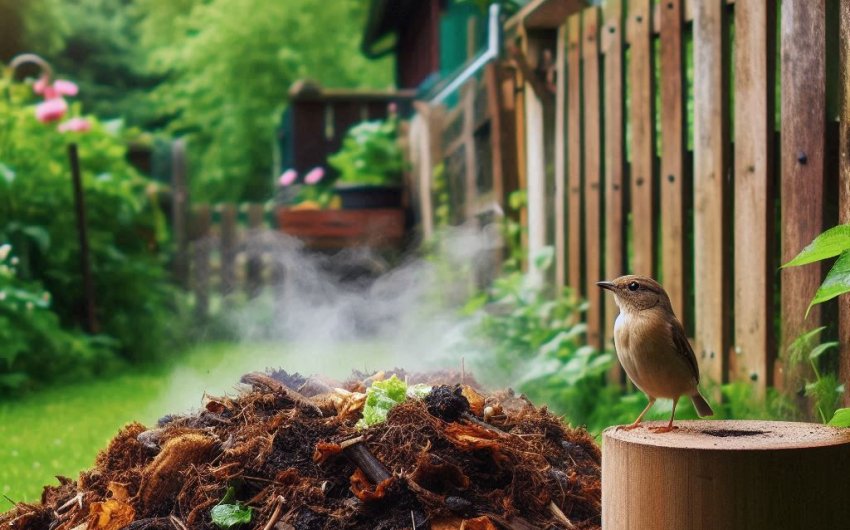
Composting is a fantastic way to turn kitchen waste into "black gold" for your garden. It helps your plants grow strong and healthy. Most people know you can compost fruit and veggie scraps, coffee grounds, and yard waste. But what about meat scraps? This is a common question, and it's a bit trickier. Many folks worry about pests like rats, raccoons, and flies. They also worry about bad smells. So, can you really compost meat without inviting unwanted guests? The answer is yes, but it needs a bit more care and the right method.
Why Composting Meat is Often Avoided
Before we dive into how to do it, let's understand why many traditional composting guides say "no meat." There are good reasons for this advice:
Attracting Unwanted Visitors
This is the biggest concern. Meat scraps and bones smell very appealing to many animals. Think about it:
- Rats and Mice: These rodents are always looking for easy food sources. A pile of rotting meat is a gourmet meal to them. Once they find it, they're likely to stick around. They can also spread diseases.
- Raccoons and Opossums: These clever scavengers are very good at getting into things. A compost bin might not be a match for their determined paws and noses.
- Flies and Maggots: Meat breaks down quickly, especially in warm weather. This process can attract swarms of flies, which then lay eggs. Soon, you'll have maggots. This is not only unpleasant but can also spread bacteria.
- Dogs and Cats: Even your own pets might be drawn to the smell. While generally harmless, they can make a mess digging through the compost.
Odor Issues
As meat breaks down, it can produce a strong, unpleasant smell. This is due to anaerobic decomposition. This happens when there isn't enough oxygen in the compost pile. This smell is not just bad for your nose; it's also what attracts pests. A smelly compost pile can also be a problem for your neighbors.
Slower Decomposition
Unlike plant materials, meat and bones can take a very long time to break down. Bones, especially larger ones, can take years. This means your compost might not be ready as quickly as you'd like.
Pathogen Concerns
Meat can contain harmful bacteria, like E. coli and Salmonella. If your compost pile doesn't get hot enough, these pathogens might survive. You then risk spreading them to your garden and food. This is a serious health concern.
The Science of Composting Meat Safely
Despite the challenges, it is possible to compost meat scraps safely and effectively. The key is to understand and control the composting process.
Hot Composting is Your Best Friend
Forget about cold composting if you want to include meat. Hot composting is the only way to go. What is hot composting? It's when your compost pile gets hot enough to kill weed seeds and pathogens. It also breaks down materials much faster. For meat, you need temperatures between 130°F and 160°F (54°C and 71°C).
How do you get a pile this hot?
- Size Matters: Your pile needs to be big enough. A good size is at least 3 feet by 3 feet by 3 feet (1 cubic meter). This mass helps the pile hold heat.
- Right Mix of "Greens" and "Browns": This is super important.
- Greens are wet, fresh materials high in nitrogen (like grass clippings, fresh food scraps, coffee grounds).
- Browns are dry, carbon-rich materials (like dry leaves, straw, wood chips, shredded paper). You need a good balance, roughly 1 part green to 2 or 3 parts brown by volume. This ratio fuels the microbes that create heat.
- Moisture: The pile needs to be as damp as a wrung-out sponge. Not too wet, not too dry.
- Aeration (Turning): This is crucial. You need to turn the pile often – every few days. This adds oxygen, which is what the heat-loving microbes need to thrive. Turning also moves materials around, helping the entire pile heat up evenly.
When you hot compost correctly, the high temperatures literally cook the meat scraps. This kills most pathogens and breaks down the material quickly, reducing odors and making it less attractive to pests.
Methods for Composting Meat Scraps
There are a few proven ways to manage meat scraps in your compost.
1. Trench Composting (Burying)
This is perhaps the simplest and most foolproof method, especially for beginners. It largely avoids pest problems because the meat is buried.
- How it works: Dig a trench or hole in your garden, about 12-18 inches deep. Place your meat scraps at the bottom. Cover them with at least 8-12 inches of soil. You can plant right on top.
- Benefits: Very low risk of pests or odors. The soil acts as a natural filter and provides plenty of microbes to break down the meat.
- Drawbacks: Not a "compost pile" in the traditional sense. It's a slower process and you don't get a finished product to spread around. It's more about enriching a specific spot in your garden.
- Best for: Small amounts of meat scraps or bones.
2. Bokashi Composting
Bokashi is a Japanese method that's more of a fermentation process than traditional composting. It's a great pre-treatment for meat scraps.
- How it works: You put all your food scraps, including meat and dairy, into a special airtight Bokashi bin. You sprinkle Bokashi bran (which contains beneficial microbes) over each layer of food. The bin is kept sealed, and the microbes ferment the food.
- Benefits: Can handle all food waste, including oils, bones, and dairy. No odors during fermentation. The fermented material is then buried in the garden or added to a regular compost pile. The fermentation makes the material break down much faster once it hits the soil.
- Drawbacks: Requires a special Bokashi Starter Kit and Bokashi bran to be purchased. It's a two-step process: fermenting first, then burying or composting.
- Best for: People who want to process all food waste, including meat, and don't mind a two-stage process.
3. Dedicated Meat-Only Compost Pile
This is for the serious composter. You set up a separate hot compost pile just for meat scraps and other high-nitrogen, high-odor materials.
- How it works: This pile must be hot. It needs a constant supply of "browns" (carbon material) to balance the "greens" (meat). Each time you add meat, you need to bury it deep within the pile and cover it with a thick layer of carbon material like wood chips or straw.
- Benefits: If done right, it efficiently breaks down meat. Keeps meat out of your main garden compost.
- Drawbacks: Requires a lot of attention to temperature and turning. Very easy to attract pests if not managed perfectly. You need a lot of carbon material.
- Best for: Experienced composters with large amounts of meat waste and a consistent supply of "browns."
4. Worm Composting (Vermicomposting) - With CAUTION
Generally, vermiculture (worm composting) is not recommended for meat scraps. Worms are amazing for most kitchen waste, but meat can rot before the worms get to it, attracting pests and creating bad smells.
- The Caution: If you have a very robust and well-established worm bin with a huge population of active worms, and you add tiny amounts of cooked, shredded meat, buried deeply, it might work. But this is very high risk and generally not advised.
- Best to avoid: For most home worm composters, just stick to plant-based food scraps.
Key Strategies to Prevent Pests and Odors
No matter which method you choose, especially if you're attempting hot composting or a dedicated pile, these tips are crucial:
Bury Deeply
This is the golden rule. Any time you add meat scraps to a compost pile, bury them at least 12-18 inches deep in the center of the pile. Then, cover them with a thick layer of "browns" (leaves, straw, wood chips). This helps:
- Contain Odors: The layers of carbon material and the heat act as a filter.
- Deter Pests: Pests are less likely to dig through a thick, hot layer of compost.
Get the Temperature Right
Use a good compost thermometer to monitor your pile's temperature. You want it to reach at least 130°F (54°C) for several days. This heat breaks down the meat quickly and kills pathogens and fly eggs. If your pile isn't heating up, you need to turn it more, add more nitrogen (greens), or adjust moisture. A compost thermometer is an essential tool.
Maintain the Carbon-to-Nitrogen (C:N) Ratio
This is the science behind successful composting. Meat is very high in nitrogen. You need plenty of carbon-rich materials to balance it out. Aim for a ratio of about 25-30 parts carbon to 1 part nitrogen.
- Too much nitrogen (greens/meat): Smelly, slimy, attracts pests.
- Too much carbon (browns): Slow decomposition.
Always have a good supply of "browns" on hand – shredded paper, dry leaves, straw, wood shavings. When you add meat, add at least twice as much "browns" by volume.
Turn Your Pile Regularly
Turning adds oxygen, which is vital for the microbes that create heat. For a hot compost pile with meat, you should turn it every 2-3 days, especially after adding fresh meat. This distributes the heat, moves the meat to hotter areas, and speeds up decomposition.
Use a Pest-Proof Compost Bin
If you're not using a trench, invest in a secure compost bin.
- Material: Bins made of thick plastic, metal, or well-built wood can deter rodents.
- Lid: A tight-fitting lid is essential. Many bins have latching lids to keep animals out.
- Base: A solid or mesh bottom can prevent tunneling from below. Some people place their bins on a wire mesh or concrete slab.
- Consider a tumbler compost bin. These are sealed units that you spin to aerate. They are generally more pest-resistant than open piles. A compost tumbler can be a good investment if you're serious about composting all your scraps.
Don't Overload the Pile
Add meat scraps in small amounts. Don't dump a whole turkey carcass in there at once. Small pieces break down faster and are easier for the pile to "digest." Cut larger pieces of meat into smaller chunks. Consider grinding bones into a powder first if you want to compost them, though this is a lot of effort for little return.
Location, Location, Location
Place your compost pile away from your house, patios, or areas where children or pets play. Choose a spot that's sunny to help with heating, but also accessible for turning and adding materials.
What Kinds of Meat Scraps Can You Compost?
Generally, you can compost most animal products, but some are easier than others:
- Cooked Meat Scraps: These are preferred over raw meat. They are less likely to attract flies immediately and often contain less moisture.
- Bones: Small, cooked bones (like chicken bones) can break down over time, especially in a hot pile. Large bones (beef, pork) will take a very, very long time, if ever. Consider crushing them if possible, or avoid them altogether.
- Fish Scraps: Very high in nitrogen and can get very smelly. Treat with extreme care, burying deep and covering well.
- Dairy Products: Cheese, yogurt, and milk products can be added in small amounts, but they can also create odors and attract pests. Treat them like meat scraps – bury deeply.
- Fats and Oils: Small amounts are okay, but large amounts can slow down decomposition and create greasy patches in your compost. Avoid pouring large amounts of cooking oil into the compost.
When in Doubt, Leave it Out
If you're new to composting, or if you're not confident in your ability to maintain a hot, active, pest-free pile, it's perfectly fine to skip the meat scraps. Stick to fruits, vegetables, coffee grounds, and yard waste. You'll still make fantastic compost.
Composting meat scraps is an advanced composting technique. It requires dedication, monitoring, and the right tools. But for those willing to put in the effort, it's a rewarding way to divert even more waste from landfills and create truly nutrient-rich compost for your garden. It helps create a more sustainable home and garden, reducing your environmental footprint. Just remember: good management is the key to success.