
How to Paint Garden Pots for a Fresh Look?
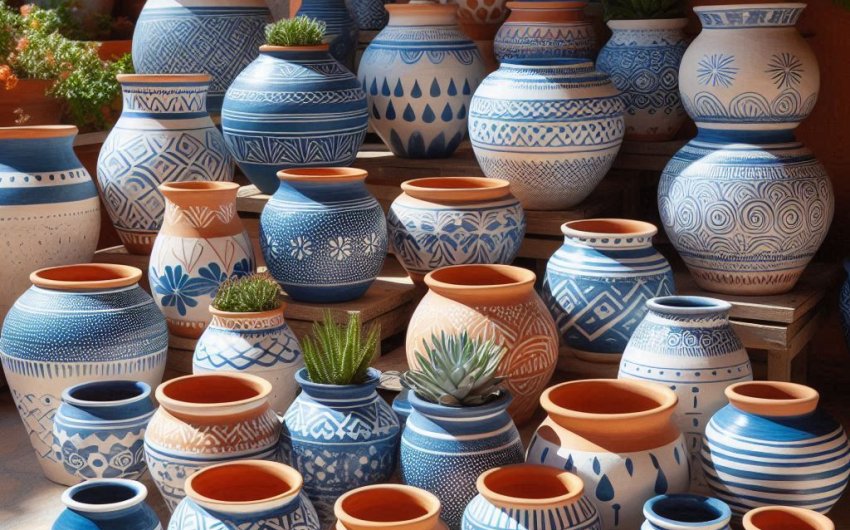
Are your garden pots looking a bit tired, faded, or just plain boring? Don't toss them out! Giving your old garden pots a fresh coat of paint is one of the easiest, most affordable, and most impactful ways to instantly update your outdoor space. It's a fantastic DIY garden project that allows you to add a pop of color, express your creativity, and tie your containers into your overall garden design.
Learning how to paint garden pots can transform plain terracotta, plastic, or even old concrete planters into vibrant statements or subtle accents. Whether you want a bold modern look, a charming rustic feel, or just a touch of personal flair, painting is the answer. This guide will walk you through the simple steps, from choosing the right paint to applying it for long-lasting beauty. Get ready to unleash your inner artist and give your pots a dazzling makeover!
Why Should I Paint My Garden Pots?
Beyond just making things pretty, painting your garden pots offers several practical and creative benefits. It's more than just a surface change; it's an investment in your garden's aesthetic and longevity.
First, instant curb appeal and refresh. Faded plastic, chipped terracotta, or plain old concrete pots can make your garden look neglected. A fresh coat of paint instantly brightens them up, adding a vibrant new look that catches the eye and boosts your home's curb appeal. It's one of the quickest ways to give your whole garden a lift without a major overhaul. This is key for garden pot decoration.
Second, customization and style cohesion. You get to choose the exact colors and patterns that perfectly match your garden's theme, your home's exterior, or your personal style. Can't find pots in the color you want? Paint them! This allows for true personalized garden planters and helps you create a cohesive, designed look across all your containers.
Third, extending pot lifespan. Painting provides a protective barrier against the elements. For porous materials like terracotta, paint can help seal the surface, reducing moisture evaporation (which means less watering for you!) and preventing the pot from drying out and cracking in freezing temperatures. For plastic pots, paint can offer some UV protection, slowing down brittleness and fading. This leads to durable painted planters.
Fourth, budget-friendly transformation. Buying new, decorative pots can be expensive, especially for large ones. Repurposing and painting existing pots is a much more economical way to achieve a high-end look without breaking the bank. It's a prime example of upcycling garden containers.
Finally, fun and creative outlet. This is a satisfying DIY project that anyone can do. It's a chance to get creative, experiment with colors and patterns, and enjoy the process of making something beautiful with your own hands. It's a wonderful way to express yourself in your garden.
What Types of Pots Can I Paint?
Most common garden pot materials can be successfully painted, but each requires slightly different preparation and paint types for the best results.
Terracotta Pots
These are one of the most popular choices for painting.
- Pros: Porous surface provides good grip for paint, classic look.
- Cons: Very porous (can absorb water, leading to paint peeling if not sealed properly), prone to cracking in freeze-thaw cycles if water gets trapped.
- Best Paint Type: Exterior acrylic latex paint, mineral paint, or specialty masonry paint. Using a sealer (like clear matte sealant outdoor) or primer specifically for porous surfaces is highly recommended.
Plastic Pots
Common and versatile, but require specific paint.
- Pros: Lightweight, durable (if good quality), inexpensive.
- Cons: Can be flexible (paint might crack), smooth surface can be tricky for paint to adhere to, prone to fading and becoming brittle in UV light.
- Best Paint Type: Paint specifically designed for plastic (often spray paint), exterior acrylic latex paint with a good plastic primer. Look for spray paint for plastic outdoor (like Rust-Oleum Universal Spray Paint for Plastic).
Concrete Pots
Heavy, durable, and can look fantastic painted.
- Pros: Very sturdy, long-lasting.
- Cons: Very porous, can develop efflorescence (white mineral deposits) that affect paint adhesion.
- Best Paint Type: Masonry paint, exterior acrylic latex paint, or specialized concrete paint. Always use a concrete primer (like Kilz Concrete Primer) first.
Glazed Ceramic Pots
Usually not recommended for painting unless chipped or damaged.
- Pros: Already waterproof.
- Cons: The glazed surface is very smooth, making it extremely difficult for paint to adhere long-term without heavy sanding and specialized primers.
- Recommendation: Better to buy these in the color you want. If they are severely chipped, you might try a multi-surface outdoor primer and paint, but expect less durable results than on other materials.
What Supplies Do I Need for Painting Garden Pots?
Having the right tools and materials ready will make your painting project smooth and successful.
- The Pots You Want to Paint!
- Cleaning Supplies:
- Stiff Brush: For scrubbing dirt.
- Soap and Water: Dish soap works fine.
- Hose or Bucket: For rinsing.
- Sandpaper: Medium-grit (100-150 grit) for roughing up surfaces (especially plastic or previously painted pots). You can use a sanding block (like 3M Sanding Block).
- Primer: Crucial for good adhesion and durability, especially on terracotta, concrete, and plastic. Choose one specific to your pot material (e.g., masonry primer, plastic primer, or a good all-surface outdoor primer like Rust-Oleum Zinsser Bulls Eye 1-2-3 Primer).
- Paint:
- Exterior Acrylic Latex Paint: Versatile and widely available. Offers good durability for most outdoor uses. Comes in various finishes (matte, satin, semi-gloss).
- Spray Paint for Outdoors/Plastic: Convenient for quick, even coverage, especially on plastic. Look for brands specifically for outdoor use and suitable for plastic.
- Specialty Paints: Chalk paint (needs sealing), mineral paint, concrete stain.
- Brushes and/or Rollers:
- Brushes: Various sizes for detailed work or general coverage. Good quality exterior paint brushes (like Purdy Nylox Paint Brush) will give smoother results.
- Foam Rollers: For smooth, even coverage on larger, flat surfaces.
- Protective Gear:
- Gloves: Disposable or garden gloves to keep your hands clean.
- Mask: If using spray paint or working in an unventilated area.
- Drop Cloths/Newspaper: To protect your work surface from paint drips.
- Painter's Tape (Optional): For creating clean lines if you're doing patterns or stripes. Use FrogTape Painter's Tape for sharp edges.
- Sealant/Top Coat (Optional but Recommended): A clear, outdoor-rated sealant (matte or gloss) can add an extra layer of protection, especially for terracotta or if you want to ensure longevity.
How Do I Prepare My Pots for Painting?
Proper preparation is the secret to a long-lasting, beautiful paint job. Don't skip these steps!
Step 1: Clean Your Pots Thoroughly
- Remove Old Dirt: Scrape out any old soil and debris from inside the pot.
- Wash: Use a stiff brush, warm water, and dish soap to scrub the outside and inside (especially the top few inches) of the pot. Get rid of all dirt, grime, moss, and any loose flakes of old paint.
- Rinse Well: Rinse the pots thoroughly to remove all soap residue.
- Dry Completely: This is critical! Let the pots dry completely, ideally in the sun for a day or two, especially terracotta pots, which can hold a lot of moisture. Any trapped moisture under the paint can cause bubbling or peeling later.
Step 2: Prepare the Surface
- Terracotta/Concrete: For new pots, simply ensure they are clean and dry. For old, chipped pots, you might want to gently sand away loose bits of old paint or rough spots to create a smoother surface for new paint.
- Plastic Pots: Lightly sand the entire outer surface of plastic pots with medium-grit sandpaper (100-150 grit). This "roughens up" the smooth surface, giving the primer and paint something to grip onto. After sanding, wipe the pot down with a damp cloth to remove any dust, then let it dry.
- Previously Painted Pots: If the old paint is peeling, flake it off as much as possible. Sand the remaining painted surface to create a smoother transition. If the old paint is still adhered well, a light sanding to scuff the surface is enough.
Step 3: Prime Your Pots
Applying a primer is a crucial step, especially for porous materials like terracotta and concrete, and for smooth plastics.
- Terracotta/Concrete:
- Inner Sealant (Optional but Recommended): For terracotta, many people choose to apply a clear masonry sealer to the inside of the pot first, up to about 4-6 inches from the rim. This helps reduce moisture wicking through the pot walls, which can lead to paint peeling on the outside. Let it dry completely.
- Exterior Primer: Apply 1-2 coats of a good exterior masonry primer (or an all-surface outdoor primer) to the outside of the pot. Ensure full coverage. This provides a uniform surface for your paint to stick to and prevents stains from bleeding through. Let each coat dry fully as per product instructions.
- Plastic Pots: Apply 1-2 coats of a primer specifically designed for plastic, or a good all-surface outdoor primer. This creates a bonding layer that helps the paint adhere to the slippery plastic surface. Let dry completely.
How Do I Paint My Garden Pots for the Best Results?
Now for the fun part! Take your time, apply thin coats, and enjoy the transformation.
Step 1: Apply Your Base Coats
- Work Area: Set up your pots on a drop cloth or newspaper in a well-ventilated area, preferably outdoors on a dry, non-windy day.
- First Coat: Apply your first thin coat of exterior paint. Thin coats are always better than one thick coat, as they dry faster and are less prone to dripping, cracking, or peeling.
- Brushing/Rolling: Use a good quality brush or foam roller for even coverage.
- Spray Painting: Hold the can about 8-12 inches away from the pot and use smooth, even strokes, overlapping slightly. Keep the can moving to avoid drips.
- Dry Time: Allow the first coat to dry completely according to the paint manufacturer's instructions. This might be a few hours.
- Second Coat: Apply a second thin coat. Two thin coats almost always look better and are more durable than one thick coat. Let it dry completely.
- Paint the Rim (Optional): Many people paint the outside rim of the pot the same color as the body for a clean look. You can also paint a contrasting color or design later.
Step 2: Add Designs or Details (Optional)
Once your base coats are fully dry, you can add patterns, stripes, stencils, or freehand designs.
- Painter's Tape: For crisp, straight lines or geometric patterns, apply painter's tape securely to your pot. Press down firmly on the edges to prevent paint bleeding.
- Stencils: Place your stencil firmly on the pot and apply paint using a daubing motion (with a foam brush) or light spray to prevent paint from seeping under the stencil.
- Freehand: Use smaller brushes for freehand designs.
- Dry Time: Let any design elements dry completely before handling or moving to the next step.
Step 3: Apply a Top Coat/Sealant (Optional but Recommended)
For maximum durability and a professional finish, a clear top coat is a great idea, especially for terracotta pots or if you've done intricate designs.
- Outdoor-Rated: Use a clear, exterior-rated sealant (like Rust-Oleum Clear Coat Outdoor). Choose a finish that matches your paint (matte, satin, or gloss).
- Application: Apply 1-2 thin, even coats of sealant over the entire painted exterior of the pot. Follow the product's instructions for dry times between coats.
- Full Cure: Allow the sealant to fully cure for several days (or as recommended on the product label) before filling the pots with soil and plants. This ensures the paint and sealant have hardened completely.
Tips for Long-Lasting Painted Pots
A few extra precautions can help your beautiful painted pots look fresh for years.
- Avoid Submerging Terracotta: While painting helps seal them, try not to leave painted terracotta pots standing in saucers of water for extended periods, as constant moisture can eventually lead to paint failure.
- Winter Storage (for terracotta/concrete): In climates with harsh freezing and thawing cycles, bringing painted terracotta or concrete pots into a garage or shed for winter can significantly extend their lifespan and prevent cracking and peeling.
- Gentle Cleaning: When cleaning, use mild soap and water and a soft cloth or sponge. Avoid abrasive cleaners or harsh scrubbing.
- Touch-Ups: Over time, paint might chip or fade. Keep a small amount of your leftover paint for easy touch-ups.
By following these steps, you'll not only rejuvenate your garden pots but also add a unique touch of personalized artistry to your outdoor haven. Get ready to enjoy your vibrant, refreshed garden!