
How to Build Healthy Soil Organically for Vegetables?
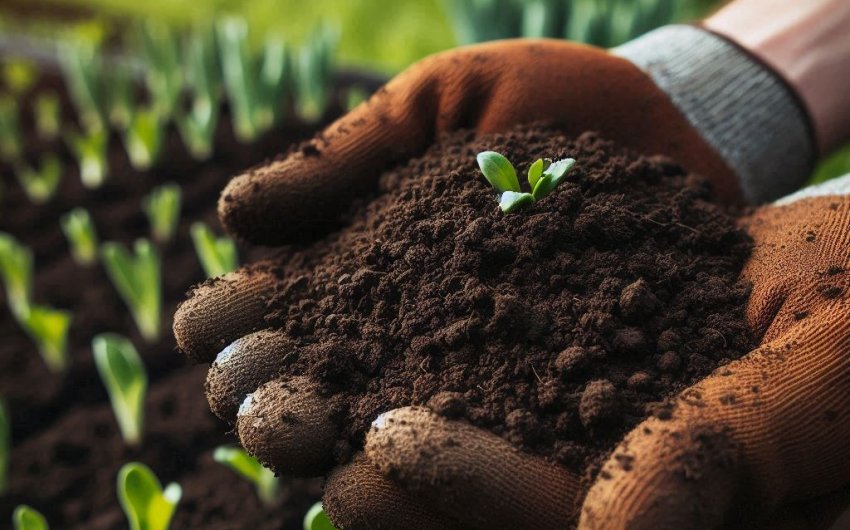
You can build healthy soil organically for vegetables by focusing on feeding the soil's microbial life, primarily through the generous and consistent addition of organic matter like compost. This approach naturally improves soil structure, water retention, and nutrient availability, leading to thriving vegetable plants.
Why is Healthy Soil Crucial for Growing Vegetables?
Healthy soil is the foundation of a productive vegetable garden. It's not just dirt; it's a complex, living ecosystem that directly influences the health, yield, and flavor of your vegetables. Think of soil as the stomach of your garden – if it's not well-fed and balanced, your plants won't be either.
Beyond Nutrients: The Multifaceted Role of Healthy Soil
Many gardeners mistakenly believe that adding chemical fertilizers is the sole solution for plant health. While nutrients are important, healthy soil offers far more than just N-P-K (Nitrogen, Phosphorus, Potassium).
- Nutrient Delivery System: Healthy soil acts as a vibrant marketplace where essential nutrients are made available to plants. Microorganisms break down organic matter, converting nutrients into forms that plant roots can absorb. Without this living system, nutrients can be locked up and inaccessible.
- Water Management: Optimal soil structure, rich in organic matter, behaves like a sponge. It retains moisture during dry spells, reducing the need for frequent watering, and also allows excess water to drain away quickly, preventing waterlogging and root rot.
- Root Development: Loose, well-aerated soil provides an ideal environment for roots to grow deeply and spread widely. Strong root systems lead to robust, resilient plants that can better withstand drought and disease.
- Disease Suppression: A diverse and active soil food web (beneficial bacteria, fungi, protozoa, nematodes) can suppress disease-causing pathogens. Healthy soil is like a strong immune system for your garden.
- Temperature Regulation: Organic matter acts as an insulator, helping to buffer soil temperature fluctuations. It keeps soil cooler in summer and warmer in winter, protecting delicate root systems.
- Improved Plant Health and Yield: Ultimately, all these benefits combine to produce stronger, healthier vegetable plants that are more resistant to pests and diseases, leading to more abundant and flavorful harvests.
What is Organic Soil Building?
Organic soil building is an approach to gardening that focuses on nurturing the natural processes and living organisms within the soil, rather than relying on synthetic chemical inputs. It's about working with nature, not against it.
Core Principles of Organic Soil Building
- Feed the Soil, Not the Plant: Instead of directly feeding synthetic fertilizers to plants, organic soil building focuses on providing ample organic matter to the soil. This organic matter becomes food for the microbes, fungi, and other organisms that then release nutrients in a natural, slow-release way for plants.
- Build Living Soil: The emphasis is on fostering a thriving soil food web. This includes bacteria, fungi, earthworms, nematodes, protozoa, and larger invertebrates. These organisms are the true workers of the soil, decomposing organic matter, cycling nutrients, and improving soil structure.
- Avoid Harmful Chemicals: Synthetic pesticides, herbicides, and excessive use of inorganic fertilizers can harm beneficial soil organisms, disrupting the delicate balance of the soil food web. Organic methods avoid these inputs.
- Minimize Soil Disturbance: Tilling can disrupt soil structure and kill beneficial organisms. Organic methods often advocate for no-till or minimal-till practices to preserve the intricate networks of fungi and soil aggregates.
- Cover the Soil: Leaving soil bare leads to erosion, compaction, and nutrient loss. Organic practice promotes covering soil with mulch or cover crops.
- Long-Term Approach: Building truly healthy soil is a continuous process, not a one-time fix. It takes time and consistent effort, but the benefits compound over the years.
Why Organic for Vegetables?
- Safer Produce: No synthetic chemical residues on your food.
- Better Flavor: Many organic gardeners swear by the superior taste of vegetables grown in living, nutrient-rich soil.
- Environmental Benefits: Reduces water pollution, promotes biodiversity, and contributes to a healthier planet.
How Do You Assess Your Current Soil?
Before you can build healthy soil, you need to understand what you're starting with. A simple soil assessment can reveal your soil's current texture, drainage, and even its pH.
1. The Squeeze Test (Soil Texture)
This simple test tells you the ratio of sand, silt, and clay in your soil.
How to do it: Take a handful of slightly damp soil (not muddy, not bone dry).
- Sandy Soil: If it feels gritty and falls apart easily when you open your hand, you have sandy soil. It drains quickly and doesn't hold nutrients well.
- Clay Soil: If it feels sticky, can be rolled into a long, smooth ribbon, and is hard when dry, you have clay soil. It drains slowly and compacts easily, but holds nutrients well.
- Silty Soil: If it feels smooth, like flour, and forms a ball but easily crumbles when poked, you have silty soil. It's often fertile but can compact.
- Loamy Soil (Ideal): If it feels crumbly, slightly gritty, slightly sticky, and forms a loose ball that breaks apart easily, you have loam. This is the ideal balance.
Why it matters: Knowing your texture tells you how well your soil drains and retains water and nutrients. Organic matter improves all soil types.
2. The Percolation Test (Drainage)
This test assesses how quickly water drains through your soil.
- How to do it:
- Dig a hole 12 inches wide and 12 inches deep in your garden bed.
- Fill the hole with water and let it drain completely. This pre-soaks the soil.
- Once drained, refill the hole with water.
- Measure how much the water level drops in one hour.
- Results:
- Fast Drainage (>2 inches/hour): Common in sandy soils. Needs more organic matter to retain water.
- Good Drainage (1-2 inches/hour): Ideal.
- Slow Drainage (<1 inch/hour): Common in clay soils. Needs organic matter to improve aeration and drainage.
3. pH Test (Acidity/Alkalinity)
Soil pH affects nutrient availability for plants. Vegetables generally prefer a slightly acidic to neutral pH (6.0-7.0).
- How to do it:
- DIY Test Kit: You can buy a simple pH test kit from garden stores. Follow instructions carefully.
- Soil Testing Lab: For the most accurate results, send a soil sample to your local Cooperative Extension office (U.S.) or a private soil testing lab. They provide detailed nutrient analysis and pH recommendations. This is highly recommended every 3-5 years.
- Why it matters:
- Low pH (acidic): Add wood ash (in moderation) or agricultural lime to raise pH.
- High pH (alkaline): Add elemental sulfur or organic matter like peat moss to lower pH.
4. Observe What's Growing (Weeds as Indicators)
While not a scientific test, the weeds growing naturally in your garden can sometimes offer clues about your soil conditions (though this is an oversimplification and not always reliable).
- Compacted Soil: Crabgrass, plantain.
- Poor Drainage: Horsetail, sedges.
- Acidic Soil: Sorrel, common moss.
What is Organic Matter and Why is it Gold for Soil?
Organic matter is the backbone of healthy, living soil. It refers to anything that was once alive and is now decomposing in the soil. This includes compost, decaying plant roots, leaves, manure, and more. It's the "food" that fuels the soil food web.
The Incredible Benefits of Organic Matter
Adding organic matter is the single most important thing you can do to build healthy soil organically for vegetables.
- Improves Soil Structure:
- In clay soils: It loosens heavy clay, creating aggregates (clumps) that allow for better drainage and aeration.
- In sandy soils: It acts like a sponge, binding sand particles together and significantly improving water and nutrient retention.
- Overall: Creates "crumbly" soil that is easy for roots to penetrate.
- Provides Nutrients (Slow Release): As organic matter decomposes, it slowly releases a steady supply of essential macro and micronutrients that plants need. This natural slow-release feeding prevents nutrient leaching and provides a balanced diet.
- Feeds the Soil Food Web: Organic matter is the primary food source for billions of beneficial microorganisms (bacteria, fungi), earthworms, and other creatures that make up the soil food web. These organisms are crucial for nutrient cycling, disease suppression, and improving soil structure.
- Enhances Water Retention: Organic matter can hold many times its weight in water, acting as a reservoir for plants during dry periods.
- Buffers pH: It helps to moderate soil pH, making it less prone to extreme fluctuations, creating a more stable environment for nutrient availability.
- Reduces Compaction: The aggregation effect of organic matter makes soil more resistant to compaction from foot traffic or heavy rains.
- Sequester Carbon: Healthy soil rich in organic matter helps capture carbon from the atmosphere, playing a role in mitigating climate change.
What are the Best Sources of Organic Matter?
To build healthy soil organically for vegetables, you'll need a steady supply of various types of organic matter.
1. Compost (The Black Gold of Gardening)
Compost is the most versatile and beneficial form of organic matter. It's decomposed organic material, teeming with microbial life.
- Making Your Own: Create a compost pile from kitchen scraps (non-meat/dairy), yard waste (leaves, grass clippings), and other organic materials.
- Buying Compost: If you can't make enough, buy high-quality organic compost from local nurseries, garden centers, or municipal composting facilities. Look for "organic" or "OMRI-listed" compost.
- How to Use:
- Top-dressing: Spread a 1-2 inch layer over garden beds in spring and fall. This is the most effective way as it feeds surface organisms and slowly works its way down.
- Incorporation: For new beds, you can lightly fork in 2-4 inches of compost into the top 6-12 inches of soil. Avoid deep tilling.
2. Animal Manures (Aged and Composted)
Manures add rich organic matter and a good boost of nutrients.
- Types: Chicken, cow, horse, rabbit, sheep, goat manure are all excellent. Avoid dog/cat manure due to potential pathogens.
- Important: Use aged or composted manure only. Fresh manure can burn plants with high nitrogen and may contain pathogens or weed seeds. Look for composted cow manure or similar.
- How to Use: Mix into soil sparingly or use as a top-dressing, especially in fall to allow time to break down.
3. Cover Crops (Green Manure)
Plants grown specifically to improve the soil, then tilled or chopped into the soil before they flower.
- Role: Prevent erosion, suppress weeds, add organic matter, fix nitrogen (legumes), and improve soil structure.
- Examples:
- Legumes: (e.g., clover, vetch, field peas) add nitrogen to the soil.
- Grasses: (e.g., rye, oats, wheat) produce a lot of organic matter.
- Buckwheat: Quick-growing, good for suppressing weeds.
- How to Use: Sow seeds in fall or spring when beds would otherwise be bare. Chop them down before they go to seed (typically when plants are lush and green) and lightly incorporate them into the top few inches of soil. Organic cover crop seeds are available.
4. Mulch
A layer of organic material applied to the soil surface.
- Role: Suppresses weeds, conserves moisture, moderates soil temperature, and slowly breaks down to add organic matter to the soil.
- Examples: Straw, shredded leaves, wood chips (use aged chips for vegetable beds), grass clippings (thin layers only).
- How to Use: Apply a 2-4 inch layer around plants. Keep mulch a few inches away from plant stems to prevent rot. Organic garden straw mulch is excellent for vegetables.
5. Leaves
One of the easiest and most abundant sources of organic matter.
- Role: Excellent "brown" material for compost, or can be used directly.
- How to Use: Shredded leaves can be incorporated into garden beds or used as a deep mulch layer. They are a treasure!
What are the Steps to Build Healthy Soil Organically?
Building healthy soil is an ongoing process, but these steps provide a roadmap to get started and maintain fertility.
Step 1: Start with a Soil Test
- Why: Provides a baseline understanding of your soil's texture, organic matter content, and nutrient levels, guiding your amendment strategy.
- How: Collect samples from various spots in your garden and send them to your local extension office or a reputable lab. Do this every 3-5 years.
Step 2: Add Abundant Organic Matter
This is the cornerstone of organic soil building.
- Initial Boost: For new or heavily depleted beds, spread a 4-6 inch layer of well-rotted compost over the entire bed. You can lightly fork it into the top 6-12 inches, or simply spread it on top if practicing no-till.
- Annual Application: Every spring and fall, top-dress your garden beds with 1-2 inches of compost. This consistent feeding is vital.
- Integrate Other Sources: Continually add aged manure, chopped leaves, or grow cover crops as part of your yearly routine.
Step 3: Implement Mulching
- Purpose: To protect the soil, conserve moisture, suppress weeds, and slowly add organic matter.
- Application: Apply a 2-4 inch layer of organic mulch (straw, shredded leaves, aged wood chips) around your vegetable plants and over bare soil. Replenish as it breaks down.
Step 4: Minimize Soil Disturbance (No-Till/Reduced-Till)
- Why: Tilling disrupts the delicate soil structure, breaks up fungal networks (mycorrhizae), and can harm earthworms and other beneficial organisms. It also exposes buried weed seeds.
- Practice: Avoid deep tilling. If you need to incorporate amendments, use a broadfork or garden fork to gently aerate and mix in the top few inches. For most established beds, top-dressing with compost is sufficient.
Step 5: Incorporate Cover Crops
- Why: Protects soil during off-seasons, prevents erosion, adds organic matter, and some (legumes) add nitrogen.
- How: Plant in fall after harvest or early spring before planting. Terminate (chop down) the cover crop before it flowers and incorporates into the soil.
Step 6: Maintain Proper Soil pH
- Why: Essential for nutrient availability.
- How: Based on your soil test, amend as needed.
- To raise pH (make less acidic): Add dolomitic lime or wood ash (sparingly, as it also adds potassium).
- To lower pH (make less alkaline): Add elemental sulfur, peat moss, or use acidic organic mulches like pine needles (for acid-loving plants).
- Adjustments take time; retest after 6-12 months.
Step 7: Practice Crop Rotation
- Why: Prevents nutrient depletion in specific areas, breaks pest and disease cycles.
- How: Don't plant the same vegetable family in the same spot year after year. Rotate your crops (e.g., root vegetables, leafy greens, legumes, fruiting vegetables).
Step 8: Encourage Earthworms and Soil Life
- Earthworms: These are nature's tillers! They aerate the soil, improve drainage, and create channels for roots.
- How: By consistently adding organic matter, minimizing tillage, and avoiding chemicals, you create a hospitable environment for earthworms and a diverse soil food web.
Advanced Organic Soil Building Techniques
For those ready to delve deeper, these methods can further enhance your soil's health and vitality.
1. Worm Composting (Vermicomposting)
- What it is: Using composting worms (red wigglers) to break down kitchen scraps and paper into nutrient-rich worm castings.
- Benefits: Worm castings are an incredibly potent, balanced, and microbe-rich soil amendment. They significantly boost plant growth and health.
- How to Use: Add a handful to planting holes, top-dress around seedlings, or brew into a "compost tea" for liquid feeding. A worm composting bin is a great investment.
2. Composting Tea (Actively Aerated Compost Tea)
- What it is: A liquid brew made by steeping compost in aerated water, which multiplies beneficial microorganisms.
- Benefits: Introduces a concentrated burst of beneficial microbes to soil and plant leaves, enhancing disease suppression and nutrient cycling.
- How to Use: Apply as a soil drench or foliar spray. Requires a small compost tea brewer and air pump.
3. Biochar
- What it is: A charcoal-like substance made from heating biomass (wood, plant waste) in a low-oxygen environment.
- Benefits: Highly porous, it dramatically improves soil structure, water retention, and nutrient holding capacity. It's incredibly stable in the soil and can last for centuries. It also provides excellent habitat for microbes.
- How to Use: Incorporate small amounts (5-10% by volume) into planting beds, especially new ones. Look for garden biochar.
4. Mycorrhizal Fungi Inoculants
- What it is: A symbiotic relationship between fungi and plant roots. The fungi extend the plant's root system, making it more efficient at absorbing water and nutrients.
- Benefits: Improves drought resistance, nutrient uptake, and overall plant vigor.
- How to Use: Apply as a powder directly to root balls when transplanting, or mix into potting soil. Many organic potting mixes now come pre-inoculated. Mycorrhizal fungi inoculant.
5. Korean Natural Farming (KNF) Inputs
- What it is: A set of indigenous microbial farming techniques originating from Korea, focusing on harnessing local beneficial microorganisms.
- Benefits: Creates custom, highly effective microbial inoculants from your own environment, improving plant health and soil fertility.
- How to Use: Involves making fermented plant juices (FPJ), indigenous microorganisms (IMO), and other homemade amendments. More advanced, but very rewarding.
What to Avoid When Building Organic Soil?
Just as important as knowing what to add is knowing what to avoid to protect your soil's health.
1. Synthetic Chemical Fertilizers
- Problem: While providing a quick burst of N-P-K, they do not feed the soil food web. They can "burn" and kill beneficial microbes, salts can accumulate, and they can leach into waterways.
- Organic Alternative: Compost, aged manure, cover crops, slow-release organic fertilizers (e.g., bone meal, blood meal, kelp meal).
2. Synthetic Pesticides and Herbicides
- Problem: Designed to kill, they don't discriminate. They can harm beneficial insects, earthworms, and soil microorganisms, disrupting the entire soil food web.
- Organic Alternative: Integrated Pest Management (IPM), companion planting, hand-picking, beneficial insects, organic pest controls (e.g., neem oil, insecticidal soap).
3. Excessive Tillage
- Problem: Destroys soil structure, breaks up fungal networks, brings dormant weed seeds to the surface, and releases carbon from the soil.
- Organic Alternative: No-till or minimal-till gardening, broadforking for aeration, top-dressing with compost.
4. Over-Compacting Soil
- Problem: Reduces pore space, limiting air and water movement, suffocating roots and soil organisms.
- Organic Alternative: Avoid walking on garden beds, use dedicated pathways, add plenty of organic matter, use raised beds.
5. Leaving Soil Bare
- Problem: Exposes soil to erosion from wind and rain, allows beneficial microbes to dry out, promotes weed growth, and leads to nutrient loss.
- Organic Alternative: Always cover soil with mulch, grow cover crops during off-season, or plant densely.
Building healthy soil organically for vegetables is a journey that transforms your garden from merely a place where plants grow into a vibrant, living ecosystem. By consistently adding diverse organic matter, minimizing disturbance, and embracing nature's processes, you'll create a fertile foundation that produces incredibly healthy, delicious, and abundant vegetable harvests for years to come. This commitment to your soil is the most important step towards truly successful organic gardening.