
Top Organic Pest Control Methods for Home Gardens
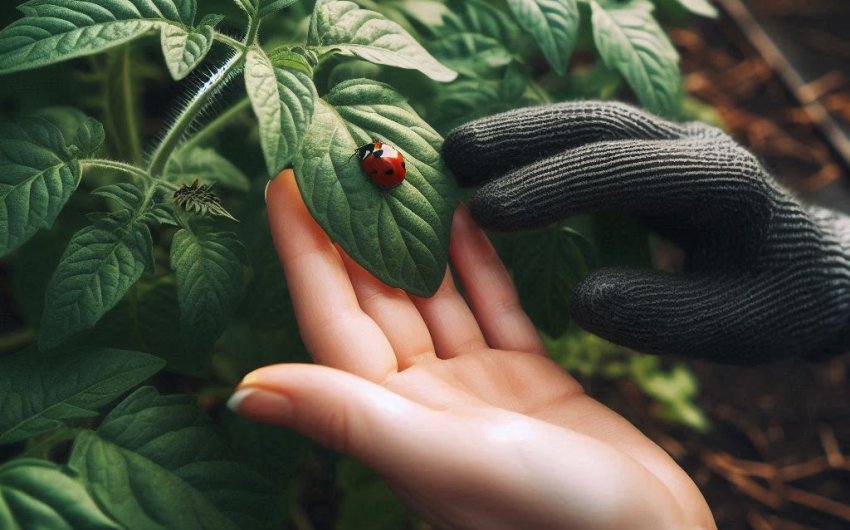
Seeing your beautiful garden plants suddenly covered in holes, wilting, or looking sickly because of pests can be incredibly frustrating. It feels like an uphill battle sometimes! But before you reach for harsh chemical sprays, know that there are many effective, safe, and environmentally friendly ways to manage pests in your home garden. Organic pest control methods focus on prevention, encouraging beneficial insects, and using natural remedies, rather than simply killing everything in sight.
This approach not only protects your family and the environment but also leads to a healthier, more balanced garden ecosystem in the long run. Say goodbye to synthetic pesticides and hello to nature's own defense system! This guide will walk you through the best natural pest solutions to keep your home garden thriving without harmful chemicals.
Why Choose Organic Pest Control?
You might wonder if organic methods are truly effective or if they're just more work. The truth is, they offer significant advantages for your health, your garden, and the planet.
First, safety for your family and pets. When you spray synthetic pesticides, residues can remain on your fruits and vegetables. Even if you wash them, some chemicals can be absorbed by the plant. Organic methods mean you're not introducing harmful toxins to your food or your outdoor living space, making your garden a safer place for kids, pets, and local wildlife. This is paramount for safe gardening practices.
Second, protecting beneficial insects. Not all insects are pests! Many insects, like ladybugs, lacewings, and parasitic wasps, are actually "good guys" that eat common garden pests. Synthetic pesticides often kill these beneficial insects along with the pests, leading to a never-ending cycle of pest outbreaks because their natural predators are gone. Organic methods aim to preserve and encourage these natural allies.
Third, improving soil health. Many synthetic pesticides can harm the vital microorganisms in your soil, which are crucial for healthy plant growth and nutrient cycling. Organic approaches support a thriving soil ecosystem, which leads to stronger, more resilient plants that are naturally more resistant to pests. This contributes to healthy garden ecosystem development.
Fourth, reducing environmental impact. Chemical runoff from gardens can pollute waterways, harming aquatic life. Pesticides can also drift, affecting non-target plants and animals. Organic methods significantly reduce this environmental footprint, contributing to a healthier local environment.
Finally, long-term sustainability. Organic pest control focuses on prevention and balance, addressing the root causes of pest problems rather than just treating symptoms. This leads to a more sustainable and less labor-intensive garden over time, as nature helps you do the work.
What Are the Best Prevention Strategies for Pest Control?
The easiest pest to control is the one that never shows up! Prevention is the cornerstone of organic pest management. A strong, healthy garden is your best defense.
1. Healthy Soil and Strong Plants
Pests are often attracted to weak or stressed plants.
- Nutrient-Rich Soil: Build your soil with lots of organic matter like compost. Healthy soil provides balanced nutrients, which leads to robust plants. You can find excellent organic compost for gardening (like Espoma Organic Composted Manure).
- Proper Watering: Avoid overwatering (which can lead to root rot) and underwatering (which stresses plants). Water deeply and consistently when needed.
- Right Plant, Right Place: Plant varieties suited to your climate, soil, and sunlight conditions. Stressed plants are more vulnerable to pests.
- Resistant Varieties: Choose disease and pest-resistant plant varieties when available.
2. Companion Planting
This is an age-old trick that uses the natural properties of plants to help each other.
- Deterrent Plants: Some plants release compounds that repel specific pests.
- Marigolds: Often repel nematodes and some other pests. Plant French marigolds seeds (like Marigold French Seeds) around vegetables.
- Nasturtiums: Can deter squash bugs and cucumber beetles, and even act as a "trap crop" (pests prefer them over your main crops).
- Herbs: Basil near tomatoes can deter tomato hornworms. Mint (in containers, as it spreads) can deter aphids and ants. Rosemary can deter carrot rust flies.
- Attract Beneficial Insects: Some plants attract predators of pests.
- Dill, Fennel, Cilantro: When allowed to flower, their umbrella-shaped blooms attract ladybugs, lacewings, and hoverflies (whose larvae feast on aphids).
- Yarrow, Cosmos, Sunflowers: Provide nectar and pollen for a range of beneficials.
3. Crop Rotation
Don't plant the same crops in the same spot year after year.
- Breaking Cycles: Many pests and diseases can overwinter in the soil, waiting for their favorite plant to reappear. Rotating crops confuses them and breaks their life cycles.
- Nutrient Balance: It also helps balance soil nutrients, as different plants have different needs.
4. Row Covers and Physical Barriers
Simple physical barriers can keep pests away.
- Floating Row Covers: Lightweight fabric placed over plants to prevent insects from reaching them. They let in light, air, and water. Great for protecting brassicas (cabbage, broccoli) from cabbage moths or young seedlings from flea beetles. Use garden fabric row covers (like Agribon AG-19 Row Cover).
- Netting: For larger plants or fruit trees, fine mesh netting can protect against birds or larger insects.
- Collars: For cutworms, place a cardboard or plastic collar (like a toilet paper roll) around the base of young seedlings.
5. Good Garden Hygiene
A clean garden is a less inviting place for pests.
- Remove Debris: Clear away fallen leaves and plant debris, as these can harbor pests and diseases over winter.
- Weed Control: Weeds compete for nutrients and can also host pests or diseases. Keep your garden beds weed-free.
- Clean Tools: Sanitize your pruning shears and other tools, especially after working with diseased plants, to prevent spreading issues.
What Are the Best Hands-On Organic Pest Control Methods?
When pests do show up, sometimes you need to get directly involved. These methods are safe and effective for small to moderate infestations.
1. Hand-Picking
The simplest and most direct method.
- How it Works: Physically pick pests off your plants and drop them into a bucket of soapy water (they'll drown).
- Best For: Larger, slow-moving pests like tomato hornworms, slugs, snails, squash bugs, and Colorado potato beetles.
- Tips: Do it daily, especially in the early morning or evening when some pests are more active. Wear garden gloves (like digz garden gloves) if you're squeamish or dealing with irritating pests.
2. Strong Sprays of Water
Simple but surprisingly effective.
- How it Works: A strong jet of water (from a hose nozzle) can dislodge soft-bodied pests like aphids, spider mites, and whiteflies from plants.
- Best For: Early infestations of sap-sucking insects.
- Tips: Spray the undersides of leaves where many pests hide. Repeat every few days until the infestation is gone. Avoid spraying delicate seedlings with too much force.
3. Sticky Traps
Traps pests using an adhesive surface.
- How it Works: Brightly colored (often yellow or blue) sticky cards attract flying insects like whiteflies, fungus gnats, aphids, and thrips, trapping them on the surface.
- Best For: Monitoring pest populations and catching small flying insects. Not effective for large infestations.
- Placement: Hang them near affected plants. You can find yellow sticky traps for gnats that work for various pests.
What Are the Best Organic Sprays and Treatments?
For more widespread pest issues, or when physical removal isn't enough, organic sprays offer targeted solutions. Always use caution, even with organic sprays, and follow directions carefully.
1. Insecticidal Soap
One of the safest and most common organic sprays.
- Active Ingredient: Potassium salts of fatty acids.
- How it Works: Disrupts the outer layer of soft-bodied insects, causing them to dehydrate and die. It works on contact.
- Best For: Aphids, spider mites, whiteflies, mealybugs, thrips, and scale crawlers.
- Tips: Buy a ready-to-use insecticidal soap spray (like Safer Brand Insect Killing Soap) or make your own (mix 1-2 teaspoons of mild liquid dish soap, not detergent, per gallon of water). Spray thoroughly, covering both sides of the leaves. Reapply every 5-7 days as needed. Does not leave residue once dry.
2. Neem Oil
A natural extract from the neem tree.
- Active Ingredient: Azadirachtin.
- How it Works: Acts as an insect growth regulator (disrupts insect hormones), an anti-feedant (makes plants unappetizing), and a mild repellent. It's also effective against some fungal diseases.
- Best For: A wide range of pests including aphids, whiteflies, spider mites, thrips, caterpillars, and even some fungal issues like powdery mildew.
- Tips: Use a cold-pressed neem oil (like DYNONEEM Cold Pressed Neem Oil). Mix with water and a few drops of mild soap (as an emulsifier). Apply thoroughly, ensuring good coverage. Reapply every 7-14 days. Avoid spraying in direct sun or high heat to prevent leaf burn.
3. Diatomaceous Earth (DE)
A natural powder from fossilized diatoms.
- Active Ingredient: Silicon dioxide (natural abrasive).
- How it Works: The microscopic edges of DE are razor-sharp to insects, cutting their exoskeletons and causing them to dehydrate. It's harmless to mammals.
- Best For: Slugs, snails, ants, earwigs, cucumber beetles, squash bugs.
- Tips: Apply as a fine dust directly onto pests or create a barrier around plants. Must be dry to be effective, so reapply after rain or heavy dew. Use food-grade diatomaceous earth (like Harris Diatomaceous Earth Food Grade) for garden use.
4. Bacillus Thuringiensis (Bt)
A naturally occurring bacterium.
- Active Ingredient: Bacillus thuringiensis (Bt).
- How it Works: Specific strains of Bt produce toxins that, when ingested, are harmful only to certain types of insect larvae (caterpillars). It does not harm other insects, animals, or humans.
- Best For: Cabbage worms, tomato hornworms, tent caterpillars, gypsy moth larvae. Make sure to use the Bt kurstaki (BtK) strain for caterpillars.
- Tips: Mix with water and spray onto the foliage that caterpillars will eat. Reapply every 7-10 days, especially after rain. This is a very targeted organic pesticide spray.
How Can I Encourage Beneficial Insects?
Inviting the "good bugs" into your garden is one of the most powerful and low-effort forms of biological pest control. They do the work for you!
1. Plant a Diverse Garden
- Habitat: A monoculture (planting only one type of plant) is a feast for specific pests. A diverse garden with many different types of plants provides varied habitats and food sources for beneficial insects.
- Continuous Blooms: Ensure you have flowers blooming throughout the season to provide a continuous supply of nectar and pollen for adult beneficials.
2. Provide Water Sources
- Shallow Water: A shallow bird bath or a small dish with pebbles provides a safe drinking spot for beneficial insects.
3. Avoid Chemical Pesticides
- Lethal to Beneficials: As mentioned, most synthetic pesticides are non-selective and will kill beneficial insects along with pests.
- Tolerance: Be patient with minor pest damage. A small number of aphids might attract ladybugs, who will then lay eggs and provide natural pest control for future generations.
4. Learn to Identify Beneficials
Knowing what the "good bugs" look like (both adults and larvae) will help you avoid accidentally harming them.
- Ladybugs: Both adult ladybugs and their alligator-like larvae are voracious aphid eaters. You can even buy live ladybugs for garden to release.
- Lacewings: Their larvae (often called "aphid lions") are also excellent aphid predators.
- Hoverflies (Syrphid Flies): Adults resemble small bees, but their larvae are amazing aphid destroyers.
- Parasitic Wasps: Tiny wasps that lay their eggs inside pests like aphids, caterpillars, and whiteflies. They are harmless to humans.
Embracing organic pest control methods means shifting your mindset from "killing pests" to "creating a balanced ecosystem." It's a journey of learning, observation, and working with nature, but the rewards are immense: a thriving, chemical-free garden that is safe, beautiful, and abundant.