
How to Start an Organic Vegetable Garden for Beginners?
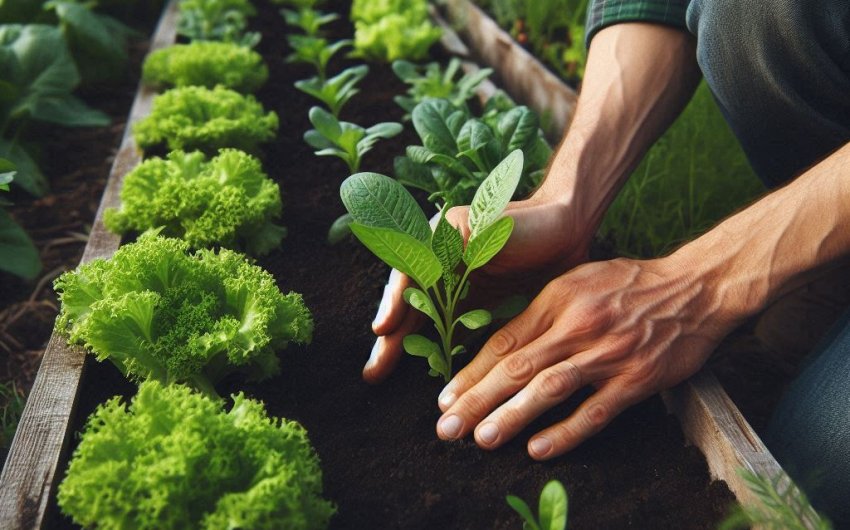
To start an organic vegetable garden for beginners, the key is to begin with healthy soil, choose easy-to-grow plants, and embrace natural methods for watering, feeding, and pest control. It’s a journey of learning that yields delicious, chemical-free food and connects you to nature.
Why Should a Beginner Start an Organic Vegetable Garden?
Embarking on the journey of an organic vegetable garden as a beginner is a fantastic choice, offering numerous rewards that make the effort worthwhile. It's an opportunity to grow wholesome food while contributing positively to the environment.
- Fresh, Flavorful Food: The most immediate benefit is the unparalleled taste of freshly picked, sun-ripened organic vegetables. You'll notice a significant difference from store-bought produce.
- Healthier Eating: By growing your own organic vegetables, you control exactly what goes into your food – no synthetic pesticides, herbicides, or chemical fertilizers. This gives you peace of mind about what you're feeding your family.
- Cost Savings: While there's an initial investment, producing your own organic produce can significantly reduce your grocery bills over time, especially for expensive specialty items.
- Environmental Benefits: Organic gardening practices promote soil health, conserve water, support biodiversity (like pollinators and beneficial insects), and reduce pollution from chemical runoff. You become an active participant in ecological balance.
- Therapeutic and Rewarding Hobby: Gardening is a calming and stress-reducing activity. Watching seeds sprout, plants grow, and eventually harvesting your own food is incredibly satisfying.
- Learn About Nature: It's a hands-on education in natural cycles, soil science, entomology (insect study), and plant biology. You’ll gain a deeper understanding of where food comes from.
- Increased Food Security: Having a reliable source of fresh food at home can provide a sense of security and self-sufficiency.
- Encourages Outdoor Activity: Gardening gets you outside, enjoying fresh air and sunshine.
- Beautiful Garden Space: Even a productive vegetable garden can be aesthetically pleasing, adding beauty and life to your backyard or patio.
Starting with an organic approach from the beginning sets you up for long-term success by fostering a healthy, resilient garden ecosystem that requires fewer interventions over time.
What is the First Step to Starting an Organic Vegetable Garden?
The absolute first and most crucial step for any beginner wanting to start an organic vegetable garden is site selection. Choosing the right location will dictate how well your plants grow and how much effort you'll need to put into maintenance.
Finding the Sunniest Spot
- Observe Your Yard: Before you do anything else, spend a full day (or even a few days) observing your yard.
- Note where the sun hits at various times of the day (morning, noon, afternoon).
- Identify any trees, fences, or buildings that cast shadows.
- Goal: Pinpoint an area that receives at least 6-8 hours of direct sunlight daily. Most vegetables need this much sun to thrive.
- Sun-Loving Vegetables: Plants like tomatoes, peppers, squash, cucumbers, beans, and corn are heavy feeders that require full sun to produce well.
- Partial-Sun Options: If you only have areas with 4-6 hours of sun, you can still grow leafy greens (lettuce, spinach, kale), root vegetables (carrots, radishes), and some herbs. Morning sun is generally better than hot afternoon sun for these.
Ensuring Good Drainage
Beyond sunlight, how well water drains from your chosen spot is vital.
- Avoid Wet Areas: Do not choose a low-lying spot where water pools after rain. This leads to soggy soil and root rot, which is detrimental to most vegetables.
- Drainage Test: To check drainage, dig a small hole (about 12 inches deep and wide) and fill it with water.
- If the water drains within a few hours, your drainage is good.
- If it takes more than 12 hours, you'll need to improve the soil (add lots of organic matter) or consider raised garden beds or container gardening.
Practical Considerations for Your Location
- Proximity to Water: Locate your garden near a garden hose or other water source. Hauling water by hand can quickly become a chore.
- Convenience: The closer your garden is to your kitchen, the more likely you are to visit it daily for harvesting, weeding, and enjoying.
- Protection: Consider if the spot is exposed to strong winds (which can damage plants) or if it's protected from curious pets or children who might accidentally step on young plants.
- Clearance: Ensure there's enough space around the garden for you to walk, kneel, and work comfortably without compacting the soil.
By taking the time to carefully select the best site, you lay a solid foundation for your successful organic vegetable garden for beginners.
What Tools Do You Need to Start an Organic Vegetable Garden?
You don't need a shed full of expensive equipment to start an organic vegetable garden for beginners. A few essential, good-quality tools will get you going and make the work much easier and more enjoyable.
- Garden Trowel:
- Purpose: For digging small holes for planting seedlings, weeding, and scooping soil.
- Tip: Choose one with a sturdy handle and a durable metal blade that won't bend easily. A stainless steel trowel is a good investment.
- Hand Fork/Cultivator:
- Purpose: Loosening soil, breaking up clumps, and gently weeding.
- Tip: Look for a sturdy one with strong tines.
- Garden Spade or Shovel:
- Purpose: For turning soil, digging larger holes, moving soil or compost.
- Tip: A round-point shovel is good for digging, while a flat-head spade is better for edging or moving loose material.
- Garden Rake:
- Purpose: Leveling soil, clearing debris, smoothing beds.
- Tip: A bow rake (with strong, short teeth) is best for soil work.
- Pruning Shears/Bypass Pruners:
- Purpose: Harvesting vegetables (especially thick-stemmed ones like squash or peppers), snipping herbs, and deadheading flowers.
- Tip: Choose sharp, comfortable bypass pruners. Keep them clean and sharp. A good pair of garden shears is invaluable.
- Watering Can or Hose with Nozzle:
- Purpose: Delivering water to your plants.
- Tip: A watering can with a "rose" (fine sprinkler head) is great for seedlings. A soaker hose is excellent for efficient, deep watering of established beds. A hose nozzle with multiple spray patterns offers versatility.
- Garden Gloves:
- Purpose: Protecting your hands from dirt, thorns, and blisters.
- Tip: Look for comfortable, durable gloves that fit well. Waterproof options are great for messy tasks.
- Wheelbarrow or Garden Cart:
- Purpose: Moving soil, compost, mulch, tools, and harvested produce.
- Tip: Not strictly essential for a very small garden, but incredibly helpful for larger spaces. A garden cart can be easier to maneuver than a wheelbarrow.
- Compost Bin (Optional but Highly Recommended):
- Purpose: Turning your kitchen and yard waste into valuable organic matter.
- Tip: Start with a simple compost tumbler or an open bin.
Investing in a few quality tools from the start will make your organic gardening experience much more enjoyable and effective.
How Do You Prepare the Soil for an Organic Vegetable Garden?
Soil preparation is the absolute cornerstone of any successful organic vegetable garden for beginners. In organic gardening, you're not just growing plants; you're building living, fertile soil. This step might seem daunting, but it's where you lay the foundation for years of bountiful harvests.
Understanding Your Soil
Before you add anything, get to know your existing soil.
- Soil Test: This is the best way to understand your soil's current condition. Your local cooperative extension office can provide kits for a nominal fee. The test will tell you:
- pH Level: How acidic or alkaline your soil is. Most vegetables prefer a pH between 6.0 and 7.0 (slightly acidic to neutral).
- Nutrient Levels: The amount of essential nutrients like nitrogen (N), phosphorus (P), and potassium (K), plus micronutrients.
- Organic Matter Content: The percentage of decomposed plant and animal material.
- Recommendations: The report will often recommend specific organic amendments based on your results.
- Texture Test (Optional but Informative): Grab a handful of slightly damp soil and try to roll it into a ball, then into a "snake."
- Sandy Soil: Crumbly, won't hold shape. Drains too fast, needs organic matter for water retention.
- Clay Soil: Sticky, forms a hard, shiny ball/snake. Drains slowly, gets compacted, needs organic matter for aeration.
- Loamy Soil: Forms a loose ball that crumbles easily when poked. This is the ideal "goldilocks" texture.
The Organic Soil Building Process
Regardless of your existing soil, the goal is always to increase its organic matter content.
- Clear the Area: Remove any grass, weeds, or debris from your chosen garden spot.
- No-Dig Method: Lay down a thick layer of cardboard directly over grass/weeds. This smothers them and will decompose over time. Wet the cardboard thoroughly.
- Digging/Weeding: If you prefer, you can manually dig out grass and persistent weeds.
- Add Organic Matter - The Foundation: This is the most critical step.
- Compost: Generously spread a 4-6 inch layer of finished compost over the entire bed. Compost is the "black gold" of organic gardening, providing balanced nutrients, improving soil structure, and feeding beneficial microbes. You can make your own compost at home.
- Aged Manure: If available, add a 1-2 inch layer of well-rotted (aged at least 6 months) cow, horse, or chicken manure. This provides excellent nutrients but needs time to break down.
- Other Amendments:
- For clay soil: Add sand (coarse builder's sand, not play sand) in addition to compost to help with drainage.
- For sandy soil: Add peat moss or coco coir along with compost to improve water retention.
- Incorporate Amendments:
- No-Till: If using the no-dig method, simply add your compost and amendments on top of the wet cardboard layers. The worms and microbes will eventually pull it down.
- Light Digging/Tilling: For new beds, you can gently turn the compost and manure into the top 6-12 inches of existing soil using a garden fork or spade. Avoid over-tilling, as it can disrupt soil structure and microbial networks.
- Adjust pH (If Needed): Based on your soil test, if the pH is far from the ideal 6.0-7.0:
- To raise pH (make less acidic): Mix in garden lime or wood ash (use sparingly).
- To lower pH (make more acidic): Mix in elemental sulfur or peat moss.
- Let it Mellow (Optional but Recommended): Ideally, prepare your soil a few weeks or even months before planting. This allows amendments to settle, begin decomposing, and lets the soil food web start working.
- Form Your Beds: If creating raised rows or paths, now is the time to shape them.
By investing time in proper organic soil preparation, you're building a living foundation that will nourish your vegetables naturally and require less intervention in the long run.
What Vegetables Are Best for a Beginner Organic Garden?
When you're first learning how to start an organic vegetable garden for beginners, choosing reliable, productive, and relatively low-maintenance vegetables will ensure early success and keep you motivated. Opt for varieties known for their resilience and good yields.
Easy-to-Grow and Productive Vegetables:
- Lettuce and Leafy Greens (Spinach, Kale, Arugula, Swiss Chard):
- Why they're great: Grow quickly, many are "cut-and-come-again" (you harvest outer leaves and the plant keeps producing), tolerate some shade, and are great for containers.
- Organic Tip: Protect from slugs and snails organically (beer traps, crushed eggshells).
- Radishes:
- Why they're great: Super fast (ready in 3-4 weeks!), require little space, and give quick gratification.
- Organic Tip: Sow small batches every 2 weeks for a continuous supply. Loose soil is key.
- Bush Beans:
- Why they're great: Very productive, relatively pest-free, and as legumes, they "fix" nitrogen in the soil, benefiting future crops. Bush varieties don't need trellising.
- Organic Tip: Water consistently during flowering and pod development.
- Zucchini and Summer Squash:
- Why they're great: Incredibly prolific, often producing more than you can eat!
- Organic Tip: Plant just one or two plants unless you have a very large family or many friends. Watch for squash vine borers and squash bugs; hand-pick them.
- Cucumbers:
- Why they're great: Fast-growing, delicious, and adaptable to containers or trellises.
- Organic Tip: Provide strong vertical support for vining varieties. Consistent watering prevents bitter fruit.
- Carrots:
- Why they're great: Very rewarding if you have loose, well-drained, rock-free soil.
- Organic Tip: Sow seeds directly. Thin seedlings diligently for straight roots. Raised beds are excellent for carrots.
- Cherry Tomatoes:
- Why they're great: More forgiving and generally more productive than large slicing tomatoes, with abundant small, sweet fruits.
- Organic Tip: Needs full sun, rich soil, and consistent watering. Provide a sturdy stake or cage for support.
- Green Onions (Scallions):
- Why they're great: Quick to grow from seed, or you can even regrow them from the white ends of store-bought scallions.
- Organic Tip: Can be harvested repeatedly by cutting about an inch above the root line.
- Potatoes:
- Why they're great: Relatively easy, versatile, and yield a substantial crop for the effort. Can be grown in large containers or grow bags.
- Organic Tip: Use certified seed potatoes. "Hill" plants (mound soil around the stems) to encourage more tubers.
- Herbs (Basil, Mint, Parsley, Chives):
- Why they're great: Many common culinary herbs are easy to grow, very productive, and enhance your cooking.
- Organic Tip: Plant mint in its own container to prevent it from taking over. Harvest regularly to encourage bushier growth.
Sourcing Organic Seeds and Starts
To maintain your organic principles from the very beginning:
- Organic Seeds: Purchase seeds that are certified organic. This ensures they were grown without synthetic pesticides or fertilizers, and are not genetically modified (GMO).
- Organic Starter Plants: If buying young plants ("starts") from a nursery, ensure they are also certified organic. Non-organic starts may have been treated with conventional chemicals. Ask your local nursery or search online for reputable organic plant suppliers.
By starting with these resilient and satisfying vegetables, you'll gain confidence and quickly enjoy the fresh flavors of your own organic vegetable garden for beginners.
How Do You Plan Your Organic Vegetable Garden Layout?
A well-designed layout is essential when you start an organic vegetable garden for beginners, helping to maximize space, promote plant health, and simplify maintenance. Thoughtful planning considers sunlight, plant needs, and natural pest control methods.
Mapping Your Garden's Essentials
Before you plant, create a simple drawing of your garden space.
- Sketch the Area: Draw the outline of your garden beds, whether they are in-ground, raised, or containers.
- Mark North/South: Indicate the compass directions. This is crucial for understanding sun patterns.
- Identify Sun Zones: Shade in areas that get full sun (6-8+ hours), partial sun (4-6 hours), and shade (less than 4 hours).
- Plot Water Sources: Mark where your hose spigots or rain barrels are located.
- Plan Pathways: If using in-ground or raised beds, draw clear pathways (at least 18-24 inches wide) so you can easily access plants without stepping on the soil, which causes compaction.
Arranging Your Plants Strategically
- Sunlight First: Place your most sun-loving vegetables (tomatoes, peppers, squash) in the full-sun areas.
- Height Considerations: Plant taller vegetables (like staked tomatoes, pole beans, or corn) on the north side of your garden beds. This prevents them from casting shadows on shorter, sun-loving plants.
- Spacing: Refer to seed packets or plant tags for recommended spacing. Proper spacing ensures good air circulation (reducing fungal diseases) and allows each plant enough room to grow and access nutrients.
- Succession Planting: For crops that mature quickly (like lettuce, radishes), plan to plant small batches every 2-3 weeks. This provides a continuous harvest rather than one big flush.
Integrating Organic Practices into Your Layout
Two key organic strategies directly impact your garden layout: Companion Planting and Crop Rotation.
Companion Planting for Natural Protection
Companion planting is the practice of placing specific plants near each other for mutual benefit, often to deter pests or attract beneficial insects.
- Pest Deterrents:
- Marigolds (Tagetes spp.): Planted throughout the garden, they can repel nematodes and other harmful soil pests.
- Basil: Said to repel flies and mosquitoes. Plant near tomatoes to potentially improve their flavor.
- Nasturtiums: Can act as a "trap crop," attracting aphids away from more valuable vegetables.
- Garlic & Onions: Their strong scents can deter many common garden pests.
- Beneficial Insect Attractors:
- Dill, Cilantro, Fennel (allowed to flower): Their small flowers attract beneficial insects like ladybugs, lacewings, and parasitic wasps, which prey on pest insects.
- Borage: Attracts bees and can help deter tomato hornworms.
- Growth Enhancers:
- Legumes (beans, peas): These plants fix nitrogen in the soil, making it available for nearby heavy feeders like corn or brassicas.
- The "Three Sisters" (Corn, Beans, Squash): A classic example. Corn provides a pole for beans, beans fix nitrogen, and squash shades the soil, suppressing weeds and retaining moisture.
Crop Rotation for Soil Health
Crop rotation is crucial to prevent the buildup of soil-borne diseases and pests, and to manage nutrient levels in your soil.
- The Principle: Don't plant the same vegetable (or even members of the same plant family) in the same spot year after year.
- Divide Your Garden: Mentally or physically divide your garden into 2, 3, or 4 sections.
- Rotate Plant Families: Group your vegetables by family (e.g., tomatoes, peppers, potatoes are in the nightshade family; broccoli, cabbage, kale are brassicas; beans, peas are legumes). Rotate these families through your sections each year.
- Benefits: This confuses pests, prevents specific nutrient depletion in one area, and stops disease pathogens from building up in the soil.
By taking the time to plan your organic vegetable garden for beginners with these principles in mind, you create a harmonious and productive growing space.
How Do You Plant and Care for Your Organic Vegetables?
Once your soil is prepared and your garden is mapped, the exciting part begins: planting and nurturing your organic vegetables. Consistent, natural care is key to a bountiful harvest.
Planting Your Organic Vegetables
Whether starting from seeds or transplanting seedlings, a few careful steps ensure a good start.
Planting Seeds Directly (Direct Sowing)
Many vegetables do best when sown directly into the garden bed.
- Read Seed Packets: Always follow instructions for planting depth, spacing, and timing.
- Prepare Furrows/Holes: Use a trowel or the end of a rake handle to make small furrows or holes at the recommended depth.
- Sow Seeds: Place seeds at the recommended spacing. For very small seeds, you can sprinkle them thinly and then thin later.
- Cover Gently: Lightly cover seeds with soil according to package depth, gently patting down.
- Water Carefully: Water thoroughly but gently with a watering can with a fine rose attachment to avoid displacing seeds.
- Thin Seedlings: Once seedlings emerge and have a few sets of "true leaves," thin them to the recommended spacing. This gives remaining plants room to grow strong.
Transplanting Seedlings
For plants started indoors or bought from a nursery, transplanting requires care.
- Harden Off (if home-started): Gradually expose indoor-started seedlings to outdoor conditions (sun, wind, cooler temps) over 7-10 days before planting permanently.
- Prepare Planting Holes: Dig holes slightly larger than the seedling's root ball.
- Remove from Pot: Gently squeeze the sides of the nursery pot and carefully slide the plant out. Avoid pulling by the stem.
- Loosen Roots: If the roots are tightly coiled (root-bound), gently tease them apart with your fingers to encourage outward growth.
- Place Seedling: Position the seedling in the hole so its soil level is the same as, or slightly below, the garden bed's soil level (for tomatoes, you can bury them deeper).
- Backfill and Water: Fill the hole with soil, gently firming it around the plant. Water thoroughly immediately after transplanting.
- Mulch: Apply a layer of organic mulch around the new plant.
Essential Organic Care Practices
Ongoing care is about consistent observation and natural interventions.
Watering Wisely
- Deep and Infrequent: Aim to water deeply, encouraging roots to grow downwards. Check soil moisture before watering; only water when the top 1-2 inches feel dry.
- Target the Roots: Use a soaker hose or drip irrigation to deliver water directly to the plant's base, minimizing evaporation and keeping foliage dry (which prevents fungal diseases). If hand watering, aim for the soil, not the leaves.
- Mulch: A 2-4 inch layer of straw, shredded leaves, or wood chips around plants drastically reduces water evaporation, suppresses weeds, and moderates soil temperature.
Organic Fertilization
- Compost is Key: Topdress your garden beds with an inch or two of finished compost a few times during the growing season. This provides a slow-release, balanced nutrient boost.
- Compost Tea: Brewed compost tea can be used as a liquid fertilizer for a quick nutrient infusion.
- Organic Amendments: If soil tests reveal specific deficiencies, use organic granular fertilizers like bone meal (for phosphorus), blood meal (for nitrogen), or kelp meal (for potassium and trace minerals). Always apply according to package directions.
Weeding
- Weed Early and Often: Young weeds are much easier to pull. Don't let them get established and compete with your vegetables for water and nutrients.
- Hand Weeding: The most common organic method. Use a hand fork or your trowel.
- Mulch: A thick layer of mulch will significantly reduce weed growth.
Pruning and Support
- Pruning: Some plants (like tomatoes) benefit from light pruning to improve air circulation and direct energy to fruit production. Remove yellowing or diseased leaves.
- Support: Provide stakes, cages, or trellises for vining plants (cucumbers, pole beans, some tomatoes) to keep them off the ground, improve air circulation, and maximize space. A tomato cage is a good start.
Consistent organic care builds a robust, productive garden.
How Do You Harvest Your Organic Vegetables?
Harvesting your produce at the right time and in the right way is the satisfying culmination of your efforts to start an organic vegetable garden for beginners. Knowing when and how to pick ensures the best flavor and encourages continued production from your plants.
General Harvesting Guidelines
- Timing is Key: Most vegetables have an ideal harvest size and stage. Picking too early means less yield; picking too late can lead to tough, bland, or overripe produce.
- Check Daily: Once plants start producing, inspect them daily (or every other day). Many vegetables, especially those that produce continuously, benefit from frequent harvesting.
- Use Clean Tools: Always use clean, sharp pruning shears or a knife to make clean cuts. This prevents damage to the plant and reduces the risk of disease.
- Harvest in the Morning: Many vegetables are at their peak crispness and flavor in the cool morning hours after the dew has dried.
- Leave Some for Others: If you're harvesting for beneficial insects, leave some flowers or a few fruits/vegetables to ripen for them.
Specific Harvesting Tips for Common Organic Vegetables:
- Lettuce & Leafy Greens:
- Method: For "cut-and-come-again" varieties, snip off outer leaves about an inch from the base. For head lettuce, harvest the whole head when firm.
- Frequency: As needed, usually every few days once established.
- Radishes:
- Method: Pull gently when roots reach desired size (check seed packet for size and maturity days).
- Frequency: As soon as they are ready, they can quickly become woody and spicy if left too long.
- Bush Beans:
- Method: Snap off pods when they are tender and firm, before the seeds inside bulge significantly.
- Frequency: Every 2-3 days to encourage continuous production.
- Zucchini & Summer Squash:
- Method: Harvest when small and tender (6-8 inches long). Cut the stem with a knife, leaving an inch or two attached to the fruit.
- Frequency: Check daily! They grow incredibly fast.
- Cucumbers:
- Method: Pick when firm and dark green, before they turn yellow. Cut the stem with a knife.
- Frequency: Every 1-2 days.
- Carrots:
- Method: Gently loosen soil around the top of the carrot to check size. Pull when they reach desired maturity.
- Frequency: As needed, they can stay in the ground for a while.
- Cherry Tomatoes:
- Method: Pick when fully colored and firm to the touch. Gently twist or snip from the vine.
- Frequency: Daily, once they start ripening.
- Herbs (Basil, Parsley, Mint, Chives):
- Method: Snip off leaves or stems as needed, cutting above a leaf node to encourage new growth. For basil, pinch off flower buds.
- Frequency: Regularly, as needed. The more you harvest, the more they produce!
Post-Harvest Care
- Wash Gently: Rinse your harvested vegetables with cool water before storing or eating.
- Proper Storage: Learn the best storage methods for each vegetable to maximize freshness. Some prefer refrigeration, others a cool pantry.
- Enjoy! The best part of organic gardening is savoring the fruits (and vegetables!) of your labor.
Consistent and timely harvesting keeps your plants healthy and productive, ensuring a continuous supply from your flourishing organic vegetable garden for beginners.