
Best Organic Methods to Improve Garden Soil Structure
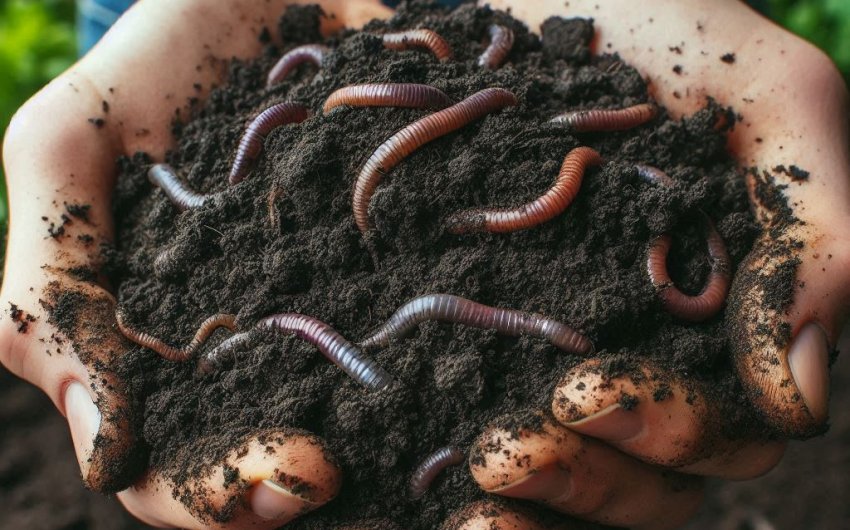
The best organic methods to improve garden soil structure consistently involve the generous and continuous addition of organic matter, minimizing disturbance, and fostering a thriving soil food web. These practices naturally create stable soil aggregates, enhancing drainage, aeration, and nutrient availability for robust plant growth.
What is Soil Structure and Why is it Important?
Soil structure refers to the way individual soil particles (sand, silt, and clay) bind together to form aggregates or clumps. These aggregates create a complex network of pores and spaces within the soil. Think of it like a perfectly baked crumb cake, where there are crumbs of various sizes, and plenty of air pockets in between. This arrangement is absolutely vital for a healthy garden.
Beyond Simple Dirt: The Crucial Role of Good Soil Structure
Many new gardeners focus solely on adding nutrients, but even the richest soil won't perform well if its structure is poor. Good soil structure is the difference between struggling plants and thriving ones.
- Water Management: This is one of the biggest benefits.
- Drainage: In heavy clay soils, good structure creates channels for excess water to drain away, preventing waterlogging and root rot.
- Water Retention: In sandy soils, aggregates create pockets that hold onto water, preventing it from leaching away too quickly. Healthy soil acts like a sponge, retaining moisture during dry spells.
- Air Circulation (Aeration): Plant roots, beneficial microorganisms, and earthworms all need oxygen to survive and function. Good soil structure ensures ample air pockets, allowing these vital processes to occur. Compacted soil, lacking good structure, suffocates roots.
- Root Penetration: Loose, crumbly soil with stable aggregates is easy for plant roots to grow through. Roots can extend deeply, accessing more water and nutrients, leading to stronger, more resilient plants.
- Nutrient Availability: Soil aggregates provide protected microhabitats for a diverse community of beneficial microorganisms. These microbes are essential for breaking down organic matter and converting nutrients into forms that plants can absorb. Poor structure disrupts this vital nutrient cycling.
- Temperature Regulation: The air pockets in well-structured soil insulate against extreme temperatures, keeping roots cooler in summer and warmer in winter.
- Erosion Control: Stable soil aggregates are less prone to being washed away by rain or blown away by wind, protecting your valuable topsoil.
- Ease of Working: Well-structured soil is a joy to work with. It's easy to dig, plant in, and generally more manageable.
What Causes Poor Soil Structure?
Understanding the culprits behind poor soil structure helps us implement effective organic improvements.
1. Compaction
This is the most common and damaging cause of poor soil structure.
- Foot Traffic: Walking directly on garden beds compacts the soil, squeezing out vital air pockets.
- Heavy Machinery: Using rototillers, tractors, or other heavy equipment on wet soil.
- Rainfall: Heavy rain can compact bare soil, especially if it's fine-textured.
- Tilling Wet Soil: Working soil when it's too wet (when it's sticky and smears) destroys its structure and leads to severe compaction once it dries.
2. Lack of Organic Matter
- Insufficient "Glue": Organic matter is the "glue" that binds soil particles into aggregates. Without enough of it, soil particles remain loose (sandy soil) or form solid, impenetrable blocks (clay soil).
- Reduced Microbial Activity: A lack of organic matter means a lack of food for the beneficial microorganisms and earthworms that are crucial for creating and maintaining good soil structure.
3. Excessive Tillage
- Disruption: While tillage can temporarily loosen compacted soil, it ultimately destroys stable soil aggregates, breaks up fungal networks, and disturbs the soil food web. Repeated tillage can lead to a "tillage pan" (a compacted layer) below the tilled depth.
- Erosion: Tilled soil is left bare and vulnerable to erosion by wind and rain.
4. Poor Drainage
- Waterlogging: Consistently saturated soil due to poor drainage can lead to anaerobic conditions, suffocating roots and inhibiting beneficial aerobic microorganisms. This can also lead to nutrient imbalances and the buildup of toxic compounds.
- Clay Soils: Naturally drain slowly due to small particle size, making good structure even more vital.
5. Chemical Inputs
- Harm to Microbes: Heavy use of synthetic fertilizers, pesticides, and herbicides can harm or kill beneficial soil microorganisms, disrupting the natural processes that build and maintain soil structure.
- Salt Buildup: Some synthetic fertilizers can leave behind salt residues that contribute to soil degradation over time.
What are the Best Organic Methods to Improve Soil Structure?
The key to improving soil structure organically is to consistently add abundant organic matter, minimize disturbance, and foster a healthy, thriving soil food web.
1. Incorporate Abundant Organic Matter (The #1 Method!)
This is the most fundamental and effective strategy for any soil type. Organic matter acts as a sponge, loosens clay, binds sand, and fuels the soil food web.
- Compost:
- Application: Spread a 1-3 inch layer of well-rotted garden compost over your garden beds annually, ideally in fall or early spring.
- Benefits: Directly adds humus (stable organic matter), provides a slow release of nutrients, and introduces beneficial microorganisms.
- Making Your Own: Create a compost bin from kitchen scraps, yard waste, and other organic materials.
- Aged Manure:
- Application: Use well-composted (aged for at least 6 months) cow, horse, chicken, or rabbit manure. Incorporate lightly or top-dress. Avoid fresh manure, which can burn plants. Composted manure for gardens is readily available.
- Benefits: Adds significant organic matter and a rich supply of nutrients.
- Shredded Leaves:
- Application: Collect fallen leaves in autumn, shred them (a lawnmower works great), and spread a thick layer directly onto garden beds or add to your compost pile.
- Benefits: Excellent source of "brown" carbonaceous organic matter that breaks down slowly, improving soil structure over time.
2. Mulching (Cover Your Soil!)
Mulch is a protective layer of organic material applied to the soil surface.
- Types: Straw, shredded leaves, wood chips (aged, not fresh for vegetables), grass clippings (thin layers), aged pine bark.
- Benefits:
- Suppresses Weeds: Reduces competition for water and nutrients.
- Conserves Moisture: Reduces evaporation, leading to less frequent watering.
- Moderates Soil Temperature: Keeps soil cooler in summer and warmer in winter.
- Adds Organic Matter: As mulch decomposes, it slowly enriches the top layer of soil.
- Prevents Compaction/Erosion: Protects soil from the impact of heavy rain.
- Use organic garden mulch specifically.
- Application: Apply a 2-4 inch layer around plants, keeping it a few inches away from plant stems to prevent rot.
3. Minimize Soil Disturbance (No-Till or Reduced-Till)
This is a fundamental shift in gardening practice that greatly benefits soil structure.
- Why: Tilling breaks up soil aggregates, destroys fungal networks (mycorrhizae), reduces organic matter, kills earthworms, and can create a compacted "tillage pan."
- Practice:
- No-Till: Apply organic matter directly to the soil surface (top-dressing with compost, deep mulching). Plant directly into the existing soil structure. Over time, earthworms and microbes will pull the organic matter down and aerate the soil naturally.
- Reduced-Till: If initial loosening is needed, use a broadfork to gently loosen the soil without inverting layers. This creates vertical channels for roots and water without destroying the soil's intricate web.
- Benefits: Preserves soil structure, protects microbial life, reduces weed germination, and improves long-term soil health.
4. Grow Cover Crops (Green Manure)
Plants grown specifically to improve soil health, then chopped or "terminated" and left to decompose in place.
- Why: Protect bare soil from erosion, suppress weeds, add significant organic matter when tilled in (lightly) or left to decompose, and some (legumes) fix nitrogen.
- Examples:
- Legumes: Clover, vetch, field peas (excellent for adding nitrogen).
- Grasses: Rye, oats, wheat (produce large amounts of biomass for organic matter).
- Buckwheat: Quick-growing, good for weed suppression.
- Find organic cover crop seeds.
- Application: Sow seeds in garden beds during the off-season (fall or early spring). Cut or mow them down before they set seed (typically when plants are lush and green) and either lightly incorporate into the topsoil or leave them as a "chop and drop" mulch.
5. Establish Permanent Pathways
- Why: Prevents soil compaction in growing areas. If you walk on the soil, you destroy its structure.
- How: Design your garden with clearly defined permanent pathways. Use materials like wood chips, gravel, stepping stones, or straw for pathways, ensuring you never step on the growing beds.
6. Introduce Earthworms and Beneficial Microorganisms
- Why: Earthworms are nature's best soil engineers. They create tunnels (aeration, drainage), mix organic matter, and excrete nutrient-rich castings that promote aggregation. Microorganisms are the "glue" that binds soil particles.
- How: The best way to encourage them is by consistently adding organic matter, minimizing tillage, and avoiding synthetic chemicals. You can also start a worm composting bin to produce rich worm castings to add to your soil.
Advanced Organic Soil Improvement Techniques
For gardeners looking to optimize their soil structure even further, these methods offer additional benefits.
1. Biochar Application
- What it is: A highly porous, stable form of charcoal made from heating biomass in a low-oxygen environment.
- Benefits: Biochar acts like a permanent sponge in the soil, significantly improving water retention, aeration, and nutrient-holding capacity. Its porous structure provides excellent habitat for beneficial microbes and helps create stable soil aggregates. It lasts for hundreds, if not thousands, of years.
- Application: Incorporate 5-10% (by volume) into your garden beds, especially new ones, or mix into compost. Needs to be "charged" (mixed with compost or fertilizer) before application. Look for garden-grade biochar.
2. Mycorrhizal Fungi Inoculants
- What it is: Symbiotic fungi that form a vast network around and within plant roots, effectively extending the plant's root system.
- Benefits: These fungi create stable aggregates, improve water and nutrient uptake (especially phosphorus), enhance drought resistance, and protect roots from disease.
- Application: Apply as a powder directly to root balls when transplanting, or mix into seed starting mix or garden beds. Many organic potting mixes now come pre-inoculated. Mycorrhizal inoculant can be beneficial.
3. Gypsum (for Clay Soils)
- What it is: Calcium sulfate. While not technically "organic" in the same way compost is, it's a naturally occurring mineral used to improve certain clay soils.
- Benefits: For sodic (high sodium) clay soils, gypsum helps to "flocculate" (clump together) clay particles, which improves drainage and structure. It adds calcium without significantly affecting pH.
- Important: Only use gypsum if you have confirmed sodic clay soil via a soil test. It's not a universal clay amendment. Overuse or use on non-sodic soils can have negative effects.
4. Raised Beds
- What it is: Garden beds built above ground level, enclosed by sides.
- Benefits: Allow you to create an ideal soil structure from scratch using a custom blend of topsoil, compost, and amendments. They prevent compaction from foot traffic, improve drainage, warm up faster in spring, and reduce weeding.
- Construction: Can be built from untreated wood, stone, corrugated metal, or concrete blocks.
Long-Term Commitment: It's a Marathon, Not a Sprint
Improving soil structure organically is not an overnight fix. It's a continuous process that yields increasingly impressive results over time.
- Patience is Key: Especially for heavy clay or extremely poor soils, significant improvements in structure can take several seasons or even years of consistent organic matter addition and good practices.
- Observe and Learn: Pay attention to how your soil responds. Does it feel more crumbly? Does water drain better? Are earthworms more abundant?
- The Reward: The long-term payoff is a vibrant, living soil ecosystem that supports incredibly healthy, resilient plants, leading to abundant harvests with less effort. Your garden becomes more self-sustaining and a joy to cultivate.
By consistently applying these organic methods – prioritizing organic matter, minimizing disturbance, and fostering the incredible life within your soil – you will fundamentally transform your garden's soil structure. This commitment to building healthy soil organically is the most impactful step you can take towards a thriving, productive, and truly sustainable garden.