
How to Make Organic Liquid Fertilizer at Home?
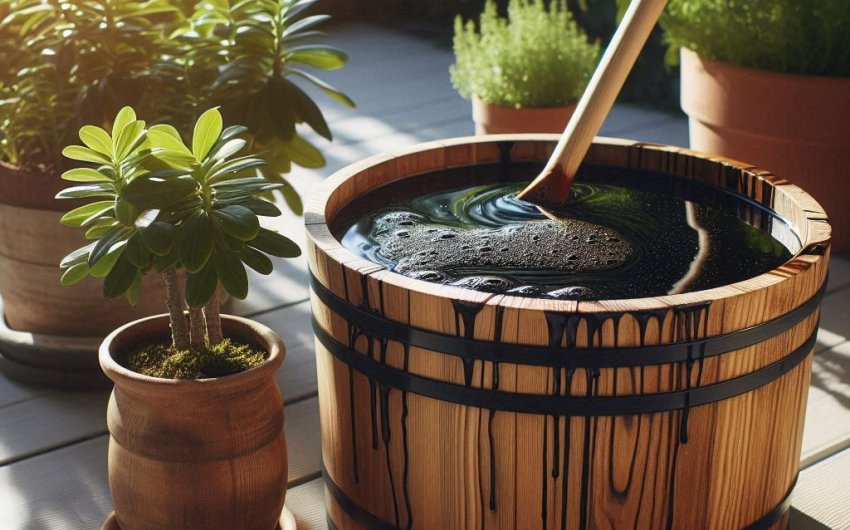
You can make organic liquid fertilizer at home using readily available materials like kitchen scraps, comfrey leaves, or aged manure, steeping them in water to create a nutrient-rich "tea" that feeds plants rapidly. This homemade concoction provides a gentle, balanced boost to soil life and plant growth, supporting a thriving organic garden.
What is Organic Liquid Fertilizer and Why Make it?
Organic liquid fertilizer, often called "compost tea," "manure tea," or "plant feed," is a nutrient-rich liquid derived from natural organic materials steeped in water. Unlike granular fertilizers that release nutrients slowly, liquid fertilizers offer a rapid, accessible boost to plants and the soil food web.
The Power of Liquid Feeding for Your Garden
While healthy soil built with solid organic matter is the foundation, liquid fertilizers play a crucial role, especially for actively growing vegetables.
- Rapid Nutrient Delivery: Plants can absorb nutrients directly through their roots and, in some cases, through their leaves (foliar feeding). This allows for quick absorption of nutrients, providing an immediate boost to stressed or hungry plants, or during critical growth stages like fruiting.
- Feeds the Soil Food Web: Organic liquid fertilizers are teeming with beneficial microorganisms from the source material. When applied to the soil, these microbes enhance nutrient cycling, improve soil structure, and can even suppress disease. You're not just feeding the plant; you're feeding the entire living soil system.
- Gentle and Balanced: Homemade organic liquid fertilizers are typically gentler than synthetic chemical fertilizers, reducing the risk of "burning" plants. They provide a broad spectrum of micronutrients and trace elements often missing from synthetic formulas.
- Cost-Effective and Sustainable: Using kitchen scraps, garden waste, or readily available animal manure transforms waste into a valuable resource, saving money and reducing your environmental footprint.
- Easy Application: Liquid fertilizers can be applied with a watering can, a hose-end sprayer, or even through drip irrigation systems (if strained well).
- Customizable: You can tailor your liquid fertilizer based on the needs of your plants and the materials you have available, emphasizing nitrogen for leafy growth or potassium for fruiting.
What Materials Can You Use for Organic Liquid Fertilizer?
The best organic liquid fertilizers are made from nutrient-rich organic materials. The type of material will influence the nutrient profile of your finished "tea."
1. Compost (Compost Tea)
- Nutrient Profile: Provides a broad spectrum of macro and micronutrients, but its main value is its high concentration of beneficial microorganisms.
- Best For: All plants, all stages. Excellent for feeding the soil food web, improving disease resistance, and boosting overall plant health.
- Source: Well-rotted finished compost from your compost pile or high-quality purchased compost. Organic compost.
2. Manure (Manure Tea)
- Nutrient Profile: Generally high in nitrogen, phosphorus, and potassium, plus trace elements. The specific N-P-K ratio depends on the animal.
- Chicken Manure: High in nitrogen, great for leafy greens.
- Cow/Horse Manure: More balanced, good all-purpose.
- Rabbit Manure: Also fairly balanced, often called "cold" manure as it doesn't need as much aging.
- Best For: Plants needing a nutrient boost, especially leafy growth.
- Source: Use aged or well-composted manure only. Fresh manure can burn plants and introduce pathogens. Composted cow manure.
3. Nutrient-Rich Plants (Plant/Weed Tea)
Certain plants are dynamic accumulators, meaning they draw up specific nutrients from deep in the soil. Steeping them transfers these nutrients to your liquid fertilizer.
- Comfrey: Rich in potassium (K), calcium, and trace minerals. Excellent for fruiting vegetables like tomatoes and peppers.
- Nettles: High in nitrogen (N) and iron. Good for leafy growth.
- Dandelion: Rich in potassium, calcium, and phosphorus.
- Weeds: Any green leafy weeds (non-seeding, non-toxic) can contribute nitrogen and organic matter.
- Source: Harvest leaves from healthy plants.
- Best For: Targeted nutrient boosts.
4. Kitchen Scraps
Don't let these go to waste!
- Nutrient Profile: Varies. Banana peels are good for potassium. Coffee grounds are high in nitrogen. Eggshells add calcium (slow release, may need to be crushed finely).
- Best For: General all-purpose feed.
- Source: Fruit and vegetable scraps, coffee grounds, tea bags. Avoid meat, dairy, and oily foods as they can attract pests and create foul odors.
5. Worm Castings (Worm Tea)
- Nutrient Profile: Highly concentrated with balanced nutrients and an incredible diversity of beneficial microorganisms. Often considered the most potent.
- Best For: All plants, especially seedlings and stressed plants.
- Source: Collect from your worm composting bin. Organic worm castings can also be purchased.
Water Source
- Unchlorinated Water: Use rainwater, well water, or dechlorinated tap water. Chlorine can kill the beneficial microorganisms you're trying to cultivate. If using tap water, let it sit out for 24 hours in an open container for chlorine to dissipate.
How to Make Basic Organic Liquid Fertilizer (Steeped Method)?
This is the simplest, most common method for making organic liquid fertilizer at home. It's often referred to as "tea" because it's essentially steeping materials in water.
Materials and Tools You'll Need:
- A large container: A 5-gallon (19-liter) bucket with a lid is ideal. Any non-reactive container (plastic, ceramic, food-grade metal) will work.
- Burlap sack, mesh bag, or old pillowcase: To hold the organic material and make straining easier.
- Water: Unchlorinated (rainwater, well water, or tap water left out for 24 hours).
- Organic material: Compost, aged manure, comfrey leaves, nettles, etc.
- Stirring stick:
- Gloves (optional): If handling manure or unpleasant materials.
Step-by-Step Instructions:
- Prepare Your Container: Ensure your bucket or container is clean.
- Add Organic Material:
- Compost: Fill the mesh bag/burlap sack with about 1-2 scoops of well-rotted compost. (Approximately 1-2 shovelfuls for a 5-gallon bucket).
- Manure: Fill the bag with about 1/4 to 1/2 full of aged manure. Less is more, especially for nutrient-dense manures like chicken.
- Plants (Comfrey, Nettles, Weeds): Roughly chop plant material and fill the bag about half to three-quarters full.
- Mixed Scraps: Use a variety of kitchen scraps, packing the bag about half full.
- Worm Castings: About 1-2 cups of pure worm castings in the bag.
- Tie the Bag: Securely tie the top of the bag so the contents don't float out.
- Place Bag in Container: Put the bag of organic material into your 5-gallon bucket.
- Fill with Water: Fill the bucket with unchlorinated water, leaving a few inches of headspace at the top.
- Steep and Stir:
- Submerge the bag in the water.
- Place the lid loosely on the bucket (or cover with a breathable material like burlap to keep out debris but allow airflow).
- Steep for 1-3 weeks. The warmer the weather, the faster it will "brew."
- Stir daily: Stir the mixture once a day with your stick. This helps extract nutrients and aerate the brew, preventing anaerobic (smelly) conditions.
- Check for Readiness:
- The color should be dark brown, like weak coffee or tea.
- It should have an earthy, sweet, or slightly fermented smell, not foul or rotten. If it smells bad, it's gone anaerobic; discard it and start over.
- Remove and Strain: Once ready, remove the bag of spent organic material. Squeeze out any remaining liquid. You can add the spent material to your compost pile or directly to garden beds as a slow-release amendment.
- Dilute and Use: Your organic liquid fertilizer is now ready for use! Always dilute it before applying to plants.
How to Make Actively Aerated Compost Tea (Advanced Method)?
Actively aerated compost tea (AACT) focuses on rapidly multiplying beneficial microorganisms in the compost. It requires an air pump and air stone to keep the water oxygenated. This method yields a more microbe-rich fertilizer than simply steeping.
Materials and Tools You'll Need:
- 5-gallon (19-liter) bucket: Clean.
- High-quality, finished compost or worm castings: The microbial content is key here.
- Mesh bag (micron filter size recommended): For holding the compost.
- Aquarium air pump: Aquarium air pump for a 10-20 gallon tank is usually sufficient.
- Air stone: Air stone for aerating.
- Air tubing: To connect pump to air stone.
- Unchlorinated water: Rainwater, well water, or dechlorinated tap water.
- Optional "Food" for Microbes: Unsulphured molasses, kelp meal, fish emulsion.
Step-by-Step Instructions:
- Prepare Container: Clean bucket.
- Add Water: Fill bucket with unchlorinated water, leaving 3-4 inches of headspace.
- Set Up Aeration:
- Connect the air stone to the air tubing.
- Place the air stone at the bottom of the bucket.
- Connect the other end of the tubing to the air pump.
- Ensure the air pump is positioned above the water level to prevent backflow into the pump.
- Add Compost/Castings: Fill the mesh bag with 1-2 cups of high-quality compost or worm castings.
- Add Microbial Food (Optional):
- For a fungal-dominant tea (good for trees/shrubs, but also helpful for veggies), add 1-2 tablespoons of liquid kelp meal or fish emulsion.
- For a bacterial-dominant tea (good for vegetables), add 1-2 tablespoons of unsulphured molasses to the water.
- Stir to dissolve any amendments.
- Steep and Aerate:
- Place the bag of compost/castings into the aerated water.
- Turn on the air pump. You should see vigorous bubbling.
- Brew for 24-48 hours. Brewing longer than 48 hours without additional food can cause microbes to starve.
- Check for Readiness:
- The tea should have a pleasant, earthy, fresh smell. If it smells foul or yeasty, discard it.
- Look for foamy bubbles on the surface, indicating active microbial life.
- Remove and Strain: Turn off the pump. Remove the mesh bag. You can add the spent compost/castings to your garden beds.
- Use Immediately: AACT is best used within 4-6 hours after brewing, as the oxygen levels drop rapidly, and the beneficial aerobic microbes will start to die off.
How to Use Organic Liquid Fertilizer?
Once your organic liquid fertilizer is brewed, proper dilution and application are key for plant health.
1. Dilution is Key
- General Rule: Always dilute your homemade liquid fertilizer before applying it to plants. Undiluted "teas" can be too strong and potentially harm plants, especially seedlings or young plants.
- Typical Ratios:
- 1 part concentrate to 10 parts water (1:10) for general use: Good for established plants.
- 1 part concentrate to 20 parts water (1:20) for seedlings, young plants, or sensitive plants.
- 1 part concentrate to 5 parts water (1:5) for very hungry plants or a strong boost, used sparingly.
- Experiment: Start with a weaker dilution and observe your plants' response. You can always increase strength gradually if needed.
2. Application Methods
- Soil Drench: This is the most common and effective method.
- How: Use a watering can to apply the diluted fertilizer directly to the soil around the base of your plants. Aim to saturate the root zone.
- Benefits: Feeds roots directly and introduces beneficial microbes into the soil.
- Foliar Spray: Applying diluted tea directly to plant leaves.
- How: Use a garden sprayer to mist the tops and undersides of leaves.
- Benefits: Rapid nutrient uptake through leaves, and microbes can provide disease suppression on foliage.
- Best Time: Apply in the early morning or late evening when temperatures are cooler and the stomata (pores on leaves) are open, and before strong sunlight to prevent leaf burn. Avoid spraying in hot, direct sun.
- Straining: Crucial to strain foliar sprays extra well to prevent clogging your sprayer nozzle.
- Drip Irrigation (Advanced):
- How: If your drip irrigation system can handle liquids, a very well-strained and diluted compost tea can be injected.
- Caution: Requires excellent straining to prevent clogging emitters. Not recommended for thick, unstrained teas.
3. Application Frequency
- Active Growth: During periods of active growth (spring and early summer for leafy greens, when fruiting plants are setting fruit), apply every 2-4 weeks.
- Stressed Plants: For struggling or stressed plants, a diluted application can be given more frequently (e.g., weekly) for a few weeks.
- Soil Health: Even if plants seem fine, regular soil drenching keeps the soil food web active.
4. Storage
- Steeped Teas (Anaerobic): Can be stored in a cool, dark place for a few weeks, but the microbial benefits will diminish over time. If it starts to smell foul, discard it.
- Actively Aerated Teas (Aerobic): Must be used within 4-6 hours of brewing. The beneficial aerobic microbes will die quickly once the oxygen runs out, and the tea can go anaerobic, producing harmful compounds.
Troubleshooting Homemade Organic Liquid Fertilizer
Sometimes things don't go as planned. Here's how to troubleshoot common issues.
1. Bad Smell (Rotten Egg or Rancid)
- Problem: Your brew smells foul, like rotten eggs or rotting garbage.
- Cause: The tea has gone anaerobic (lacks oxygen). This kills beneficial aerobic microbes and produces harmful compounds.
- Solution: Discard it. Do not use it on your plants, as it can harm them. Compost the material and start a new batch.
- Prevention:
- Ensure proper aeration (stir daily for steeped method, use air pump for AACT).
- Don't overfill the container.
- Don't use oily or meat/dairy scraps.
- Use unchlorinated water.
2. Weak or No Effect on Plants
- Problem: Plants aren't responding to the fertilizer.
- Possible Causes:
- Too diluted: Not strong enough.
- Poor quality source material: Compost or manure lacked sufficient nutrients/microbes.
- Wrong nutrient profile: Applied nitrogen-heavy tea when plants needed phosphorus/potassium.
- Other underlying issues: Pests, disease, water issues, root problems.
- Solutions:
- Increase dilution strength: Gradually, test on a few plants first.
- Use better source material: Ensure compost is well-rotted, manure is aged and good quality.
- Match needs: Consider comfrey tea for fruiting plants, nettle/coffee ground tea for leafy greens.
- Check other factors: Rule out other plant problems.
3. Clogged Sprayer/Watering Can
- Problem: Bits of material blocking your sprayer or watering can.
- Cause: Not strained well enough.
- Solution: Strain the liquid fertilizer through a finer mesh (old pantyhose, cheesecloth, or a very fine strainer) before putting it into your application tool. This is especially important for foliar sprays.
4. Attracting Pests
- Problem: Fungus gnats or other insects around the tea.
- Cause: Exposed brew, especially if containing sugary additions or if not fully fermented.
- Solution: Keep the lid on the bucket. Ensure good airflow/aeration. If using molasses, dilute quickly and apply promptly.
Beyond the Basics: Other Homemade Organic Fertilizers
Beyond liquid teas, there are other homemade organic options for specific nutrient needs.
1. Eggshell Fertilizer (Calcium)
- Nutrient Profile: Primarily calcium.
- How to Make: Rinse and dry eggshells thoroughly. Grind them into a very fine powder (coffee grinder works).
- How to Use: Sprinkle around the base of calcium-loving plants (tomatoes, peppers, squash) or work lightly into the soil. Calcium is slow-release, so it's a long-term amendment.
2. Banana Peel Fertilizer (Potassium)
- Nutrient Profile: High in potassium (K) and some phosphorus (P).
- How to Make:
- Direct Burial: Chop peels finely and bury them directly in planting holes for potassium-loving plants.
- Dried & Powdered: Dry peels until crispy, then grind into a powder.
- Tea: As described in the steeped liquid fertilizer section.
- How to Use: Add dried powder to soil or use the tea for fruiting plants.
3. Coffee Grounds (Nitrogen)
- Nutrient Profile: Nitrogen, some phosphorus, and trace minerals. Slightly acidic.
- How to Use: Mix directly into soil, or sprinkle as a thin layer on top of soil (avoid thick layers that can mold). Excellent for compost "greens." Use as a tea.
4. Wood Ash (Potassium, Calcium, Alkaline)
- Nutrient Profile: High in potassium and calcium, but also very alkaline.
- How to Use: Use sparingly and only if your soil pH is acidic and needs to be raised, or if a soil test indicates a potassium deficiency. Sprinkle a very thin layer (no more than 1/4 inch) and incorporate lightly. Do NOT use ash from treated wood or charcoal briquettes.
Making organic liquid fertilizer at home is a rewarding and highly effective way to nourish your garden. By harnessing the power of decomposition and microorganisms, you create a sustainable, cost-effective, and gentle nutrient boost for your vegetable plants, fostering vibrant growth, robust health, and ultimately, a bountiful harvest. It's a key practice in truly embracing organic gardening principles.