
What Are the Benefits of Organic Mulch in the Garden?
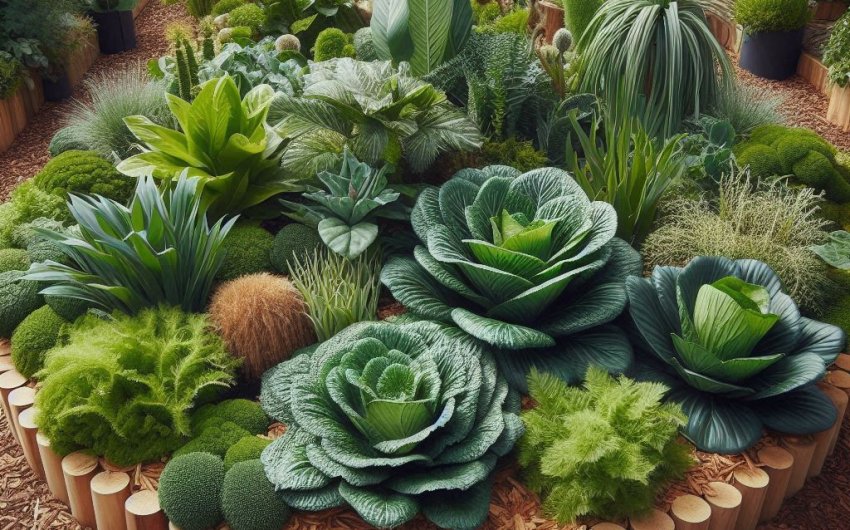
Organic mulch offers numerous benefits for garden health, primarily by improving soil structure, retaining moisture, and suppressing weeds. It provides a natural, sustainable way to enhance your garden's vitality.
What Exactly Is Organic Mulch?
Organic mulch refers to any type of plant-derived material used as a top layer over garden soil. Unlike inorganic mulches like rocks or rubber, organic materials break down over time, enriching the soil.
- Natural Materials: Comes from living or once-living things.
- Biodegradable: Decomposes and adds nutrients to the soil.
- Improves Soil: Enhances soil quality as it breaks down.
What Are the Primary Benefits of Organic Mulch for Soil Health?
The most significant advantage of using organic mulch is its positive impact on soil. As it decomposes, it transforms the soil beneath, creating a healthier environment for plant roots.
- Enriches Soil Fertility: As organic mulch breaks down, it releases essential nutrients directly into the soil. This acts like a slow-release fertilizer, constantly feeding your plants. Over time, it reduces the need for synthetic fertilizers.
- Improves Soil Structure: It adds organic matter, which helps bind sandy soils to retain water and nutrients. For heavy clay soils, it helps break up compaction, improving drainage and aeration. This makes it easier for roots to grow and access resources.
- Enhances Microbial Activity: Organic mulch creates a favorable habitat for beneficial soil microorganisms like bacteria, fungi, and earthworms. These tiny creatures are vital for nutrient cycling and maintaining a healthy soil food web. Earthworms, for example, tunnel through the soil, improving aeration and drainage while leaving behind nutrient-rich castings.
- Moderates Soil Temperature: A layer of organic mulch acts as insulation for the soil. It keeps the soil cooler in summer, protecting roots from extreme heat. In winter, it helps prevent rapid temperature fluctuations, protecting plants from frost heave (when plants are pushed out of the ground by freezing and thawing cycles). This consistent temperature is less stressful for plant roots.
- Prevents Soil Compaction: Rain and foot traffic can compact bare soil, squeezing out air and making it hard for roots to grow. A protective layer of organic mulch cushions the impact of raindrops and prevents compaction, maintaining a loose, airy soil structure.
- Reduces Soil Erosion: Organic mulch acts as a physical barrier against wind and water erosion. It keeps the soil particles in place, especially on slopes or in areas prone to heavy rain. This prevents valuable topsoil and nutrients from washing away.
How Does Organic Mulch Help with Water Conservation?
Water is a precious resource, especially in gardening. Organic mulch plays a vital role in reducing your garden's water consumption.
- Reduces Evaporation: A layer of mulch shades the soil, dramatically slowing down the rate at which water evaporates from the soil surface due to sun and wind. This means moisture stays in the soil longer, directly at the plant roots.
- Maintains Soil Moisture Consistency: It helps to keep soil moisture levels more stable. Instead of drying out quickly, the soil remains consistently damp, which is much better for plant health than cycles of wet and dry.
- Decreases Watering Frequency: Because moisture is retained longer, you won't need to water your garden as often. This saves time, effort, and water bills. It's particularly beneficial during dry spells or in drought-prone areas.
- Improves Water Infiltration: When it rains or you water, the mulch helps the water soak into the soil slowly and evenly, rather than running off the surface. As the mulch breaks down, it also improves the soil's ability to absorb and hold water like a sponge.
Can Organic Mulch Effectively Suppress Weeds?
Yes, organic mulch is one of the most effective and natural ways to combat weeds in your garden. This saves you considerable time and effort.
- Blocks Sunlight: Weeds need sunlight to sprout and grow. A thick layer (2-4 inches) of organic mulch blocks out light, preventing most weed seeds from germinating. Even if they do sprout, they will be weak and etiolated (stretched and pale) due to the lack of light, making them easy to pull.
- Smothers Existing Weeds: For young, small weeds, a layer of mulch can smother them by depriving them of light and oxygen.
- Makes Weeding Easier: Even if some persistent weeds manage to push through the mulch, the soil beneath will be softer and looser due to the mulch's effects. This makes pulling them out by hand much easier, often allowing them to come out root and all.
- Reduces Seed Dispersal: By preventing weeds from growing and going to seed, organic mulch helps break the weed cycle, reducing the number of weed seeds that can germinate in subsequent seasons. This means fewer weeds for you to deal with in the future.
What Types of Organic Mulch Are Best for Different Garden Needs?
The best organic mulch depends on your specific garden goals and the plants you're growing. Each type has unique characteristics.
Wood-Based Mulches
- Shredded Bark:
- Benefits: Excellent for weed suppression, long-lasting, attractive appearance, decomposes slowly. Good for trees, shrubs, and perennial beds. Often available in various colors.
- Drawbacks: Can tie up nitrogen as it decomposes if mixed into the soil; best used as a top dressing.
- Common Use: Around trees and shrubs, permanent beds.
- Find a good supply of Shredded Bark Mulch.
- Wood Chips:
- Benefits: Very long-lasting, good for pathways and large areas, excellent weed barrier. Often inexpensive or free from arborists.
- Drawbacks: Decomposes very slowly, can look rough in formal gardens. Similar nitrogen tie-up potential if incorporated.
- Common Use: Pathways, around large trees, naturalized areas.
- Check for Wood Chip Mulch.
- Arborist Chips:
- Benefits: Whole tree chips, including leaves and small branches, offering a diverse nutrient profile as they break down. Excellent for soil building and microbial activity. Often available for free.
- Drawbacks: Can be inconsistent in size, may contain weed seeds or disease if not from a reputable source.
- Common Use: New garden beds, permaculture gardens, natural landscapes.
Leaf-Based Mulches
- Shredded Leaves:
- Benefits: Free, readily available in autumn, excellent for soil building, decomposes relatively quickly, adding rich organic matter. Earthworms love them.
- Drawbacks: Can blow away if not shredded or if applied too thinly. Can mat down if not shredded, impeding water penetration.
- Common Use: Vegetable gardens, perennial beds, enriching soil over winter.
- You can use a Leaf Shredder to prepare them.
- Leaf Mold:
- Benefits: Decomposed leaves, extremely beneficial for soil structure, moisture retention, and microbial life. Improves drainage and aeration.
- Drawbacks: Takes 6-12 months to produce.
- Common Use: As a soil amendment or fine top dressing.
Composted Materials
- Compost:
- Benefits: The "black gold" of gardening. Rich in nutrients, improves soil structure, excellent for all garden applications. Actively teeming with beneficial microbes.
- Drawbacks: Can be expensive to buy in large quantities. Homemade compost requires effort and time.
- Common Use: Vegetable gardens, flower beds, around all plants.
- Consider a Compost Tumbler for easy composting.
- Composted Manure:
- Benefits: Provides a slow release of nutrients, significantly boosts soil fertility, improves soil structure.
- Drawbacks: Must be fully composted to avoid burning plants or introducing weed seeds/pathogens. Can have an odor.
- Common Use: Vegetable gardens, hungry perennial beds.
- Look for Composted Manure from reputable suppliers.
Other Organic Mulches
- Straw:
- Benefits: Excellent for vegetable gardens, especially around tomatoes and strawberries, keeps fruits clean, great weed suppressor. Decomposes quickly.
- Drawbacks: Can blow away easily, may contain some grain seeds that sprout (though usually easy to pull).
- Common Use: Vegetable beds, new plantings.
- Find Garden Straw for gardening.
- Grass Clippings (Untreated):
- Benefits: Free, adds nitrogen, decomposes quickly.
- Drawbacks: Must be used in thin layers to prevent matting and odor. Avoid if treated with herbicides.
- Common Use: Around established plants, vegetable rows.
- Pine Needles:
- Benefits: Excellent for acid-loving plants (rhododendrons, azaleas, blueberries), long-lasting, attractive.
- Drawbacks: Can lower soil pH over time.
- Common Use: Acidic plant beds.
- Consider Pine Straw Mulch if available.
How Do You Apply Organic Mulch Correctly?
Proper application is crucial to maximize the benefits of organic mulch and avoid common pitfalls.
Prepare the Area:
- Weed Thoroughly: Remove any existing weeds before applying mulch. This ensures the mulch smothers new weed growth, not existing ones.
- Water if Dry: If the soil is very dry, give it a good watering beforehand. Mulch helps retain moisture, but it won't add it.
- Clear Debris: Remove any leaves, twigs, or other debris from the area.
Determine Depth:
- For most organic mulches, a layer of 2-4 inches deep is ideal.
- Too Thin (less than 2 inches): Won't effectively suppress weeds or retain moisture.
- Too Thick (more than 4 inches): Can suffocate roots, encourage fungal growth, and prevent water from reaching the soil.
Apply Evenly:
- Spread the mulch evenly over the soil surface in your garden beds, around trees, and shrubs.
- Use a Garden Rake or your hands for spreading.
Create a "Donut" Around Plants and Trees:
- Crucially, keep mulch a few inches away from plant stems and tree trunks. This is often called the "mulch donut" or "no volcano" method.
- Why? Piling mulch directly against stems and trunks (the "mulch volcano") can:
- Trap moisture, leading to rot and disease.
- Create a hiding place for rodents and insects that can damage bark.
- Cause root collar rot.
Reapply as Needed:
- Organic mulch decomposes over time. Check its depth annually, usually in spring or fall.
- Add more as needed to maintain the 2-4 inch depth. Some mulches break down faster than others.
What Are Some Common Mistakes to Avoid When Using Organic Mulch?
Even with the best intentions, improper mulch use can do more harm than good. Be aware of these common errors.
- Applying Too Thickly: As mentioned, piling mulch too high (more than 4 inches) can suffocate plant roots, prevent air and water from reaching the soil, and lead to fungal diseases. It creates a barrier rather than a benefit.
- Mulch Volcanoes: Piling mulch directly against the base of tree trunks or plant stems is detrimental. It can cause rot, invite pests, and even encourage roots to grow into the mulch layer rather than the soil. Always leave a gap.
- Not Weeding First: Applying mulch over existing weeds will only make them stronger as the mulch provides an ideal, protected environment for them to grow. Always clear the area first.
- Using Uncomposted Materials: Raw wood chips or fresh manure can "steal" nitrogen from the soil as they break down, temporarily making it unavailable for your plants (nitrogen depletion). Use well-composted materials or only apply raw materials as a top dressing, ensuring they don't get mixed into the soil.
- Spreading on Already Wet Soil: While you should water dry soil before mulching, applying mulch when the soil is waterlogged can trap excessive moisture, leading to anaerobic (low oxygen) conditions and potential root rot.
- Ignoring Soil pH: Some organic mulches, like pine needles, can slightly acidify the soil over time. Be mindful of your plants' pH preferences. If you have plants that prefer alkaline soil, choose a neutral mulch.
- Using Diseased or Pest-Infested Mulch: Be cautious when sourcing free mulch, especially wood chips from unknown origins. It could introduce plant diseases or pests to your garden. Always inspect the material or source from reputable suppliers.
- Applying on Frozen Ground: While a layer of mulch can help moderate soil temperatures in winter, applying it after the ground is already frozen can delay thawing in spring. It's best to apply mulch in late fall or early spring.
How Does Organic Mulch Benefit Garden Ecosystems and Biodiversity?
Beyond its direct effects on plants and soil, organic mulch contributes significantly to a thriving garden ecosystem.
- Supports Beneficial Insects: A mulched garden provides shelter and habitat for many beneficial insects, including ground beetles, spiders, and ladybugs. These insects help control pest populations, reducing the need for chemical pesticides.
- Encourages Earthworms: Earthworms are attracted to moist, organic environments. They thrive under mulch, constantly aerating the soil, improving drainage, and depositing nutrient-rich castings.
- Provides Food for Microorganisms: As the mulch breaks down, it feeds a vast network of microscopic organisms in the soil, including bacteria, fungi, and protozoa. This complex "soil food web" is essential for converting organic matter into plant-available nutrients.
- Reduces Chemical Use: By suppressing weeds and fostering a healthier ecosystem, organic mulch lessens your reliance on herbicides and synthetic fertilizers, leading to a more natural and sustainable garden.
- Mitigates Runoff: The improved soil structure and water infiltration fostered by organic mulch reduce surface runoff. This means less soil erosion and fewer nutrients washing into nearby waterways, protecting local ecosystems.
- Carbon Sequestration: As organic mulch decomposes and is incorporated into the soil, it increases the soil's organic carbon content. This helps sequester carbon from the atmosphere, contributing to climate change mitigation efforts.
What Are the Environmental Advantages of Using Organic Mulch?
Using organic mulch is not just good for your garden; it's also a choice that benefits the wider environment.
- Reduces Landfill Waste: Many organic mulches are made from recycled materials like yard waste (leaves, grass clippings, wood chips) that would otherwise end up in landfills. This diversion of waste is a key environmental benefit.
- Decreases Water Consumption: As discussed, mulch significantly reduces the need for irrigation, conserving precious freshwater resources, especially in drought-prone areas.
- Lowers Chemical Runoff: By improving soil health and suppressing weeds naturally, organic mulch reduces the need for synthetic fertilizers and herbicides. This lessens the amount of harmful chemicals that can leach into groundwater or run off into streams and rivers.
- Supports Local Ecosystems: A healthy, naturally mulched garden contributes to local biodiversity, providing habitat and food for pollinators, beneficial insects, and soil organisms.
- Carbon Footprint Reduction: Using local organic mulch materials reduces the energy and emissions associated with manufacturing and transporting synthetic gardening products. The carbon sequestration in the soil further adds to its environmental credentials.
- Sustainable Resource Management: Choosing organic mulch encourages the sustainable management of natural resources, promoting the reuse and recycling of plant materials.
Comparing Organic vs. Inorganic Mulch
While both types of mulch serve to cover the soil, their benefits and impacts are quite different.
| Feature | Organic Mulch | Inorganic Mulch |
|---|---|---|
| Material Type | Plant-derived (wood, leaves, straw, compost) | Non-plant derived (rock, rubber, plastic) |
| Decomposition | Yes, breaks down over time | No, does not break down |
| Soil Enrichment | Adds nutrients and organic matter | No, does not add nutrients |
| Soil Structure | Improves drainage, aeration, water holding | Does not improve soil structure |
| Temperature Reg. | Moderates soil temp (cooler summer, warmer winter) | Can absorb and radiate heat (rocks) |
| Water Retention | Excellent (reduces evaporation) | Good (reduces evaporation) |
| Weed Control | Excellent (blocks light) | Excellent (physical barrier) |
| Pest Control | Can harbor beneficial insects, reduces pest pressure | No direct impact, can harbor some pests |
| Cost | Varies, often free for leaves/grass clippings | Higher upfront cost |
| Longevity | Needs replenishment (1-3 years) | Very long-lasting |
| Environmental | Sustainable, improves soil, reduces waste | No soil improvement, uses non-renewable resources |
Can Organic Mulch Deter Pests and Diseases?
While organic mulch itself doesn't directly kill pests, it plays a significant role in creating a garden environment that naturally deters them and promotes plant resilience against diseases.
- Healthy Plants are More Resistant: By improving soil health, moisture levels, and nutrient availability, organic mulch helps grow stronger, healthier plants. Healthy plants are naturally more resistant to pest infestations and diseases.
- Encourages Beneficial Insects: Many beneficial insects that prey on garden pests (like spiders, ground beetles, and lacewings) seek shelter and thrive in the moist, cool environment provided by organic mulch. By fostering these natural predators, mulch helps keep pest populations in check.
- Breaks Pest Cycles: A layer of mulch can act as a physical barrier that prevents certain pests from reaching the soil to lay eggs or pupate. For instance, some fruit fly larvae pupate in the soil, and a mulch layer can interrupt this cycle.
- Reduces Soil Splashing: When it rains, bare soil can splash onto plant leaves, spreading soil-borne fungal spores or bacteria. Organic mulch creates a barrier, preventing this splashing and reducing the incidence of diseases like early blight.
- Moderates Disease Spread: While mulch can sometimes harbor slugs and snails in very wet conditions, its overall benefits in promoting healthy soil and beneficial organisms generally outweigh this risk, leading to fewer overall pest and disease problems.
What Are Some DIY and Free Sources of Organic Mulch?
You don't always need to buy mulch. Many excellent sources of organic mulch are available for free or at very low cost.
- Your Own Yard Waste:
- Shredded Leaves: The ultimate free mulch! Collect fallen leaves in autumn, shred them with a lawnmower or Leaf Shredder, and apply. They are excellent for soil enrichment.
- Grass Clippings: Use untreated grass clippings in thin layers (no more than 1-2 inches) to avoid matting and odor. They add nitrogen. Avoid if your lawn has been treated with herbicides.
- Compost: Start a Compost Tumbler or pile to turn kitchen scraps and yard waste into nutrient-rich compost.
- Local Resources:
- Arborist Chips/Wood Chips: Many tree trimming companies or municipal departments are happy to drop off wood chips for free. They get rid of their waste, and you get valuable mulch. Call local tree service companies and ask if they have a "chip drop" program.
- Local Farms/Stables: May offer aged manure or straw for free or at a low cost. Ensure manure is well-composted.
- Coffee Shops: Some coffee shops give away used coffee grounds. They are slightly acidic and add nitrogen; use in moderation.
- Sawmills: May have wood shavings or sawdust, but use with caution as raw sawdust can deplete nitrogen significantly.
How Can Organic Mulch Help Attract Pollinators to Your Garden?
While organic mulch doesn't directly attract pollinators, it creates the underlying healthy environment that makes your garden appealing and supportive for them.
- Supports Healthy Plants: Pollinators are drawn to healthy, vibrant flowers. By improving soil and reducing plant stress, organic mulch helps your plants produce more blooms and nectar, which are crucial food sources for bees, butterflies, and other pollinators.
- Reduces Pesticide Use: When you rely on organic mulch for weed control and soil health, you naturally reduce or eliminate the need for chemical pesticides and herbicides. These chemicals can be highly toxic to pollinators, so a pesticide-free garden is a pollinator-friendly garden.
- Provides Ground Nesting Sites: Some native bees are ground-nesting. While a thick layer of mulch might initially seem to deter them, a well-balanced mulch regimen that allows for some patches of bare, well-drained soil can support these bees. Moreover, a healthy soil ecosystem promoted by mulch provides a better environment for their larvae.
- Enhances Water Availability: Pollinators need water. By helping the soil retain moisture, mulch ensures that plants remain hydrated and can produce nectar, even during dry spells, thus providing a consistent water source for insects.
- Fosters Biodiversity: A garden thriving with organic mulch becomes a more diverse ecosystem. This rich environment supports a wider array of insects and organisms, creating a balanced food web where pollinators can flourish without excessive competition or threats from chemical interventions.
Is Organic Mulch Suitable for All Types of Gardens?
Generally, yes! Organic mulch is incredibly versatile and beneficial for almost all types of gardens, from vegetable patches to ornamental beds and even container plants.
- Vegetable Gardens: Essential for moisture retention, weed suppression, and adding nutrients. Straw, shredded leaves, and compost are popular choices.
- Flower Beds and Perennials: Helps maintain consistent soil moisture, reduces weeding, and provides a tidy appearance. Shredded bark, wood chips, or compost work well.
- Trees and Shrubs: Crucial for insulating roots, reducing competition from weeds, and maintaining soil health. Shredded bark or wood chips are commonly used.
- Container Gardens: A thin layer of compost or fine bark mulch can help containers retain moisture and regulate temperature, though be careful not to over-mulch small pots.
- Raised Beds: Mulch is highly beneficial for raised beds to prevent them from drying out too quickly and to enrich the confined soil volume.
While organic mulch is widely applicable, always consider the specific needs of your plants and the conditions of your local environment when choosing the best type and application depth. For instance, extremely wet climates might benefit from slightly thinner mulch layers to avoid excessive moisture, while arid regions might prefer thicker layers for maximum water conservation.
The Sustainable Future of Gardening with Organic Mulch
Embracing organic mulch is a cornerstone of sustainable and eco-friendly gardening. It's a natural cycle where plant matter returns to the soil, enriching it, conserving water, and creating a thriving ecosystem. By understanding and harnessing the power of organic mulch, you can cultivate a healthier, more productive, and beautiful garden with less effort and a reduced environmental footprint. It's a simple yet powerful practice that truly transforms your gardening experience.