
How to Grow Organic Tomatoes Without Chemical Fertilizers?
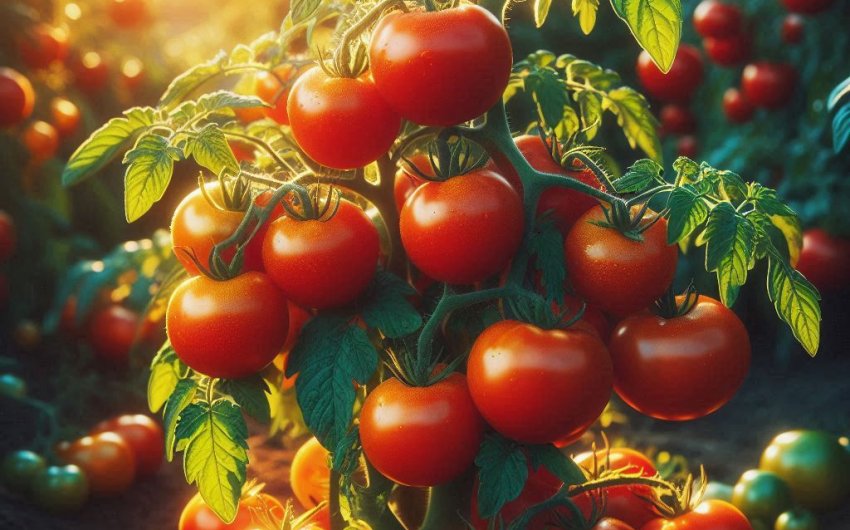
There's nothing quite like the taste of a homegrown tomato – juicy, bursting with flavor, and miles better than anything from the store. And if you're aiming for that pure, unadulterated taste, growing them organically is the way to go. You might wonder if it's possible to achieve those abundant harvests without relying on synthetic chemical fertilizers. The answer is a resounding yes! Growing organic tomatoes without chemical fertilizers is not only achievable but often leads to healthier plants, richer soil, and truly delicious fruit.
The secret lies in understanding how nature feeds plants and building a thriving ecosystem from the ground up. Forget the quick fixes; we're going to create a long-term foundation for success. This guide will walk you through all the essential steps to cultivate a bumper crop of organic tomatoes, focusing on natural methods for nourishing your plants and soil. Get ready for a taste of pure gardening triumph!
Why Grow Organic Tomatoes Without Chemical Fertilizers?
Choosing the organic route for your tomatoes offers numerous benefits that extend beyond just a good harvest. It's a holistic approach that impacts your food, your garden, and the environment.
First, superior flavor and nutrition. Many organic gardeners swear that naturally grown tomatoes simply taste better. Chemical fertilizers can sometimes lead to rapid, watery growth, potentially diluting flavor. Organic methods, by focusing on rich, living soil, encourage slower, more balanced growth, leading to more intense flavors and often higher nutrient content. You're aiming for naturally flavorful tomatoes.
Second, safer for your family and the environment. By avoiding synthetic chemical fertilizers, you eliminate concerns about chemical residues on your food. This means truly chemical-free tomatoes for your table. You're also protecting beneficial insects, local wildlife, and preventing nutrient runoff that can pollute waterways.
Third, healthier, more resilient plants. Plants grown in organically rich soil develop stronger root systems and a robust "immune system" thanks to the thriving soil microbiome. These healthy plants are naturally more resistant to common tomato problems like diseases (e.g., blight) and pests, reducing your need for intervention. This promotes disease-resistant tomato plants.
Fourth, long-term soil improvement. Chemical fertilizers often bypass the soil, feeding the plant directly. Organic methods, however, focus on feeding the soil, which in turn feeds the plant. This builds up the soil's organic matter, improves its structure, and fosters a diverse community of beneficial microorganisms, making your garden healthier and more productive year after year. This is the cornerstone of sustainable tomato cultivation.
Finally, cost-effective in the long run. While initial organic amendments might seem like an investment, over time, a healthy, self-sustaining organic garden will require fewer inputs, saving you money on fertilizers and pest control.
What's the Secret to Feeding Organic Tomatoes? It's All About the Soil!
The cornerstone of growing organic tomatoes without synthetic fertilizers is building exceptionally rich, living soil. Instead of applying synthetic nutrients that are immediately available but often deplete the soil over time, we're going to focus on nurturing the soil life that naturally provides a steady supply of nutrients.
1. Start with a Soil Test
Don't guess, test! A soil test is your baseline.
- What it Tells You: It will reveal your soil's current pH level and nutrient profile (which nutrients are lacking or in excess).
- Why it Matters: Tomatoes prefer a slightly acidic to neutral pH (around 6.0 to 6.8). If your pH is off, nutrients won't be available to the plants, no matter how much you add. The test will guide your initial organic amendments. You can use a home soil test kit for quick results, or send a sample to your local cooperative extension office for a more detailed report.
2. Embrace Abundant Organic Matter (Compost is King!)
This is the single most important ingredient for feeding your tomatoes organically.
- Compost: Add a generous amount (at least 2-4 inches) of high-quality, finished compost to your tomato planting area. Mix it into the top 6-12 inches of soil before planting.
- What it Does: Compost is packed with a balanced range of slow-release nutrients, improves soil structure (drainage and aeration), and is teeming with beneficial microorganisms. These microbes break down organic materials, making nutrients available to your tomato plants.
- Sources: Use your own homemade compost, or purchase organic compost (like VermisTerra Worm Castings Organic Fertilizer). Worm castings are incredibly potent and beneficial.
- Aged Manure: If you have access to it, well-rotted (aged for at least 6 months) manure from herbivores (cow, chicken, horse) is an excellent addition. It's rich in nutrients and organic matter. Never use fresh manure directly on plants, as it can burn them.
3. Balanced Organic Amendments at Planting Time
While compost is primary, a few targeted organic amendments can give your tomato plants an extra boost when they go into the ground.
- Bone Meal: A great source of phosphorus, which is crucial for strong root development and flowering/fruiting. Mix a handful into the bottom of each planting hole. You can find organic bone meal fertilizer (like Espoma Bone Meal).
- Kelp Meal: Provides a wide range of micronutrients and growth hormones, supporting overall plant vigor. Add a spoonful to each planting hole or side-dress later.
- Epsom Salts (Magnesium Sulfate): Tomatoes love magnesium, which helps with photosynthesis and fruit production. Mix 1 tablespoon into the planting hole or dissolve in water for a foliar spray later.
What Are the Best Organic Practices for Growing Tomatoes?
Beyond soil, good growing practices contribute significantly to healthy, productive organic tomato plants.
1. Choose the Right Tomato Varieties
- Disease Resistance: Look for varieties labeled "disease resistant" or "heirloom disease resistant." This is a huge advantage for organic growers, reducing disease pressure from the start.
- Determinate vs. Indeterminate:
- Determinate: Bushy plants that stop growing at a certain height and produce their crop all at once. Good for containers or smaller spaces.
- Indeterminate: Vining plants that continue to grow and produce fruit until frost. Need strong support.
- Climate Suitability: Choose varieties that mature well within your growing season (check "days to maturity" on the seed packet).
2. Proper Planting Techniques
- Plant Deep: Tomatoes are unique because they can grow roots along their stems. When planting, remove the lower leaves and bury a good portion of the stem (even up to two-thirds of the plant) in the soil. This encourages a stronger root system.
- Warm Soil: Wait until all danger of frost has passed and the soil has truly warmed up before planting tomatoes outdoors. Cold soil stresses tomato plants.
- Adequate Spacing: Give your tomato plants enough room (2-3 feet apart for most varieties) for good air circulation. This helps prevent fungal diseases.
3. Support Your Plants
Tomatoes, especially indeterminate varieties, need strong support to prevent them from sprawling and breaking under the weight of fruit.
- Caging: A sturdy tomato cage (like heavy duty tomato cages) provides good all-around support. Install it when the plant is small.
- Staking: Drive a strong stake (wood or metal) deep into the ground near the plant. Tie the main stem loosely to the stake as the plant grows, using soft ties or garden twine (like jute garden twine).
- Trellising: For very large indeterminate varieties, a trellis system can offer excellent support and keep fruit off the ground.
4. Consistent Watering
Tomatoes need consistent moisture, especially when fruits are forming.
- Deep and Regular: Water deeply and regularly, especially during dry spells. Aim to keep the soil consistently moist, but not soggy. Inconsistent watering can lead to problems like blossom end rot (a common issue caused by calcium imbalance related to watering fluctuations).
- Water at the Base: Direct water to the soil at the base of the plant using a soaker hose (like Gilmour Flat Soaker Hose) or drip irrigation. Avoid overhead watering, which wets the foliage and can encourage fungal diseases.
- Mulch: Apply a 2-4 inch layer of organic mulch (like straw or shredded leaves) around your tomato plants once they are established. Mulch conserves moisture, suppresses weeds, and keeps soil temperatures more even.
How to Organically Fertilize Tomatoes Throughout the Season?
Once your tomatoes are in the ground, their feeding needs change as they transition from leafy growth to flowering and fruiting. These organic methods provide a continuous supply of nutrients.
1. Side Dressing with Compost
- When: About a month after planting, and then again every 4-6 weeks throughout the growing season.
- How: Gently spread a 1-2 inch layer of finished compost (or worm castings) around the base of each tomato plant, making sure to keep it a few inches away from the main stem. This provides a slow, steady release of nutrients and feeds the soil microbes.
2. Organic Liquid Feeds
These provide a quicker boost of nutrients that plants can absorb more readily.
- Compost Tea: Brew your own compost tea using healthy compost and non-chlorinated water. Dilute it (e.g., 1 part tea to 5-10 parts water) and apply as a soil drench every 2-4 weeks. This feeds both plants and soil microbes.
- Comfrey Tea: Comfrey is a "dynamic accumulator" that draws up potassium and other nutrients. Brew comfrey tea and dilute it (e.g., 1 part tea to 10-15 parts water). Use this when plants begin flowering and fruiting, as it's high in potassium, essential for fruit development.
- Fish Emulsion: A commercially available organic liquid fertilizer derived from fish. It's a good all-around feed, especially for a nitrogen boost early in the season or if plants look a bit pale. Use according to package directions, typically diluted with water. Look for organic fish emulsion fertilizer.
- Molasses: Unsulfured blackstrap molasses can be added to water or compost tea. It provides carbohydrates that feed beneficial soil microbes, enhancing nutrient availability. Use a tablespoon per gallon of water every few weeks.
3. Specialized Organic Granular Fertilizers (If Needed)
If your soil test indicates a persistent deficiency, or if you prefer granular options, use organic granular fertilizers.
- Balanced Organic Fertilizer: Look for an all-purpose organic vegetable fertilizer with a balanced N-P-K ratio (e.g., 4-4-4).
- High-Phosphorus/Potassium: Once flowering starts, you might use an organic fertilizer with a higher phosphorus and potassium content (e.g., 2-8-4 or 3-5-3) to support fruit production.
- Application: Apply as a side-dressing around the plant base, scratching it lightly into the soil, and water thoroughly after application. Follow package directions for quantities and frequency.
How to Organically Manage Pests and Diseases?
Healthy organic tomatoes are more resistant, but occasionally you'll need to intervene.
- Observation: Inspect your plants daily. Early detection is key.
- Hand-Picking: Physically remove larger pests like tomato hornworms. Drop them in a bucket of soapy water.
- Water Blasts: A strong spray of water from the hose can dislodge aphids and spider mites.
- Encourage Beneficial Insects: Plant flowers like marigolds, dill, and sweet alyssum nearby to attract natural predators (ladybugs, lacewings).
- Pruning: Remove diseased leaves or branches immediately to prevent spread. Ensure good air circulation by judiciously pruning lower leaves or suckers.
- Organic Sprays (as a Last Resort):
- Neem Oil: An effective organic spray for a range of pests and some diseases like powdery mildew. Use a cold-pressed neem oil (like Dyna-Gro Neem Oil) mixed with water and a little soap.
- Bacillus Thuringiensis (Bt): A biological pesticide specific to caterpillars (like hornworms).
- Copper Fungicide/Baking Soda Spray: For fungal diseases like blight. Use organic copper fungicide sparingly according to directions, or a simple spray of 1 tablespoon baking soda and 1 teaspoon mild soap per gallon of water.
Growing organic tomatoes without chemical fertilizers is a deeply satisfying endeavor. By focusing on building rich, living soil, providing consistent care, and nurturing a balanced garden ecosystem, you'll be rewarded with a bountiful harvest of the most delicious, chemical-free tomatoes you've ever tasted. Enjoy your homegrown goodness!