
Best Organic Practices to Attract Pollinators to Your Garden
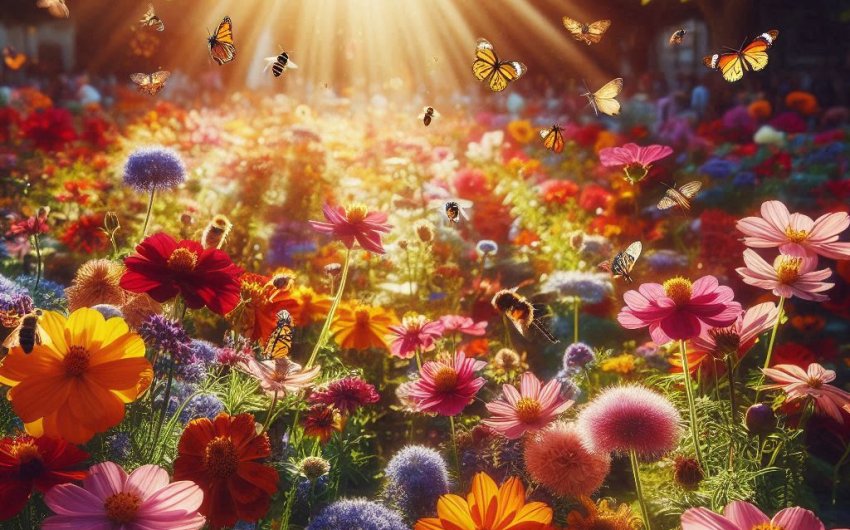
To attract pollinators to your garden using the best organic practices, focus on providing a continuous supply of diverse, nectar- and pollen-rich native plants, eliminating all synthetic pesticides, and offering essential water and shelter. These holistic methods create a thriving, biodiverse haven that naturally supports vital pollinator populations.
Why is Attracting Pollinators Crucial for Your Garden and Beyond?
Attracting pollinators is more than just about pretty flowers; it's a vital act of ecological support with far-reaching benefits for your garden, local ecosystems, and global food security. Their declining populations make our efforts more important than ever.
What are the Benefits of a Pollinator-Friendly Garden?
- Ensures Food Production: Approximately one-third of the food we consume, including many fruits, vegetables, nuts, and seeds, relies on animal pollination. Without pollinators, our plates would be much emptier. A thriving pollinator population directly increases yields in your vegetable garden and fruit trees.
- Supports Biodiversity: Pollinators are essential to the reproduction of countless wild plants, which form the base of many food webs. By supporting pollinators, you help maintain the health and resilience of entire ecosystems.
- Reduces Reliance on Chemicals: A garden brimming with diverse pollinators and beneficial insects often experiences fewer pest problems, reducing or eliminating the need for synthetic pesticides. Pollinators are part of a healthy pest management system.
- Contributes to Conservation: Globally, pollinator populations (especially bees, butterflies, and other insects) are facing significant threats from habitat loss, pesticide use, and climate change. Even a small backyard garden can serve as a vital "refueling station" or stepping stone for these crucial creatures.
- Enhances Garden Beauty and Vibrancy: Pollinator-friendly plants are often visually stunning, bringing a dynamic and lively atmosphere to your garden with their colors, forms, and the cheerful buzzing of bees and fluttering of butterflies.
- Educational Opportunity: A pollinator garden offers a fantastic living classroom for children and adults alike, demonstrating ecological principles, insect life cycles, and the importance of nature conservation firsthand.
- Environmental Health: By creating and maintaining a pollinator-friendly garden, you actively contribute to healthier local environments by promoting biodiversity and avoiding harmful chemicals.
- Increased Enjoyment: There's immense joy and satisfaction in watching a thriving ecosystem unfold in your own backyard, knowing you're making a positive impact.
What Do Pollinators Need from an Organic Garden?
To effectively attract pollinators to your garden using organic practices, you must understand their fundamental needs: consistent food sources, safe shelter, and a poison-free environment. Meeting these requirements creates a holistic habitat.
Essential Components of a Pollinator-Friendly Habitat
- Diverse and Continuous Food (Nectar and Pollen):
- Nectar: Provides carbohydrates (energy) for adult pollinators.
- Pollen: Provides protein, fats, vitamins, and minerals, essential for larval development and bee brood.
- Variety of Shapes & Colors: Different pollinators (bees, butterflies, hummingbirds) have different mouthpart lengths and color preferences. Provide a mix of flower shapes (cups, tubes, flat landing pads) and colors (bees prefer blue, purple, yellow, white; hummingbirds prefer red, orange).
- Bloom Season: Ensure there are flowering plants available from early spring (when pollinators emerge) through late fall (when they prepare for winter). This is called a "season-long succession of blooms."
- Mass Plantings: Plant in large clumps or drifts (at least 3x3 feet) of the same species. This makes it easier for pollinators to spot the flowers from a distance and forage more efficiently.
- Water Source:
- Pollinators need water for hydration, especially on hot days.
- Shallow Access: Provide a shallow water source like a bird bath with pebbles or marbles for landing spots, or a shallow dish filled with stones. Bees can drown in deep water. A slow drip or seep can also work.
- Shelter and Nesting Sites:
- Bare Soil: Around 70% of native bee species are ground-nesting. Provide patches of undisturbed, well-drained, bare soil in sunny locations.
- Hollow Stems/Wood: Many cavity-nesting bees (like mason bees and leafcutter bees) use hollow plant stems (e.g., from sunflowers, elderberry, sumac) or tunnels in dead wood.
- Brush Piles/Log Piles: Offer shelter for overwintering insects and other wildlife.
- Leaf Litter: Leave some undisturbed leaf litter in garden beds, as many butterflies and other beneficial insects overwinter there.
- Bee Houses/Hotels: Can supplement natural nesting sites for cavity-nesting bees. Choose well-designed, cleanable ones. You can find various bee houses.
- A Pesticide-Free Environment:
- This is arguably the most crucial requirement. Any synthetic pesticides (insecticides, herbicides, fungicides) can be directly lethal or have sub-lethal effects that impair pollinator health, navigation, and reproduction.
- Organic Practices Only: Commit to fully organic gardening. If pest control is absolutely necessary, use targeted organic methods (e.g., hand-picking, insecticidal soap for aphids only where present) and apply only when pollinators are inactive (very early morning or late evening).
By consciously integrating these elements, your organic garden becomes a fully functional and attractive sanctuary for the pollinators it seeks to attract.
What are the Best Organic Plant Choices to Attract Pollinators?
Selecting the right plants is the cornerstone of how to attract pollinators to your garden using organic practices. Focus on diverse, nectar- and pollen-rich plants, prioritizing native species.
Top Organic Plant Choices for Pollinators
When choosing plants, opt for varieties that are:
- Native to your region: They are best adapted to your local climate and co-evolved with local pollinators, providing the most suitable food and habitat.
- Single-petal flowers: These typically offer more accessible pollen and nectar compared to multi-petaled or "double" varieties where the reproductive parts might be hidden.
- Untreated with systemic pesticides: Especially neonics. Buy from reputable organic nurseries.
Early Spring Bloomers (Crucial for emerging pollinators):
- Crocus (Crocus spp.): Early nectar source.
- Pussy Willow (Salix discolor): Important pollen for early bees.
- Lungwort (Pulmonaria spp.): Attractive early perennial.
- Snowdrops (Galanthus nivalis): Early bloomer.
- Maple Trees (Acer spp.): Trees are invaluable early food sources; if you have space, consider a native maple.
Mid-Spring to Early Summer Bloomers (Building momentum):
- Wild Geranium (Geranium maculatum): Native and beautiful.
- Columbine (Aquilegia canadensis): Hummingbird and long-tongued bee favorite.
- Penstemon (Penstemon spp.): Diverse group with tubular flowers.
- Salvia (Salvia spp., especially native varieties): Long blooming, tubular flowers.
- Lavender (Lavandula angustifolia): Classic bee magnet, highly aromatic.
- Catmint (Nepeta racemosa): Drought-tolerant, long-blooming, beloved by bees.
- Bleeding Heart (Dicentra spectabilis): Unique flowers, appreciated by bumblebees.
Mid-Summer Bloomers (Peak season abundance):
- Coneflower (Echinacea purpurea): Attracts various bees and butterflies.
- Bee Balm (Monarda didyma, also Bergamot): A powerhouse for bees and hummingbirds.
- Liatris (Liatris spicata, Blazing Star): Tall spikes loved by many pollinators.
- Buttonbush (Cephalanthus occidentalis): Native shrub with unique spherical flowers, a huge bee magnet.
- Joe Pye Weed (Eutrochium purpureum): Large, stately plant for back of borders, attracts many pollinators.
- Sunflower (Helianthus annuus): Great for pollen.
- Zinnia (Zinnia elegans): Easy-to-grow annual, provides continuous blooms until frost. Choose single-petal varieties. You can find single-petal zinnia seeds.
Late Summer to Fall Bloomers (Crucial for migrating pollinators and bees preparing for winter):
- Asters (Symphyotrichum spp.): Wide variety of species, provide vital late-season nectar.
- Goldenrod (Solidago spp.): Often misunderstood (not cause of hay fever!), but an indispensable late-season pollen and nectar source.
- Anise Hyssop (Agastache foeniculum): Aromatic, long blooming, attracts many bee species.
- Sedum ('Autumn Joy' and other Hylotelephium): Succulent, excellent late-season food.
Herbs (Let them flower!):
- Borage: Extremely popular with bees.
- Thyme: Tiny flowers are a bee favorite.
- Oregano: Small, abundant flowers.
- Rosemary: Early spring bloomer.
- Basil, Cilantro, Dill, Fennel: Let some of these bolt and flower – their blooms are bee magnets.
When sourcing plants, look for local nurseries that specialize in native plants and explicitly state they are neonicotinoid-free. Starting from organic pollinator-friendly seed mixes is also a great organic approach.
How Do You Design Your Garden for Maximum Pollinator Attraction?
Strategic garden design is vital to maximize your efforts to attract pollinators to your garden using organic practices. A well-planned layout guides pollinators to food sources efficiently and creates a welcoming habitat.
Key Design Principles for a Pollinator Paradise
- Mass Planting (Create "Pollinator Targets"):
- Concept: Plant in large clumps, drifts, or blocks of the same species, rather than scattering individual plants. Aim for drifts of at least 3x3 feet of a single flower type.
- Why it works: This creates a strong visual cue from a distance, making it easier for pollinators to spot and efficiently forage on a reliable food source without expending too much energy searching.
- Continuous Bloom Sequence (Season-Long Nectar Flow):
- Concept: Plan your garden so that there are always multiple species in bloom from early spring through late fall.
- Why it works: Ensures a consistent food supply throughout the entire active foraging season, preventing "nectar dearths" that can stress pollinator populations.
- Method: Create a bloom chart for your chosen plants and fill in any gaps with early, mid, and late-season bloomers.
- Layering for Structure and Diverse Access:
- Concept: Incorporate plants of varying heights – groundcovers, low perennials, taller perennials, shrubs, and even small trees.
- Why it works: Provides food at different levels, accommodating pollinators that forage at various heights. Creates a more complex habitat with diverse microclimates and shelter options.
- Layout: Place taller plants at the back of beds or in the center of island beds, with shorter plants towards the front.
- Include a Variety of Flower Shapes and Colors:
- Why it works: Different pollinators have different mouthpart lengths and preferences.
- Open, Flat Flowers (e.g., daisies, coneflowers, dill): Easy landing pads for short-tongued bees, flies, and beetles.
- Tubular Flowers (e.g., salvia, penstemon, bee balm): Preferred by long-tongued bees, hummingbirds.
- Disc-shaped Flowers (e.g., sunflowers, asters): Offer both nectar and pollen.
- Color: Bees are attracted to blue, purple, yellow, and white. Butterflies love red, orange, yellow, and purple. Hummingbirds are drawn to red and orange.
- Why it works: Different pollinators have different mouthpart lengths and preferences.
- Provide Shelter Within the Garden:
- Undisturbed Areas: Integrate patches of bare, well-drained soil for ground-nesting bees.
- Log/Brush Piles: Small piles of woody debris offer shelter and nesting sites.
- Leave Stems: Don't cut back all perennial stems in fall; leave some hollow stems standing over winter for cavity-nesting bees.
- Leaf Litter: Resist over-raking; leaf litter provides insulation and shelter for overwintering insects.
- Integrate a Shallow Water Source:
- Bee Bath: Place a shallow dish with pebbles or a bird bath with rocks nearby.
- Puddling Stations: A damp patch of sand can attract butterflies for mineral intake.
- Consider Edible and Herb Plants (Allow to Flower):
- Many common garden herbs and vegetables, when allowed to flower (bolt), are excellent pollinator attractors. Let some basil, cilantro, dill, and oregano go to seed!
- Sunlight and Location:
- Most pollinator-friendly flowers need full sun (6+ hours). Position your garden beds in the sunniest areas of your yard.
- Consider creating corridors of pollinator plants that connect different parts of your yard, allowing pollinators to move easily.
By thoughtfully applying these design principles, you create a garden that is not only beautiful but also functions as a highly effective and self-sustaining ecosystem that works to attract pollinators to your garden naturally and effectively.
How Do You Maintain Your Pollinator Garden Using Organic Practices?
Maintaining a pollinator garden using organic practices is essential not just for its beauty, but for ensuring it remains a safe and reliable habitat for the pollinators you seek to attract. This involves mindful interventions rather than aggressive control.
Key Organic Maintenance Practices
- Strictly No Pesticides (This is Paramount):
- Zero Tolerance: This is the most crucial rule. Any synthetic pesticides (insecticides, herbicides, fungicides) can harm or kill pollinators, even if not directly sprayed on them (due to drift, systemic absorption, or residue).
- Organic Alternatives: If pest issues arise, rely on natural predators (which your garden should now be attracting), hand-picking, strong water blasts, or as a very last resort, highly targeted organic options like insecticidal soap or neem oil, applied only when pollinators are inactive (dawn or dusk).
- Weed Control: Rely on mulching, hand-weeding, and smart garden design (dense planting) rather than chemical herbicides.
- Water Wisely (Conserve and Provide):
- Deep and Infrequent: Water deeply to encourage robust root systems. Once established, many native pollinator plants are drought-tolerant.
- Mulch: Apply a 2-4 inch layer of organic mulch (shredded leaves, wood chips, straw) to conserve soil moisture, reduce weeding, and moderate soil temperature. This protects roots and helps keep the ground cool. You can find general garden mulch.
- Water Sources: Regularly check and clean your bee baths or bird baths to ensure they are accessible and free of algae.
- Fertilize Sparingly (Focus on Soil Health):
- Compost is Key: Instead of synthetic fertilizers, regularly amend your soil with organic compost. This provides a slow, balanced release of nutrients, promotes healthy soil microbes, and won't lead to excessive, lush growth that can attract aphids.
- Avoid Excess Nitrogen: High nitrogen fertilizers can promote leafy growth at the expense of flowers, which is counterproductive for pollinator gardens.
- Mindful Pruning and Deadheading:
- Deadheading: Removing spent blooms can encourage reblooming for some plants, extending the nectar season.
- Leave Some Seed Heads: In late summer/fall, leave some spent flower heads and seed pods on plants (e.g., coneflowers, sunflowers, asters, goldenrod). These provide food for birds and act as overwintering sites or nesting material for insects.
- Leave Stems Over Winter: Resist the urge to "tidy up" too much in fall. Leave hollow or pithy stems standing over winter until late spring (when new growth emerges) for cavity-nesting bees to overwinter in.
- Embrace "Messy" Areas:
- A perfectly manicured lawn or garden might look neat, but it lacks the diverse microhabitats pollinators need.
- Allow patches of bare ground, create a small brush pile in a corner, or let leaf litter accumulate naturally in beds.
- Succession Planting:
- Continue to plant and sow seeds throughout the season to ensure a continuous bloom of flowers from early spring to late fall.
By consistently applying these organic maintenance practices, your garden will naturally thrive and become an increasingly potent magnet to attract pollinators to your garden, supporting a healthier ecosystem right outside your door.
What Are Common Challenges in Organic Pollinator Gardening and How to Overcome Them?
Even with the best organic practices to attract pollinators to your garden, you might encounter challenges. Understanding these common hurdles and their organic solutions ensures your efforts remain successful and sustainable.
Troubleshooting Common Pollinator Garden Issues
- Lack of Pollinator Activity:
- Problem: You have beautiful flowers, but aren't seeing many bees or butterflies.
- Potential Causes:
- Pesticide Drift: Chemicals from a neighbor's yard, even if you don't spray.
- Lack of Continuous Bloom: Gaps in your flowering season.
- Not Enough Diversity: Too few flower shapes or colors.
- No Shelter/Water: Missing essential habitat components.
- Recently Planted: It takes time for pollinators to discover new food sources.
- Solutions:
- Communicate with Neighbors: Politely explain your pollinator efforts.
- Review Bloom Chart: Fill seasonal gaps with more early/late bloomers.
- Add Variety: Introduce more flower shapes and colors.
- Add Water/Shelter: Install a bee bath, leave brush piles.
- Be Patient: Give it time; as plants grow, they become more attractive.
- Pest Infestations:
- Problem: Aphids, spider mites, or other pests are damaging your pollinator plants.
- Potential Causes: Imbalance in the ecosystem (lack of natural predators), stressed plants.
- Solutions (Organic Only):
- Hands-on: Hand-pick larger pests. Blast soft-bodied pests (aphids, mites) with a strong stream of water from the hose.
- Attract Predators: Reinforce efforts to attract ladybugs, lacewings, hoverflies by planting more of their favorite nectar plants.
- Targeted Organic Sprays: As a last resort, use insecticidal soap or neem oil. Apply in early morning or late evening to minimize harm to beneficials.
- Healthy Soil/Plants: Ensure plants are well-watered, adequately (but not over-) fertilized, and in the right spot to resist pests.
- Plants Struggling/Not Thriving:
- Problem: Plants are stunted, yellowing, or not flowering well.
- Potential Causes: Incorrect sun exposure, poor soil drainage, nutrient deficiencies, or wrong plant for your hardiness zone.
- Solutions:
- Re-evaluate Location: Is it getting enough sun?
- Soil Test: Confirm pH and nutrient levels. Amend with compost.
- Check Drainage: Ensure no waterlogging.
- Watering Habits: Adjust frequency and depth.
- Choose Right Plant: Ensure plants are suitable for your USDA Hardiness Zone and microclimate.
- Invasive Species (Self-Seeding or Runners):
- Problem: Some well-meaning pollinator plants (e.g., certain mints, some goldenrods, coneflowers) can spread aggressively.
- Solutions:
- Research Growth Habit: Understand before planting.
- Containerize: Plant aggressive spreaders in pots or sunken bottomless buckets to contain their roots.
- Divide/Prune Regularly: Stay on top of spreading by dividing clumps or pruning back vigorous growth.
- Embrace Some Wildness: A pollinator garden isn't a formal garden; a bit of spread is often a sign of success.
By anticipating and addressing these common issues with an organic mindset, you can successfully navigate the challenges and maintain a thriving, pollinator-friendly garden, truly embodying the best organic practices to attract pollinators to your garden.