
How to Protect Your Organic Garden from Slugs Naturally?
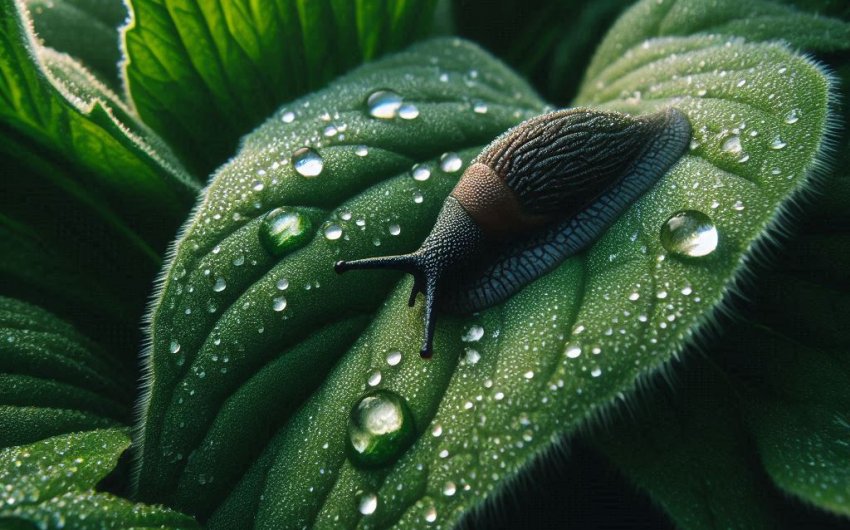
You step into your garden excited to see your progress, only to find your tender seedlings gnawed to nubs or your beautiful hosta leaves riddled with ragged holes and tell-tale shiny trails. The culprit? Those unwelcome, slimy visitors: slugs. These nocturnal gastropods can decimate a garden seemingly overnight, especially in cool, damp conditions. As an organic gardener, you want to protect your plants without resorting to harsh chemicals that can harm beneficial insects, pets, or the environment.
The good news is, there are many effective and natural ways to manage slugs in your garden. Organic slug control is all about understanding slug behavior and using clever, non-toxic strategies to deter, trap, or remove them. Say goodbye to holes in your leaves and hello to a thriving, slug-free organic garden! This guide will share the top organic methods to keep slugs at bay, allowing your plants to flourish.
Why Are Slugs Such a Problem in the Garden?
Slugs might seem small and slow, but they can cause big problems for gardeners. Understanding why they thrive and what damage they inflict helps you build an effective defense.
First, they are voracious eaters. Slugs have rasping mouths called radulae, which are like tiny, tooth-covered ribbons. They use these to scrape and chew holes in leaves, stems, fruits, and even roots. They particularly love tender young seedlings, leafy greens (lettuce, spinach), hostas, delphiniums, and many vegetables. A large slug population can quickly wipe out new plantings. This is the main reason for slug damage to plants.
Second, they are prolific breeders. Slugs are hermaphrodites, meaning each individual can produce both eggs and sperm. While they usually need another slug to reproduce, they don't need a partner of the opposite sex. They lay gelatinous egg clusters in moist, sheltered places, and a single slug can lay hundreds of eggs in a season. This allows their populations to explode quickly.
Third, they are nocturnal and elusive. Slugs are most active at night or on damp, cloudy days. During sunny periods, they hide in cool, moist, dark places (under rocks, mulch, pots, or dense foliage). This makes them hard to spot and catch during daylight hours, making slug control challenging.
Fourth, they leave slimy trails. While unsightly, these silvery trails (dried mucus) are the definitive sign of slug activity. They use this slime to move, and it also protects them from drying out.
Finally, they thrive in moist conditions. Slugs need moisture to survive and move. Gardens with heavy mulch, frequent overhead watering, or dense plant cover provide ideal damp environments for them. Knowing this preference is key to natural slug management.
What Are the Best Prevention Strategies for Slug Control?
The first line of defense against slugs is making your garden less appealing to them. Prevention is always easier than battling a full-blown infestation.
1. Water Wisely (Reduce Moisture)
Since slugs need moisture, managing your watering habits can make a huge difference.
- Morning Watering: Water your garden early in the morning. This allows foliage to dry out before evening, when slugs become active.
- Deep and Infrequent: Water deeply but less often. This encourages plant roots to grow deeper, and allows the top layer of soil to dry out between waterings, making it less attractive to slugs.
- Targeted Watering: Water at the base of your plants using a soaker hose (like Gilmour Flat Soaker Hose) or drip irrigation. This keeps the foliage and pathways drier, which slugs dislike. Avoid overhead watering if possible, as it creates a damp, inviting environment everywhere.
2. Improve Garden Hygiene and Airflow
A tidy garden is less appealing to slugs.
- Remove Hiding Spots: Slugs love to hide in cool, dark, damp places during the day.
- Clear away leaf litter, fallen branches, and garden debris.
- Avoid leaving empty pots, boards, or other objects on the ground that could provide shelter.
- Keep grass and weeds mowed and trimmed around garden beds.
- Prune for Airflow: Ensure good air circulation around your plants. Prune lower leaves or thin out dense foliage, especially around slug-prone plants. This helps keep the area drier.
3. Choose Resistant Plants
While slugs will eat almost anything if hungry enough, some plants are less appealing to them.
- Less Attractive Plants:
- Strongly Aromatic Herbs: Rosemary, lavender, thyme, sage, mint (plant mint in containers as it spreads aggressively).
- Fuzzy/Hairy Leaves: Lamb's Ear, Comfrey.
- Tough/Leathery Leaves: Many ornamental grasses, sedum.
- Some Flowers: Fuchsia, Begonias, Nasturtiums (though Nasturtiums can also be a trap crop for them).
- Vulnerable Plants: Young seedlings, lettuce, hostas, delphiniums, basil, beans, and cabbage family plants are often favorites. Protect these especially.
What Are the Best Physical Barriers and Traps for Slugs?
These methods create obstacles for slugs or lure them into a trap.
1. Copper Barriers
Copper reacts with slug slime, creating a small electric shock that deters them.
- How it Works: Place a strip of copper tape (like Garden Copper Tape for Slugs) around the perimeter of raised beds, individual plants, or containers.
- Tips: Ensure the copper tape is at least 1-2 inches wide and completely encircles the plant/bed. Make sure no plant leaves are touching outside the barrier, providing a "bridge" for slugs. Clean the copper periodically if it tarnishes, as the oxidation can reduce effectiveness.
2. Rough Surface Barriers
Slugs prefer smooth surfaces and dislike crawling over rough, abrasive materials.
- Diatomaceous Earth (DE): A natural, fine powder made from fossilized diatoms. The microscopic edges are razor-sharp to slugs, cutting their soft bodies and causing them to dehydrate.
- How to Use: Sprinkle a band of food-grade diatomaceous earth (like Harris Diatomaceous Earth Food Grade) around vulnerable plants.
- Tips: Must be kept dry to be effective. Reapply after rain or heavy dew. Harmless to humans and pets, but can irritate lungs, so wear a mask when applying.
- Crushed Eggshells: Collect and crush eggshells.
- How to Use: Sprinkle a band around plants.
- Tips: Not as effective as DE or copper, as slugs can still navigate them. Their effectiveness is debated, but they add calcium to the soil.
- Other Rough Materials (less effective): Sand, wood ash, coffee grounds can also be used, but generally offer limited long-term protection.
3. Beer Traps
A classic, simple, and effective method for attracting and drowning slugs.
- How it Works: Slugs are attracted to the yeast in beer. They crawl in and drown.
- Steps:
- Bury a shallow container (like an old yogurt cup or tuna can) in the soil so the rim is level with the ground.
- Pour about an inch of beer into the container. Any cheap beer works!
- Check daily and empty out drowned slugs. Refill with fresh beer every few days.
- Tips: Place traps near vulnerable plants or where you see slug activity. Place several around the garden for best results. Some gardeners find a mixture of water, yeast, and sugar works just as well.
4. Trap Boards / Shelter Traps
Leverage slug's preference for dark, damp hiding spots.
- How it Works: Place a flat board, a large cabbage leaf, grapefruit halves (flesh side down), or inverted melon rinds on the ground near affected plants in the evening.
- Steps: In the morning, lift the trap, and you'll find slugs gathered underneath. Collect them and dispose of them (see disposal methods below).
- Tips: This is an easy way to collect many slugs at once.
What Are the Best Organic Removal and Natural Predator Methods?
Once you've lured or found them, you need a way to deal with slugs.
1. Hand-Picking (The Most Direct)
- When: The best time is after dark, armed with a flashlight. You'll be amazed how many you find. Also check in the early morning after a dew or rain.
- How: Wear gloves, pick them off, and drop them into a bucket of soapy water.
- Disposal: The soapy water will drown them. You can then dispose of the liquid and slugs in the trash. Some dedicated gardeners dispose of them far from the garden.
2. Encourage Natural Predators
This is the ultimate long-term organic slug control strategy – let nature do the work!
- Birds: Many birds (robins, thrushes, ducks, chickens) eat slugs. Encourage them by providing bird baths, feeders (away from the garden to prevent them eating seeds), and dense shrubs for nesting.
- Frogs and Toads: These amphibians are excellent slug eaters. Create a moist, shady, undisturbed area in your garden, or a small pond, to attract them.
- Ground Beetles: These nocturnal beetles are fierce predators of slugs and their eggs. Avoid using broad-spectrum pesticides that kill them.
- Predatory Nematodes: Microscopic, beneficial nematodes (roundworms) can be purchased and applied to the soil. They specifically target and kill slugs by entering their bodies and releasing bacteria.
- How to Use: Look for nematodes for slug control (like Nemaslug Slug Killer). Mix with water and apply to moist soil in the evening or on a cloudy day. They are harmless to plants, humans, and pets.
- Ducks and Chickens: If you have chickens or ducks and can allow them supervised access to your garden (when plants are established and not prone to scratching), they are highly effective slug and snail eaters.
What About Organic Slug Baits?
For persistent problems, organic slug baits can be used, but always read the labels carefully.
- Iron Phosphate (Ferric Phosphate): This is the active ingredient in most widely available organic slug baits (like Sluggo Slug & Snail Killer).
- How it Works: Slugs eat the bait, stop feeding, and die within a few days. It's considered safe for pets and wildlife as it breaks down into iron and phosphate in the soil (both are plant nutrients).
- Application: Sprinkle the pellets around affected plants. Reapply after rain.
- Tips: While organic, use these baits judiciously. Focus on prevention and other methods first.
Protecting your organic garden from slugs naturally is an ongoing process that requires observation, persistence, and a multi-pronged approach. By combining smart watering, good garden hygiene, physical barriers, traps, natural predators, and selective organic baits, you can create a thriving, beautiful garden where your plants (and not the slugs!) are the stars.