
Organic Gardening Tips for Beginners on a Budget
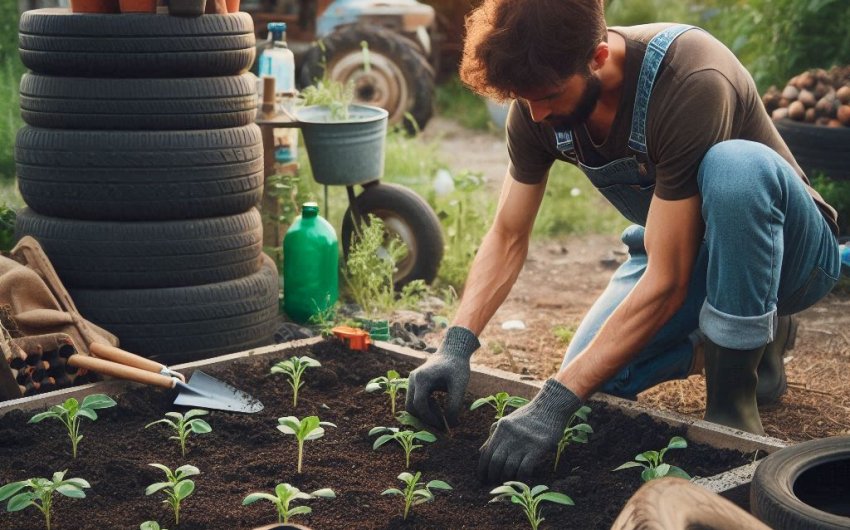
Dreaming of a vibrant organic garden brimming with fresh, healthy vegetables and beautiful flowers, but worried about the cost? Good news! Organic gardening on a budget is absolutely possible. In fact, many core organic principles naturally save you money by relying on natural processes and repurposed materials instead of expensive chemicals and constant store-bought supplies. You don't need a huge bank account to grow green; you just need some smart strategies and a little creativity.
Starting an affordable organic garden as a beginner might seem like a challenge, but by focusing on free resources, DIY solutions, and sustainable practices, you can create a thriving outdoor space without breaking the bank. This guide will share the best tips and tricks to help you cultivate your organic dreams while keeping your wallet happy. Get ready to grow goodness without the big spend!
Why is Organic Gardening Often More Budget-Friendly?
It might seem counterintuitive at first, as organic produce in stores can be pricier. But for the home gardener, organic methods actually lead to long-term savings.
First, no expensive chemical inputs. This is a huge one. Organic gardening means saying no to costly synthetic fertilizers, pesticides, and herbicides. Instead, you'll rely on free or low-cost natural amendments and methods. This immediately cuts down on recurring expenses.
Second, building long-term soil health. Organic methods focus on nourishing the soil, not just feeding the plant. Healthy soil, rich in organic matter, naturally retains water better, holds onto nutrients, and supports a thriving ecosystem of beneficial microbes. This reduces your need for frequent watering and eliminates the need for yearly chemical fertilizer purchases. It’s an investment that pays off over time, creating sustainable soil improvement.
Third, fewer pest and disease problems over time. A healthy, biodiverse organic garden is more resilient. Beneficial insects (which you encourage organically) help control pests, and strong plants from good soil are naturally more disease-resistant. This means fewer emergency trips to the store for expensive pest and disease solutions. This is the essence of cost-effective pest management.
Fourth, utilizing free resources. Nature provides an abundance of free materials you can use in your garden, from leaves to kitchen scraps. Organic gardening encourages you to see these "waste" products as valuable resources.
Finally, reduced waste and smarter repurposing. Organic gardeners are often experts at finding new uses for old things. This commitment to reduce, reuse, and recycle extends to your gardening supplies, saving you money and being kind to the planet.
How Can I Get Started Organically on a Shoestring Budget?
You don't need fancy tools or ready-made kits. Start with the basics and expand as you go.
1. Start Small
- Don't Overcommit: As a beginner, it's easy to get excited and plan a huge garden. Start with a manageable size – even just a few raised beds or a small in-ground plot. A small, successful garden is much more rewarding than a large, overwhelming one.
- Containers are Great: If space is limited or your native soil is poor, start with a few large pots or containers. This allows you to control the soil quality from the beginning. You can grow a surprising amount in a few large gardening containers.
2. Prioritize Organic Soil Building
This is where your money (or effort) should go. Healthy soil is the single most important investment.
- Make Your Own Compost: This is the absolute best way to get free, nutrient-rich, organic matter. Start a compost pile (no meat, dairy, or diseased plants). Collect kitchen scraps (fruit/veg peels, coffee grounds, eggshells), yard waste (leaves, grass clippings – untreated!), and shredded paper. A simple wire bin or even a designated corner of your yard works. You can buy a compost bin tumbler if you prefer.
- Ask for Free Organic Matter:
- Leaves: Check with neighbors or local municipalities for free shredded leaves in fall.
- Wood Chips: Arborists and tree removal companies often give away wood chips for free (ask for aged chips to avoid nitrogen draw-down from the soil).
- Aged Manure: If you live near farms, ask for aged manure. Make sure it's well-rotted (6+ months old) to prevent burning plants.
- "Lasagna Gardening" / No-Dig: Build a new bed directly on top of grass or weeds using layers of organic materials (cardboard, leaves, compost, straw). This creates instant rich soil without digging and is super budget-friendly. This is a great no-dig garden method.
3. Grow from Seed
Buying seedlings from a nursery can add up fast. Growing from seed is much cheaper.
- Choose Easy Seeds: Start with large seeds that are easy to handle and germinate reliably (beans, peas, squash, corn, radishes).
- Repurpose Seed Starting Containers: Don't buy seed-starting trays. Use:
- Egg cartons
- Toilet paper or paper towel rolls (cut in half)
- Yogurt cups, milk cartons, plastic clamshells (with drainage holes poked in the bottom).
- DIY Seed Starting Mix: While commercial seed mix is good, you can make your own by sifting fine compost and mixing it with some perlite or sand for drainage.
- Winter Sowing: For many hardy plants (especially perennials and some cold-season veggies), you can sow seeds outdoors in recycled containers (like milk jugs) in winter. Nature provides the cold stratification, and you get free, hardened-off seedlings in spring without needing grow lights. This is an excellent budget seed starting technique.
- Seed Swaps: Look for local seed-swap events or online groups. You can get a huge variety of seeds for free!
4. Smart Watering
Efficient watering saves money and water.
- Rain Barrels: Install a rain barrel (like Goplus Rain Barrel Foldable) to collect rainwater for your garden. It's free, chlorine-free, and great for plants.
- Watering Can: For smaller gardens, a simple watering can is sufficient and allows targeted watering.
- DIY Drip System: Create a simple drip system using recycled plastic bottles with holes poked in the bottom, buried next to plants.
- Mulch: A thick layer of organic mulch (shredded leaves, straw, wood chips) is essential. It drastically reduces water evaporation, meaning you water less often. This is key for water conservation in gardening.
How Can I Save Money on Tools and Materials?
You don't need fancy equipment to start an organic garden.
1. Essential Tools (Buy Smart)
Focus on a few basic, good-quality tools that will last.
- Hand Trowel: For planting and digging small holes.
- Hand Pruners: For harvesting and light pruning. A sharp pair of Fiskars Bypass Pruning Shears is invaluable.
- Garden Fork/Spade: For turning compost or digging in amendments.
- Hoe: For weeding. A stirrup hoe (like Hula Hoe Cultivator) is very efficient for light weeding.
- Gloves: Protect your hands. A durable pair of garden gloves will last longer.
- Look for Used Tools: Check yard sales, thrift stores, or online marketplaces for gently used tools. Clean them up, sharpen them, and they'll be good as new!
2. Repurpose and Recycle
Your trash is your garden's treasure!
- Containers: As mentioned for seed starting, but also for larger plants. Use 5-gallon buckets (drill drainage holes), old tires (stacked), recycled laundry baskets, or plastic storage bins.
- Support Structures:
- Stakes: Use fallen branches, bamboo poles, or old broom handles.
- Trellises/Cages: Rebar scraps, old fencing, salvaged wood.
- Tomato Cages: Make your own from old livestock fencing (concrete reinforcing mesh).
- Labels: Cut up old plastic containers (yogurt cups, milk jugs) into strips and write on them with a permanent marker.
How Can I Keep My Organic Garden Healthy on a Budget?
Organic gardening thrives on prevention and natural processes, which are inherently low-cost.
1. Organic Pest Control (Naturally!)
Forget expensive pesticides. Your garden's natural ecosystem will be your best defense.
- Healthy Soil, Healthy Plants: Plants grown in rich, organic soil are naturally more resistant to pests and diseases.
- Hand-Picking: Get familiar with common pests and physically remove them.
- Water Blasts: A strong spray of water from the hose can dislodge aphids and spider mites.
- Encourage Beneficial Insects: Plant flowers that attract ladybugs, lacewings, and other pest predators. A pollinator friendly seed mix (like Native Wildflower Seeds for Pollinators) can boost your garden's biodiversity.
- DIY Sprays: For stubborn issues, make simple sprays like insecticidal soap (1-2 teaspoons mild liquid dish soap per gallon of water – not detergent) or diluted neem oil (from a concentrated bottle, mixed according to directions).
2. Smart Weeding (Preventative)
- Mulch: A thick layer of organic mulch (shredded leaves, straw, grass clippings) is your best weed suppressor. It's free or cheap, and drastically reduces weeding time.
- Weed When Young: Pull weeds when they're small and the soil is damp. It's much easier and ensures you get the whole root.
- Don't Let Them Go to Seed: If you see a weed with flower or seed heads, remove it immediately to prevent future generations.
3. Fertilize with Nature's Bounty
- Compost: Your compost additions are your primary fertilizer.
- Compost Tea: Make your own organic liquid fertilizer by steeping compost (or worm castings) in water. This "compost tea" provides a gentle, nutrient-rich boost.
- Plant-Based Teas: Create liquid feeds from nettles (for nitrogen) or comfrey (for potassium).
- Kitchen Scraps: Bury banana peels near fruiting plants for potassium, or eggshells for calcium.
4. Practice Crop Rotation
- Free and Effective: This doesn't cost anything! Don't plant the same type of vegetable (or vegetable family) in the same spot year after year. This confuses pests and diseases that overwinter in the soil and helps balance nutrient use.
5. Harvest Regularly
- Boost Production: Harvesting frequently encourages plants to produce more.
- Prevent Spoilage: Don't let ripe produce sit on the vine/plant and spoil.
Starting an organic vegetable garden on a budget is an empowering and sustainable journey. By focusing on building healthy soil, repurposing materials, growing from seed, and embracing natural solutions, you'll soon be enjoying abundant harvests of fresh, delicious produce without the hefty price tag. Happy gardening on a dime!